

Learning how to preheat air fryer units is a fundamental skill that elevates your culinary output from merely edible to restaurant-quality. While many modern models suggest you can simply toss ingredients into a cold appliance. Understanding the nuances of thermal regulation ensures your proteins achieve a perfect sear and your vegetables maintain an ideal crunch.
By allowing the internal chamber to reach the target heat before adding your food. You guarantee consistent cooking times and superior texture. This simple habit transforms your appliance into a more effective tool, ensuring that every meal benefits from the immediate impact of high-intensity heat.
Why Preheating Matters for Culinary Success
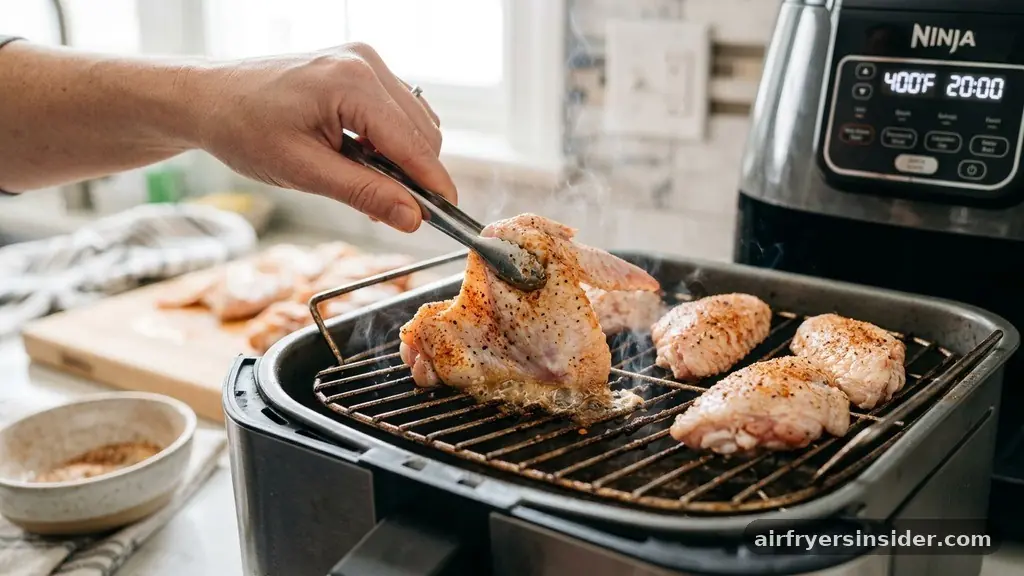
The primary reason for preheating your device revolves around the science of the Maillard reaction. This chemical process, which occurs between amino acids and reducing sugars, is responsible for the browning and complex flavor profiles we associate with delicious food.
When you place food into a cold air fryer basket, the surface temperature rises slowly, which often leads to steaming rather than searing. By initiating a preheat cycle, you ensure that the moment your food touches the rack. The intense heat begins to work on the exterior immediately, locking in juices and creating that desirable crust.
Furthermore, preheating stabilizes the cooking temperature. Most air fryers are essentially high-powered convection ovens, utilizing a powerful fan to circulate hot air around the food. If the air isn’t already at the desired set point, the appliance spends the first few minutes of the cooking time simply trying to reach the required heat.
This lag time can result in soggy textures. Particularly with breaded items or frozen food that relies on a sharp temperature differential to crisp up effectively. Consistent heat ensures that the entire batch cooks evenly, preventing the common issue where the outside is burnt while the inside remains undercooked.
Understanding Rapid Air Technology and Convection Heat
At the heart of the air fryer is rapid air technology. A system designed to simulate deep frying through the concentrated movement of hot air. The heating element, usually located at the top of the unit. Which radiates energy while a powerful fan pushes that heat downward.
When you skip the preheat phase, you are asking the fan circulation to work against a cold environment. Preheating warms the walls of the basket and the base plate. Which contributes to the overall thermal efficiency of the cooking process.
When the internal chamber is already hot, the air moves through the food with more consistent energy. This prevents the temperature from dropping drastically the moment you insert the basket. In a cold-start scenario, the appliance must compensate for the ambient temperature of both the air and the food itself, which can lead to extended cycles.
By preheating, you effectively prime the convection heat to focus entirely on the food rather than the surrounding hardware. This is especially vital when preparing items that require a delicate balance of crispiness and internal moisture, such as chicken wings, fries, or roasted vegetables.
Methods for Preheating Different Air Fryer Models
Not every appliance is designed the same way, and knowing your specific unit is key to mastering the process. Many high-end models now feature a dedicated preheat button on the digital display.
This function automatically sets the appliance to a specific temperature—usually around 400°F—for a set duration, often three to five minutes. If your air fryer has this feature, it is the most reliable way to ensure you are starting from a consistent baseline.
For owners of older or manual-dial models, you will need to rely on a manual setting. You can do this by turning the temperature dial to your desired cooking temperature and setting the timer for three to five minutes.
Once the timer dings, you can pull the basket out, add your ingredients, and restart the timer for the full duration specified in your recipe. It is important to consult your appliance manual if you are unsure, as different models have varying wattage ratings that affect how quickly they reach operational heat.
| Appliance Type | Preheat Strategy | Typical Time |
|---|---|---|
| Digital with Preheat Button | Use automatic cycle | 3 Minutes |
| Manual Dial Model | Set temp/timer manually | 4-5 Minutes |
| Large Capacity Units | Extend duration slightly | 5-7 Minutes |
Addressing the Cold Start Debate
You will frequently encounter the argument that air fryers are designed for a cold start. While it is true that many manufacturers market these devices for their speed and convenience, there are distinct scenarios where skipping the preheat is a disadvantage.
If you are cooking something simple like a hot dog or reheating leftover pizza, a cold start might be perfectly adequate. However, for anything requiring a crisp exterior—such as breaded chicken, sweet potato fries, or delicate pastries—the preheat is non-negotiable.
The residual heat generated during the preheat phase helps the air fryer maintain a steady environment. When you drop room-temperature or cold ingredients into a preheated basket, the appliance doesn’t have to struggle to recover the lost heat.
This is particularly important for food safety when dealing with proteins, as you want the surface to seal quickly to prevent the interior from drying out during the necessary time it takes to reach a safe internal temperature. Relying on a cold start for everything limits the potential of your machine to deliver the high-quality results it was engineered to provide.
Optimizing Your Cooking Time and Browning
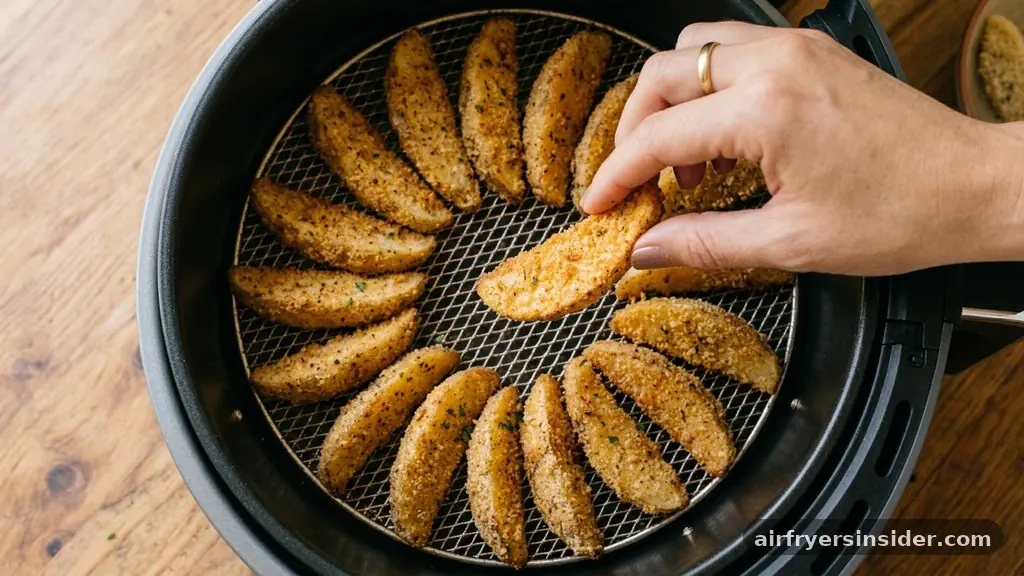
One of the most noticeable benefits of proper preheating is the consistency of browning. Because the air fryer is essentially a miniature convection oven, the quality of the airflow depends on the temperature of the air being moved.
If the air is not sufficiently hot, the food may cook through, but the surface will remain pale and unappetizing. Preheating creates the environment necessary for the Maillard reaction to occur across the entire surface of the food, resulting in an even, golden-brown finish.
To maximize this effect, ensure that you do not overcrowd the basket. Even with a preheated unit, if the food is piled too high, the air cannot circulate properly, which negates the benefits of the preheat. Organize your food in a single layer to allow the hot air to hit every surface.
This combination of a preheated chamber and proper spacing is the secret to achieving that professional-grade crunch. If you are cooking a large amount of food, consider doing it in batches, and perhaps give the unit a quick one-minute “re-preheat” between rounds to ensure the heating element is back up to full power.
Safety Considerations During High-Heat Cooking
Practicing good kitchen safety is essential when working with high-temperature appliances. Preheating an air fryer makes the basket and the internal walls extremely hot, so always use oven mitts or heat-resistant tongs when handling the equipment.
Never place the air fryer on a heat-sensitive surface, as the exterior can become quite warm during a long preheat and cook cycle. Ensure there is at least five inches of clearance around the back and sides of the unit to allow for proper ventilation of the hot air exhaust.
Additionally, be mindful of the materials you use inside the basket. While parchment paper and silicone liners are popular, they should never be placed in the unit during the preheat phase unless they are weighted down by food.
If you turn on an empty air fryer with a light piece of parchment paper inside, the fan can lift the paper and blow it into the heating element, which creates a significant fire hazard. Always wait until the preheat is complete and the food is ready to be loaded before adding any accessories.
Common Mistakes When Preheating
Even experienced home cooks can fall into common traps when they learn how to preheat air fryer units. One of the most frequent errors is assuming all foods need the same preheating duration. Delicate items might only need a short, two-minute warm-up, while dense, frozen items or large roasts benefit from a full five to seven minutes.
Another mistake is opening the drawer repeatedly during the preheat cycle to “check” if it is hot. Every time you open the basket, you release the heat you are trying to build up, effectively resetting the process.
Another common oversight is ignoring the preheating duration required for your specific kitchen environment. If your kitchen is particularly cold or if the air fryer is kept in a drafty area, it may take slightly longer for the unit to reach its target temperature.
Trust the indicators on your digital display or set a reliable external timer. If your unit lacks a “ready” signal, err on the side of caution by giving it an extra minute rather than rushing the process and ending up with underwhelming results.
FAQ: Mastering the Preheat Process
How do I know if my air fryer is fully preheated?
Most modern digital air fryers will beep or show a “Ready” notification on the display when the target temperature is reached. If you have a manual model, simply follow your chosen time—usually 3 to 5 minutes—to ensure the internal components are sufficiently heated.
Does every recipe require me to preheat the air fryer?
Not necessarily. While preheating is essential for achieving a perfect sear or crisp texture on breaded items, simple tasks like reheating leftovers or cooking items where texture is less critical can often be done with a cold start. Always prioritize preheating for high-quality results.
Can I preheat the air fryer with food already inside?
It is generally not recommended to preheat with food inside. Starting with a cold basket leads to uneven cooking and prevents the Maillard reaction from occurring effectively. Always allow the appliance to reach the desired temperature first to ensure your food cooks evenly from the very first second.
Is it dangerous to preheat an empty air fryer?
No, it is perfectly safe to preheat an empty unit, provided you do not leave any loose items like parchment paper inside that could be blown into the heating element. Ensure the basket is clean and properly inserted, and always maintain proper clearance around the unit’s exterior vents.
Achieving Consistent Results
Mastering the art of preheating your air fryer is a simple yet transformative step in your cooking routine. By prioritizing this habit, you ensure that your appliance operates at peak efficiency, delivering the consistent browning and crispy textures that make air frying such a popular method. Whether you are cooking fresh vegetables or frozen favorites, the extra few minutes spent warming the chamber will pay off in every bite.
Start integrating this practice into your daily routine, and you will quickly notice a significant improvement in the quality of your meals. As you become more comfortable with your specific model, you will naturally learn how to adjust the timing for different recipes, further refining your skills. Embrace this process, and enjoy the delicious, professional-quality results you can achieve right in your own kitchen.


