

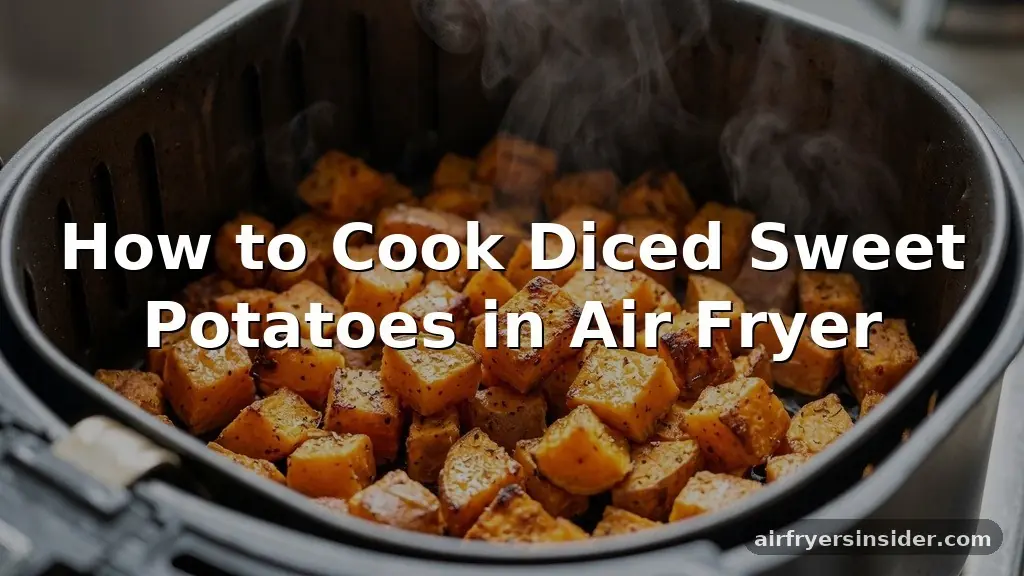
Learning how to cook diced sweet potatoes in air fryer is one of the most efficient ways to achieve that coveted crispy exterior while maintaining a soft, fluffy center. By mastering the balance of heat and timing, you can transform simple root vegetables into a versatile side dish that rivals any restaurant preparation.
Whether you are aiming for a savory snack seasoned with garlic or a sweet treat dusted with cinnamon, this method provides consistent results every single time. You will quickly discover that the convection heat inside your appliance is the secret to perfect roasted textures without the long wait times associated with a conventional oven.
Understanding the Basics of Air Fryer Dynamics
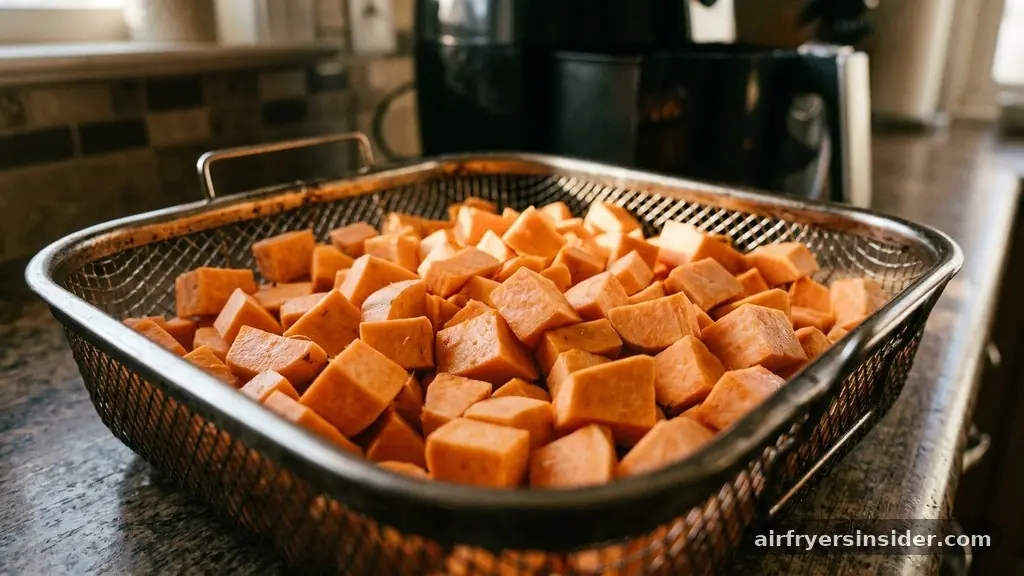
The primary mechanism that makes air frying so effective for root vegetables is the rapid movement of hot air. Unlike a standard oven that relies on ambient heat, an air fryer uses a high-powered fan to force intense convection heat around the food.
This process is essential for achieving a crispy texture on the outside of your cubed sweet potatoes. Because the air is constantly moving, it helps evaporate surface moisture quickly, which is a prerequisite for that golden-brown crunch everyone loves.
When you prepare your potatoes, the goal is to create conditions that favor the Maillard reaction. This chemical reaction between amino acids and reducing sugars gives browned food its distinctive flavor and color. To kickstart this, you must ensure that your diced pieces are not overcrowded in the basket.
If the pieces are piled too high, the air cannot flow between them, leading to steamed, soggy potatoes rather than roasted ones. Mastering this simple airflow principle is the first step toward professional-quality results in your kitchen.
Essential Preparation for Consistent Results
Before you even plug in your appliance, your prep work determines the final outcome. Start by washing your sweet potatoes thoroughly, especially if you plan to keep the skin-on for added nutrients and texture. If you prefer a smoother bite, use a sharp vegetable peeler to remove the outer layer.
Having good knife skills is surprisingly important here because you need to cut the tubers into pieces of uniform size. If some cubes are large while others are tiny, the smaller ones will burn before the larger ones become fork-tender.
Aim for cubes that are roughly half an inch to three-quarters of an inch in size. This dimension is the sweet spot for rapid cooking. Once they are chopped, pat them dry with a clean kitchen towel.
Excess moisture on the surface of the potato will prevent them from crisping up, regardless of how long you leave them in the heat. Taking these few extra minutes to ensure uniformity and dryness will drastically reduce the chance of uneven cooking.
Selecting the Right Fat for Your Air Fryer
You need a fat to help conduct heat and adhere your seasonings to the potato surface. Olive oil is a classic choice, but you must be mindful of its smoke point. If you are cooking at high temperatures, like 400 degrees Fahrenheit, extra virgin olive oil might start to smoke.
For high-heat roasting, avocado oil is an excellent alternative because it has a higher smoke point and a neutral flavor profile. You can also use a light coating of non-stick spray if you are trying to keep the overall calorie count lower, though a light toss with liquid oil generally yields better browning.
When applying the fat, do not drown the potatoes. A tablespoon or two is plenty for a pound of potatoes. The goal is to coat each piece with a thin, glistening layer rather than letting them swim in oil.
If you apply too much, the bottom of the air fryer basket will collect the excess, which can lead to smoking and a greasy mouthfeel. Use a large bowl to toss the cubes with the oil and spices before transferring them to the basket for the most even distribution.
Seasoning Strategies for Every Palate
Sweet potatoes are a blank canvas for flavor. If you are serving them alongside a savory main course, reach for garlic powder, salt, and black pepper.
A touch of paprika—either sweet or smoked—adds a beautiful color and a subtle depth that complements the natural sweetness of the potato. If you are preparing these for a breakfast hash or a dessert-leaning side, swap the savory spices for cinnamon, nutmeg, or a dash of maple syrup.
The key to seasoning is to apply it after the oil but before the cooking begins. This ensures the spices stick to the potato rather than falling through the slats of the air fryer basket.
You can also experiment with dried herbs like rosemary or thyme for an earthy finish. Because the air fryer concentrates flavors, start with a light hand; you can always add a pinch of finishing salt once the potatoes are cooked, but you cannot remove an over-salted batch.
Addressing Common Cooking Myths
One common question is whether you should soak your potatoes to remove the starch. While soaking is a common practice for regular white potatoes to make them crispier, it is less critical for sweet potatoes. Sweet potatoes have a different starch structure and higher sugar content, which helps them caramelize naturally.
If you decide to soak them to remove some starch, ensure you dry them thoroughly afterward. If you skip the drying phase, the potatoes will steam in the basket, resulting in a soft, mushy texture that lacks any crunch.
Another technique often discussed is parboiling. This involves boiling the potato cubes for three to five minutes before putting them in the air fryer.
This method guarantees that the center is perfectly soft, but it is often unnecessary if you keep your cubes small and your temperature settings correct. If you find your potatoes are consistently brown on the outside but hard on the inside, try reducing the temperature slightly and extending the cooking time instead of adding the extra step of boiling.
Managing Temperature and Cooking Time
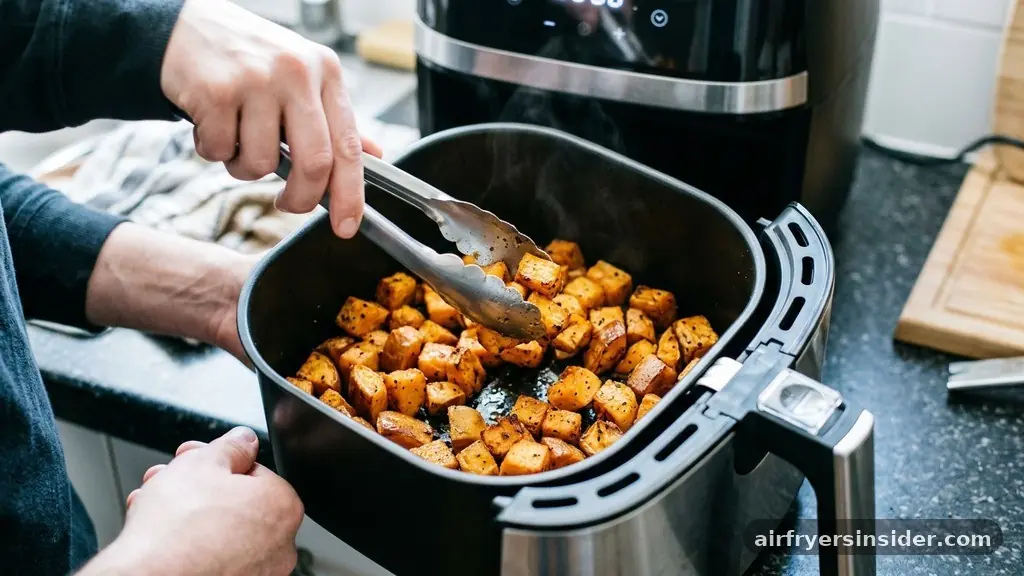
The ideal range for most air-fried root vegetables is between 375 and 400 degrees Fahrenheit. At 400 degrees, you will achieve faster caramelization, but you must keep a close eye on the basket to prevent burning.
If you prefer a slower, more gentle roasting process, 375 degrees is your best bet. The total time will vary depending on your specific air fryer model, but you should generally expect the process to take between 15 and 20 minutes.
Use the following table as a general guideline for your cooking parameters based on your desired texture:
| Setting | Time Range | Result |
|---|---|---|
| 375°F | 18–22 minutes | Soft, evenly cooked, lightly browned |
| 400°F | 12–16 minutes | Crispy exterior, soft interior, caramelized |
The Importance of Shaking the Basket
Shaking the basket is not just a suggestion; it is a fundamental part of the cooking process. Because the air is blown from the top down, the potatoes on the top and sides get the most direct heat.
If you leave them undisturbed, you will end up with a mix of burnt, raw, and perfectly cooked pieces. Set a timer for the halfway point of your total cooking time and give the basket a vigorous shake.
If you have a tray-style air fryer instead of a basket, use tongs to manually flip or rearrange the pieces. This physical movement redistributes the heat and ensures that every side of the cube gets exposed to the air circulation.
It is also a perfect time to check the progress; if they look like they are browning too quickly, you can lower the heat for the remaining time. Consistency is maintained through this small, active intervention.
Determining When They Are Done
How do you know when your sweet potatoes are ready to be removed? Visual cues are helpful, but the ultimate test is the texture. The cubes should be fork-tender, meaning the tines of a fork should slide through the center without any resistance.
If you feel a hard core in the middle, they need another minute or two. The exterior should have a distinct, slightly darkened crust that feels firm to the touch.
Keep in mind that sweet potatoes carry a high natural sugar content. This means they can go from perfectly caramelized to burnt very quickly. If you are using a seasoning blend that includes brown sugar or honey, be extra vigilant during the last few minutes of cooking.
Those ingredients will char much faster than the potato itself. Once they reach the desired level of doneness, remove them from the basket immediately to prevent residual heat from continuing to cook them into a mushy state.
Troubleshooting Common Issues
Even with the best instructions, you might run into issues. If your potatoes are consistently soggy, it is almost always due to overcrowding or insufficient drying. Try cooking in smaller batches if you have a smaller air fryer unit.
If your potatoes are burning on the outside but raw in the middle, you are likely using too high a temperature. Lower the heat by 25 degrees and add a few minutes to the total time to allow the heat to penetrate the center of the cubes.
If you find that your seasoning is falling off, try tossing the potatoes in a slightly thicker fat, like avocado oil, or ensure the potatoes are completely dry before adding the oil. Sometimes, adding a tiny amount of cornstarch to the seasoning mix can help pull moisture away from the surface and create a crispier barrier, though this is a personal preference rather than a strict requirement. Don’t be afraid to experiment with your specific appliance, as every air fryer has slightly different airflow patterns.
FAQ Section
Should I peel the sweet potatoes before air frying?
It is entirely up to your preference. Leaving the skin on adds fiber and a pleasant, rustic texture to the dish. If you prefer a more uniform, soft bite, feel free to use a peeler to remove the skin before cubing the potatoes.
Do I need to preheat my air fryer?
While many air fryers do not strictly require a preheat, doing so for three minutes can help ensure the cooking process starts at the target temperature. This is especially helpful if you want a crispier exterior, as the initial blast of heat helps sear the surface immediately.
Can I cook frozen diced sweet potatoes in the air fryer?
Yes, you can. You will need to increase the cooking time by about five to eight minutes and avoid thawing them first. Ensure you toss them in oil and seasoning halfway through the cooking process to keep them from clumping together in the basket.
How do I store and reheat leftovers?
Store leftover cooked sweet potatoes in an airtight container in the refrigerator for up to four days. To reheat, place them back in the air fryer at 350 degrees for about three to five minutes. This will restore their crispness much better than using a microwave.
Final Thoughts
Mastering the art of cooking diced sweet potatoes in air fryer is a simple way to elevate your weeknight meals. With the right preparation, a bit of attention to your seasoning, and consistent movement of the basket, you can enjoy a perfect balance of flavor and texture that is difficult to achieve with other methods. Remember to prioritize uniform sizing and proper airflow to ensure every bite is as good as the last.
Whether you serve them as a savory side or a sweet snack, these versatile potatoes are sure to become a staple in your rotation. Start with these foundational techniques and feel free to adjust your spices and heat levels as you grow more comfortable with your appliance. Happy cooking!
Meta Description: Learn how to cook diced sweet potatoes in air fryer with this guide. Achieve crispy, perfectly roasted results every time with these expert tips.


