

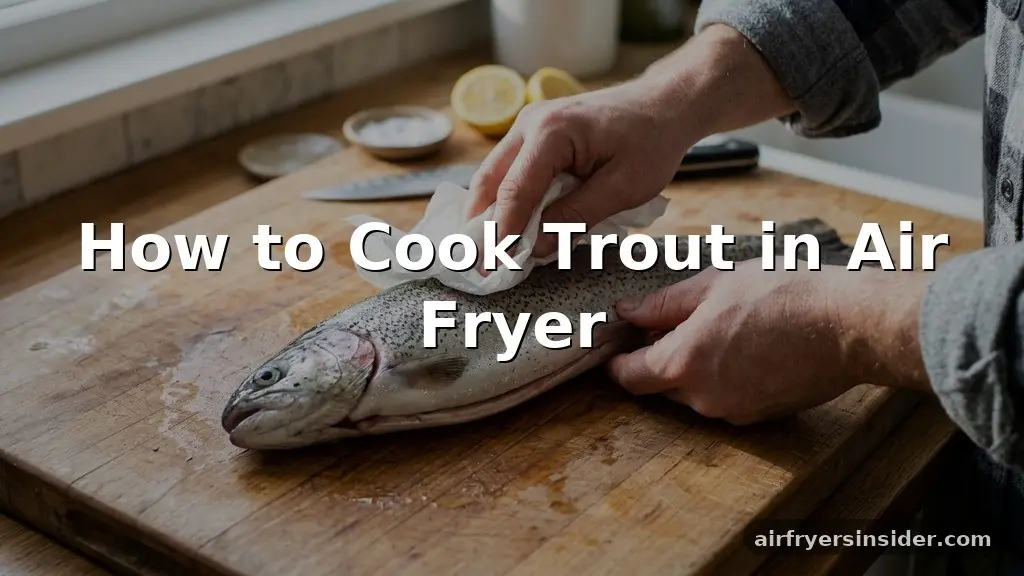
Learning how to cook trout in air fryer settings is one of the most efficient ways to get a restaurant-quality meal on the table in under fifteen minutes. Because this appliance functions as a high-powered convection oven, it circulates hot air rapidly to ensure the fish develops a perfectly crispy exterior while keeping the meat tender.
Whether you are working with a delicate rainbow trout fillet or a whole dressed fish, the air fryer offers consistent results that are difficult to achieve with a standard stovetop pan. You will find that mastering this method turns a quick weeknight protein-packed meal into a consistent favorite for your dinner rotation.
Understanding the Basics of Air Fryer Fish Preparation
The key to successful seafood in an air fryer lies in managing moisture and heat. Unlike deep frying, which submerges the protein in oil, air frying relies on intense convection cooking to render the skin and cook the flesh.
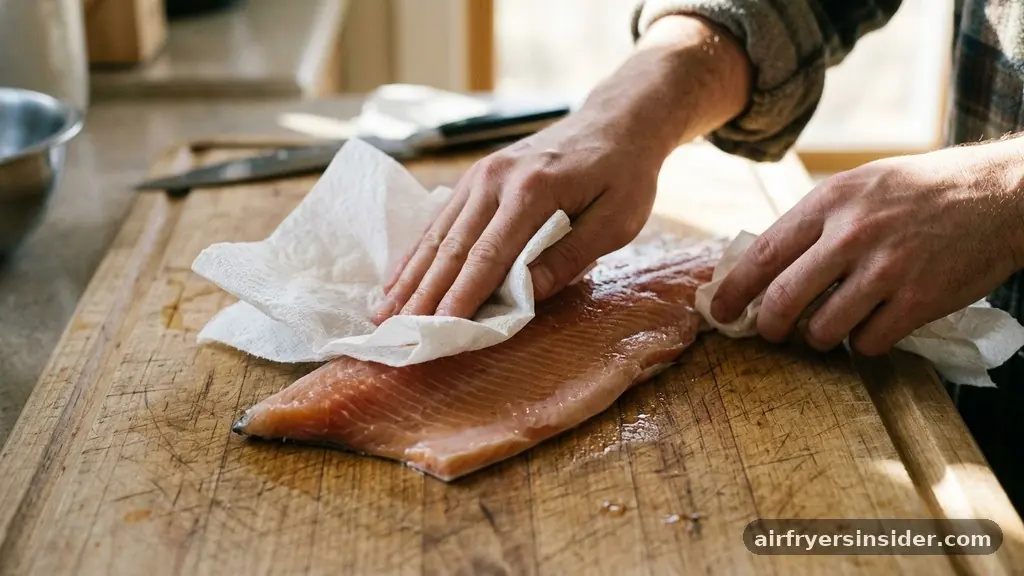
For the best results, start by patting your fish completely dry with paper towels. Excess surface moisture prevents the skin from crisping up and can lead to a steamed, mushy texture rather than the desired golden finish.
You should always aim to bring your fish to room temperature for about ten minutes before it hits the basket. This ensures even cooking from the surface to the center. When seasoning, stick to ingredients that won’t burn quickly at high temperatures.
High-quality olive oil or melted butter acts as a binder for your spices, but be mindful of the smoke point of your fats. Using a light coating of oil helps the heat transfer efficiently across the fillet, creating that signature crust that makes air-fried trout so appealing.
Selecting the Right Cut for Your Air Fryer
When you visit the fish counter, you will typically encounter two primary options: skin-on fillets or whole dressed trout. Skin-on fillets are significantly easier for beginners because they provide a structural base that holds the fish together during the cooking process.
The skin also protects the delicate flesh from drying out too quickly under the heating element. Rainbow trout is a fantastic choice because it is relatively thin, allowing it to cook through rapidly without becoming tough or rubbery.
If you choose to cook a whole fish, ensure it fits comfortably within your air fryer basket without touching the sides. If the fish is too large, it will block the essential air circulation, resulting in uneven spots where parts of the fish remain raw while others become overcooked.
Always verify that your fishmonger has removed the scales and cleaned the cavity thoroughly. A clean, properly prepped fish is the foundation of a delicious, flaky texture that defines a professional-level home meal.
The Importance of Preheating and Air Circulation
Many home cooks skip the preheat phase, but it is essential when you want to achieve crispy skin. Think of your air fryer as a miniature oven; if you start from a cold state, the fish will sit in the basket while the temperature climbs, which can cause the proteins to leach out and create a sticky mess.
Preheat your unit to 375°F or 400°F for at least three to five minutes before adding the fish. This initial blast of heat helps sear the exterior immediately upon contact.
Proper air circulation is the secret weapon of the air fryer. Never overcrowd the basket. If you are cooking for a family, it is far better to cook in two separate batches than to stack fillets on top of one another.
The hot air needs to reach every side of the fish to work its magic. If you are worried about the fish sticking to the metal basket, a small piece of parchment paper can be used, provided it is held down by the weight of the fish so it doesn’t fly up into the heating element.
Seasoning Strategies for Maximum Flavor
Trout has a mild, nutty flavor that pairs beautifully with a wide variety of seasonings. A simple dry rub can elevate a basic fillet into something special. A classic combination includes garlic powder, paprika, and a pinch of salt and pepper.
If you want a brighter profile, add a dash of lemon zest to your rub before cooking. The paprika adds a lovely color, while the garlic powder caramelizes slightly, providing a savory depth that balances the richness of the trout.
Fresh herbs are best added toward the end of the cooking process or used as a garnish. If you place fresh parsley or dill inside the air fryer basket at the start, they will likely burn and turn bitter.
Instead, tuck a few lemon slices and sprigs of fresh rosemary or thyme inside the cavity of a whole fish. These aromatics will steam from the inside out, infusing the meat with fragrance without compromising the integrity of the herbs.
Monitoring Internal Temperature for Perfection
The most common mistake when cooking fish is overestimating the time required. Because air fryers are so efficient, the difference between a perfectly flaky fillet and a dry, chalky one is often measured in just sixty seconds.
The only way to be absolutely certain of your results is to use a reliable food thermometer. You are looking for an internal temperature of 145°F at the thickest part of the fish.
When you insert the probe, ensure you aren’t hitting a bone, which can provide a false reading. If you don’t have a thermometer, you can use the fork test.
Gently press the thickest part of the fillet; if it flakes easily and looks opaque throughout, it is ready to be pulled. Remember that the residual heat will continue to cook the fish for a minute or two after you remove it from the basket, so don’t be afraid to pull it out just slightly before it reaches the target temperature.
Using Parchment Paper and Foil Safely
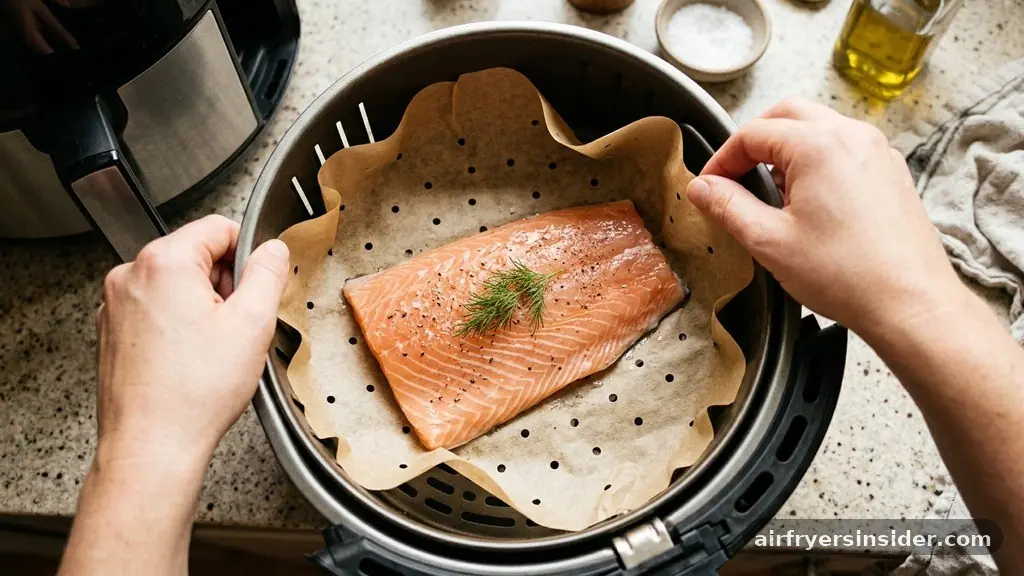
There is often debate about whether to use parchment paper or aluminum foil in an air fryer. Both are perfectly safe tools when used correctly, but they serve different purposes. Parchment paper is excellent for preventing sticking and making cleanup nearly instantaneous.
Because trout is a delicate fish, the skin often wants to adhere to the basket’s mesh. A piece of perforated parchment paper allows for air circulation while providing a non-stick surface.
Aluminum foil is better suited for situations where you want to keep the fish moist or if you are adding a sauce that might drip through the basket. However, wrapping the fish completely in foil essentially turns your air fryer into a steamer. If you want that signature crispy skin, avoid wrapping the fish entirely.
Instead, create a foil boat or a “tray” that sits on the bottom of the basket. This keeps the juices contained without sacrificing the convection effect that makes the skin crispy.
Comparison of Cooking Methods
The following table compares the different ways you might choose to cook your trout. While each has its merits, the air fryer offers a unique balance of speed and texture.
| Cooking Method | Texture | Speed | Effort |
|---|---|---|---|
| Air Fryer | Crispy skin, moist flesh | Fast (8-12 mins) | Low |
| Pan-Searing | Very crispy, requires monitoring | Medium (10-15 mins) | High |
| Oven Baking | Soft, uniform texture | Slow (15-20 mins) | Low |
| Grilling | Smoky, charred | Fast (8-10 mins) | High |
Addressing Common Troubleshooting Issues
Even experienced cooks run into snags. If your fish is sticking, it is usually because the basket wasn’t hot enough when the fish was added or there wasn’t enough oil on the surface of the skin. If the skin is burning but the inside is still raw, your temperature is likely set too high.
Try dropping the heat to 350°F and extending the cook time by a few minutes. This allows the heat to penetrate the center of the fish before the exterior carbonizes.
If you find that your fish has a “fishy” odor that lingers in the air fryer, it is usually due to residual oils trapped in the heating element or the basket mesh. A deep clean with warm, soapy water is necessary.
To prevent this in the future, ensure you aren’t using an excessive amount of oil, as the atomized oil can coat the interior of the unit. Keeping your air fryer clean is just as important as the cooking process itself for maintaining the quality of your meals.
Creative Side Dishes to Complete the Meal
A healthy dinner is only as good as the sides that accompany it. Since the air fryer is already occupied, consider pairing your trout with sides that can be prepared on the stovetop or served cold. Light, acidic sides cut through the natural richness of the trout.
- Shaved fennel and citrus salad with a light vinaigrette.
- Steamed asparagus drizzled with lemon butter and toasted almonds.
- Quinoa or wild rice pilaf mixed with fresh herbs and pomegranate seeds.
- Roasted baby potatoes prepared in a separate batch in the air fryer.
- Garlic-sautéed spinach or kale with a dash of red pepper flakes.
These sides complement the protein-packed nature of the fish without overwhelming the delicate flavor profile. By balancing the textures—pairing the soft, flaky trout with something crunchy or fibrous—you create a well-rounded dining experience that feels much more intentional than a simple quick-fix meal.
Frequently Asked Questions
How long do you cook trout in the air fryer?
For most fillets, cooking at 375°F to 400°F takes about 8 to 12 minutes. Whole trout may require 12 to 15 minutes depending on the size. Always rely on an internal temperature of 145°F rather than just the clock, as machines vary in power.
Should you wrap fish in foil in an air fryer?
You generally should not wrap fish completely in foil because it blocks the air circulation, which is the primary feature of the appliance. If you need to contain juices or prevent sticking, use a foil tray or a piece of parchment paper instead.
What is the best way to ensure crispy skin on trout?
The secret is to pat the skin extremely dry before applying oil. Any moisture on the surface will create steam, which prevents crisping. Ensure your air fryer is fully preheated and that there is adequate space around each piece of fish for air to flow.
Can I cook frozen trout directly in the air fryer?
While you can, it is not recommended for the best texture. If you must use frozen fish, increase the cook time by several minutes and lower the temperature slightly to ensure the center thaws and cooks without the exterior burning to a crisp.
Refining Your Technique
Achieving perfect results when you learn how to cook trout in air fryer models is a rewarding process that simplifies your weekly meal planning. By prioritizing the dryness of the skin, controlling your temperatures, and utilizing the right tools like a food thermometer, you can consistently produce a healthy, protein-packed dinner. The beauty of this method is its reliability; once you find the specific timing that works for your particular appliance, you can replicate that golden, flaky texture every single time.
Start by experimenting with different dry rubs and herb pairings to see what suits your palate best. Whether you prefer a zesty lemon-pepper profile or a more savory, garlic-heavy approach, the air fryer is a versatile partner in the kitchen.
As you continue to refine your technique, you will find that this becomes your go-to method for preparing fresh seafood. Enjoy the process of mastering this simple skill and sharing delicious, expertly prepared trout with your family and friends.


