

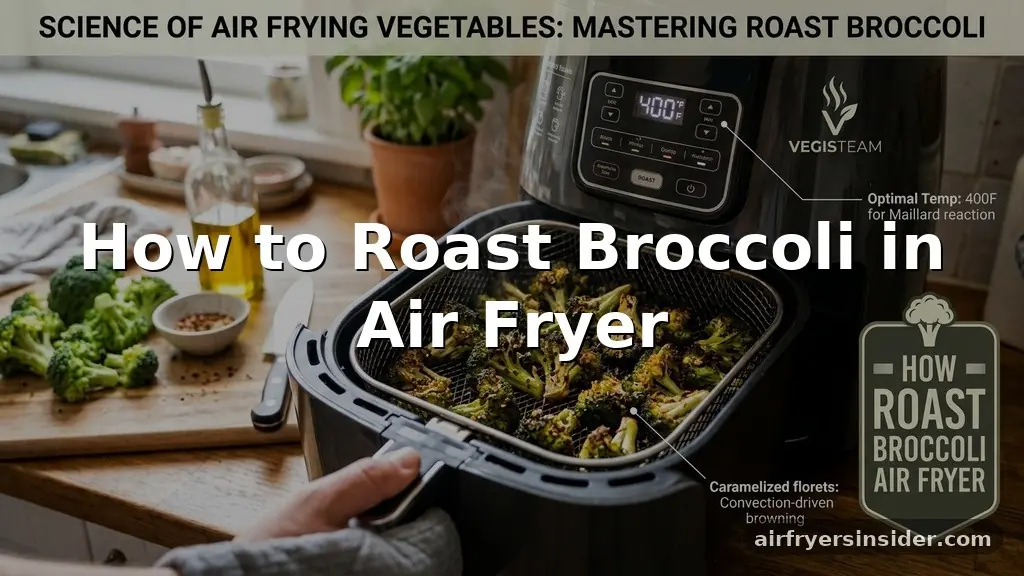
Learning how to roast broccoli in air fryer units transforms a humble vegetable into a crispy, flavorful side dish that rivals any restaurant preparation. By leveraging the intense convection heat of your appliance, you can achieve a perfect char on the florets while keeping the stalks tender, all in a fraction of the time required by a traditional oven.
This method is ideal for busy weeknights when you need a healthy, nutrient-dense component for your meal without the long preheating wait. Mastering this technique ensures your vegetables are never mushy or bland, providing a consistent texture that encourages everyone at the table to reach for seconds.
The Science of Air Frying Vegetables
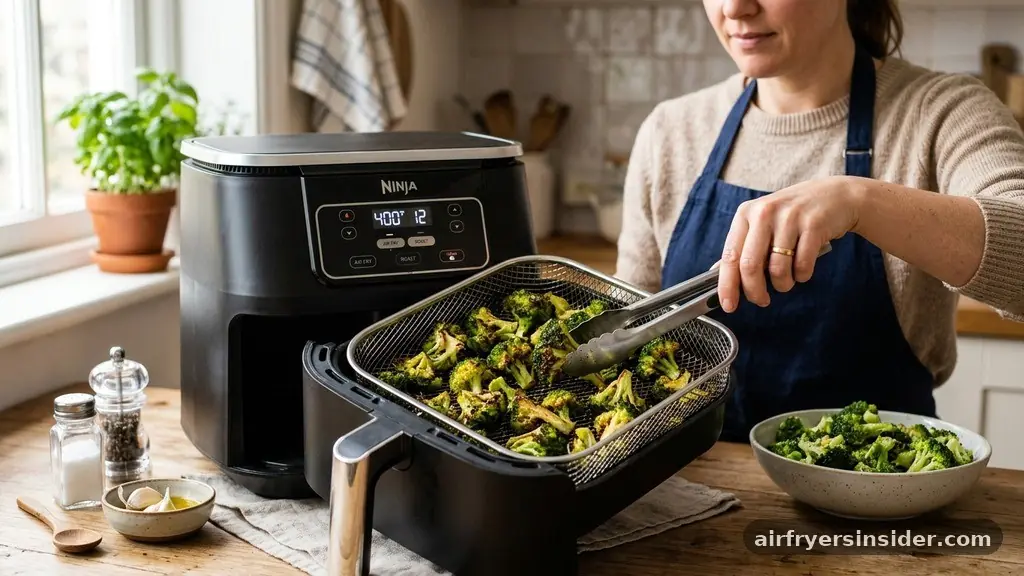
The magic behind air frying lies in its ability to simulate deep-frying through rapid air circulation. When you place broccoli in the basket, the machine pulls hot air downward and around the food, creating a high-velocity environment that dehydrates the outer surface quickly.
This rapid moisture removal is the key to achieving that desirable Maillard reaction, which browns the vegetable and unlocks deep, nutty flavors. Unlike standard ovens, which often struggle to maintain low humidity, the air fryer forces moisture out, ensuring the florets become crispy rather than steamed.
Understanding the relationship between surface area and airflow is critical for success. If the basket is overcrowded, the air cannot circulate effectively, trapping steam around the vegetables. This results in soft, limp broccoli that lacks the characteristic crunch of true roasting.
By providing enough space for the hot air to reach every side of the floret, you ensure even cooking. Think of your air fryer as a miniature convection oven; the more room the air has to move, the better the final texture will be.
Selecting and Preparing Your Broccoli
Quality starts at the grocery store. When selecting heads of broccoli, look for firm, bright green stalks and tight, compact florets. Avoid any heads that appear yellowing or limp, as these will not hold up well to the high heat of the air fryer.
Once you bring your produce home, proper preparation is the foundation for a delicious result. Start by washing the broccoli thoroughly under cold running water to remove any hidden dirt or debris trapped in the tight clusters of the florets.
After washing, drying is perhaps the most overlooked step in the process. Because excess moisture creates steam, any water left on the surface will prevent the broccoli from browning properly. Use a clean kitchen towel or a salad spinner to ensure the pieces are as dry as possible before adding oil and seasonings.
Cut the broccoli into uniform, bite-sized florets; this ensures they cook at the same rate. Don’t discard the stalks, either. Peel the tough outer layer with a vegetable peeler, slice them into thin coins, and toss them in with the florets for a delicious, crunchy addition.
Optimal Temperature and Timing for Perfect Texture
Achieving the perfect balance between a crisp exterior and a tender interior requires finding the sweet spot for heat. For most standard air fryers, an optimal temperature and timing range falls between 375°F and 400°F for about 8 to 12 minutes.
If you prefer a more aggressive char, 400°F is your best bet, but keep a close eye on them during the final few minutes to prevent burnt edges. At 375°F, the cooking process is slightly gentler, allowing the stalks to soften more thoroughly without risking the delicate tips of the florets.
Cooking times will vary depending on the size of your florets and the specific model of your air fryer. Smaller units often have more powerful fans that cook food faster, while larger ovens might require an extra minute or two. Always start checking the texture at the 8-minute mark.
You are looking for edges that have turned a dark, golden brown and a texture that is fork-tender but not mushy. If you find the broccoli is browning too quickly on the outside while remaining raw on the inside, lower the temperature by 25 degrees and add a few minutes to the total duration.
Flavor Enhancements and Seasonings
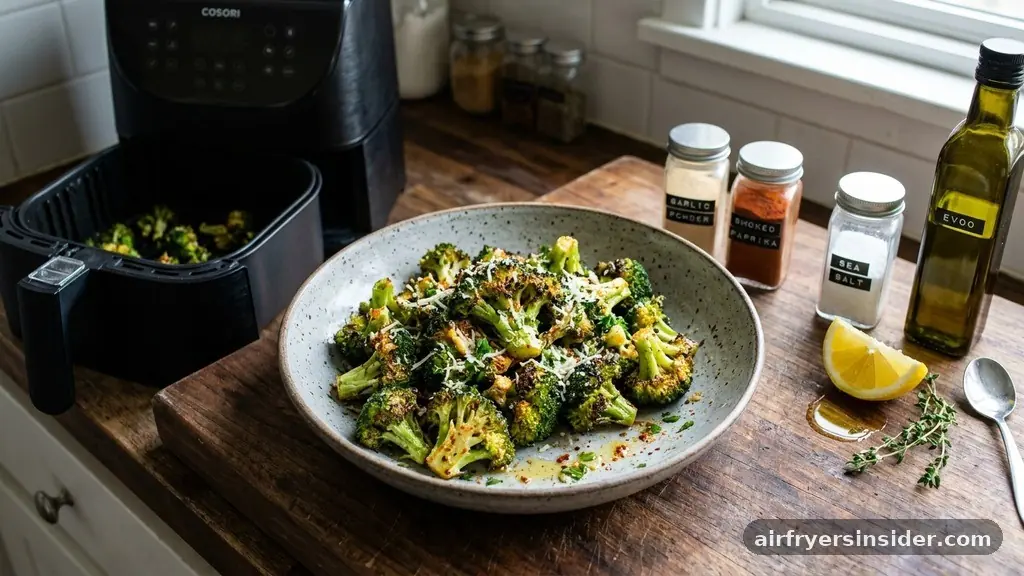
While simple salt and pepper are often enough to highlight the natural sweetness of roasted broccoli, the air fryer acts as a perfect canvas for bolder flavors. Before you start the cooking process, toss your prepared florets in a bowl with high-quality olive oil or avocado oil.
This fat is essential for conducting heat and helping your seasonings adhere to the vegetable. Beyond basic salt, consider using garlic powder, onion powder, or smoked paprika to add depth.
For those who enjoy a savory punch, incorporate various umami boosters. Sprinkling grated Parmesan cheese over the broccoli during the last two minutes of cooking creates a salty, crispy crust that pairs perfectly with the charred vegetable.
If you are looking for a dairy-free alternative, nutritional yeast provides a similar nutty, cheesy flavor profile while adding a boost of B-vitamins. You can also experiment with finishing touches like a squeeze of fresh lemon juice, a drizzle of balsamic glaze, or a sprinkle of red pepper flakes for heat.
Common Troubleshooting Tips for Home Cooks
Even experienced cooks run into issues when mastering new kitchen appliances. One of the most common troubleshooting tips involves dealing with uneven cooking. If your broccoli is coming out with some pieces burnt and others raw, it is almost always a result of inconsistent sizing.
Take the time to cut your pieces into uniform shapes so they interact with the hot air in the same way. If you notice smoke, it is likely that the oil you are using has a low smoke point or that there are old food particles stuck in the bottom of your air fryer basket.
Another frequent issue is the texture being too soft or soggy. As mentioned earlier, if the air cannot circulate, the broccoli essentially steams in its own moisture. If you are cooking for a large family, do not try to squeeze all the broccoli into one batch.
It is far better to cook in two smaller batches, ensuring each piece gets enough space to roast correctly. If the broccoli is drying out too much before it is tender, try tossing it halfway through the cooking process and spritzing it with a tiny bit of water or additional oil.
Comparing Traditional Roasting to Air Frying
Many home cooks wonder why they should switch from their standard oven to an air fryer for this task. The primary difference is efficiency and intensity.
A traditional oven takes time to preheat and has a larger cavity, meaning it requires more energy to create the same level of heat concentration. The following table highlights the key differences you can expect when choosing your cooking method for broccoli.
| Feature | Air Fryer | Traditional Oven |
|---|---|---|
| Preheat Time | Instant or 2-3 minutes | 10-15 minutes |
| Cooking Time | 8-12 minutes | 20-30 minutes |
| Texture Result | Crispy and charred | Soft and roasted |
| Energy Usage | Low | High |
As shown in the data, the air fryer is significantly faster and more energy-efficient. While both methods produce a delicious result, the air fryer’s ability to achieve a “fried” texture with minimal oil makes it a superior choice for those who love a bit of crunch. However, the oven remains better if you are feeding a very large group, as you can roast multiple large sheet pans at once, whereas the air fryer is limited by the physical capacity of its basket.
Addressing Topical Gaps in Air Fryer Cooking
You might wonder if there are specific varieties of broccoli that work better than others. While standard heads are the most common, broccolini and broccoli rabe also thrive in the air fryer. Because these varieties have thinner stalks, they cook even faster than standard florets.
Adjust your timing accordingly, checking them after just 5 or 6 minutes. Another common gap in knowledge is whether you should use frozen broccoli.
While fresh is always preferred for the best crispiness, frozen broccoli can be air-fried, provided you do not thaw it first. Toss the frozen florets directly in oil and seasoning, and increase the cooking time by 3 to 5 minutes to account for the additional water content.
Understanding the “why” behind the oil is also important. People often ask if they can skip the oil entirely to save calories. While you can air fry without oil, the result will be much closer to dehydrated or steamed broccoli rather than roasted.
The oil serves as a heat transfer medium. Without it, the broccoli may burn on the surface before the heat penetrates the center. If you are avoiding oil, a very light spritz of water can help with seasoning adhesion, but expect a significantly different texture.
Creative Ways to Serve Air Fried Broccoli
Once you have mastered the basics, think of your finished broccoli as a versatile component for your weekly menu. It works beautifully as a standalone side dish, but it can also be incorporated into larger meals.
Try tossing your crispy florets into a grain bowl with quinoa, chickpeas, and a tahini dressing for a satisfying vegetarian lunch. Alternatively, fold the air-fried broccoli into a pasta dish with lemon zest and toasted pine nuts to add texture and nutrition to a simple meal.
You can also prepare a larger batch and use it for meal prep. Keep the roasted broccoli in an airtight container in the refrigerator for up to three days. When you are ready to eat it again, don’t microwave it, as this will destroy the texture.
Instead, pop it back into the air fryer for 2 to 3 minutes at 350°F. This quick refresh will bring back the crispiness, making it taste almost as good as it did when it was first cooked. Experimenting with different flavor profiles, such as a spicy chili oil or a soy-ginger glaze, can keep your vegetable routine from ever feeling boring.
Frequently Asked Questions
Is it better to roast broccoli at 400 or 425 degrees?
For most air fryers, 400°F is the sweet spot. At 425°F, the small, delicate tips of the broccoli florets often burn before the thicker stems are fully tender. Sticking to 400°F provides a reliable, crispy char without turning the edges into bitter, carbonized bits.
Is air frying broccoli better than oven roasting?
Air frying is generally superior for texture and speed. The concentrated heat and powerful fan create a much crispier exterior than a standard oven. It is also more energy-efficient, as you do not need to heat up a massive oven cavity just to roast a single vegetable.
How do I prevent broccoli from burning in the air fryer?
To avoid burning, ensure your florets are cut to a uniform size so they cook evenly. Shake the basket halfway through the cooking process to redistribute the heat. If you notice the edges browning too quickly, lower the temperature to 375°F and extend the time slightly.
How long does broccoli take to air fry?
Most broccoli florets take between 8 and 12 minutes to air fry at 400°F. The exact time depends on the size of your florets and how crowded your basket is. Always start checking for tenderness at the 8-minute mark to ensure you don’t overcook them.
Mastering the process of how to roast broccoli in air fryer units is a straightforward way to improve your daily nutrition without sacrificing flavor. By focusing on uniform preparation, proper airflow, and high-quality seasonings, you can turn a simple vegetable into the highlight of your meal. Start with the suggested temperature and timing, but feel free to adjust based on your own preferences for texture and char.
Once you see how quickly you can produce restaurant-quality results at home, you will likely find yourself reaching for the air fryer basket every time you need a healthy, crunchy side dish. Experiment with different spices and toppings to keep your routine interesting, and don’t hesitate to share your favorite flavor combinations with others. Happy cooking!
Meta Description: Learn how to roast broccoli in air fryer to achieve perfect, crispy results every time. Follow our expert tips for timing, seasoning, and texture.


