

Learning how to cook lobster tail in air fryer settings is one of the most efficient ways to achieve high-end results at home. Many home cooks feel intimidated by expensive crustaceans, yet the air fryer provides a controlled environment that mimics professional convection ovens.
By mastering the timing and preparation, you can turn a premium ingredient into a succulent meal in under fifteen minutes. Whether you are planning a romantic dinner or a quick celebratory feast, this method ensures your lobster remains tender, flavorful, and perfectly cooked every single time without the hassle of boiling water or monitoring a grill.
Understanding the Benefits of Air Frying Lobster
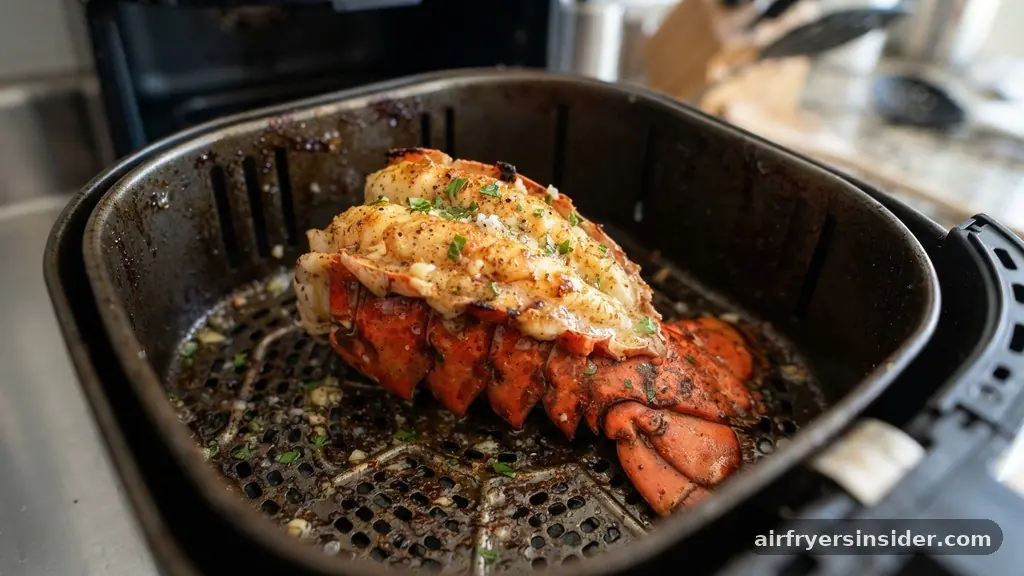
Using an air fryer for seafood is a modern technique that offers distinct advantages over traditional steaming or boiling. Because an air fryer is essentially a high-powered convection oven, it circulates hot air rapidly around the food.
This consistent heat distribution is ideal for delicate proteins like lobster meat. Unlike boiling, where the meat can easily become rubbery if left in the water for even a minute too long, the air fryer creates a gentle roasting effect that locks in natural juices.
Another significant benefit is the ability to infuse flavors directly into the crustacean. When you prepare a butter-based basting sauce, it coats the meat and concentrates during the cooking process. You are essentially roasting the lobster in a flavorful bath of garlic and lemon.
This intensification of flavor is difficult to achieve with water-based cooking methods, which tend to dilute the natural sweetness of the seafood. Additionally, the air fryer is incredibly easy to clean, making it a preferred choice for busy weeknight dinners.
Preparing the Lobster Tail for Success
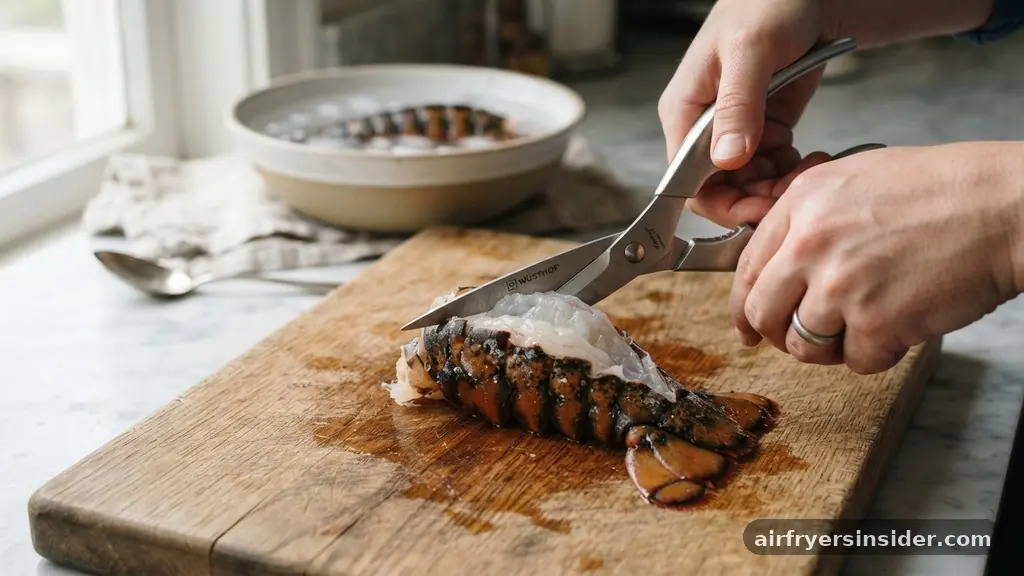
Preparation is the secret to a professional-looking dish. Before you even think about turning on the machine, you need to handle the shell properly. Most people prefer the butterfly method, which involves cutting down the center of the shell with sharp culinary shears.
You want to cut through the top of the shell but stop before you hit the bottom layer. Once the shell is opened, you gently lift the meat out and rest it on top of the shell. This presentation not only looks impressive but also ensures that the meat cooks evenly.
After you have butterflied the tails, make sure they are properly deveined. Use a small knife to remove the dark vein running along the top of the meat. Rinse the tails under cold water and pat them completely dry with paper towels.
Excess moisture on the surface can cause the meat to steam rather than roast, which negatively impacts the texture. Proper drying ensures that your butter and seasonings adhere to the meat properly, creating a beautiful golden-brown finish once the cooking time concludes.
Essential Seasonings and Flavor Profiles
Lobster is a naturally rich ingredient, so it doesn’t need an overwhelming list of spices. A classic combination of melted butter, minced garlic, lemon juice, and a pinch of paprika works wonders.
The butter provides the necessary fat to keep the meat succulent, while the garlic and lemon add brightness that cuts through the richness of the shellfish. Paprika, particularly smoked paprika, adds a subtle depth of flavor and a vibrant color that makes the final dish look restaurant-quality.
You should brush this mixture onto the meat generously before placing the tails in the basket. Some enthusiasts also like to add a sprinkle of fresh parsley at the end for a pop of color and a light, herbaceous finish.
If you enjoy a bit of heat, a tiny pinch of cayenne pepper or red pepper flakes can be incorporated into your butter mixture. The goal is to enhance the natural sweetness of the lobster without masking the delicate flavor that makes it a prized ingredient in the world of seafood.
The Importance of Temperature and Timing
Cooking lobster tail in air fryer hardware requires precision. Because air fryers vary in wattage and size, the internal temperature is your best friend. You should aim for an internal temperature of 145 degrees Fahrenheit.
Using a reliable food thermometer is the only way to guarantee that your lobster is cooked safely without becoming tough or chewy. If the internal temperature is too low, the meat will be translucent and difficult to remove from the shell; if it goes too high, you lose that signature tender texture.
The cooking time usually ranges between seven to ten minutes depending on the size of the tails. Larger tails will naturally require a minute or two more than smaller ones. It is always better to check the temperature a minute early rather than later.
Keep in mind that the residual heat will continue to cook the lobster for a short period after you remove it from the basket. Pulling the tails out just as they hit 140 degrees is often the sweet spot, as they will reach the perfect temperature while they rest on your plate.
Managing Frozen Lobster Tails Properly
Many home cooks find themselves with a frozen lobster tail and no time for a slow overnight thaw. Fortunately, you can cook them from a semi-frozen state with a few adjustments. The most effective method is a quick-thaw technique.
Simply place the sealed tails in a bowl of cold water for about twenty to thirty minutes. Once they are flexible enough to be cut with culinary shears, you can proceed with the standard preparation steps.
If you are in a major rush and must cook them while they are still somewhat icy, you will need to increase your total cooking time by about three to four minutes. It is vital to brush the butter mixture on halfway through the cooking process rather than at the beginning.
This prevents the seasonings from burning before the meat has fully thawed. Always prioritize checking the internal temperature when cooking from frozen, as the density of the meat will be different than that of a fresh, thawed tail.
Common Troubleshooting for Air Fryer Seafood
Even experienced cooks encounter issues when trying new methods. If you find your lobster meat is sticking to the shell, it is usually because the shell was not properly loosened during the butterfly process.
If the meat seems dry, you likely overcooked it or didn’t use enough butter during the basting process. To help you navigate these common pitfalls, refer to the following comparison of cooking variables.
| Variable | Impact on Quality | Best Practice |
|---|---|---|
| Cooking Temperature | Affects browning and texture | Keep between 375°F and 380°F |
| Butter Application | Prevents drying out | Brush before and halfway through |
| Shell Prep | Presentation and even cooking | Use sharp shears for clean cuts |
| Internal Temp | Ensures food safety | Target 145°F exactly |
Equipment Considerations for Different Models
The specific model of your air fryer can influence how your lobster turns out. A Ninja Foodi or a similar high-performance unit may run hotter than a standard basket-style fryer. Because these machines rely on convection, airflow is everything.
Avoid overcrowding the basket. If you are cooking multiple tails, ensure there is at least an inch of space between them so the air can circulate properly. If the tails are touching, the sides will steam rather than roast, leading to an inconsistent texture.
If you have a smaller air fryer, cook the tails in batches. It is far better to have two rounds of perfect lobster than one batch of overcrowded, unevenly cooked seafood. Some models also have a “preheat” function.
While not strictly necessary for every dish, preheating the air fryer for three minutes before adding the lobster ensures that the cooking time starts the moment the basket goes in. This initial blast of heat helps to sear the exterior of the meat slightly, locking in the juices.
Serving Suggestions and Pairings
Once you have mastered the technique, consider how you will serve your meal. Lobster is a versatile protein that pairs well with a variety of sides. To keep the meal light and elegant, serve it with roasted asparagus or a fresh garden salad with a lemon vinaigrette.
For a more indulgent dinner, classic sides like garlic mashed potatoes or creamy risotto are excellent choices. The richness of the butter used during the cooking process often means you don’t need a heavy sauce on the side, though a small ramekin of warm clarified butter is always appreciated by guests.
- Serve with a side of charred lemon halves for a bright, acidic contrast.
- Pair with crusty sourdough bread to soak up any remaining garlic-infused butter.
- Consider a crisp white wine, such as a chilled Chardonnay or Sauvignon Blanc.
- Add a sprinkle of fresh chopped parsley or chives for a professional visual touch.
- Keep the meal balanced by adding a colorful vegetable side like steamed broccoli or glazed carrots.
Addressing Topical Gaps in Seafood Preparation
A common question regarding this method is whether the shell must be left on or removed entirely. While you can remove the shell before cooking, leaving it on during the air frying process acts as a protective barrier.
It prevents the delicate meat from drying out and provides a natural vessel for the butter and garlic. If you remove the meat completely, you are essentially grilling it, which requires significantly less time and carries a higher risk of overcooking.
Another point of confusion involves the use of olive oil versus butter. While olive oil has a higher smoke point and is great for roasting vegetables, butter is the superior choice for lobster. The milk solids in the butter provide a rich, nutty flavor that complements the sweetness of the crustaceans perfectly.
If you are worried about the butter burning, use clarified butter or a mixture of oil and butter. This allows you to achieve the flavor profile of butter while benefiting from the higher smoke point of the oil.
Maximizing Your Culinary Results
To truly elevate your skills, pay attention to the quality of your ingredients. Fresh lobster is always preferred, but high-quality frozen tails can be just as delicious if they are handled correctly. Look for tails that are firm and have a bright color.
Avoid any that look discolored or have ice crystals inside the packaging, as this indicates freezer burn or poor storage. The quality of your butter also matters; using a high-fat European-style butter will provide a noticeably richer finish than standard grocery store varieties.
Finally, do not be afraid to experiment with your seasoning blends. While garlic and lemon are the gold standard, you can introduce other aromatics like smoked paprika, Old Bay, or even a dash of hot sauce.
The air fryer is a forgiving tool once you understand the basic mechanics, so use the first few times to get comfortable with the timing of your specific unit. Once you find the rhythm that works for your kitchen, you will find that this becomes your go-to method for preparing impressive seafood meals with minimal cleanup.
Frequently Asked Questions
Is it possible to overcook lobster in an air fryer?
Yes, it is very easy to overcook lobster. Because air fryers use intense, circulating heat, the meat can transition from perfectly tender to rubbery in less than a minute. Always use a food thermometer to pull the tails when they reach an internal temperature of 145 degrees Fahrenheit.
Do I need to flip the lobster tails while they are cooking?
No, you do not need to flip them. The butterfly method, where the meat is placed on top of the shell, allows the heat to cook the meat evenly from the top down. Flipping them could cause the meat to fall apart or become detached from the shell, ruining the presentation.
Can I cook other seafood in the air fryer at the same time?
You can cook other seafood like shrimp or scallops alongside the lobster, provided they have similar cooking times. However, ensure they do not overlap, as this will block the airflow. It is generally safer to cook different types of seafood in separate batches to ensure each is cooked perfectly.
How do I know when the lobster is fully cooked?
The meat will turn from a translucent gray to an opaque, bright white color. The shell will turn a vibrant red. Most importantly, the meat should feel firm to the touch, and an instant-read thermometer should register 145 degrees Fahrenheit in the thickest part of the tail.
Final Thoughts on Air Fried Lobster
Mastering the art of cooking lobster tail in air fryer equipment is a rewarding skill that brings fine-dining quality into your home kitchen. By focusing on the butterfly preparation, using a reliable thermometer, and carefully managing your butter-based seasonings, you can consistently produce seafood that is both succulent and flavorful. The efficiency of the air fryer removes the guesswork often associated with stovetop methods, allowing you to spend more time enjoying your meal rather than cleaning up after it.
Whether you are a seafood enthusiast or just looking for a quick, impressive dinner option, this technique provides a reliable path to success. Start with a high-quality tail, watch your timing closely, and enjoy the delicious results of your efforts.
Meta Description: Learn how to cook lobster tail in air fryer with this guide. Achieve perfectly succulent, tender results with professional tips on seasoning, timing, and prep.


