

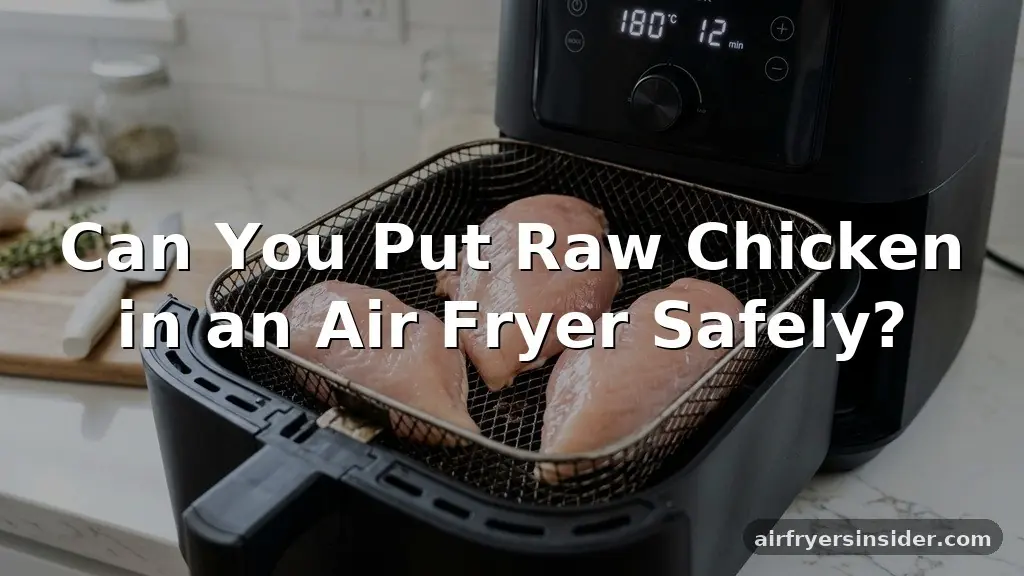
Many home cooks wonder if you can put raw chicken in an air fryer without compromising the quality of the meal or risking food safety. The good news is that the appliance is highly effective for preparing poultry, provided you follow specific handling and temperature protocols.
Because these devices use powerful convection heat to circulate air, they can achieve a crispy, golden exterior while keeping the meat juicy on the inside. By understanding the mechanics of how your machine works and adhering to proper poultry safety, you can transform fresh or frozen cuts into a quick, delicious dinner.
The Mechanics of Air Frying Raw Poultry
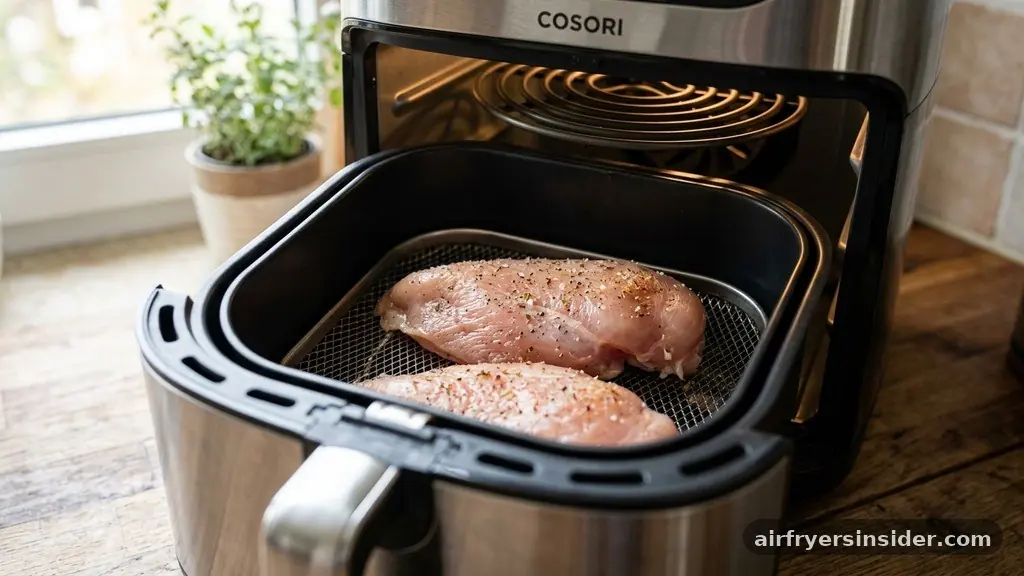
Air fryers are essentially compact convection ovens. They rely on a heating element and a high-powered fan to blast hot air around the food, which mimics the effect of deep frying without the need for excessive oil.
When you place raw chicken inside, the rapid air technology immediately begins to sear the surface. This quick searing process is why chicken cooked in an air fryer often develops a better crust than it would in a conventional oven.
Because the chamber is smaller than a standard oven, the heat is concentrated and efficient. This leads to shorter air fryer cooking time, which is a major benefit for busy families. However, this efficiency also means the exterior can brown much faster than the center reaches the required internal temperature.
You must balance the temperature settings to ensure the heat penetrates the thickest parts of the meat before the outside burns or dries out. Proper spacing is vital; if you overcrowd the basket, the air cannot circulate, leading to uneven cooking and potentially dangerous cold spots where bacteria could survive.
Essential Food Safety and USDA Guidelines
When dealing with raw poultry, your primary focus should always be food hygiene and the prevention of foodborne illness. Following USDA guidelines is non-negotiable.
The most important rule is that chicken must reach a safe internal temperature of 165°F (74°C) to ensure the destruction of harmful pathogens. Relying on visual cues like “no longer pink” is a common mistake that often leads to undercooked food.
You should always use a calibrated meat thermometer to check the thickest part of the chicken breast or thigh. Insert the probe into the center of the meat, avoiding any bone, as the bone can conduct heat and give you a false reading. If you are cooking multiple pieces, check each one individually.
Practicing consistent kitchen sanitization is equally important. After handling raw chicken, wash your hands, utensils, and the air fryer basket thoroughly with hot, soapy water to prevent cross-contamination. Keeping your workspace clean is just as crucial as the cooking process itself.
Managing Cross-Contamination in the Kitchen
Cross-contamination is a significant risk when preparing raw poultry. The air fryer basket, while convenient, can harbor bacteria if not handled correctly.
Never place cooked chicken back into the same container that held the raw meat unless it has been sanitized. It is a good practice to designate a specific cutting board or prep area solely for raw meat preparation to keep your other ingredients, like vegetables or herbs, away from potential salmonella bacteria.
If you are seasoning your chicken, do so in a clean bowl or directly on a sheet of parchment paper that you can discard. Avoid touching seasoning shakers or handles with “chicken hands.” If you must touch something, use a paper towel or sanitize the surface immediately.
By creating a workflow that minimizes contact between raw surfaces and clean areas, you significantly reduce the risk of spreading pathogens. Remember that salmonella prevention is a multi-step process that starts from the moment you take the package out of the refrigerator.
Optimal Temperature and Timing for Different Cuts
Different cuts of poultry require varied approaches to achieve the best results. A chicken breast, which is lean, can dry out if overcooked, while chicken thighs, with their higher fat content, are more forgiving and often turn out juicier. When you decide to put raw chicken in an air fryer, you must adjust your strategy based on the specific piece of meat you are handling.
| Chicken Cut | Typical Temp | Estimated Time |
|---|---|---|
| Boneless Breast | 375°F | 18-22 minutes |
| Bone-in Thighs | 380°F | 22-28 minutes |
| Chicken Wings | 400°F | 20-25 minutes |
The times listed in the table are estimates. Always account for carryover cooking, which is the rise in temperature that occurs after you remove the meat from the heat source.
If your chicken is at 160°F, it will likely reach the safe 165°F threshold during the resting phase. Resting the meat for five minutes after cooking also allows the juices to redistribute, ensuring every bite is moist and flavorful.
The Role of Preheating and Airflow
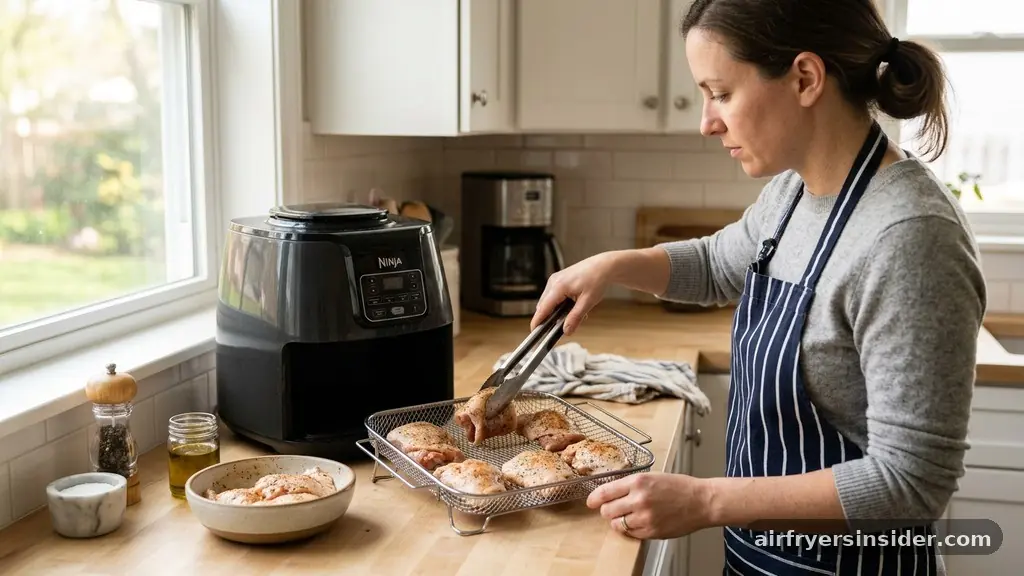
Many people skip the preheating step because the machine is small, but preheating is essential for achieving that sought-after texture. When you put raw chicken into a cold air fryer, the surface temperature rises slowly, which can result in a soggy crust. By letting the unit run for three to five minutes at your target temperature first, you ensure the cooking process starts immediately upon contact.
Airflow is the secret ingredient to success. The air fryer rack or basket must allow air to pass under the meat. If you are cooking a large batch, it is better to cook in two smaller, separate rounds than to pile everything in at once.
If the pieces are touching, they will steam rather than fry. If you are using an air fryer rack, ensure it is clean and lightly oiled to prevent sticking, which can tear the skin or crust during removal.
Addressing Common Topical Gaps
A frequent point of confusion involves whether you can put frozen raw chicken in an air fryer. The answer is yes, but it requires a modified approach.
You should lower the temperature by about 25°F and increase the cooking time to ensure the center thaws and cooks thoroughly before the outside becomes charred. This method is safe, but you must be extra vigilant with your meat thermometer, as frozen meat can have unpredictable cold spots.
Another gap is the use of marinades. While marinades add flavor, excessive liquid can cause smoke or mess inside the unit. If you use a liquid-heavy marinade, pat the chicken dry before placing it in the basket.
Excess moisture prevents the skin from crisping up. If you want to use a sauce, apply it during the last few minutes of cooking to prevent the sugars from burning.
Finally, avoid using aluminum foil to line the entire bottom of the basket, as this blocks the airflow patterns designed by the manufacturer. Instead, use a perforated parchment liner specifically designed for air fryers.
Thermal Equilibrium and Heat Distribution
Understanding thermal equilibrium is key to consistent results. When you place cold chicken into a hot environment, the temperature in the air fryer drops momentarily. This is why you should not overfill the basket.
Each piece of chicken acts as a heat sink, absorbing thermal energy from the air. If you add too much at once, the air temperature plummets, and the appliance will struggle to recover, leading to uneven cooking.
For the best outcomes, keep your chicken pieces roughly the same size. If you are cooking a mix of small tenders and large breasts, the tenders will be overcooked by the time the breasts are safe to eat.
Aim for uniformity in your cuts to keep the cooking time predictable. If you must mix sizes, place the larger pieces toward the center where the airflow is most intense and the smaller pieces toward the edges.
Why Using a Meat Thermometer is Non-Negotiable
You cannot judge the safety of chicken by its color. Even if the juices run clear, the meat might still be below the safe threshold in the center.
A digital meat thermometer is the most reliable tool in your kitchen for poultry safety. When you check the internal temperature, aim for the deepest part of the muscle.
If you find that your chicken is browning too quickly, you can lower the heat and cover the top loosely with a piece of foil for the remainder of the time. This helps the heat reach the core without burning the exterior.
Never guess when it comes to poultry; the risk of foodborne illness is simply too high. Investing in a high-quality, instant-read thermometer will give you the confidence to experiment with different recipes without worrying about safety.
Common Mistakes to Avoid
Even experienced cooks can fall into traps when using an air fryer. One common error is failing to flip the chicken halfway through the cooking time.
While the air circulates, the bottom of the piece often remains cooler than the top. Flipping ensures both sides get equal exposure to the heat, creating a uniform crust.
Another mistake is using too much oil. While a light coating helps with crisping, soaking the chicken in oil can cause the unit to smoke, especially if the oil drips onto the heating element. A light spritz of cooking spray is usually sufficient.
Also, avoid overcrowding the basket. If you cannot see the bottom of the basket between the pieces of meat, you have likely added too much.
Finally, never try to cook a whole chicken that is too large for your specific model. If the chicken is too close to the top heating element, the skin will burn long before the meat is cooked through.
Frequently Asked Questions
Is it safe to air fry raw chicken?
Yes, it is perfectly safe to cook raw chicken in an air fryer. The device functions as a powerful convection oven. As long as you ensure the internal temperature reaches 165°F (74°C) throughout the thickest part of the meat, it is a safe and effective cooking method.
How long does it take to cook raw chicken in an air fryer?
The time varies based on the cut and thickness of the meat. Typically, boneless breasts take 18-22 minutes at 375°F, while bone-in pieces may take 25-30 minutes. Always use a meat thermometer to confirm the chicken is fully cooked rather than relying solely on a timer.
Can you put frozen raw chicken in an air fryer?
You can cook frozen chicken directly in the air fryer, but you should lower the temperature by 25°F and increase the total cooking time. This allows the heat to thaw the center gradually without burning the exterior. Always monitor the internal temperature carefully for safety.
What should you avoid when air frying chicken?
Avoid overcrowding the basket, as this prevents necessary airflow and leads to uneven, soggy results. Never skip the use of a meat thermometer, and avoid using heavy, sugary sauces early in the cooking process, as they will burn quickly under the intense convection heat.
Conclusion
Preparing poultry in an air fryer is a reliable way to get dinner on the table quickly while achieving a professional-quality texture. By keeping your workspace clean, using a thermometer to verify that your chicken reaches the proper internal temperature, and ensuring proper airflow within the basket, you can enjoy perfectly cooked results every time. Whether you are dealing with fresh breasts or frozen thighs, the principles of food safety remain the same.
Take your time to arrange the food properly and always prioritize the health of those you are feeding. With these simple habits in place, you can confidently include air-fried chicken in your regular meal rotation and enjoy the convenience of this modern kitchen tool. Feel free to experiment with your favorite dry rubs and seasonings to find the flavor profiles that your family enjoys most.


