

Learning how to roast peanuts in air fryer is one of those kitchen hacks that completely changes your snacking habits. You get that deep, toasted flavor and satisfying crunch in a fraction of the time it takes in a traditional oven.
By utilizing the intense, rapid convection heating of an air fryer, you can turn raw peanuts into a gourmet treat without heating up your entire kitchen. Whether you crave a lightly salted snack or want to prepare a batch for homemade peanut butter, this method offers precise control over the final texture and roast level.
Why the Air Fryer Excels at Nut Roasting
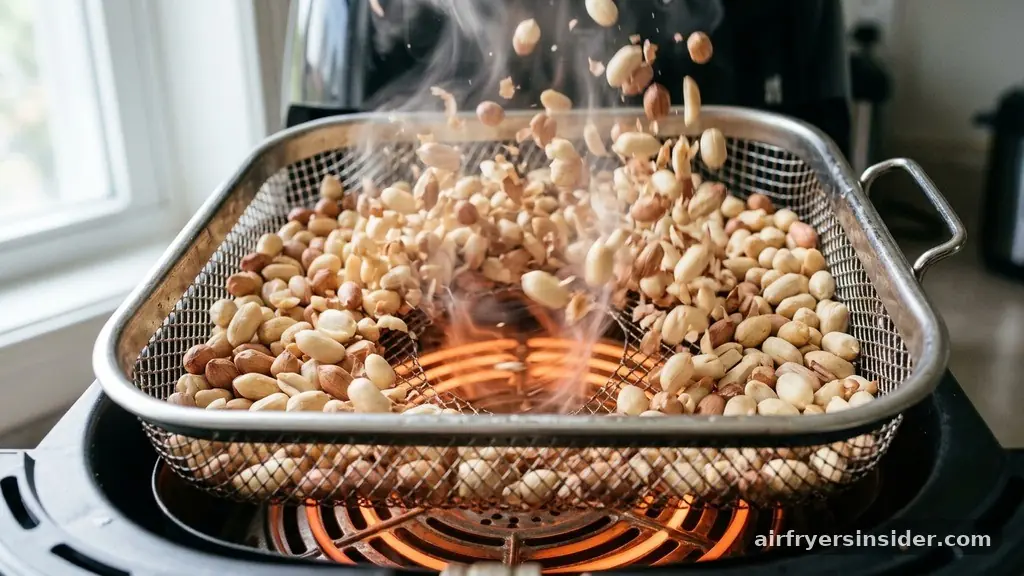
The primary advantage of using an air fryer for this task lies in its compact design. Unlike a large oven that requires significant time to preheat, an air fryer reaches its target cooking temperature almost instantly.
Because the unit is smaller, the fan-driven air circulation is much more concentrated, which is ideal for small items like nuts. This focused heat ensures that every single peanut is exposed to consistent temperatures, preventing the uneven spots often found when using a standard baking sheet.
Furthermore, the mechanical design of the air fryer basket allows heat to penetrate from all sides. This effectively mimics the results of a professional nut roaster. You aren’t just baking the peanuts; you are actively moving them through a vortex of hot air.
This process gently draws out moisture while simultaneously toasting the natural oils within the nut. The result is a superior level of crispness that is difficult to achieve with slower, less efficient cooking methods.
Selecting the Best Peanuts for Roasting
Before you begin, you need to decide between raw peanuts, shelled peanuts, or in-shell peanuts. If you are aiming for a quick, grab-and-go snack, shelled peanuts are the most convenient choice. They take less time to cook and are ready to eat immediately after cooling.
When buying, look for high-quality, uniform kernels to ensure they all roast at the same rate. Uneven sizes can lead to some nuts burning while others remain under-roasted.
If you enjoy the ritual of cracking them open, in-shell peanuts are a fantastic option. Note that these require a slightly longer roasting time because the shell acts as an insulator. You will also need to adjust your salt seasoning strategy, as the salt will mostly stay on the outside of the shell rather than penetrating the nut meat.
Regardless of the type, always check for freshness. Old, rancid nuts will not improve with heat; in fact, the roasting process will only intensify any off-flavors.
The Science of Convection Heating and Nut Texture
Understanding how air circulation works is key to mastering this technique. In a traditional oven, heat radiates from the coils, which can lead to hot spots. In your air fryer, the high-speed fan forces hot air to permeate the spaces between the peanuts.
This constant airflow accelerates the evaporation of surface moisture, which is the secret to achieving that perfect snap. If the air were stagnant, the peanuts would merely steam in their own moisture, resulting in a chewy, lackluster texture.
The rapid movement of air also helps in developing a complex flavor profile. As the surface temperature of the peanut increases, the natural amino acids and sugars undergo a chemical transformation known as the Maillard reaction.
This is responsible for the deep, golden brown color and the savory, toasted aroma we associate with high-quality roasted nuts. By maintaining a steady temperature, you encourage this reaction without crossing the line into bitterness or burnt territory.
Essential Preparation Steps for Success
Preparation is minimal, but it is necessary for the best results. If you prefer your peanuts without the papery outer layer, you might consider blanching them beforehand, though this is entirely optional. Most people find that the air fryer does a decent job of loosening peanut skins during the cooking process.
If you are using an oil coating, use only a tiny amount. A light mist of high smoke point oil like avocado or grapeseed oil is sufficient to help the salt seasoning adhere to the surface.
Avoid crowding the basket. While it is tempting to dump a large bag of peanuts into the unit, doing so will impede airflow. If the peanuts are stacked too high, the ones in the middle will remain raw while the top ones burn.
Aim for a single, even layer at the bottom of the basket. If you must roast a large quantity, it is significantly better to do it in two smaller batches than to try and force a single, overcrowded load.
Managing Roasting Time and Temperature
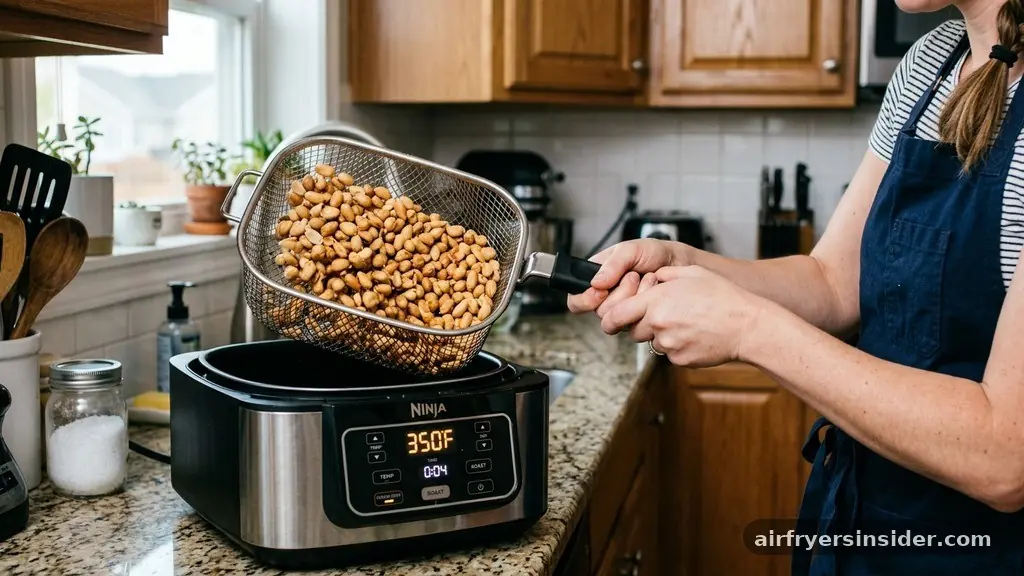
The ideal cooking temperature for most nuts is between 325°F and 350°F. Anything higher risks burning the exterior before the inside has a chance to roast thoroughly.
Start by setting your kitchen timer for 5 to 7 minutes for shelled peanuts, or 10 to 12 minutes for in-shell varieties. These are baseline estimates, and you should always rely on your senses—the smell of the peanuts is the most reliable indicator that they are nearing completion.
Recommended Roasting Settings
| Peanut Type | Temperature | Estimated Time |
|---|---|---|
| Shelled (Raw) | 325°F | 6 – 8 Minutes |
| In-Shell | 350°F | 10 – 14 Minutes |
| Blanched/Salted | 300°F | 5 – 6 Minutes |
The shake basket technique is vital during this phase. Every 3 minutes, pull the basket out and give it a vigorous shake. This ensures that every peanut gets equal exposure to the heat.
If you don’t shake the basket, you will end up with a mix of burnt and raw peanuts, which is a disappointing outcome for any home cook. Keep a close eye on the color; you want a light, uniform golden brown shade.
Handling the Cooling Process
Many beginners make the mistake of eating their peanuts the second they come out of the air fryer. This is a mistake for two reasons. First, the nuts will be incredibly hot, and the residual heat will continue to cook them even after they are removed from the machine.
Second, the texture of a roasted peanut changes significantly as it cools. The fats need a moment to stabilize, and the crispness only fully develops once the nut has dropped to room temperature.
Spread the hot peanuts out on a baking sheet or a cooling rack immediately after removing them from the air fryer. This prevents them from steaming in a pile and keeps them from overcooking due to residual heat.
Resist the urge to add more salt while they are still wet from residual steam. Wait until they are completely cool to the touch before you transfer them to a storage airtight container.
Addressing Common Topical Gaps
A common question involves whether you can roast peanuts without any oil at all. The answer is yes, but you will notice a difference in how the seasoning adheres. If you are strictly avoiding fats, skip the oil coating.
To get the salt to stick, you can try a very light spritz of water or even a tiny amount of honey or maple syrup if you want a sweet and savory profile. However, plain dry-roasted peanuts are perfectly delicious on their own.
Another gap in knowledge is how to handle the skins. If you roast them with the skins on, they will become brittle and start to flake off during the shake basket phase. This is normal.
If you find the skins annoying, you can easily remove them after the peanuts have cooled by rubbing them between two clean kitchen towels. The friction will cause the loose skins to fall away, leaving you with clean, roasted kernels ready for snacking or processing into peanut butter.
Storing and Shelf Life
Proper storage is essential to maintain the quality of your roasted snacks. Because roasting draws out moisture, you must keep them in a moisture-free environment. A glass jar or a high-quality BPA-free plastic container with a tight-sealing lid is perfect.
If you have roasted a large batch, keep them in a cool, dark place like your pantry. They should remain fresh for about two to three weeks.
If you want to extend their shelf life, you can store them in the refrigerator or freezer. The cold environment slows down the oxidation of the natural oils, which is what eventually causes nuts to go rancid.
When you take them out of the freezer, let them come to room temperature before opening the container. This prevents condensation from forming inside the jar, which would ruin the crispness you worked so hard to achieve.
Creative Flavor Variations
Once you have mastered the basic technique, you can experiment with different seasonings. The neutral flavor of a roasted peanut is a blank canvas for your spice rack. Consider these popular combinations:
- Spicy Cajun: Toss with cayenne pepper, garlic powder, and a touch of smoked paprika.
- Sweet & Salty: Combine brown sugar, a pinch of cinnamon, and sea salt.
- Lime Chili: Use lime zest and chili powder for a zesty, refreshing snack.
- Garlic Herb: Mix with dried rosemary, thyme, and garlic salt for a savory profile.
Always add your seasonings immediately after the roasting process while the nuts are still slightly tacky, or use a very thin layer of oil to help the dry spices stick. If you are using fresh herbs, add them at the very end to avoid burning them.
These homemade snacks are far superior to store-bought versions, which often contain excessive preservatives and low-quality oils. By making them yourself, you control exactly what goes into your body, making them a staple in your healthy snacks rotation.
Frequently Asked Questions
Can I roast raw peanuts directly in the air fryer?
Yes, you can absolutely roast raw peanuts in an air fryer. It is actually the preferred method for many because it is significantly faster than using an oven. Just ensure you spread them in a single layer and use the shake basket technique to ensure even browning.
How do I know when the peanuts are fully roasted?
The best way to tell is by the color and the aroma. You are looking for a light golden brown color and a distinct, nutty smell. If they start to turn dark brown, they are likely over-roasted and may taste bitter. Always perform a taste test after the cooling time.
What is the difference between air frying and oven roasting?
The main difference is the intensity of the airflow. An air fryer uses a powerful convection fan to circulate heat rapidly, which results in a crunchier texture in less time. An oven relies on radiant heat, which is slower and can lead to uneven roasting if the nuts aren’t stirred frequently.
Should I preheat my air fryer before adding the peanuts?
Preheating is generally recommended for consistent results. Even just 2 to 3 minutes of preheating ensures that the air fryer is at the target temperature the moment you insert the basket. This allows the roasting process to begin immediately, which is crucial for achieving the perfect crunch.
Conclusion
Mastering the art of roasting peanuts in an air fryer is a simple way to elevate your pantry staples. By following these techniques—maintaining a single layer in the basket, shaking periodically, and allowing for proper cooling—you can consistently produce professional-grade roasted nuts. This process is not only faster than traditional methods but also allows for endless customization with your favorite spices.
Whether you are preparing a healthy snack for the week or gathering ingredients for homemade peanut butter, you now have the knowledge to achieve the perfect roast every time. Start with a small batch to find your preferred level of crispness, and don’t be afraid to experiment with new flavor combinations in your next air frying session.
Meta Description: Learn how to roast peanuts in air fryer with this easy guide. Get perfectly crispy, golden brown results every time using simple techniques.


