


Learning how to cook acorn squash in air fryer is one of the most efficient ways to prepare this seasonal vegetable. By utilizing the rapid circulation of hot air, you can achieve a perfect balance of a crispy exterior and a tender, buttery interior in a fraction of the time required by a conventional oven.
Whether you are looking for a quick weeknight side dish or a nutritious addition to your holiday spread, mastering this technique ensures consistent results. This method bypasses the long preheating times of traditional roasting, allowing you to enjoy the natural sweetness and fiber content of the squash with minimal effort.
The Benefits of Using an Air Fryer for Squash
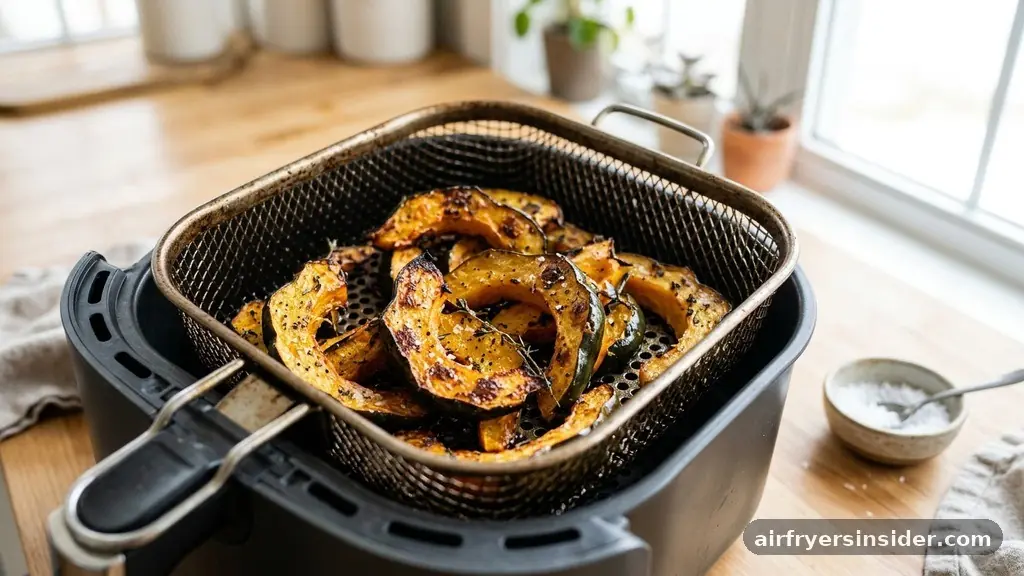
The air fryer has become a staple kitchen gadget for good reason. When you cook acorn squash in air fryer baskets or trays, you are essentially harnessing the power of convection cooking to dehydrate the surface of the vegetable while steaming the interior.
Unlike deep frying, this process requires only a light coating of oil, making it a much healthier alternative for daily meals. The intense heat circulation promotes rapid caramelization, which intensifies the natural sugars found in the flesh of the squash.
Because the unit is smaller than a standard oven, it reaches the desired temperature almost instantly. This efficiency is particularly useful when you need to prepare a healthy side dish on short notice.
Furthermore, the contained environment of the air fryer prevents the kitchen from heating up, which is a significant advantage during warmer months or when your main oven is occupied by a roast or holiday bird. By adjusting your temperature settings, you can achieve anything from a soft, mashable texture to a slightly charred, crispy edge that adds depth to your meal.
Essential Preparation and Knife Safety
Before you begin the actual cooking process, proper vegetable preparation is paramount. Acorn squash features a thick, ridged skin that can be challenging to slice through.
To ensure knife safety, always use a sharp, heavy-duty chef’s knife and a stable cutting board. If the squash is particularly stubborn, you can microwave it for two to three minutes to soften the rind slightly, making it much easier to cut into halves.
Once you have halved the squash, the next step involves meticulous seed removal. Use a sturdy metal spoon to scrape out the stringy fibers and seeds from the center cavity. You can save these seeds to roast separately if you like, as they are nutrient-dense and delicious.
After cleaning, you may choose to slice the halves into wedges or leave them as halves, depending on the capacity of your air fryer basket. Ensure the pieces are uniform in size to guarantee even cooking throughout the process.
Selecting and Applying Your Seasonings
The beauty of cooking acorn squash in air fryer is its versatility. Because the vegetable has a relatively mild, nutty flavor, it acts as a blank canvas for both sweet and savory profiles.
For a classic sweet approach, brush the flesh with a mixture of melted butter or olive oil, followed by a light dusting of brown sugar, cinnamon, and a pinch of nutmeg. The heat will cause the sugar to melt and create a delicious glaze that pairs perfectly with the earthiness of the squash.
If you prefer a savory side dish, olive oil is your best friend. Rub the interior with high-quality oil and sprinkle it with kosher salt, cracked black pepper, and fresh or dried herbs like rosemary, thyme, or sage.
For an extra layer of flavor, consider adding a sprinkle of parmesan cheese during the last few minutes of cooking. The cheese will melt into the crevices, adding a salty, umami kick that contrasts beautifully with the soft, sweet flesh of the vegetable.
Optimizing Temperature Settings and Timing
Achieving the perfect texture requires balancing your temperature settings with the density of the vegetable. Generally, a temperature of 375°F (190°C) is ideal for roasting acorn squash.
This temperature is high enough to encourage browning on the edges without burning the delicate sugars or drying out the interior. If you find your squash is browning too quickly, you can lower the heat to 350°F and extend the cooking time by a few minutes.
Cooking time will vary based on the size of the squash and whether you have cut it into halves or smaller wedges. On average, you should expect the process to take between 15 and 25 minutes. It is vital to check for doneness by piercing the thickest part of the flesh with a fork.
If the fork slides in with no resistance, your squash is ready. Remember that air fryers vary in power, so the first time you attempt this, keep a close eye on the progress at the 12-minute mark to ensure you don’t overcook it.
Common Mistakes to Avoid

Even with a simple process, there are common pitfalls that can affect the final quality of your dish. One of the most frequent mistakes is overcrowding the air fryer basket.
For the hot air to circulate effectively, the squash pieces need space; if they are packed too tightly, they will steam rather than roast, resulting in a mushy texture. If you are cooking a larger squash, it is far better to work in two batches than to force everything into the basket at once.
Another mistake involves neglecting to coat the squash properly. While you don’t need a deep-fryer level of oil, a light layer is necessary to conduct heat and assist in the caramelization process. Without oil, the surface can become dry and leathery before the center is fully cooked.
Additionally, avoid seasoning with sugar too early if you are cooking at very high heat, as the sugar can burn and become bitter. If you want a heavy glaze, apply it during the final five minutes of the cycle.
Comparing Cooking Methods
To understand why the air fryer is often preferred, it helps to look at how it stacks up against traditional methods. The following table provides a quick look at the differences in preparation and outcome.
| Method | Cooking Time | Texture | Energy Usage |
|---|---|---|---|
| Air Fryer | 15-25 mins | Crispy edges, tender center | Low |
| Conventional Oven | 45-60 mins | Uniformly soft | High |
| Microwave | 8-10 mins | Very soft, no crisp | Low |
As shown, the air fryer offers the best compromise between speed and texture. While the microwave is faster, it fails to provide the Maillard reaction that creates the crispy, caramelized bits that define a great roasted vegetable dish. The oven provides excellent results but requires a significant time investment for preheating and slow roasting.
Addressing Topical Gaps: Troubleshooting and Variations
Many home cooks wonder about food safety and specific variations when learning how to cook acorn squash in air fryer. One common gap in information is how to handle stuffed squash.
If you want to cook a stuffed version, ensure the stuffing ingredients—such as cooked sausage, breadcrumbs, or quinoa—are already pre-cooked. The air fryer will effectively heat the squash and crisp the top of your stuffing, but it won’t cook raw meat or grains in the center of the squash within the standard timeframe.
Another concern is whether to leave the skin on or off. The skin of an acorn squash is edible once cooked, and it provides a great structural base that keeps the squash from falling apart during the process.
If you prefer to eat it without the skin, it is much easier to scoop the flesh out with a spoon after it has been cooked. Simply roast the halves skin-side down, and once tender, the flesh will release easily from the rind.
Tips for Consistent Success
Consistency comes down to preparation and monitoring. When you are learning how to cook acorn squash in air fryer, start by selecting squash that feels heavy for its size, which indicates high moisture content and freshness.
Avoid squash with soft spots or deep cracks in the skin, as these can harbor bacteria. Once you have your produce, keep these tips in mind:
- Use a high-smoke point oil like avocado or grapeseed oil if you are planning to cook at higher temperatures.
- Place the squash skin-side down first to protect the flesh from the direct heat of the element.
- Don’t be afraid to flip the pieces halfway through if your air fryer has a heating element located only at the top.
- Use a digital thermometer if you are unsure about the doneness; the internal temperature should reach at least 195°F for a perfectly tender result.
- Allow the squash to rest for two minutes after removing it from the basket; this helps the moisture redistribute and makes the texture more uniform.
Integrating Squash into Your Diet
Acorn squash is a nutritional powerhouse, packed with fiber content, vitamin A, and vitamin C. Incorporating it into your regular meal rotation is an excellent way to boost your intake of essential micronutrients.
Because it is so easy to prepare, you can incorporate it into various dishes. You might use the roasted flesh as a base for a creamy soup, toss cubes into a fall-inspired salad, or serve it as a standalone side dish alongside roasted chicken or pork chops.
By mastering the air fryer method, you transform a vegetable that many people find intimidating into a quick, accessible option. It encourages you to experiment with different spice blends, from smoky paprika and cumin to sweet maple syrup and cinnamon. The more you practice, the better you will become at judging the perfect cook time for your specific machine, allowing you to produce restaurant-quality sides with minimal fuss.
Frequently Asked Questions
Do I need to peel the acorn squash before air frying?
No, you do not need to peel it. The skin of an acorn squash is thin and becomes tender enough to eat after roasting. Leaving the skin on also helps the squash halves hold their shape during the cooking process.
Can I cook frozen acorn squash in the air fryer?
It is not recommended to cook frozen squash directly in the air fryer. The excess moisture from the ice crystals will prevent the squash from browning and will result in a mushy, waterlogged texture. Always thaw and pat the vegetable dry before seasoning and cooking.
What if my air fryer is too small for the squash?
If your squash is too large to fit in the basket, slice it into smaller wedges or cubes. Smaller pieces actually cook more quickly and evenly than full halves. Just be sure to adjust your cooking time downward to prevent the smaller pieces from drying out.
How do I know when the squash is fully cooked?
The best way to test for doneness is to use a fork or a sharp knife. When the squash is ready, the fork should slide into the thickest part of the flesh with no resistance. The edges should also appear slightly golden or browned.
Conclusion
Mastering how to cook acorn squash in air fryer is a simple way to elevate your home cooking with minimal effort. By following the steps outlined, you can enjoy a nutritious, flavorful side dish that works for any occasion. Whether you prefer the sweet notes of maple syrup and cinnamon or a savory herb-infused profile, this method consistently delivers a satisfying texture and deep, roasted flavor.
Remember to prioritize safety while preparing the squash, watch your timing closely, and don’t hesitate to experiment with your favorite seasonings. With a bit of practice, you will find this becomes your go-to method for preparing winter squash throughout the season. Give it a try this week and see how much easier your vegetable prep can be.
Meta Description: Learn how to cook acorn squash in air fryer perfectly with this guide. Discover tips for timing, seasoning, and prep to get crispy, tender results every time.


