

Mastering the art of reheating chicken strips in an air fryer is the secret to enjoying last night’s dinner without sacrificing the quality of the original meal. When you use the right technique, you can transform soggy, refrigerated leftovers into a dish that tastes nearly as fresh as the day it was prepared.
The secret lies in the unique way this kitchen appliance circulates heat, which is far superior to the uneven warming of a microwave. By following a few simple adjustments to your temperature and timing, you will achieve that signature crunch and juicy interior every single time you need to warm up a quick lunch or snack.
Why the Air Fryer Excels at Reviving Leftovers
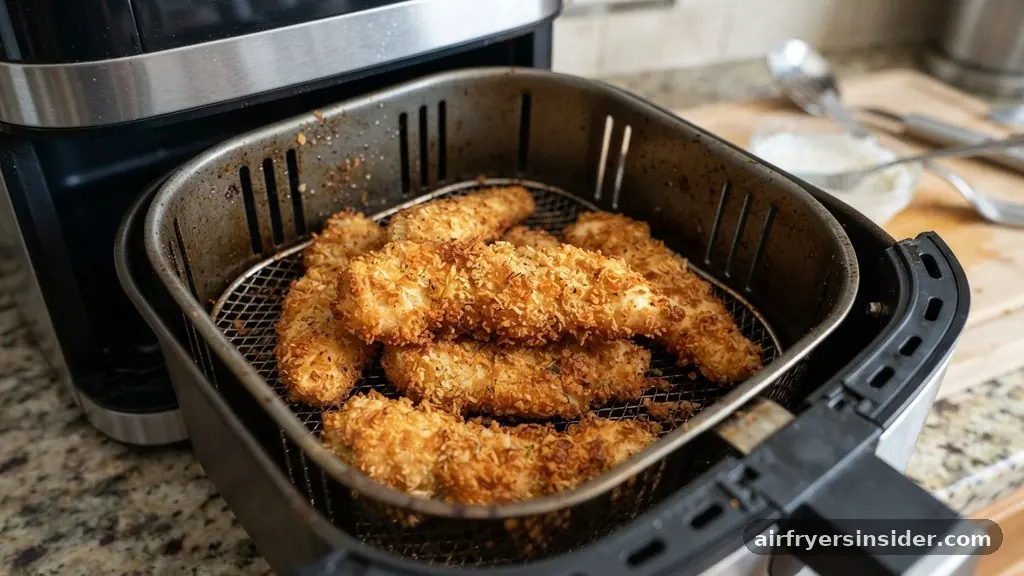
The primary reason to choose an air fryer over other kitchen appliances is its ability to mimic the effects of deep frying through intense convection heating. Unlike a microwave, which heats food by exciting water molecules, the air fryer uses a powerful fan to blast hot air around the food. This process is essential for breaded chicken because it helps evaporate excess moisture trapped in the coating, which is the main culprit behind that unappealing, rubbery texture often associated with reheating.
When you reheat chicken strips in an air fryer, you are essentially re-toasting the exterior. The rapid air circulation ensures that the heat penetrates the breading uniformly, allowing the surface to crisp up while the center remains moist.
This method preserves the structural integrity of the breaded chicken, preventing the soggy mess that occurs when steam gets trapped in a microwave’s confined space. It is the most effective way to restore the golden brown finish that you initially enjoyed.
Preparing Your Leftover Chicken Tenders for Success
Before you even plug in your device, there are a few preparatory steps that ensure the best outcome. First, take your leftover chicken tenders out of the refrigerator about 10 to 15 minutes before cooking.
This helps take the chill off the meat, allowing it to reach a safe internal temperature more quickly without burning the exterior breading. If the chicken is ice-cold, the outside might become over-browned while the center remains lukewarm.
Next, examine the condition of the strips. If they have been sitting in a container with a lot of condensation, pat them dry with a paper towel. Removing surface moisture is crucial for achieving that crispy texture.
You can also lightly brush or spray the chicken with a tiny amount of oil. While the breading already contains oil from the initial cooking process, a light misting helps reactivate the crunch and ensures the surface turns a beautiful, appetizing golden brown.
The Optimal Temperature Settings
Determining the right reheating temperature is a balancing act between warming the center and crisping the exterior. Most experts recommend setting your air fryer between 350°F and 375°F.
If you go too high, you risk burning the breading before the heat reaches the middle of the strip. If you go too low, you may end up with greasy, under-crisped chicken.
For most standard-sized chicken strips, 360°F is the “sweet spot.” This temperature is high enough to facilitate the Maillard reaction—the chemical process that creates flavor and color in browned foods—without causing the breading to char.
If you are dealing with particularly thick strips, lean toward 350°F and extend the reheat time slightly to ensure the heat penetrates fully without compromising the outer layer. Consistency in temperature is the hallmark of a perfectly reheated meal.
Managing Reheat Time for Maximum Quality
The time required depends heavily on the thickness of the chicken and the specific model of your air fryer. Generally, you should plan for a reheat time of 4 to 6 minutes.
It is best to start checking for doneness at the four-minute mark. Because air fryers are incredibly efficient, it is very easy to go from “perfectly crispy” to “overcooked” in a matter of seconds.
Tips for Perfect Timing
- Set a timer for 4 minutes initially; you can always add more time.
- Flip the chicken strips halfway through the cooking process to ensure even browning.
- If the strips are small or thin, they may be done in as little as 3 minutes.
- Avoid overcrowding the air fryer basket, as this restricts airflow and leads to soggy patches.
If you are reheating a large batch, it is better to do it in two separate rounds rather than stacking the chicken. Proper airflow is the engine of the air fryer, and when you block that flow, you lose the benefits of the technology.
Addressing Topical Gaps in Reheating Techniques
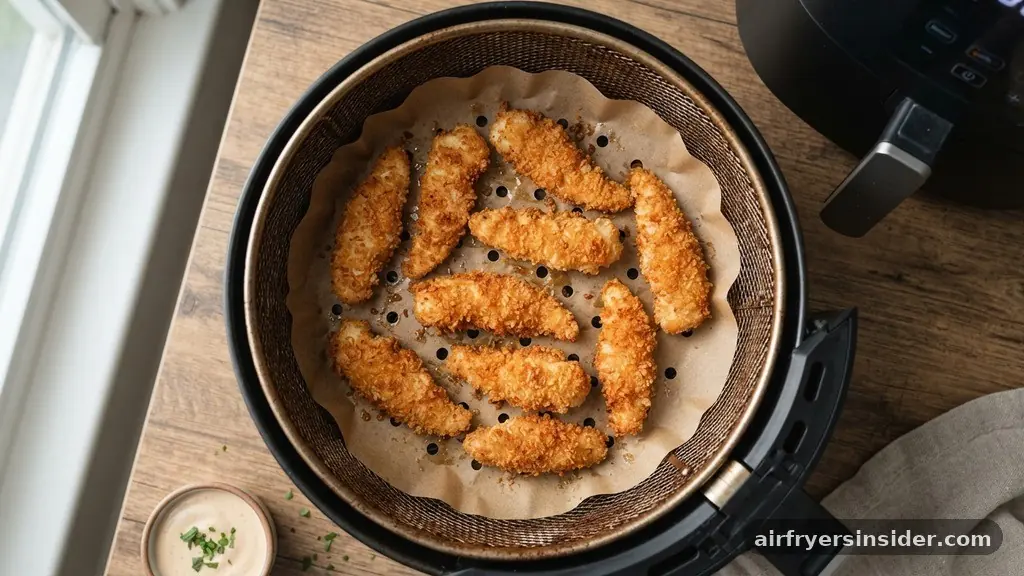
Many people wonder if they can use parchment paper to make cleanup easier, and the answer is yes, but with a caveat. While parchment paper prevents crumbs from sticking to the bottom of the air fryer basket, it can also inhibit the downward circulation of air.
If you choose to use it, ensure that the paper has holes designed for air fryers or that it does not cover the entire surface area of the basket floor. This allows the rapid air circulation to continue working its magic on the underside of your chicken.
Another common concern involves food safety. While the chicken was already cooked, it is vital to ensure it reaches a safe internal temperature again. Using a food thermometer is the most accurate way to verify this.
You want the center of the thickest part of the strip to reach at least 165°F. This ensures that any bacteria that might have developed during storage are eliminated, keeping your meal safe and delicious.
Comparing Reheating Methods
Understanding how the air fryer stacks up against other common kitchen appliances helps put its efficiency into perspective. The table below illustrates why many home cooks prefer the air fryer for this specific task.
| Method | Texture Result | Time Required | Ease of Use |
|---|---|---|---|
| Air Fryer | Crispy and fresh | 4-6 minutes | High |
| Microwave | Soft and soggy | 1-2 minutes | Very High |
| Oven | Good, but slow | 15-20 minutes | Moderate |
| Stovetop | Oily | 8-10 minutes | Low |
As shown, the air fryer offers the best balance of speed and quality. While a microwave is faster, it fails to deliver the texture that defines a good piece of breaded chicken. The oven provides a decent result, but the wait time is often too long for a quick lunch or a late-night snack.
The Role of Oil Misting and Breading Moisture
When you reheat fried chicken, the biggest challenge is dealing with breading moisture. Breaded chicken often loses its crunch because the starch in the coating absorbs moisture from the meat as it sits in the fridge.
This makes the coating heavy and limp. By using an air fryer, you are effectively dehydrating that surface layer again.
Adding a light oil misting can help this process significantly. The oil acts as a heat conductor, helping the breading fry slightly as it warms. This creates a barrier that helps push the internal steam out rather than letting it settle into the crust.
Do not overdo it, though. A fine mist is all that is required. If you use too much oil, the breading can become greasy or heavy, which defeats the purpose of the air fryer’s light-crisp finish.
Avoiding Common Mistakes
One of the most frequent errors is not preheating the device. Just like a traditional oven, your air fryer benefits from being at the target temperature before the food goes in.
Preheating for 2 to 3 minutes ensures that the cooking process starts immediately upon contact. Without preheating, the chicken spends extra time in the basket while the unit warms up, which can lead to the breading absorbing more moisture from the interior of the meat, resulting in a less desirable texture.
Another mistake is failing to shake or flip the items. Because the heat source is typically located at the top of the unit, the tops of your chicken strips will brown much faster than the sides facing the basket.
A simple flip halfway through the reheat time ensures that the entire strip is uniformly crisp and golden brown. If you neglect this, you might end up with one side that is perfectly crunchy and another that remains soft or unappealing.
Storage Tips for Optimal Reheating
The quality of your reheated meal starts with how you store the leftovers. If you plan to reheat your chicken, store it in an airtight container as soon as it has cooled down to room temperature. Storing it while it is still steaming hot will trap excess moisture in the container, leading to soggier breading the next day.
If you have a large amount of leftovers, consider placing a paper towel at the bottom of the container. This simple trick helps absorb excess moisture while the chicken is in the refrigerator, meaning there is less work for your air fryer to do later. By taking care of your leftover storage, you ensure that the breading remains as dry as possible, making the reheating process much more effective when you are finally ready to eat.
Frequently Asked Questions
Is it safe to reheat chicken strips more than once?
It is generally recommended to reheat chicken only once. Every time you fluctuate the temperature of meat, you increase the risk of bacterial growth if it stays in the “danger zone” for too long. For the best food safety and quality, only reheat the amount you intend to eat.
Can I reheat frozen breaded chicken strips directly in the air fryer?
Yes, you can. You do not need to thaw them first. Simply increase the reheat time by about 2 to 3 minutes to account for the frozen center. Keep the temperature at 360°F to ensure the breading does not burn before the chicken is cooked through to 165°F.
What should I do if my chicken strips are still cold in the middle?
If the outside is crispy but the center is cold, lower the temperature by 25 degrees and continue cooking for another 2 to 3 minutes. This allows the heat to migrate toward the center of the meat without further browning the already crispy exterior.
How do I keep the breading from falling off?
Handle the chicken gently when flipping it. If the breading is already loose, using tongs can sometimes tear it further. Try using a spatula to turn the strips, which provides more support to the crust. Also, avoid stacking the strips, which can cause them to stick together.
Successfully warming up your leftovers is all about controlling moisture and heat. By using the air fryer, you avoid the pitfalls of the microwave and the slow wait times of a conventional oven. Remember to preheat your device, use a light mist of oil if needed, and always flip your strips for even coverage.
These small steps make a massive difference in the final texture and flavor of your meal. Whether you are prepping a quick lunch or salvaging a delicious dinner, these techniques ensure your food stays crispy and enjoyable. If you found these tips helpful, try them out next time you have leftovers and see the difference for yourself.


