

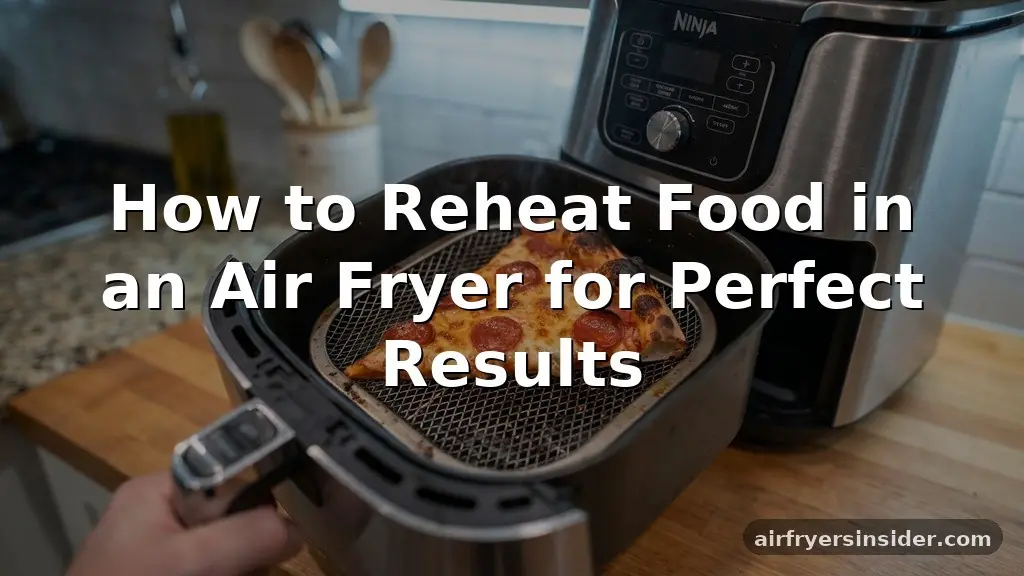
Reheating leftovers often feels like a gamble between soggy textures and burnt edges, but learning how to reheat food in an air fryer changes the entire equation. Unlike standard microwaves that rely on steam to warm food, an air fryer uses powerful convection heating to restore the original texture of your favorite meals.
Whether you are dealing with cold pizza or leftover fried chicken, this method ensures your food tastes almost as fresh as it did the first time. By mastering a few simple adjustments, you can transform yesterday’s dinner into a crispy, delicious meal that avoids the dreaded microwave slump.
The Science Behind Air Fryer Reheating
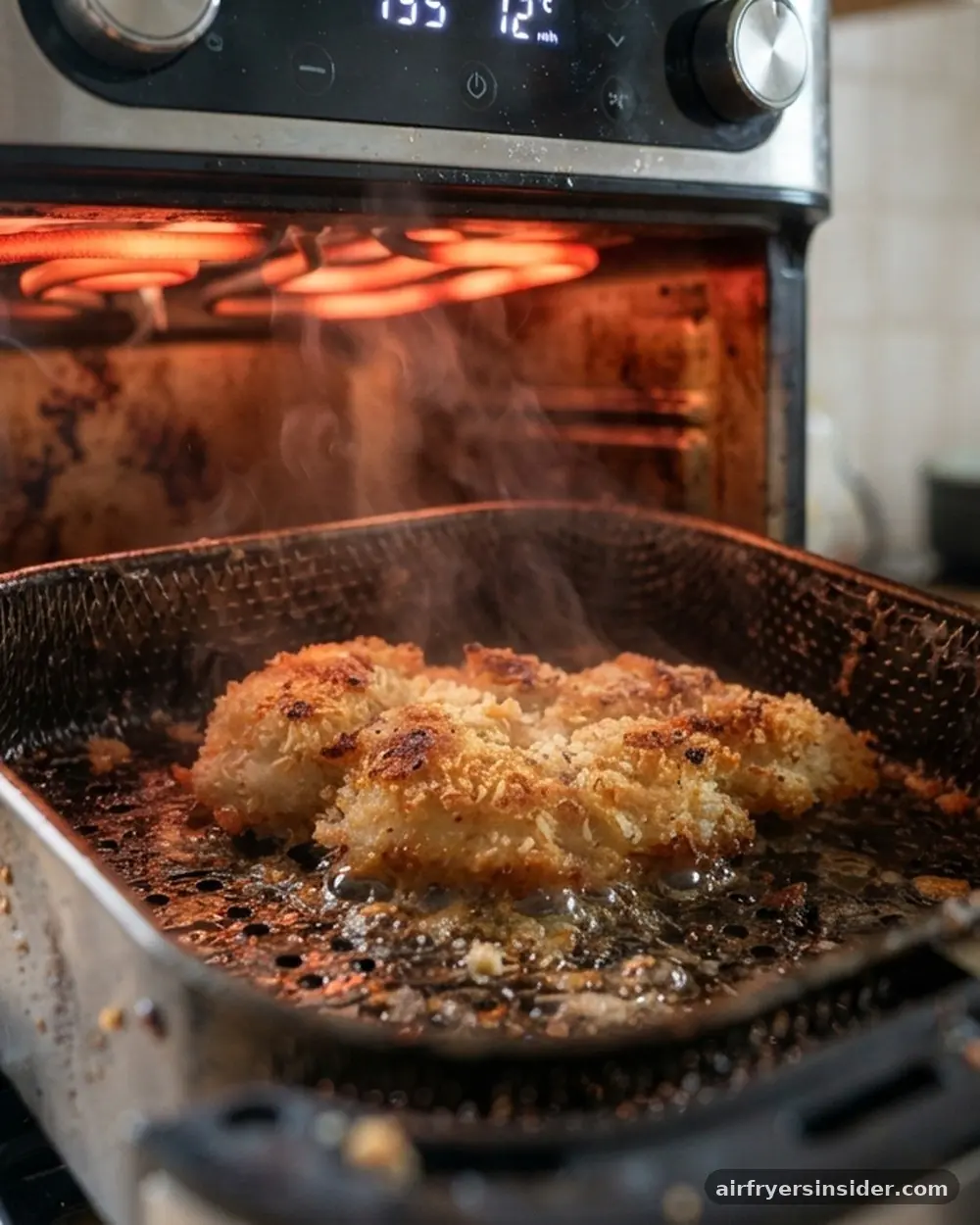
At its core, an air fryer is a miniature, high-powered convection oven. It features a concentrated heating element located at the top and a high-speed fan that drives hot air downward. This process, known as thermal circulation, ensures that heat is distributed evenly around the food.
When you place refrigerated items into the basket, the moving air strips away moisture from the surface while heating the interior. This is the primary reason why air fryers excel at crisping up breading and crusts that usually become rubbery in other appliances.
Understanding this mechanism helps you predict how your food will behave during the process. Because the air is constantly moving, it cooks significantly faster than a traditional oven. If you set the temperature too high, the surface will char before the center is warm.
Conversely, using too low a heat can dry out the food before it reaches a safe internal temperature. Balancing the airflow with the right heat intensity is the secret to achieving that perfect, restaurant-quality reheat every single time you use the device.
Comparison with Microwaves
The debate between using a microwave and an air fryer often centers on speed versus quality. While a microwave is faster for tasks like heating soup or liquids, it excels at vibrating water molecules to generate heat. This creates steam inside the food, which is why bread goes soft and fried foods lose their crunch.
In contrast, an air fryer focuses on dry heat and rapid air movement, which mimics the original cooking method for many dishes. It essentially “re-bakes” or “re-fries” the item rather than just warming it through.
Choosing the right tool depends on what you are eating. If you have a bowl of pasta with a thin sauce, a microwave is perfectly acceptable. However, for anything that relies on a structural crust or a specific surface texture, the air fryer is superior.
You sacrifice a minute or two of time, but the gain in palatability is immense. Many home cooks find that keeping both appliances on the counter provides the best flexibility for managing leftovers throughout the week.
| Feature | Air Fryer | Microwave |
|---|---|---|
| Texture Restoration | Excellent (Crispy) | Poor (Soft/Soggy) |
| Reheating Speed | Moderate | Very Fast |
| Best For | Fried foods, pizza, roasted veg | Soups, stews, liquids |
| Surface Browning | Yes | No |
Temperature Settings and Timing
Getting the temperature settings and timing right is the most critical step in the process. Most people make the mistake of using the same temperature they used to cook the food originally. For reheating, you generally want to drop the heat by about 20 to 30 degrees Fahrenheit.
A lower temperature allows the heat to penetrate the center of the food without burning the exterior. For most items, 320 to 350 degrees Fahrenheit is the sweet spot for gentle, effective warming.
Timing is equally important, as food can go from perfectly reheated to burnt in a matter of seconds. Start with a shorter window—usually three to five minutes—and evaluate the results before adding more time.
Small items like fries or bite-sized nuggets will finish quickly, while thicker items like a chicken breast or a slice of lasagna will require a longer duration. Always keep an eye on the clock, especially during the final minute of the cycle, to avoid over-cooking.
Common Foods and Reheating Tips
Not all foods react the same way to intense, circulating air. Pizza is perhaps the most famous candidate for air fryer reheating; the crust regains its snap, and the cheese bubbles perfectly.
To get the best results, place the slices in a single layer and avoid overcrowding the basket. If you are reheating fried chicken, the skin will crisp up remarkably well, often tasting better than it did after sitting in the fridge for twelve hours.
Roasted vegetables also benefit from this method, as the air fryer removes the excess moisture that accumulates in the refrigerator. If you are dealing with dense items like a baked potato, you might need to flip them halfway through to ensure even heat distribution.
Avoid putting foods with very thin, watery sauces in the air fryer basket directly, as they can drip into the heating element and cause smoke. Using a small, heat-safe dish for saucy items is a great way to handle these challenges.
- Pizza: Heat at 350°F for 3-4 minutes for a crispy crust.
- Fried Chicken: Use 375°F for 5-8 minutes to restore the crunch.
- Roasted Vegetables: Toss with a light spray of oil and heat at 350°F for 5 minutes.
- Steak or Thick Meats: Use a lower 300°F setting to prevent drying out.
- Breaded Items: Keep the temperature moderate to avoid burning the crumbs.
Using Accessories and Safety
Accessories can make the process of reheating food in an air fryer much easier and cleaner. Silicone liners are a popular choice because they catch crumbs and oils, making cleanup a breeze.
However, be mindful that using a liner can sometimes restrict the basket airflow, which might slightly increase your required cooking time. If you need to reheat a dish that contains sauce, using an oven-safe container or a small metal tin is the safest approach to prevent messes.
Safety should always be your top priority. Never place parchment paper or aluminum foil in the unit without food to weigh it down, as these materials can be sucked into the heating element by the fan. This creates a significant fire hazard.
Additionally, always ensure that your unit is placed on a heat-resistant surface with plenty of clearance around the back and sides. Proper ventilation is essential for the air fryer to function safely and efficiently while it processes your leftovers.
Addressing Topical Gaps
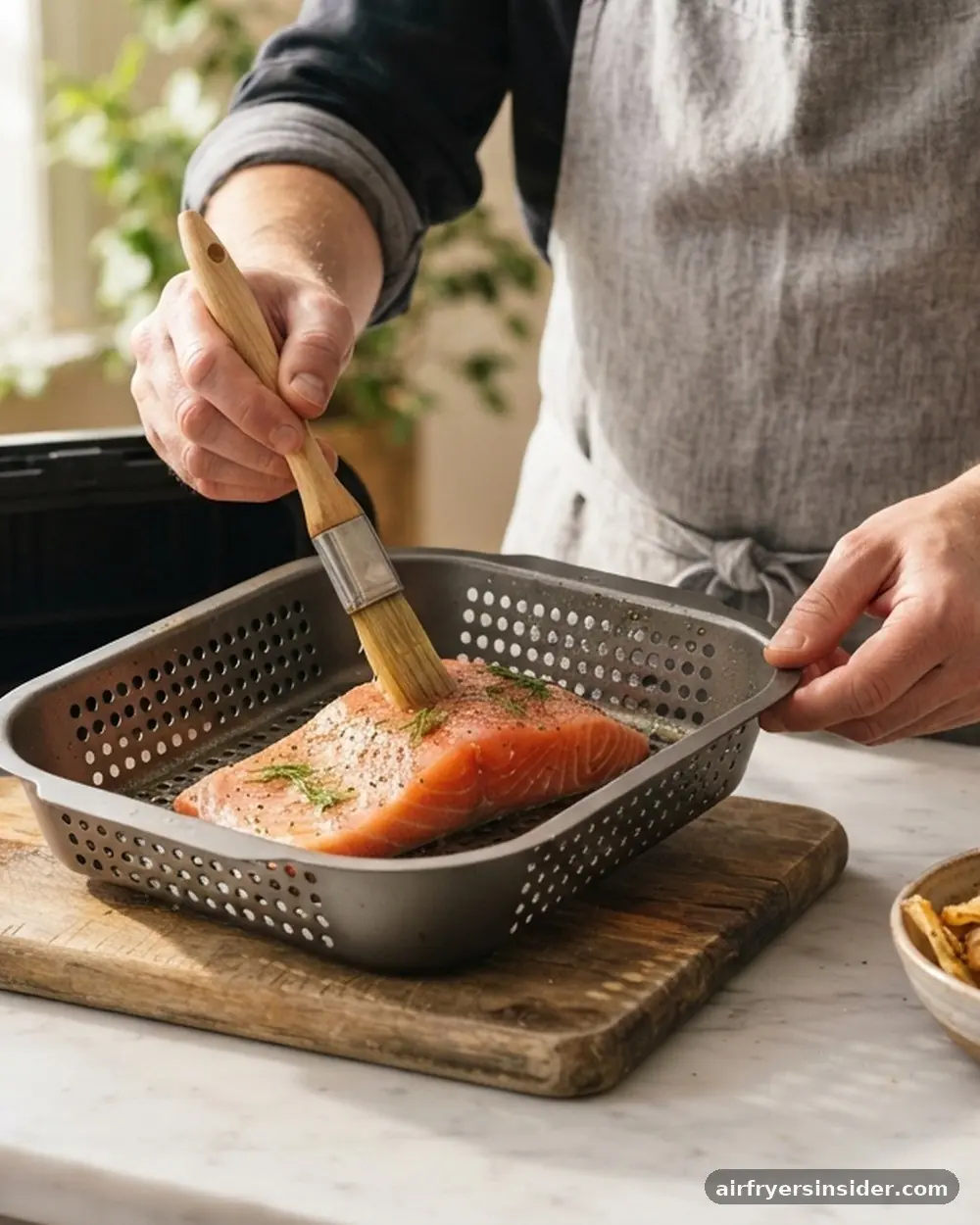
One common question is how to handle foods that might dry out during the reheating process. If you find your food is losing too much moisture, a light mist of water or a tiny brush of oil can help. This provides a bit of steam and fat to keep the surface hydrated while the internal temperature rises.
Another gap in knowledge is how to reheat items with different densities simultaneously. The best practice is to group foods by size and density; don’t try to reheat a thick piece of salmon alongside a handful of thin potato chips.
You should also consider the wattage of your specific air fryer. A high-wattage model will heat up faster and may be more aggressive with its fan speed than a lower-wattage unit.
If you find your food is consistently burning on the outside before the middle is warm, you likely need to decrease your temperature by another 10 degrees or move the food further from the heating element. Being aware of your machine’s unique performance characteristics allows you to adjust your technique for consistent, delicious results.
Checking the Progress
The best way to ensure success is to check the progress of your food frequently. Because every air fryer has a slightly different airflow pattern, there is no universal “magic number” for timing. Most modern units allow you to pull out the basket to inspect the food without stopping the cycle.
Use this feature to your advantage. If the food is browning too fast, reduce the temperature immediately. If it looks like it needs more time, give it another minute or two.
This active monitoring is what separates a mediocre reheat from a perfect one. You might notice that the edges of a piece of breaded chicken are finishing before the center. In this case, you can move the pieces around, placing the ones from the center to the edge and vice versa.
This simple manual intervention ensures an even heat distribution and prevents localized burning. It only takes a few extra seconds, but it significantly elevates the quality of your finished dish.
Food Safety and Internal Temperature
When reheating leftovers, food safety is just as important as taste. You must ensure that the center of the food reaches an internal temperature of at least 165 degrees Fahrenheit to kill any potential bacteria that may have grown during storage.
This is particularly crucial for poultry, ground meats, and complex dishes like casseroles. Using a digital meat thermometer is the only way to be certain that your food has reached the appropriate safety threshold.
Do not rely on the color or the “sizzle” of the food as an indicator of safety. A piece of chicken might look perfectly browned and crispy on the outside while remaining cold or lukewarm near the bone.
If you are reheating a large portion, consider cutting it into smaller, uniform pieces before putting it in the air fryer. This promotes faster and more even heating, reducing the risk of cold spots and ensuring that the entire dish is safe and ready to enjoy.
Managing Airflow and Overcrowding
The biggest enemy of a good air fryer reheat is overcrowding the basket. The device works by forcing hot air to circulate around every side of the food. If you stack pieces on top of each other, you block the path of the air, turning your air fryer into a slow, inefficient oven.
The food in the middle will steam, while the food on the outside might dry out or burn. Always arrange your food in a single, even layer to allow the thermal circulation to do its job.
If you have a large amount of food to reheat, it is much better to do it in two separate batches. While this takes slightly longer, the quality of the result is vastly superior. You will avoid the frustration of soggy, unevenly heated food and ensure that every piece achieves that signature crispness.
Remember that the air fryer is designed for efficiency and speed, but it still requires space to function correctly. Treat the basket like a puzzle, arranging items to maximize surface area exposure.
Maintaining Your Equipment
Regular maintenance of your air fryer will keep it performing at its best for years. After every use, check the heating element for any grease splatters or debris. A dirty heating element can cause the unit to smoke and can negatively affect the flavor of your food.
Wipe the basket and the interior with a soft, non-abrasive cloth to prevent damage to the non-stick coating. Never use metal utensils, as they will scratch the surface and cause food to stick during future sessions.
Deep cleaning the basket is also essential to prevent the buildup of burnt-on oil. A simple mixture of warm, soapy water and a gentle scrub is usually sufficient.
If you use silicone liners, wash them thoroughly after each use to ensure they don’t harbor old grease. By keeping your appliance clean and well-maintained, you ensure that the air circulation remains optimal and that your reheated meals always taste clean and delicious.
FAQ
Can I reheat food in an air fryer with aluminum foil?
Yes, you can use aluminum foil in an air fryer to make cleanup easier or to prevent food from falling through the basket grate. However, always ensure the foil is securely tucked under the food so the powerful fan does not blow it into the heating element.
How do I know if my food is reheated safely?
The only reliable way to check is to use a digital food thermometer. Insert the probe into the thickest part of the food and ensure it reaches an internal temperature of 165 degrees Fahrenheit. This is the standard safety benchmark for all reheated leftovers to prevent foodborne illness.
Should I preheat my air fryer for reheating?
While not strictly necessary, preheating your air fryer for about two to three minutes can help start the crisping process immediately. This is particularly helpful for items like breaded chicken or pizza, as it prevents the food from sitting in a warm, humid environment while the machine heats up.
Why does my food dry out when I reheat it?
Food often dries out if the temperature is too high or the cooking time is too long. The air fryer’s convection process is very efficient at removing surface moisture. Try lowering the temperature by 20 degrees or adding a very light mist of oil to help maintain the food’s texture.
Conclusion
Mastering the art of reheating food in an air fryer is a simple way to elevate your daily meals while reducing food waste. By focusing on the right temperature, avoiding overcrowding, and monitoring your progress, you can enjoy leftovers that taste just as good as the day they were cooked. The combination of rapid thermal circulation and precise heat control makes this appliance an essential tool in any modern kitchen.
Start experimenting with your own leftovers today to see which settings work best for your favorite dishes. Whether you are reviving a slice of pizza or crisping up roasted vegetables, you will quickly find that the air fryer is the superior choice for restoring texture and flavor. Take the time to practice these techniques, and you will never have to settle for soggy microwave meals again.
Meta Description: Learn how to reheat food in an air fryer for perfect, crispy results every time. Discover tips on temperature, timing, and safety for your leftovers.


