

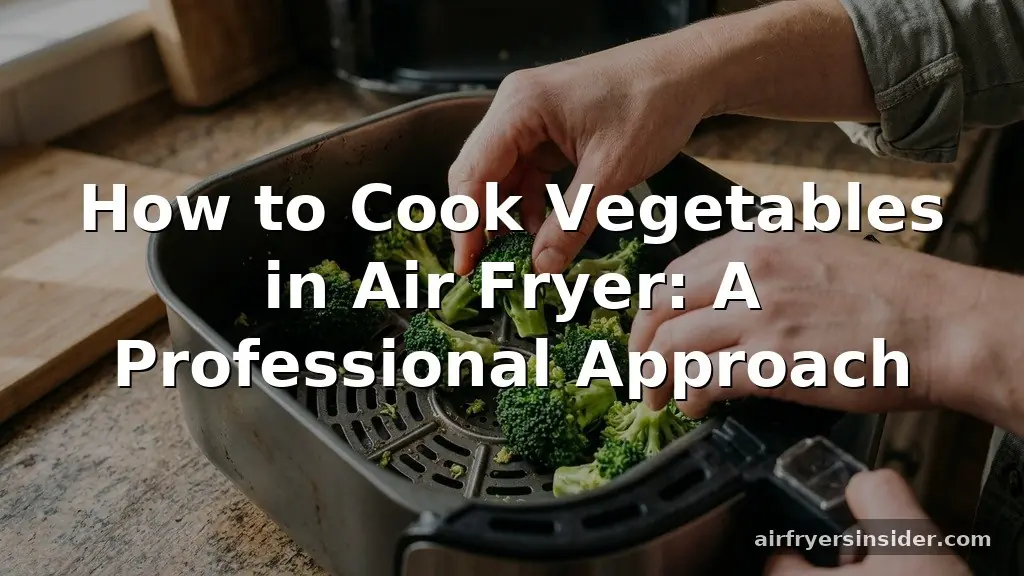
Learning how to cook vegetables in air fryer units has transformed the way many home cooks approach meal preparation. By utilizing rapid convection heat, these appliances turn humble produce into tender, caramelized, and flavorful results that rival traditional oven roasting.
Whether you are looking to create healthy side dishes in minutes or want to master the art of achieving the perfect Maillard reaction without heating up your entire kitchen, the air fryer is a remarkably efficient tool. With the right technique and a little bit of fat, you can achieve a level of crispiness that makes even the most reluctant vegetable eaters ask for seconds.
The Mechanics of Air Frying Vegetables
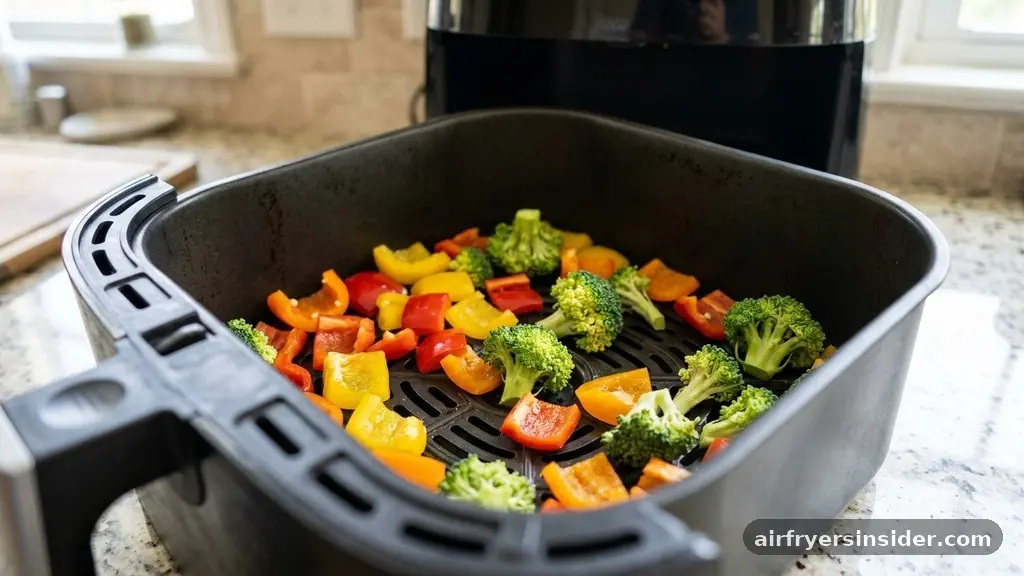
At its core, an air fryer is a compact convection oven. It uses a heating element and a powerful fan to circulate hot air at high speeds, which is why it is so effective at browning food. When you are cooking vegetables, this intense airflow mimics the effect of a deep fryer or a high-heat oven, but with a fraction of the oil.
The key to success lies in understanding that the air must be able to circulate around each piece of produce. If you overload the air fryer basket, the vegetables will steam instead of roast, leading to a mushy texture rather than the desired golden-brown finish.
To get the best results, you need to ensure your vegetables are cut into uniform pieces. Consistency in size promotes even cooking, ensuring that smaller bits don’t burn while larger chunks remain raw. Because the cooking environment is so dry, adding a light coating of fat is essential.
Using a high-quality olive oil or avocado oil helps conduct the heat into the vegetable, which facilitates browning and ensures your seasoning sticks properly. Aim for just enough oil to coat the surface lightly; you do not need to drown the vegetables to get a good result.
Essential Prep Work for Perfect Results
Proper preparation is the foundation of any great meal, and air frying is no exception. Start by washing your vegetables thoroughly and patting them completely dry. Excess moisture is the enemy of a good sear; if your produce is wet, it will steam for the first few minutes of the cycle, which prevents that lovely crispiness from developing.
Once dry, toss your vegetables in a bowl with your chosen fat and seasonings before placing them into the basket. This ensures every piece is evenly coated, which is far more effective than trying to drizzle oil once they are already inside the machine.
Don’t underestimate the importance of preheating. While many air fryers are ready to go in seconds, running the unit for three to five minutes before adding your food helps establish a consistent temperature immediately.
This initial burst of heat kicks off the cooking process the moment the basket slides in. If you are worried about cleanup, you can use parchment paper specifically designed for air fryers, but make sure it is weighted down by the food so it doesn’t fly up into the heating element.
Optimizing Temperature and Cook Time
Finding the right temperature settings and cook time is often a matter of trial and error, as every air fryer model performs slightly differently. Most firm vegetables, such as carrots, potatoes, or brussels sprouts, thrive at temperatures between 375°F and 400°F.
Leafier or more delicate vegetables, like kale or thin zucchini slices, require a lower heat to avoid burning. Because the air fryer is so efficient, check your food a few minutes before the recommended time to prevent overcooking.
General Cooking Guidelines
| Vegetable | Prep Style | Typical Temp | Estimated Time |
|---|---|---|---|
| Broccoli | Cut into florets | 375°F | 8-10 min |
| Brussels Sprouts | Halved | 390°F | 12-15 min |
| Bell Peppers | 1-inch chunks | 380°F | 7-9 min |
| Asparagus | Trimmed spears | 400°F | 6-8 min |
The Art of Tossing and Batch Cooking
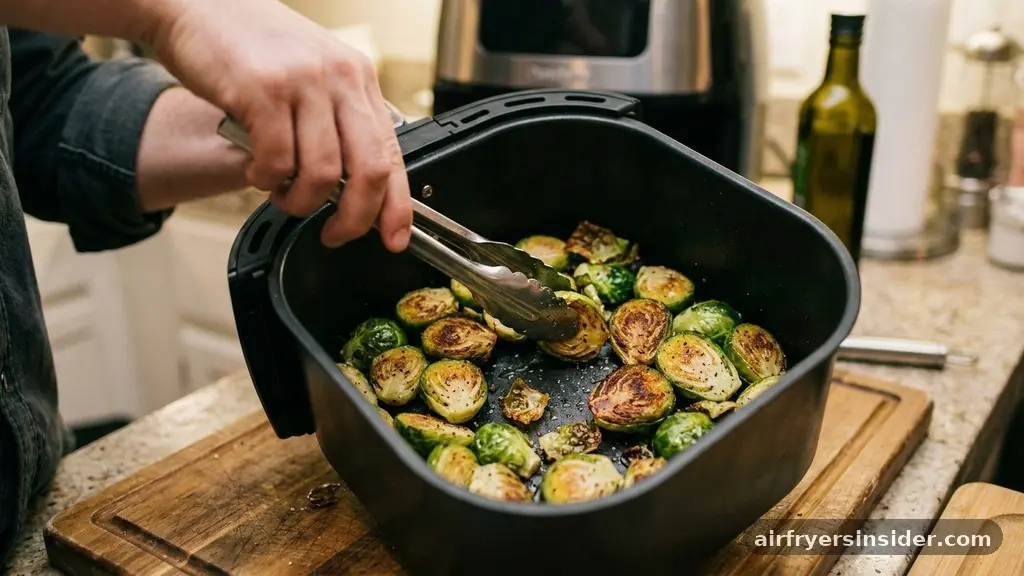
Tossing your vegetables halfway through the cooking cycle is non-negotiable. Because the heat source is typically located at the top of the unit, the items on the surface of the pile will brown much faster than those underneath.
By shaking the basket or using tongs to flip the vegetables, you redistribute the heat and ensure that every side gets exposed to the circulating air. This simple action is the secret to uniform browning and is the primary reason why air-fried vegetables taste so much better than those cooked in a standard oven.
If you are feeding a large group, you might be tempted to cram all your vegetables into the basket at once. Resist this urge. Batch cooking is the only way to maintain the high-quality results you expect. If you overcrowd the basket, the air cannot flow freely, and the vegetables will end up soft and pale.
It is far better to cook two smaller batches in succession than to produce one large, soggy mess. If you are worried about the first batch getting cold, simply tent them with foil on a plate while the second batch finishes.
Selecting the Best Seasonings
The beauty of air-fried vegetables is that they require very little effort to taste incredible. A simple combination of kosher salt, black pepper, and garlic powder is usually enough to highlight the natural sweetness of the produce. However, you can experiment with various seasoning blends to keep your meals interesting.
Smoked paprika adds a lovely depth, while dried herbs like thyme or rosemary work exceptionally well with root vegetables. If you want a bit of heat, a pinch of red pepper flakes or cayenne goes a long way.
When using fresh herbs, add them toward the very end of the cooking process. Fresh parsley, cilantro, or basil can burn quickly under the intense heat of the air fryer, turning bitter and unappealing. Save these for a final garnish right before serving.
If you prefer a more complex profile, try tossing your vegetables in a splash of balsamic vinegar or lemon juice after they come out of the basket. The acidity cuts through the richness of the oil and provides a bright finish that elevates the entire dish.
Addressing Common Challenges and Topical Gaps
One frequent question involves the use of cooking spray. While convenient, many commercial sprays contain additives like soy lecithin or propellants that can build up on the non-stick coating of your air fryer basket over time. Instead of relying on spray, it is generally better to toss your vegetables in a bowl with a tablespoon of high-quality oil.
This guarantees a better coating and protects your equipment. Regarding the vegetable oil smoke point, always choose a fat that can handle high heat. Refined olive oil, avocado oil, or grapeseed oil are excellent choices, whereas extra virgin olive oil or butter may smoke prematurely at temperatures above 375°F.
Another common concern is whether you can cook frozen vegetables directly in the air fryer. The answer is a resounding yes, though you should expect a different texture. Frozen vegetables like broccoli florets or cauliflower often contain more water, so they will not achieve the same level of crispness as fresh produce.
You may need to cook them for a few extra minutes and increase the temperature slightly to help evaporate the moisture. Always skip the thawing process; throwing them in straight from the freezer is actually the best way to prevent them from becoming mushy.
Vegetable-Specific Tips for Success
Different vegetables require different handling to reach their full potential. For example, asparagus spears are thin and delicate, meaning they can go from perfectly roasted to burnt in less than a minute. Keep a close eye on them during the final stage of cooking.
On the other hand, denser vegetables like root crops or brussels sprouts benefit from a slightly longer cook time at a lower temperature to ensure the centers are tender. If you are roasting bell peppers, cut them into larger chunks so they don’t shrivel up too much under the heat.
- Always cut vegetables into uniform sizes to ensure even cooking.
- Dry your produce thoroughly before adding oil to prevent steaming.
- Don’t overcrowd the basket; air needs room to circulate around the food.
- Shake the basket every 5 minutes to ensure every surface browns properly.
- Use high-smoke-point oils to avoid unpleasant odors or burnt flavors.
- Check for doneness early, as air fryers vary significantly in power.
Frequently Asked Questions
Can I cook frozen vegetables in an air fryer?
Yes, you can cook frozen vegetables directly in the air fryer without thawing them first. Simply toss them with a little oil and your favorite seasonings. You may need to increase the cook time by a few minutes to account for the extra moisture content in frozen produce.
What vegetables are not suitable for the air fryer?
Avoid cooking very leafy greens like spinach or soft herbs in the air fryer, as they tend to fly around the basket due to the fan’s force and will burn instantly. Also, avoid vegetables with extremely high water content like cucumbers, as they will likely become mushy rather than crisp.
Do I really need to preheat my air fryer?
While not strictly required for all models, preheating helps ensure that the cooking process starts immediately at the correct temperature. This is especially helpful for getting a good sear on vegetables, as it ensures they begin roasting the moment they hit the basket rather than sitting in lukewarm air.
How do I prevent my vegetables from burning?
The best way to prevent burning is to shake the basket frequently during the cooking cycle and monitor the vegetables closely toward the end. If you notice small pieces are cooking faster than others, use a basket divider or remove the smaller pieces with tongs before the rest are finished.
Conclusion
Mastering the art of cooking vegetables in an air fryer is a skill that pays off every single week. By focusing on consistent sizing, proper oil application, and the essential habit of shaking your basket, you can turn simple produce into the highlight of your dinner table. Whether you are prepping a quick batch of broccoli florets for a weeknight meal or experimenting with new spice blends on cauliflower, the air fryer offers a level of convenience and quality that is hard to beat.
Start with the basics, observe how your specific machine reacts to different items, and enjoy the process of discovering your own favorite combinations. With just a little practice, your kitchen will become a hub for delicious, perfectly roasted vegetables every day of the week.
Meta Description: Learn how to cook vegetables in an air fryer with these expert tips for achieving perfect crispiness, even browning, and delicious, healthy results.


