

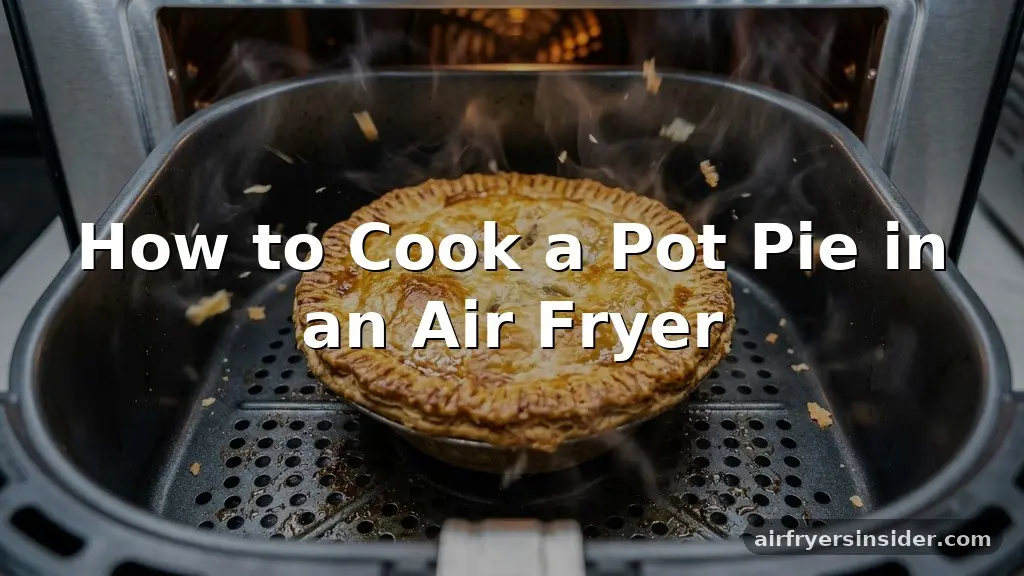
Learning how to cook a pot pie in an air fryer is a game-changer for those who crave that perfect, flaky pastry crust without waiting for a conventional oven to preheat. Whether you are dealing with a frozen pot pie from a brand like Marie Callender or Swanson, or perhaps a homemade creation, the air fryer offers a level of efficiency that traditional methods struggle to match.
By utilizing rapid air circulation, you can achieve a deep, golden brown finish while ensuring the savory filling remains piping hot. This method is not only faster but often results in a superior, crispier texture that elevates the entire dining experience.
Understanding the Mechanics of Convection Cooking
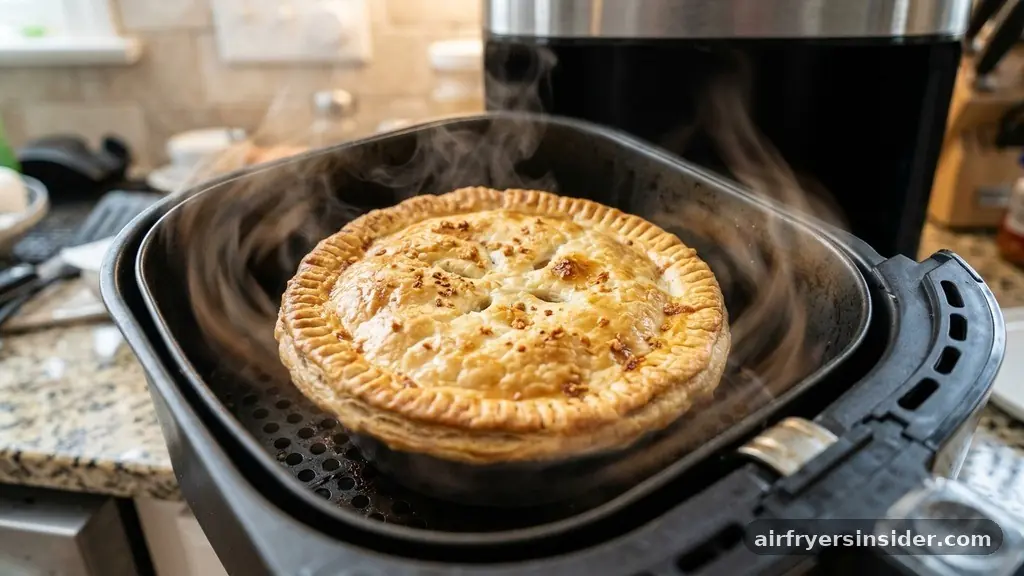
When you decide on cooking a pot pie in an air fryer, you are essentially harnessing the power of a high-speed convection oven. Unlike a standard oven, which relies on radiant heat from coils, an air fryer uses a powerful convection fan to circulate hot air at high velocities.
This movement of air reduces the boundary layer of cooler air that surrounds the food, leading to much faster thermal conduction. For a pastry-heavy dish like a pot pie, this is ideal because it forces the moisture out of the outer layers of the dough, creating that signature flakiness while simultaneously heating the dense, savory filling.
The physics of this process relies on the relationship between surface area and air velocity. Because the air is constantly moving, the heat is distributed evenly across the top and sides of the pie. However, you must be careful with the intensity of the heat.
If the temperature is set too high, the pastry crust might burn before the center reaches a safe internal temperature. Mastering this balance is the secret to achieving a restaurant-quality result at home. Understanding that your air fryer is a concentrated heat source allows you to adjust your expectations and cooking times accordingly compared to traditional baking instructions.
Preparing Your Air Fryer for Success
Proper preparation is the foundation of any successful culinary technique, especially when using an air fryer. Before placing your pie into the appliance, you should consider the state of your device. Many people skip preheating, but for pastry-based dishes, preheating is essential.
When you preheat the air fryer for three to five minutes, you ensure that the cooking chamber is already at the target temperature when the food enters. This immediate exposure to heat helps the layers of the crust to puff up and set, rather than slowly melting in the rising heat, which can lead to a greasy or soggy bottom.
Another critical aspect of preparation is the placement of the pot pie. If you are cooking a frozen pot pie in its original aluminum tin, ensure it fits comfortably within the air fryer basket without touching the heating element. If the pie is too large, the air circulation will be obstructed, leading to uneven cooking.
In such cases, transferring the pie to a smaller, oven-safe dish or a ramekin can actually improve your results. Always check your manufacturer’s guidelines to see if the original tin is safe for your specific model, as some foil containers can interfere with the airflow or cause sparks if they are too close to the fan.
Optimizing Cooking Times and Temperatures
Determining the right cooking time is the most common challenge when learning how to cook a pot pie in an air fryer. Because air fryers are more efficient than ovens, you should generally reduce the temperature by 25 to 50 degrees Fahrenheit from what the package suggests for a conventional oven. A standard temperature for most frozen pot pies is around 350°F to 375°F.
If you go higher, you risk scorching the top before the middle is fully cooked. The goal is to create a steady, consistent heat that penetrates the savory filling while browning the crust to perfection.
To help you navigate these variables, consider the following reference table for common pie types:
| Pie Type | Temperature | Estimated Time |
|---|---|---|
| Small Frozen (5-7 oz) | 350°F | 15–20 minutes |
| Large Frozen (10-15 oz) | 360°F | 25–35 minutes |
| Homemade (Ramekin) | 375°F | 20–25 minutes |
These times are estimates, and your specific air fryer model—whether it’s a Ninja Foodi or a different brand—will dictate the final results. Always start checking for doneness a few minutes before the timer expires.
You are looking for a deep, golden brown color on the crust and a bubbling, hot center. If the crust is browning too quickly, you can place a small piece of aluminum foil over the top to protect it while the center finishes heating.
Ensuring Food Safety and Internal Temperature
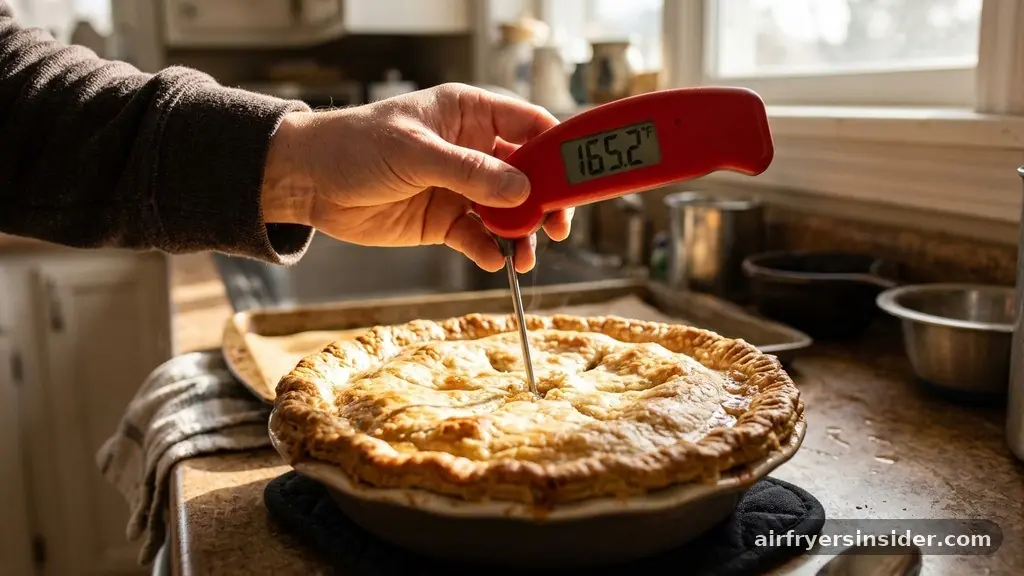
Food safety remains paramount when preparing any meal containing meat, poultry, or dairy. Even if the crust looks perfectly golden brown, the center of the pot pie might still be cold or lukewarm, which creates a risk for bacterial growth. To guarantee that your meal is safe to eat, you should always use a food thermometer.
Insert the probe into the center of the pie, making sure to avoid hitting the bottom of the tin, which will give you a false reading. You are looking for an internal temperature of at least 165°F to ensure that the savory filling is thoroughly cooked and safe for consumption.
If you find that the center is not yet at the required temperature, do not panic. Simply return the pie to the air fryer for another three to five minutes and check it again. It is much better to have a slightly darker crust than to consume an undercooked meal.
Remember that the filling will continue to retain heat for several minutes after you remove the pie from the air fryer. Allowing the dish to rest for about five minutes not only makes it safer to handle but also helps the sauce thicken slightly, making for a better eating experience.
Addressing Common Culinary Challenges
One frequent issue when cooking a pot pie in an air fryer is the dreaded “soggy bottom.” Because the air fryer basket often has a solid base or a tray that prevents air from hitting the bottom of the pie directly, moisture can collect there. To combat this, you can try placing the pie on a small metal trivet or a perforated rack inside the basket.
This allows the hot air to circulate underneath the tin, promoting crispiness on the bottom as well as the top. If you don’t have a rack, you can simply remove the pie from its original tin halfway through the cooking process if the crust is sturdy enough to hold its shape.
Another challenge is the browning agents in the crust. Many pre-made pies rely on sugar or milk-based washes to achieve color. If you are making a homemade pie, brushing the top with an egg wash or a light coating of melted butter can significantly improve the final look.
These fats react with the high-velocity air to create a beautiful, uniform sheen. Be mindful of overcrowding, as this is the enemy of convection cooking. If you are cooking multiple pies, they must not touch, as this will create a steam trap that prevents the pastry from crisping up properly.
Enhancing Flavor and Presentation
While the convenience of a frozen pot pie is undeniable, there are many ways to enhance the final product. Before you begin the air frying process, consider adding a sprinkle of fresh herbs or a dash of black pepper to the top of the crust.
If you are feeling adventurous, you can even brush the crust with a bit of garlic oil or sprinkle it with parmesan cheese for a savory kick. These small touches transform a standard meal into something that feels more deliberate and elevated, proving that air fryer cooking does not have to be limited to basic, utilitarian results.
Presentation is equally important. Once the pot pie is finished, let it sit on a cooling rack for a moment. If you cooked it in an oven-safe dish, you can serve it directly in that vessel to keep it warm.
If you used the original aluminum tin, it is often better to carefully slide the pie onto a plate. This not only looks more appetizing but also makes it easier to cut into the pastry without scratching the tin. Serving the pie with a fresh side salad or a light vegetable dish can help balance the richness of the savory filling and the buttery crust.
Topical Gaps: Air Fryer Specifics and Troubleshooting
Many people ask about the differences between specific air fryer models when cooking pot pies. For instance, a Ninja Foodi often has a different heating profile compared to a standard basket-style air fryer. Because the Ninja Foodi usually has a more robust fan and a tighter seal, it tends to cook items faster.
If you are using a unit with a built-in convection fan that is particularly powerful, always start your timer on the lower end of the recommended range. Additionally, some users struggle with the height of the unit; if your air fryer is shallow, the top of the pie might be too close to the heating element, causing it to burn.
Another gap in common knowledge involves the use of accessories. Can you use parchment paper? Yes, but only with caution.
Parchment paper can be used to make cleanup easier, but it must be weighed down by the pie itself so it does not get sucked up into the heating element by the fan. Never preheat your air fryer with just a piece of loose parchment paper inside, as it can be a fire hazard. Using an oven-safe dish is generally the safest and most effective way to manage cleanup while ensuring that the air circulation remains unobstructed and effective.
Frequently Asked Questions
Can I cook a frozen pot pie in an air fryer without taking it out of the tin?
Yes, most store-bought frozen pot pies come in aluminum tins that are safe to place directly into the air fryer basket. Just ensure the tin is not touching the heating element at the top of the unit, as this can cause the edges to burn or the foil to spark.
How do I know if my pot pie is fully cooked?
The best way to verify doneness is by using a food thermometer. Insert it into the center of the pie to ensure it reaches an internal temperature of 165°F. Visually, the crust should be a deep golden brown, and the filling should be bubbling around the edges.
Should I preheat my air fryer before cooking a pot pie?
Preheating is highly recommended for pastry-based items. By preheating for three to five minutes, you ensure the crust begins to crisp immediately upon contact with the heat. This prevents the pastry from becoming soggy or greasy, which can happen if the air temperature rises too slowly.
Can I cook multiple pot pies at the same time?
You can cook multiple pies if they fit in a single layer without touching each other. If you stack them or crowd the basket, the air circulation will be restricted, leading to uneven cooking and potentially raw centers. Maintain space between them for the best results.
Conclusion
Mastering the art of cooking a pot pie in an air fryer is a simple way to upgrade your weeknight routine. By focusing on the fundamentals—preheating your appliance, monitoring the internal temperature, and ensuring proper airflow—you can achieve a perfectly flaky crust and a hot, savory center every time. Whether you are using a standard frozen option or a fresh, homemade creation, the air fryer proves to be a versatile tool for achieving results that rival traditional ovens in a fraction of the time.
Experiment with different temperatures and browning techniques to find what works best for your specific machine. Once you have perfected your method, you will find it hard to go back to the wait times of a conventional oven, making your future meals both faster and more delicious. Feel free to share your own tips or favorite flavor combinations as you continue to explore the possibilities of this efficient kitchen appliance.
Meta Description: Learn how to cook a pot pie in an air fryer for a perfectly flaky, golden-brown crust. Get expert tips on temperatures, safety, and timing for best results.


