

Mastering the art of cooking little potatoes in the air fryer is a reliable way to get a restaurant-quality side dish on the table in record time. Whether you call them baby potatoes, creamers, or new potatoes, these bite-sized tubers are perfect for high-heat convection cooking because their small surface area ensures they develop a golden, crispy exterior while remaining creamy and tender on the inside. By understanding the basics of air circulation and proper seasoning, you can transform a simple bag of produce into a savory, roasted-style snack without ever turning on your main oven.
Beyond just saving time, using an air fryer for this task provides a level of consistency that is hard to replicate with traditional roasting. You will learn how to balance the right temperature settings with essential preparation techniques to achieve that perfect contrast between a crunchy shell and a fluffy center.
Selecting the Best Potato Varieties for Air Frying
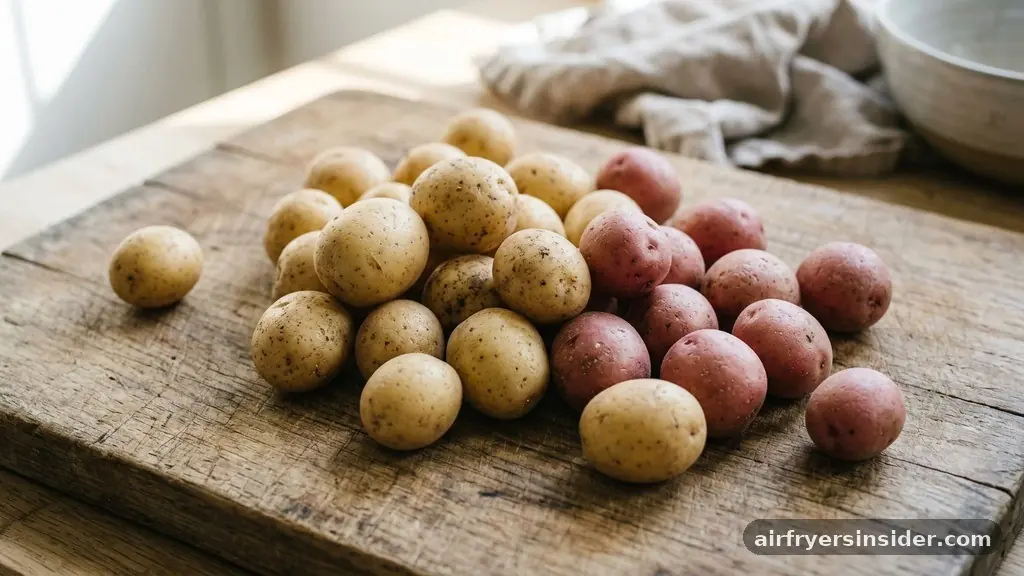
Not all tubers react the same way to the intense heat of an air fryer. When you are looking to cook little potatoes in the air fryer, the variety you choose significantly impacts the final texture. Starch content plays a vital role here; high-starch potatoes tend to break down more, while waxy varieties hold their shape beautifully under pressure.
Yukon gold potatoes are a top-tier choice for this method. They offer a buttery flavor and a medium starch content that results in a velvety interior once cooked.
Red bliss potatoes are another fantastic option because their waxy skin stays intact and becomes pleasantly chewy when roasted at high temperatures. If you enjoy a more earthy, nutty profile, fingerling potatoes are excellent, especially since their elongated shape allows for even browning across the surface.
Avoid using large, floury baking potatoes for this specific technique. Because they lack the structural integrity of smaller, waxy types, they may fall apart or become overly dry during the rapid cooking process. Stick to varieties that are naturally small, as this ensures you don’t have to chop them into irregular pieces, which keeps the cooking time uniform across the entire batch.
The Science of Convection Cooking and Air Circulation
The reason an air fryer works so well for small vegetables is its reliance on convection cooking. Unlike a standard oven, which heats the air around the food, an air fryer uses a powerful fan to circulate hot air at high speeds. This movement forces the air to strip away the thin layer of moisture on the surface of the potato, which is the secret to achieving that coveted crispy skin.
Proper air circulation is non-negotiable. If you overcrowd the basket, the potatoes will steam in their own moisture rather than roasting. You want each potato to have enough space for the hot air to hit it from every angle.
If you are feeding a crowd, it is much better to cook in two smaller batches rather than piling the basket high. This ensures that the heat distribution remains even and every single potato reaches that perfect internal temperature without burning on one side and staying raw on the other.
Preparation Techniques and Parboiling Considerations
While many people prefer to throw raw potatoes directly into the basket, there is a strong case for parboiling if you want a specific texture. Steaming or boiling your potatoes for five to eight minutes before air frying softens the starch and ensures the inside is completely cooked through before the outside gets too dark. This is particularly helpful if you prefer your potatoes extra crispy on the outside but very soft on the inside.
If you choose to skip the parboiling step, that is perfectly acceptable. Just ensure you cut your potatoes into uniform, bite-sized pieces if they are larger than a standard golf ball. If they are already tiny baby potatoes, you can leave them whole.
Always pat them completely dry with a paper towel after washing. Excess surface moisture is the enemy of crispiness; if the skin is wet when it goes into the machine, the air fryer has to work twice as hard just to evaporate that water before it can start the browning process.
Selecting the Right Fats and Seasonings
The fat you choose acts as a conductor for the heat and a carrier for your flavor profiles. Olive oil is the classic choice, providing a rich, fruity undertone that complements the natural earthiness of the skin.
However, if you are cooking at very high temperatures—above 400 degrees Fahrenheit—you might consider avocado oil. It has a higher smoke point, which prevents the oil from breaking down and creating an acrid flavor during the final stages of the cooking cycle.
Seasoning should be added after the oil is applied to ensure it sticks to the skins. Kosher salt is superior to table salt here; its larger crystals provide a better crunch and are less likely to make the potatoes taste overly salty.
For flavor depth, a blend of garlic powder, smoked paprika, and dried thyme creates a classic, savory profile. If you want a herbaceous finish, toss the potatoes with fresh rosemary after they come out of the basket, as fresh herbs can sometimes burn if added too early in the high-heat cycle.
Step-by-Step Guide to Perfect Air Fried Potatoes
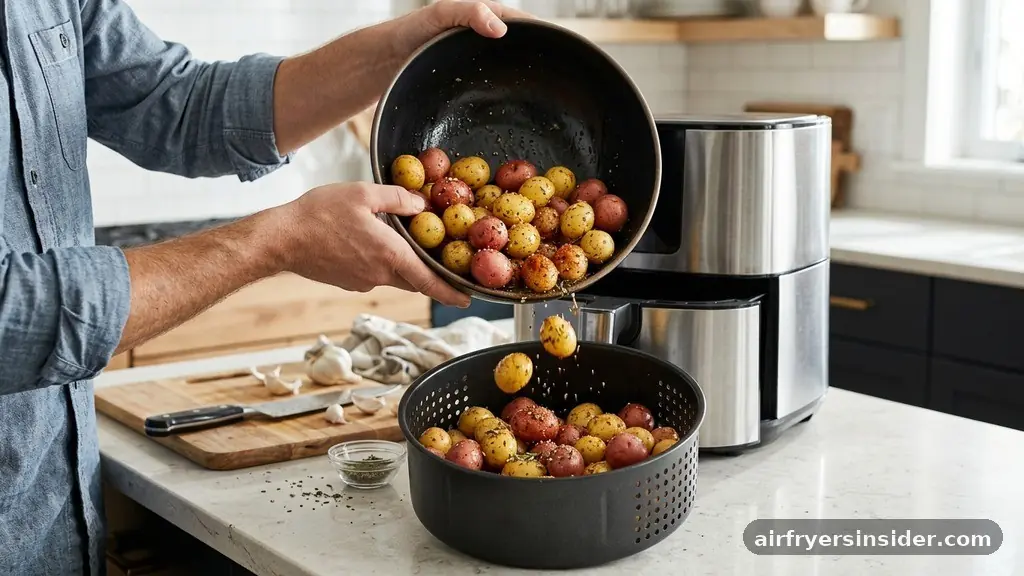
To get the best results every time, follow this systematic approach. Success relies on preparation, heat management, and monitoring the process.
- Wash and scrub the potatoes thoroughly to remove any dirt or grit.
- Pat the potatoes dry with a clean kitchen towel to ensure maximum crispiness.
- Toss the potatoes in a bowl with your chosen oil and seasonings until evenly coated.
- Preheat your air fryer for three to five minutes to ensure the chamber is at the optimal temperature.
- Arrange the potatoes in a single layer in the basket, avoiding overlap.
- Cook at 400 degrees Fahrenheit for 15 to 20 minutes, depending on the size of the potatoes.
- Shake the basket every five minutes to redistribute the heat and ensure even browning.
- Check for doneness by piercing a potato with a fork; it should be fork-tender with no resistance.
Addressing Common Cooking Challenges and Topical Gaps
One of the most common issues people face is the “soggy middle” or “burnt outside” dilemma. This usually happens when the temperature is set too high for too long, or the potatoes are too large for the cooking time selected.
If you find your potatoes are browning too quickly, drop the temperature to 375 degrees and extend the time by a few minutes. This allows the heat to penetrate the center of the tuber before the outer skin becomes too dark.
Another frequent question concerns food safety and the use of oil. Some users worry that air frying without oil is healthier, but a small amount of fat is necessary for the Maillard reaction—the chemical process that creates the golden-brown crust and complex flavors. If you are strictly avoiding oil, you can use a light mist of non-stick spray, though the texture will be noticeably different.
| Cooking Method | Time Estimate | Texture Result |
|---|---|---|
| Raw in Air Fryer | 18–22 Minutes | Chewy, rustic, firm |
| Parboiled then Air Fried | 12–15 Minutes | Crispy skin, fluffy center |
| Steamed then Air Fried | 10–12 Minutes | Very soft, thin crust |
Managing Internal Temperatures and Residual Heat
While many home cooks focus on the exterior, checking the internal temperature of a potato is a reliable way to ensure it is fully cooked. A properly roasted potato should reach an internal temperature of about 205 to 210 degrees Fahrenheit. At this point, the starch granules have fully expanded, creating that fluffy, light texture that defines a perfectly cooked side dish.
Residual heat is your friend. Once the timer dings, don’t rush to dump the potatoes onto a plate. Let them sit in the basket for one or two minutes with the power off.
This allows the internal moisture to redistribute and the exterior to firm up slightly. This simple pause makes a significant difference in the final mouthfeel of the potato, preventing the skin from becoming limp as it hits the cooler air of your kitchen.
Flavor Variations and Serving Suggestions
Once you master the basic technique, you can experiment with different flavor profiles to match your main course. For a Mediterranean-inspired dish, toss the cooked potatoes with lemon zest, fresh parsley, and a touch of feta cheese immediately after removing them from the air fryer. If you prefer a spicy kick, add a teaspoon of chili flakes or cayenne pepper to your initial seasoning blend.
Serving these as a base for other ingredients is another great way to use them. You can smash the cooked potatoes gently with the bottom of a glass, top them with a dollop of sour cream and chives, and return them to the air fryer for two minutes to warm through. Because they are so versatile, they pair well with everything from grilled steak to roasted chicken or even as a hearty addition to a vegetarian grain bowl.
FAQ
Why is it necessary to shake the basket during the cooking process?
Shaking the basket is essential for even air circulation. Since air fryers rely on forced air, the potatoes at the bottom or center may not get as much exposure to the heat. Shaking ensures every side of every potato gets crisped uniformly, preventing uneven, spotty results.
Can I cook potatoes in the air fryer if I don’t have oil?
You can, but the texture will be significantly drier and less crisp. Oil facilitates the browning process through heat conduction. If you must avoid oil, use a light coat of cooking spray or a small amount of vegetable broth to help seasonings adhere to the skin.
Should I peel the potatoes before putting them in the air fryer?
It is generally better to leave the skins on, especially for baby or fingerling varieties. The skin acts as a protective barrier that keeps the interior moist and fluffy. Additionally, the skin provides a pleasant, crispy texture that is a hallmark of high-quality roasted potatoes.
How do I know when the potatoes are done?
The most reliable method is the fork test. A perfectly cooked potato should be fork-tender, meaning the tines slide into the center with no resistance. If there is a hard core in the middle, continue cooking in three-minute increments until the internal texture is soft and creamy.
Conclusion
Learning how to cook little potatoes in the air fryer is a fundamental skill that streamlines your meal preparation. By focusing on proper drying, consistent seasoning, and strategic basket shaking, you can achieve professional results in your own kitchen. These small adjustments transform basic ingredients into a reliable, crowd-pleasing side dish that works for any occasion.
Start with the basics, then feel free to experiment with your own favorite spice blends and serving styles. Once you see how simple and effective this method is, it will likely become a permanent fixture in your weekly cooking routine. Happy cooking, and don’t be afraid to tweak the variables until you find your perfect version of this classic dish.


