

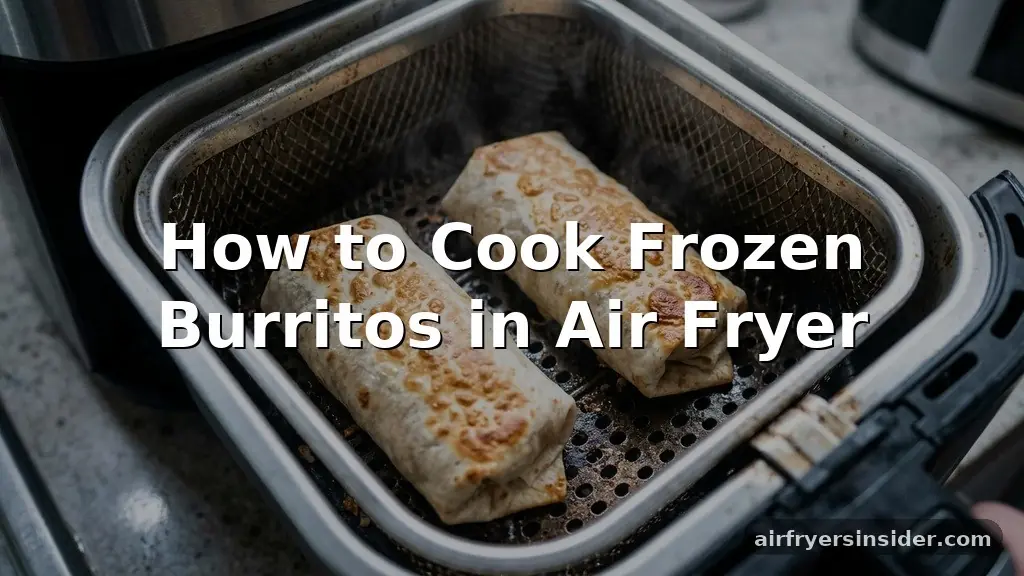
Mastering the art of cooking frozen burritos in air fryer units transforms a simple convenience meal into something that actually tastes fresh. While microwaves often leave these handheld snacks with a soggy, unappealing texture, the air fryer uses rapid air circulation to replicate the crispiness of a deep-fried version without the excess oil.
Whether you are looking for a quick lunch or a late-night snack, understanding the right settings ensures your meal is heated evenly throughout while maintaining that desirable crunch. By following a few specific techniques, you can achieve a perfectly golden brown finish that turns a basic freezer staple into a satisfying, restaurant-quality meal.
Understanding the Mechanics of Air Frying Burritos
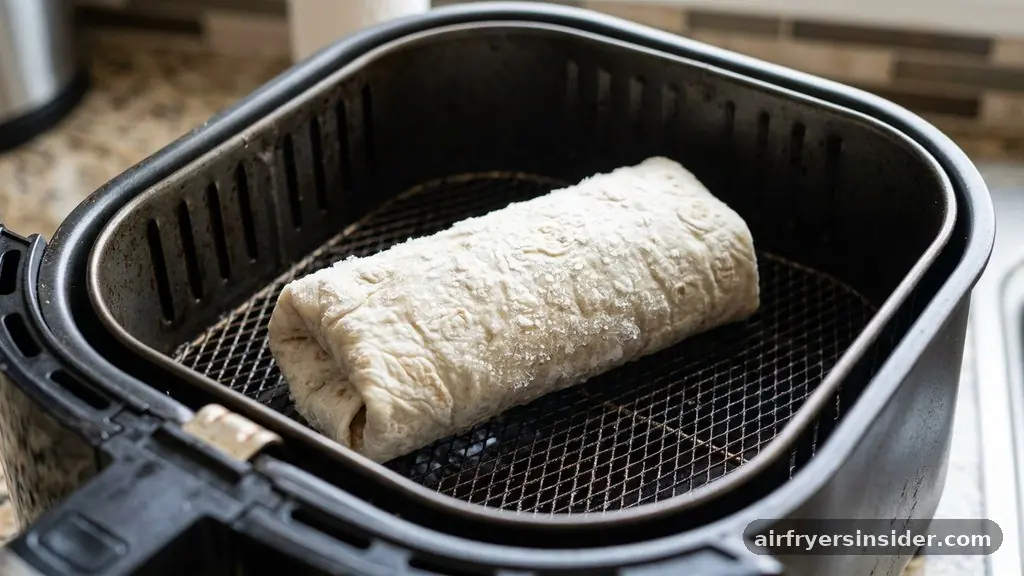
The magic behind using an air fryer for frozen goods lies in the convection cooking process. Unlike a traditional oven that relies on radiant heat from a single source, the air fryer utilizes a powerful fan to push hot air around the cooking chamber.
This constant movement is what gives your burrito that signature crispy tortilla. When you place a frozen burrito inside the basket, the concentrated heat works to break through the frozen exterior quickly.
Because these appliances are essentially compact convection ovens, they excel at moisture reduction. This is why you get a crispy exterior rather than a mushy one. However, the intensity of the heat means you have to be mindful of your temperature settings.
If the heat is too high, the outside might burn before the center reaches a safe internal temperature. Mastering this balance is the key to successful results every time.
Essential Preparation Steps for Success
Before you even plug in your device, there are a few preparatory steps that ensure even heating. First, consider whether you need to preheat your unit.
While some modern air fryers, like the Ninja Foodi, reach temperature almost instantly, preheating for three minutes can provide a more consistent environment for your food. This ensures that the cooking time remains accurate and that the burrito begins crisping from the moment it touches the basket.
You should also decide if you want to use a liner. While you can place the burrito directly into the air fryer basket, using a small piece of parchment paper can prevent the tortilla from sticking to the metal grate.
Avoid using aluminum foil unless you are trying to shield the ends, as foil can obstruct the airflow and prevent the bottom of the burrito from getting crispy. If you want an extra crunch, a light mist of olive oil or a quick spritz of cooking spray over the surface of the tortilla can help achieve a deeper, golden brown color.
Determining the Right Cooking Time and Temperature
Finding the sweet spot for time and temperature is the most common point of confusion for home cooks. For most frozen burritos, a temperature of 350°F to 375°F (175°C to 190°C) is ideal.
This moderate heat allows the burrito filling to thaw and warm through while the tortilla develops a hardened, crispy texture. If you go higher than 400°F, you risk scorching the flour tortilla before the beans or meat inside are fully heated.
Generally, you should plan for a cooking time of 12 to 15 minutes. However, the size of the burrito matters significantly.
A smaller, bean-and-cheese burrito might be ready in 10 minutes, while a larger, meat-heavy option could require 18 minutes or more. It is best to flip your burrito halfway through the process to ensure that both sides receive equal exposure to the hot air.
| Burrito Type | Recommended Temp | Estimated Time |
|---|---|---|
| Small/Standard | 350°F | 10-12 Minutes |
| Large/Loaded | 375°F | 14-18 Minutes |
| Mini/Snack Size | 360°F | 8-10 Minutes |
Managing Internal Temperature and Food Safety
When dealing with frozen food safety, simply trusting the clock is not always enough. The goal is to ensure the internal temperature reaches at least 165°F.
This is especially critical if your burrito contains cooked meat like beef, chicken, or pork. Using a food thermometer is the only way to be 100% certain that your meal is safe to consume.
To check this, insert the probe of your meat thermometer into the thickest part of the burrito, usually the center. If the reading is below 165°F, simply pop it back into the air fryer for another two minutes.
This minor step prevents the disappointment of biting into a hot crust only to find a cold, icy center. Remember that the filling holds heat longer than the tortilla, so be careful when taking that first bite.
Addressing Common Challenges and Topical Gaps
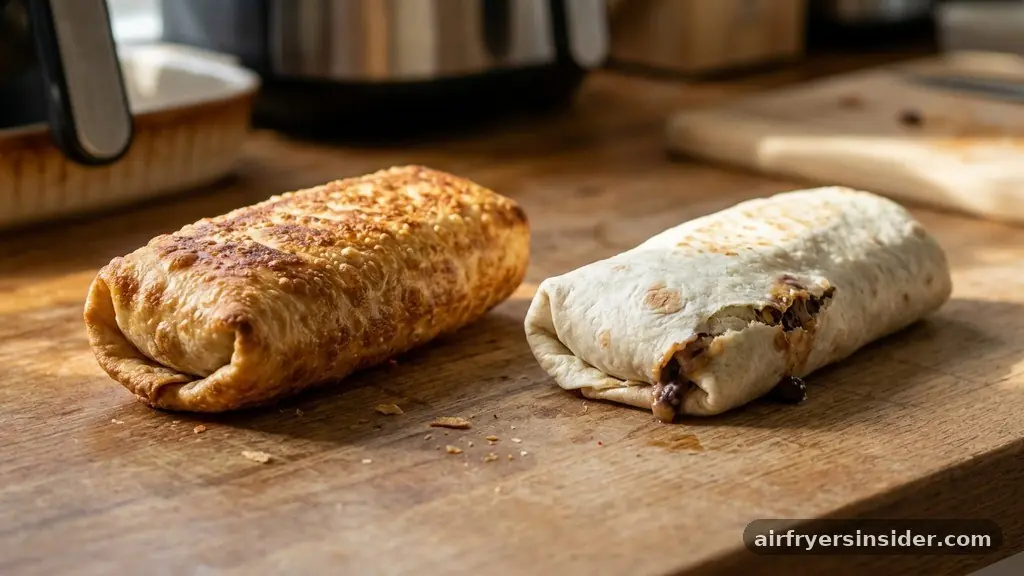
Many users ask if they should use a microwave defrost cycle before air frying. While a quick 30-second microwave blast can help soften the center, it often makes the tortilla damp, which works against the air fryer’s primary purpose.
If you find your burritos are consistently cold in the middle, it is better to lower the temperature by 25 degrees and increase the cooking time by a few minutes rather than using a microwave. This allows the heat to penetrate the core of the burrito slowly without ruining the texture.
Another common issue is the ends of the burrito splitting open. This usually happens because the tortilla is too dry or the filling expands too rapidly. To mitigate this, ensure your burritos are not overcrowded in the basket.
If you are cooking multiple burritos at once, they need space for the air to circulate. If you notice a burrito starting to burst, you can wrap just the ends in a small piece of aluminum foil to keep the contents contained while still allowing the rest of the surface to crisp up.
Comparing Methods: Air Fryer Versus Conventional Oven
When comparing kitchen appliance performance, the air fryer consistently beats the standard oven for single-portion meals. An oven takes significant time to preheat—sometimes up to 15 minutes—and it heats up your entire kitchen. In contrast, the air fryer is highly efficient for reheating frozen meals because it focuses all its energy into a small, contained space.
The rapid air circulation also produces a superior result compared to a toaster oven. While a toaster oven provides radiant heat, it often lacks the fan-driven power to crisp the bottom of the burrito effectively.
The air fryer basket allows air to pass underneath, which is why you don’t end up with a soggy bottom. For cooking convenience, the air fryer is the clear winner for anyone looking to save time without sacrificing the quality of their meal.
Enhancing Your Frozen Burrito Experience
Once you have perfected the timing, you can start experimenting with ways to elevate the final product. Serving your burrito with a side of fresh salsa, guacamole, or sour cream adds a layer of freshness that contrasts beautifully with the crispy exterior. You can also brush the top of the tortilla with a little bit of butter or lime-infused oil in the last minute of cooking for an added flavor boost.
If you are feeling adventurous, you can create a “chimichanga” style meal by lightly coating the entire exterior with a thin layer of oil or even a light dusting of taco seasoning before placing it in the basket. This creates a savory, seasoned crust that tastes far better than any standard frozen burrito. These small tweaks demonstrate that even a basic freezer item can become a highlight of your day with just a little bit of effort.
Troubleshooting Common Air Fryer Issues
If you find that your burrito is burning on the outside while remaining cold on the inside, your temperature is likely too high. High heat is great for reheating pizza, but for a thick, frozen cylinder, it acts too aggressively on the surface. Conversely, if your burrito is fully cooked but lacks that satisfying crunch, your unit might be overcrowded.
- Leave at least one inch of space between burritos for proper airflow.
- Avoid stacking food on top of each other in the air fryer basket.
- If using parchment paper, ensure it doesn’t fly up into the heating element.
- Shake the basket or use tongs to flip items at the halfway mark.
- Always verify the internal temperature if you are unsure of doneness.
Should you encounter smoke during the process, it is likely that oil drippings from a previous meal have collected at the bottom of the air fryer. Keeping the basket clean is essential for maintaining the performance of the heating element and preventing any unwanted flavors or odors from infiltrating your food.
The Future of Frozen Meal Preparation
The rise of the air fryer has fundamentally changed how we approach frozen convenience foods. We are no longer limited to the rubbery textures produced by microwave cooking.
By understanding the interaction between temperature settings and the density of the burrito filling, you can achieve consistent, delicious results. This method is not just about speed; it is about reclaiming the texture and quality of food that might otherwise be considered “fast food.”
As more people adopt these appliances, the techniques for cooking frozen burritos in air fryer units will continue to evolve. Whether you are a busy professional looking for a quick dinner or a student wanting a hot snack, this method offers a reliable way to eat well without spending hours in the kitchen. Keep experimenting with different brands and filling types to see what works best for your specific model and taste preferences.
Frequently Asked Questions
How long does it take to cook a frozen burrito in an air fryer?
Most frozen burritos require between 12 and 15 minutes at 350°F or 375°F. The exact time depends on the size of the burrito and the specific power of your air fryer. It is best to flip the burrito halfway through for even results.
Should I thaw the burrito before putting it in the air fryer?
No, you do not need to thaw the burrito. The air fryer is specifically designed to cook items directly from frozen. Cooking from frozen helps maintain the structural integrity of the tortilla, preventing it from becoming too soft or falling apart before it gets crispy.
Can I use aluminum foil in the air fryer for burritos?
You can use foil, but use it sparingly. Wrapping the entire burrito in foil will prevent it from crisping, essentially just steaming it. Use foil only to shield the ends if they are browning too quickly or to prevent filling from leaking out during the cooking process.
How do I know when the burrito is finished cooking?
The best way to ensure your burrito is finished is to use a food thermometer to check that the internal temperature has reached at least 165°F. Visually, the tortilla should be golden brown and feel firm to the touch, indicating a crisp exterior.
Conclusion
Learning how to cook frozen burritos in air fryer models is a simple yet impactful way to upgrade your daily meal routine. By prioritizing consistent temperature settings and allowing for proper air circulation, you can transform a basic freezer item into a meal that is both crispy and perfectly heated. Remember that the secret lies in the balance of heat and time, and using a thermometer remains the gold standard for safety.
With these techniques, you are well-equipped to enjoy a satisfying, high-quality snack whenever the craving strikes. Feel free to experiment with seasonings and sides to make the experience your own, and don’t hesitate to share your favorite tips with others. Happy cooking, and enjoy your perfectly crisped burritos!
Meta Description: Learn how to cook frozen burritos in air fryer for a perfect, crispy texture. Follow our expert tips for ideal temperature, time, and safety.


