


Deciding whether you can an air fryer replace a microwave depends heavily on your daily cooking habits and the specific types of meals you prepare most often. While many home cooks have swapped their countertop units, others find that losing the speed of instant reheating or the ability to soften butter in seconds creates a noticeable void in their kitchen workflow. By evaluating how these devices handle heat, texture, and timing, you can determine if your culinary routine is ready for a change or if you truly need both machines to manage your kitchen efficiently.
Core Differences in Cooking Technology
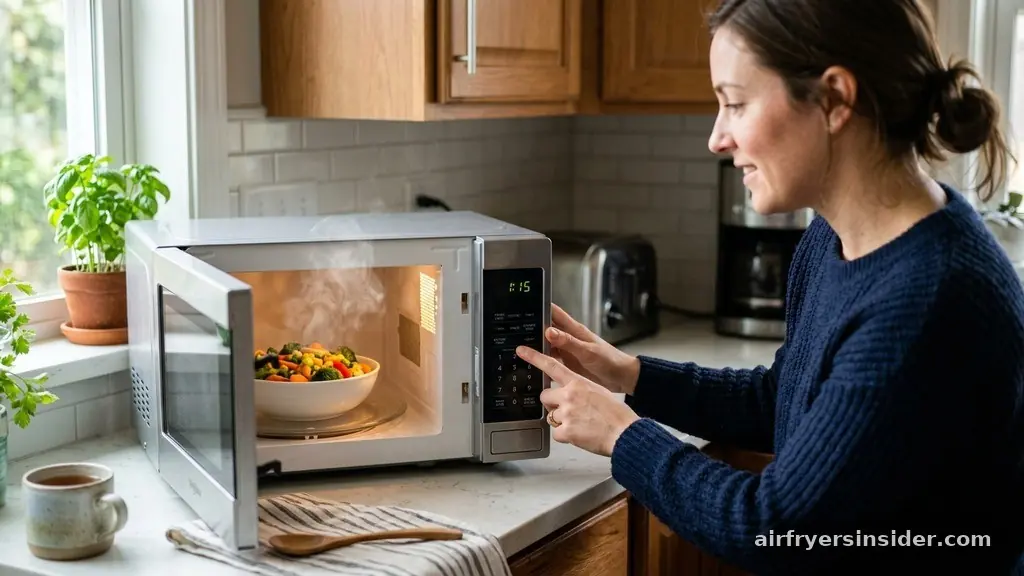
Understanding the fundamental difference in how these appliances function is the first step in deciding if a swap is viable. A microwave utilizes electromagnetic radiation to excite water molecules within food, which creates heat through friction.
This process is exceptionally fast, making it the industry standard for heating liquids, steaming vegetables, or warming up a plate of food in under two minutes. Because it targets the water content, it excels at internal heating but often leaves food with a soft, sometimes soggy texture.
Conversely, an air fryer is essentially a compact convection oven. It relies on a powerful heating element and a high-speed fan to circulate hot air around the food. This application of rapid air technology facilitates the Maillard reaction, a chemical process that browns food and creates that signature crispy exterior.
When you consider whether an air fryer can replace a microwave, you must realize you are trading instant internal heating for external crisping and browning. These two devices occupy different niches in the cooking process, and their outputs are rarely identical.
The Challenge of Reheating Leftovers
Reheating leftovers is the primary function for which most people use a microwave, and this is where the comparison becomes most stark. Microwaves are masters of speed, but they often ruin the texture of foods like pizza, fried chicken, or pastries.
If you have ever pulled a slice of pizza out of a microwave only to find the crust chewy and rubbery, you understand the primary limitation of that appliance. The air fryer, by contrast, excels at restoring the original texture of these items.
When reheating pizza in an air fryer, the rapid heat transfer ensures the crust regains its crunch while the cheese melts evenly. However, this process takes significantly longer than the thirty seconds a microwave requires. You also have to consider the risk of drying out your food.
Because the air fryer uses constant airflow, it can strip moisture from delicate items like pasta or rice much faster than a microwave would. If your diet consists largely of soups, stews, or saucy dishes, you will likely miss the moisture retention capabilities of a microwave.
Managing Kitchen Appliance Footprint
For those living in apartments or homes with limited counter space, the kitchen appliance footprint is often the deciding factor. If your goal is to minimize clutter, you might be tempted to clear out a microwave to make room for a more versatile air fryer.
However, before you donate your microwave, consider how it integrates into your morning routine. If you frequently use it to heat water for tea, melt chocolate, or steam quick breakfast grains, removing it may actually disrupt your efficiency.
If you decide that an air fryer can replace a microwave for your specific needs, you might look into a combination unit. Many modern appliances now offer both microwave and convection features in one chassis. This hybrid approach allows you to save space without sacrificing the functionality of either device.
While these combo units are often more expensive and physically larger than standalone models, they solve the problem of choosing between rapid heating and high-quality browning. It effectively bridges the gap between the two technologies by housing them in a single footprint.
Comparing Energy Efficiency and Speed
Energy efficiency is often cited as a reason to switch appliances, but the reality is nuanced. Microwaves generally consume less energy for short tasks because they operate for such a limited duration.
An air fryer requires a preheating time in many cases, and it must run for several minutes to achieve the desired temperature for cooking or crisping. If you are heating a single cup of coffee, the microwave is undoubtedly the more energy-efficient choice.
However, if you are cooking a meal from scratch, the air fryer can be more efficient than a full-sized oven. It reaches temperature quickly and maintains it within a smaller cooking chamber. When evaluating if an air fryer can replace a microwave, you are essentially weighing the importance of rapid cooking against the quality of the end result.
If your primary goal is speed, the microwave wins every time. If your goal is culinary versatility and superior food texture, the air fryer is the clear winner, despite the longer wait times.
Addressing Topical Gaps in Appliance Utility
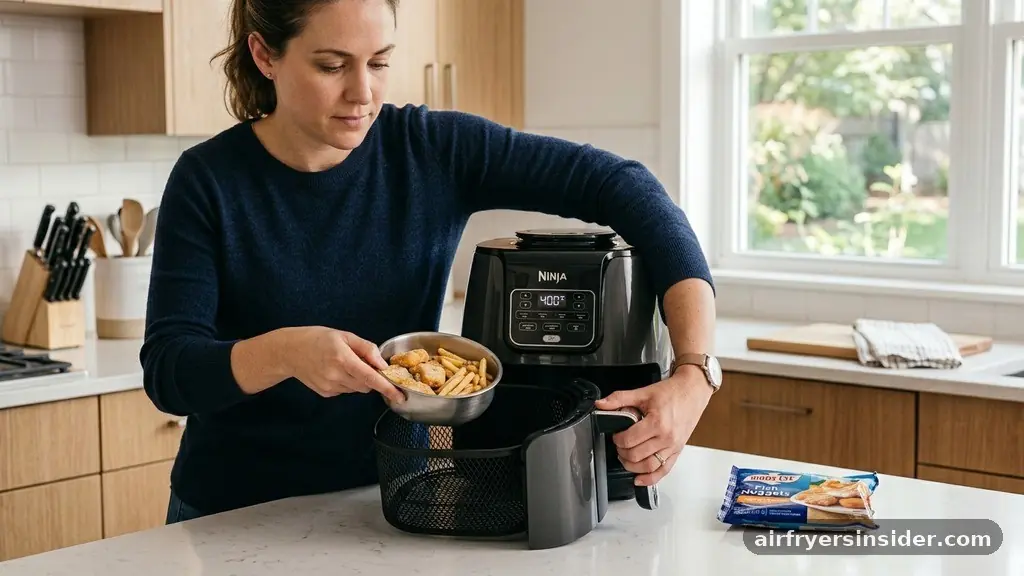
One of the most significant gaps in current discussions regarding this switch is the issue of container safety and versatility. Microwaves are strictly limited to microwave-safe containers, usually glass, ceramic, or specific plastics. If you accidentally place metal in a microwave, you risk sparking and fire.
An air fryer, however, behaves more like an oven. You can use silicone, aluminum foil, parchment paper, or metal pans, provided they fit within the basket.
Another gap involves the “defrosting” function. Many users rely on their microwaves for the express purpose of thawing frozen meat. While some air fryers have a low-temperature setting that can assist with this, it is not nearly as effective or safe as the specialized defrost cycles on a microwave.
If you frequently cook from frozen, the lack of a microwave will force you to plan your meals much further in advance. You must account for natural thawing times, which changes your entire approach to meal preparation and kitchen workflow.
Impact on Food Texture and Quality
The most dramatic difference between these two machines is the final texture of the food. Microwaves are notorious for creating uneven results, where the edges of a dish might be boiling hot while the center remains frozen.
This is due to the way electromagnetic waves interact with the food’s composition. Air fryers provide much more consistent results because the heat surrounds the item uniformly.
Key Texture Comparisons
- Crisping: The air fryer is superior for fries, wings, and roasted vegetables.
- Softening: The microwave is better for steaming broccoli or softening butter.
- Browning: The air fryer facilitates the Maillard reaction; the microwave does not.
- Moisture: The microwave preserves moisture in liquids better than the air fryer.
When you consider whether an air fryer can replace a microwave, think about the “mouthfeel” of your favorite meals. If you value the snap of a fried crust or the roasted flavor of vegetables, the air fryer is an essential tool. If your palate prefers the soft, uniform texture of steamed or boiled-style foods, you will find the air fryer’s results too dry or crunchy for your liking.
The Role of Cooking Temperature Range
Microwaves do not really have a “temperature” in the traditional sense. They are defined by their wattage, which dictates how much energy is delivered to the food.
Air fryers, however, offer a wide cooking temperature range, usually from 180°F to 400°F or higher. This allows for a much broader range of culinary applications, from gentle dehydration of fruits to high-heat roasting of proteins.
This temperature control is what gives the air fryer its edge in versatility. You can use it to bake, roast, sear, and even proof dough in some models. A microwave is essentially a one-trick pony when it comes to heat: it vibrates molecules.
While this is great for speed, it lacks the nuance required for actual “cooking” as opposed to “heating.” If you want to experiment with recipes that require specific heat levels, the air fryer is vastly more capable than any microwave on the market.
| Feature | Microwave | Air Fryer |
|---|---|---|
| Heating Method | Electromagnetic Radiation | Rapid Air Convection |
| Primary Strength | Speed and Liquid Heating | Texture and Browning |
| Preheating | Not Required | Often Recommended |
| Best For | Defrosting, Soups, Steaming | Crisping, Roasting, Reheating |
Integration into Your Daily Routine
Transitioning away from a microwave requires a shift in mindset. You must become more comfortable with waiting for your food.
You also need to learn how to manage moisture levels, perhaps by adding a splash of water to a dish before reheating it in the air fryer to prevent it from becoming too dry. Some users find that they can successfully replace their microwave if they maintain a small, secondary heating method like a stovetop or a toaster oven for quick tasks.
Ultimately, whether an air fryer can replace a microwave is a question of your lifestyle. If you are a busy professional who needs a hot meal in under three minutes, the microwave is likely indispensable. If you are a home cook who prioritizes flavor, texture, and the ability to cook varied dishes in a small space, the air fryer might be the only appliance you need.
Evaluate your top five most-prepared meals. If four of them involve crisping or roasting, you are a prime candidate for making the switch.
Frequently Asked Questions
Can I safely reheat liquids like soup in an air fryer?
Reheating liquids in an air fryer is generally not recommended. Because the air fryer uses a powerful fan, it can easily blow liquid out of an open container, causing a massive mess and potential damage to the heating element. It is safer to use a stovetop or microwave for soups.
Is the air fryer healthier than the microwave?
Both appliances are considered healthy if you use them to cook whole, unprocessed foods. The air fryer allows for healthier “frying” by using air instead of oil, while the microwave is excellent for steaming vegetables without losing nutrients. Neither is inherently healthier; it depends on what you cook.
Do I need to change my cookware to use an air fryer?
Yes, you will need to switch from microwave-safe glass or plastic to oven-safe materials. Metals, silicone, and parchment paper work well in an air fryer, but you should avoid using plastic containers that are not explicitly rated for high-heat oven use, as they can melt.
Can an air fryer perform the same defrosting tasks as a microwave?
No, air fryers are not designed for rapid defrosting. While you can technically thaw food at a very low temperature, it is inefficient and poses a higher food safety risk compared to the controlled, quick defrost cycles found on almost all modern microwaves.
Final Considerations
Choosing to move toward an air fryer while retiring your microwave is a significant change in kitchen utility. While the air fryer offers superior texture, browning, and overall culinary versatility, it lacks the raw speed and liquid-handling capabilities that define the microwave experience. Most households find that while the air fryer can handle the majority of their cooking and reheating needs, the microwave remains a specialized tool for specific tasks like defrosting or rapid liquid heating.
If you have the counter space, keeping both is often the most practical solution. However, if space is at a premium, you can certainly adapt your cooking style to rely on an air fryer, provided you are willing to embrace a slightly slower, more deliberate approach to preparing your meals. Experimenting with your specific needs will reveal whether you can an air fryer replace a microwave in your own home.


