

Knowing whether you can cook frozen pizza in an air fryer is a common dilemma for anyone looking to ditch the long wait times of a conventional oven. The good news is that not only is it possible, but it often yields a significantly better result than the standard kitchen appliance.
By utilizing high-velocity hot air, you can achieve a level of crunch that traditional baking rarely matches for individual portions. Whether you are dealing with a standard pepperoni pizza or a gourmet thin-crust variety, mastering this method transforms a simple frozen meal into a quick, high-quality dinner.
Understanding the Mechanics of Convection Cooking
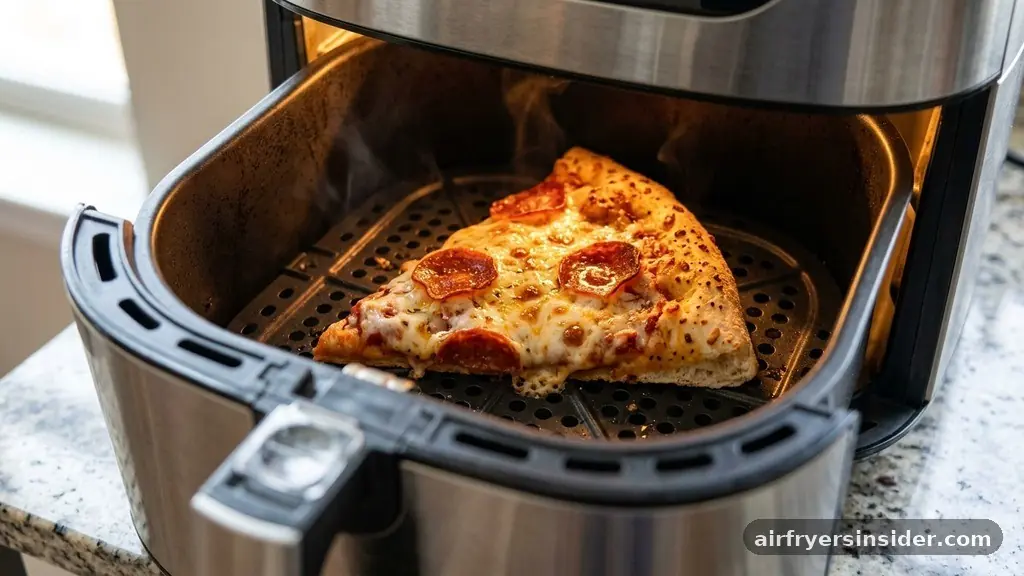
At its core, an air fryer is a compact, high-powered convection oven. It works by circulating superheated air around the food at high speeds, a process known as rapid air technology. When you place a frozen pizza inside, this constant flow of heat ensures that the surface of the dough undergoes a Maillard reaction much faster than it would in a static-heat environment.
This results in the sought-after pizza crispiness that defines a perfect slice. Because the heating element is positioned very close to the food, the moisture on the surface evaporates rapidly, preventing the crust from becoming soggy.
The primary advantage here is the efficiency of the heat transfer. In a conventional oven, you are heating a large metal box, which takes time and energy.
An air fryer concentrates that heat into a smaller space, meaning your pizza crust texture benefits from a direct blast of energy. This is particularly effective for frozen items because the intense heat penetrates the frozen layers quickly, ensuring the toppings are bubbling and the cheese is melted before the dough becomes overcooked or dried out.
Optimizing Air Fryer Temperature Settings
One of the most frequent mistakes people make is treating an air fryer like a small oven by setting the temperature too low. For frozen pizza, you generally want to aim for a higher temperature than the box instructions suggest for a standard oven. Most frozen pies perform best between 375°F and 400°F.
If you go too low, the cheese will melt and slide off before the crust has a chance to crisp up. If you go too high, you risk burning the top of the toppings while the center of the dough remains cold or undercooked.
It is helpful to start on the lower end of that range if your pizza is particularly thick or loaded with toppings. If you are working with a thin crust pizza, you can confidently push the temperature toward 400°F to get those crispy edges as quickly as possible.
Keep in mind that wattage variations between different air fryer brands can influence how effectively your machine maintains these temperatures. A 1700-watt unit will likely cook faster than a 1400-watt model, so it is always wise to keep a close eye on the progress during the first few minutes of the cycle.
The Importance of Preheating and Preparation
While many air fryers don’t strictly require preheating, it makes a world of difference when you are trying to ensure even cooking for frozen items. Preheating the basket for three to five minutes allows the internal temperature to stabilize, meaning the pizza starts cooking the moment it hits the rack. If you skip this step, the pizza begins in a “cold start” environment, which can lead to uneven textures and a longer, less predictable cooking time.
Preparation also involves how you handle the pizza before it enters the machine. If the pizza is too large for your basket, don’t be afraid to cut it into halves or quarters. This is a common strategy for fitting larger frozen items into smaller cooking spaces.
Ensure you aren’t overcrowding the basket, as air circulation is the secret ingredient to success. If the air cannot flow freely around the edges of the pizza, you will end up with soft, doughy spots rather than the golden-brown finish you are aiming for.
Managing Cooking Time and Rack Placement
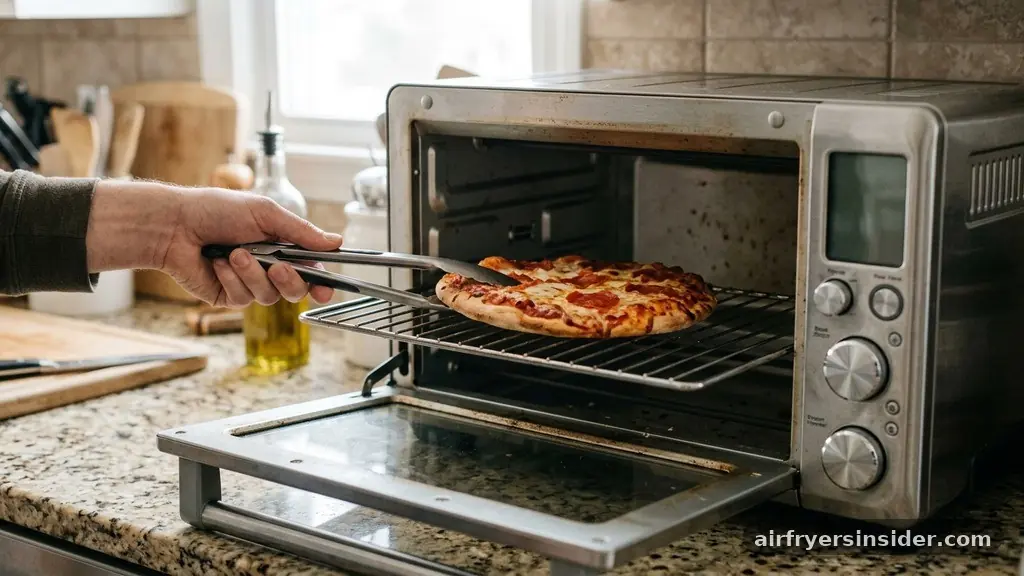
Determining the exact cooking time requires a bit of trial and error because frozen pizzas vary wildly in size, thickness, and ingredient density. As a general baseline, most personal-sized or cut frozen pizzas take between 8 to 12 minutes.
Thin crust varieties might be done in as little as 6 to 8 minutes, while deep dish options could require 15 minutes or more. Because the heating element is intense, you should check the pizza at the halfway mark.
Rack placement is another subtle factor that influences the final result. In models with multiple rack levels, placing the pizza in the middle ensures the most consistent airflow. If you only have a single basket, the pizza will naturally sit at the bottom, which is perfectly fine.
However, if you are concerned about the bottom crust burning before the cheese is fully melted, you can place a small piece of parchment paper under the pizza. This acts as a slight barrier and also makes cleanup significantly easier, preventing melted cheese from sticking to the non-stick basket.
Comparing Toaster Oven vs Air Fryer Results
Many households have both a toaster oven and an air fryer, leading to confusion about which is better for a quick pizza fix. The following table highlights the functional differences between these two popular appliances when cooking frozen dough-based meals.
| Feature | Air Fryer | Toaster Oven |
|---|---|---|
| Heat Distribution | High-speed convection | Radiant/Low-speed convection |
| Crispiness Level | Very High | Moderate |
| Cooking Speed | Fast | Average |
| Capacity | Limited | Better for larger pizzas |
As shown in the table, the air fryer is superior for achieving a specific texture, particularly for those who love a crispy, crunchy crust. The toaster oven is often better if you are trying to cook a full-sized frozen pizza that hasn’t been cut, but it rarely achieves the same level of browning. If your goal is a quick, individual snack that tastes like it came from a professional pizza oven, the air fryer is the clear winner for performance and speed.
Addressing Common Topical Gaps
There are several nuances to this process that often go unmentioned in basic tutorials. First, consider the issue of frozen food safety. You must ensure the internal temperature of the pizza reaches at least 165°F to ensure any potential bacteria are neutralized, especially if the pizza contains meat toppings like sausage or pepperoni.
While air fryers are excellent at browning, they can sometimes brown the surface while leaving the center under-processed. Using a food thermometer is the only way to be 100% certain, though visual cues like bubbling cheese and a golden crust are usually reliable indicators.
Another gap is the use of oil spray. While the pizza itself often contains enough fat in the cheese and crust, a very light misting of olive oil on the edges of the crust can enhance the browning process. This is particularly useful for gluten-free crusts, which often lack the natural sugars and fats that help standard dough brown effectively.
Finally, if you are reheating leftovers, remember that you should use a lower temperature—around 320°F—for a shorter time. This prevents the crust from becoming rock-hard while ensuring the toppings are warmed through without burning.
Handling Different Types of Frozen Pizza
Not all frozen pizzas are created equal, and your approach should shift based on the style of the product. Thin crust pizzas are the easiest to manage in an air fryer because they cook through quickly and become incredibly crispy. You can often cook these directly on the rack or a piece of parchment paper with excellent results.
Pepperoni pizza is another favorite, but keep in mind that the grease from the pepperoni can splatter inside the air fryer. If you notice a lot of smoke, it is likely the grease hitting the heating element; adding a small amount of water to the bottom of the drawer can help mitigate this.
Deep dish or thick crust pizzas present a different challenge. These require a longer cook time, which increases the risk of the top toppings burning before the center is cooked. To solve this, you can create a loose tent of aluminum foil to cover the pizza for the first portion of the cooking time, then remove it for the final few minutes to finish the browning.
This technique ensures the dough cooks through entirely without turning the cheese into a dark, charred mess. Always prioritize the thickness of the dough when choosing your temperature and time settings.
Essential Tips for Success and Cleanup
To ensure the best experience, keep a few best practices in mind. Always avoid using metal utensils to remove your pizza from the non-stick basket, as this can scratch the coating and degrade the performance of the unit over time. Silicone-tipped tongs or a flat spatula are much safer options.
If you find that your pizza is sliding around while you try to move it, using a small circle of parchment paper is a life-saver. It keeps the pizza stable and prevents the cheese from migrating during the cooking process.
Cleaning up after cooking a cheesy, greasy frozen pizza can be a chore if you let it sit. Once the basket has cooled slightly, wipe it down with a soft cloth or sponge. Avoid harsh scrubbing pads that can damage the non-stick surface.
If cheese has become fused to the basket, soaking it in warm, soapy water for ten minutes will usually loosen the residue without the need for aggressive scraping. Maintaining your equipment correctly ensures that your air fryer remains a reliable tool for your kitchen adventures, whether you are cooking pizza, frozen snacks, or experimenting with new recipes.
Frequently Asked Questions
Is frozen pizza actually good when cooked in an air fryer?
Yes, it is often better than in a conventional oven. The rapid air circulation creates a superior crust texture, making it crispy on the outside while keeping the toppings hot and melty. It is an ideal method for quick, single-serving meals that need to be ready in minutes.
What is the best setting for cooking pizza in an air fryer?
Most frozen pizzas perform best between 375°F and 400°F. Always preheat your unit for a few minutes before starting. If your pizza is thick or deep-dish, use a lower temperature to ensure the center cooks through before the top layer of cheese burns or browns too much.
Can I cook a full-size frozen pizza in my air fryer?
Most air fryers are not designed to hold a full-sized frozen pizza. You will likely need to cut the pizza into halves or quarters to fit it into the basket. If you attempt to cram a whole pizza in, the lack of airflow will lead to uneven, soggy results.
Should I use parchment paper when cooking pizza?
Using parchment paper is highly recommended. It prevents melted cheese from sticking to the bottom of the basket, makes cleanup significantly easier, and provides a stable surface for the pizza. Just ensure the paper is weighed down by the pizza so it does not fly into the heating element.
Conclusion
Mastering the art of cooking frozen pizza in an air fryer is a simple way to upgrade your quick-meal routine. By focusing on proper preheating, managing your temperature settings, and ensuring adequate airflow, you can achieve a professional-quality crust that puts standard microwave or oven-baked results to shame. The combination of speed and texture makes this method a staple for busy evenings.
Whether you are craving a quick thin-crust snack or a heartier meal, your air fryer is perfectly equipped to handle the task. Feel free to experiment with different brands and styles to find your perfect timing, and enjoy the convenience of having a crispy, delicious pizza ready in a fraction of the usual time.
Meta Description: Can you cook frozen pizza in an air fryer? Yes, and it yields a better crust. Learn the best temperatures, prep tips, and tricks for the perfect result.


