


Cooking popcorn in an air fryer is a topic that sparks curiosity among home cooks looking to minimize countertop clutter. While many people wonder, “can you cook popcorn in an air fryer,” the short answer is yes, though it requires specific techniques to avoid damaging your appliance or creating a fire hazard. Unlike a traditional popcorn machine that uses a dedicated chamber to agitate kernels, an air fryer relies on forced air convection to distribute heat.
Because air fryers are designed to circulate hot air rapidly, lightweight kernels can easily be lifted by the fan, potentially causing them to get stuck in the heating element or burn before they have the chance to pop fully. Understanding the physics of your appliance is the first step toward mastering this unconventional method of snack preparation.
The Mechanics of Air Frying Popcorn
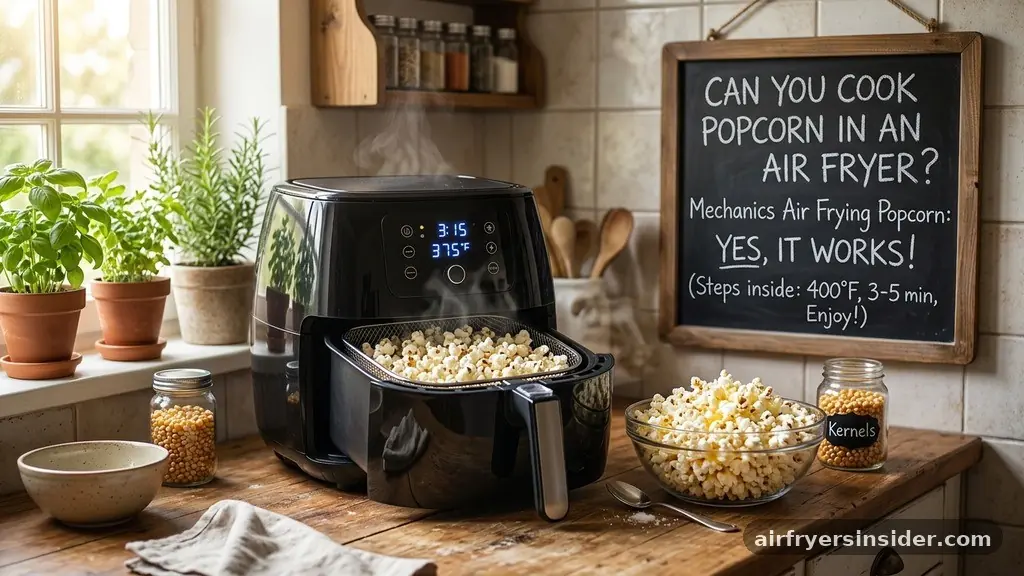
To understand why this process is tricky, you must look at how an air fryer operates. The device uses a powerful fan to push heat downward, creating intense air circulation throughout the cooking chamber. When you place dry, unpopped kernels into a perforated basket, the airflow is typically strong enough to blow those kernels around.
This is problematic for two reasons: first, it prevents the kernels from sitting in a stable, hot environment; second, it risks the kernels being carried by the wind into the upper reaches of the unit where the heating element resides. If a kernel touches the element, it can smoke, char, or even cause a short circuit.
Successful popping in this environment requires a way to contain the kernels while still allowing the hot air to circulate. Many users attempt to use aluminum foil to create a bowl shape, but this can cause airflow obstruction, which reduces the efficiency of the machine and can lead to uneven cooking.
If you decide to experiment, you must ensure that your containment method does not block the vents or impede the fan’s ability to pull air through the basket. Mastering this requires patience, as the popping time is often unpredictable compared to a stove-top pot or a microwave, and you will likely find that some kernels remain unpopped regardless of the technique used.
Why Kernel Containment is Critical
The primary safety concern when asking if you can cook popcorn in an air fryer is the movement of the popped corn kernels. As a kernel expands, its surface area increases, making it even more susceptible to being caught in the updraft created by the fan. Once a kernel is “popped,” it is extremely light.
If it gets sucked into the heating element, it can ignite or create a burning smell that permeates your kitchen and ruins your snack. This is the main reason why manufacturers generally advise against using loose, light ingredients that can be lifted by the fan speed of the unit.
To mitigate this risk, you should never fill the basket more than a single layer deep. Overloading the basket creates a pile of kernels that will not pop simultaneously, leading to a mix of burnt, charred bits and raw, hard kernels. Furthermore, the kernel expansion process generates a significant amount of steam.
If you cover the basket too tightly, that moisture cannot escape, resulting in chewy, dense popcorn rather than the light, airy texture that characterizes a good batch of cinema-style snacks. Finding the balance between containment and ventilation is the secret to success.
Selecting the Right Fat and Seasoning
While you can technically pop corn without any fat, using a small amount of oil helps transfer heat more effectively to the hull of the kernel. When choosing an oil for this application, consider the smoke point. Since air fryers operate at a high temperature—usually between 375°F and 400°F—you need an oil that won’t break down and produce acrid smoke. Avocado oil is an excellent choice due to its high smoke point, while coconut oil provides a classic flavor profile that many popcorn enthusiasts enjoy.
Avoid using butter spray or liquid butter directly on the kernels before they pop. Most commercial butter sprays contain additives, water, and milk solids that can burn at high temperatures, leaving a bitter residue on your popcorn. Instead, pop the kernels with a high-smoke-point oil, and save the butter, salt, and other seasoning for after the corn has finished popping.
This ensures that your toppings adhere to the fluffy exterior of the popped corn without burning during the intense cooking cycle. If you find your popcorn is too dry, a light mist of melted ghee or clarified butter after the fact is a much safer and more flavorful approach.
Step-by-Step Guide to Air Fryer Popcorn
If you have decided to proceed, follow these steps to maximize your chances of success while maintaining safety precautions. First, ensure your air fryer is clean. Any leftover grease from previous meals can catch fire when exposed to the high heat required for popping.
1. Preheat your air fryer to 400°F for about three minutes.
2. Place a small amount of popcorn kernels into a heat-safe, flat-bottomed container, such as a heat-resistant bowl that fits inside your basket, or use a custom-fit accessory designed for this purpose.
3.
Add a teaspoon of a high-smoke-point oil and toss the kernels to coat them lightly.
4. Cover the container with a piece of heavy-duty foil, poking several small holes in the top to allow steam to escape while keeping the kernels contained.
5.
Place the container in the air fryer basket and cook for 5 to 8 minutes, listening closely for the rhythm of the pops to slow down.
6. Once the popping slows to a stop, remove the basket immediately to prevent the popped corn from burning.
| Method | Pros | Cons |
|---|---|---|
| Stovetop | Fast, consistent, large batches | Requires constant attention |
| Air Fryer | No extra appliance needed | Safety risks, small batches |
| Microwave | Convenient, very fast | Risk of burning, chemical liners |
Addressing the Common Issue of Unpopped Kernels
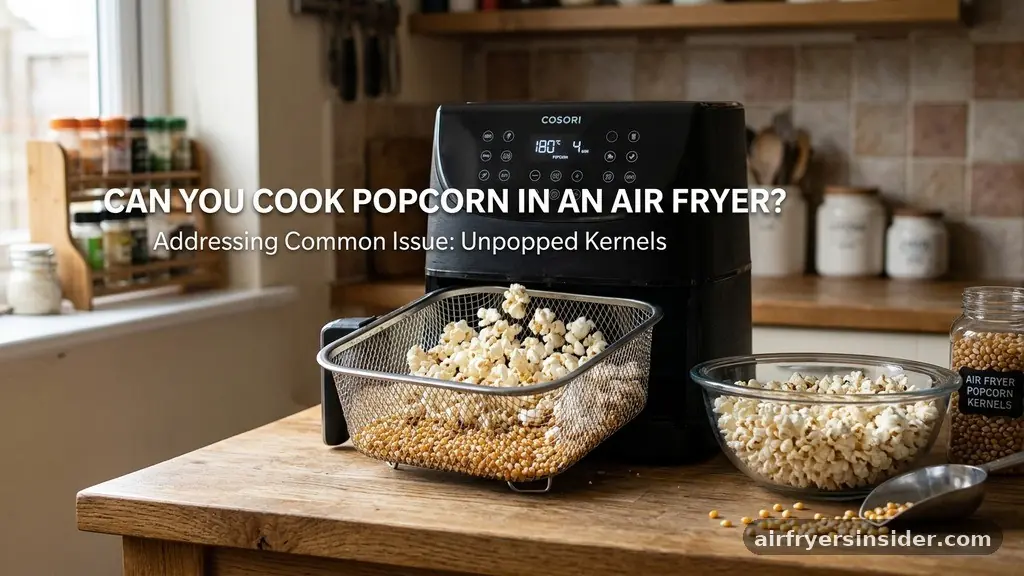
One of the most frustrating aspects of using an air fryer for this task is the number of unpopped kernels left at the bottom of the bowl. This usually happens because the heat is not distributed evenly, or the kernels aren’t reaching the critical temperature required for the moisture inside to turn into steam and explode the hull.
In a traditional air popper, the kernels are constantly agitated, which ensures they all receive uniform heat. In an air fryer, the air moves around the kernels, but the bottom of the container may remain cooler than the top.
To reduce the number of stubborn kernels, ensure you are not overcrowding the base of your container. If the kernels are stacked, the bottom layer acts as an insulator, preventing the top layer from reaching the popping threshold. Additionally, ensure your kernels are fresh.
Old, dry kernels have lost the moisture content necessary to “pop” effectively. If you store your kernels in the freezer, let them come to room temperature before attempting to cook them, as the temperature differential can affect the final expansion.
The Role of Air Fryer Accessories
For those who frequently ask, “can you cook popcorn in an air fryer,” investing in specific air fryer accessories can make a world of difference. Many manufacturers now offer silicone inserts or specialized pans that fit perfectly into the basket.
These accessories are often designed with deeper walls, which provide more room for the popcorn to expand without spilling over. Unlike makeshift foil bowls, these accessories are engineered to withstand high temperatures and are often easier to clean.
When using an accessory, ensure it is rated for the high heat settings of your air fryer. Some silicone items are only heat-safe up to 350°F, which is insufficient for popping corn.
Always check the manufacturer’s guidelines for your specific model. Using a dedicated accessory can also help protect the non-stick coating of your air fryer basket, as the shaking and movement of hard corn kernels can scratch or wear down the coating over time, which is a significant aspect of proper kitchen appliance maintenance.
Safety Considerations and Fire Prevention
Safety should always be your top priority when using a kitchen appliance in a way it wasn’t strictly designed for. Because popcorn is so light, the risk of it being pulled into the heating element is real.
If you notice any smoke, turn the appliance off immediately and unplug it. Do not open the basket until the fan has stopped spinning, as the sudden rush of air could cause smoldering kernels to ignite.
Furthermore, never attempt to use a microwave popcorn bag inside an air fryer. These bags are coated with specialized susceptors that react to microwave radiation; when exposed to the dry, hot air of an air fryer, the paper can easily catch fire.
Always stick to raw kernels and a safe, heat-resistant containment method. If you are ever in doubt about the safety of a specific technique, it is better to opt for a traditional method like a stove-top pot, which is proven, safe, and highly effective for making large quantities of popcorn.
Why Your Popcorn Might Not Pop
If you’ve followed the steps and still end up with a bowl of hard, unpopped seeds, several factors could be to blame. First, check your preheating time. The air fryer needs to be at full temperature the moment the kernels hit the chamber.
If the unit is cold, the kernels will slowly dehydrate without popping, leaving you with “old maids” that are tough and inedible. Second, consider the moisture content of your kernels. If they have been sitting in an open pantry for months, they may have dried out too much to generate the necessary steam pressure.
Another reason for failure is the airflow obstruction caused by the containment method. If your foil or lid is too heavy or lacks enough holes, the air isn’t circulating properly, and the temperature inside the container will not be consistent. The goal is to create a convection oven effect within the container.
If the air is stagnant, you are essentially just baking the kernels rather than popping them. Experimenting with the number of holes in your foil cover can help you find the “sweet spot” for your specific air fryer model.
Maintenance and Cleaning After Popping
Cooking popcorn can leave behind fine debris, salt, and oil residue. If left uncleaned, this debris can become a fire hazard during your next cooking session.
After the unit has cooled completely, remove the basket and wipe down the interior with a damp cloth. Check the area around the heating element for any small bits of husk or kernel that might have been blown upward during the cooking process.
Regular kitchen appliance maintenance is vital for the longevity of your air fryer. Using a soft brush to gently clean the heating element—ensuring the unit is unplugged first—can prevent the accumulation of burnt food particles.
If you notice a lingering smell of burnt popcorn, a deep clean with a mild degreaser or a vinegar-and-water solution is recommended. Keeping the airflow vents clear of dust and grease will also ensure that your air fryer continues to function at peak efficiency, whether you are popping corn or roasting vegetables.
- Always ensure the air fryer is placed on a level, heat-resistant surface.
- Never leave the air fryer unattended while it is running, especially when popping corn.
- Use high-smoke-point oils like avocado or coconut oil to prevent burning.
- Allow the unit to cool down completely before attempting to clean the interior.
- Keep the basket load light to ensure even heat distribution and better popping results.
Frequently Asked Questions
Can you pop popcorn in an air fryer in a bag?
No, you should never put a microwave popcorn bag in an air fryer. The paper and the chemical coating are designed for microwave radiation and will likely ignite when exposed to the intense, dry heat of an air fryer’s convection system, creating a significant fire hazard.
Why does my popcorn burn in the air fryer?
Popcorn burns in an air fryer when kernels become caught in the fan or touch the heating element. It can also happen if the kernels are left in the basket too long after they finish popping. Always remove the basket as soon as the popping sound stops.
Do I need to use oil to pop popcorn in an air fryer?
While you can pop kernels without oil, adding a small amount of high-smoke-point oil helps conduct heat more efficiently to the hull. This results in a better pop rate and prevents the kernels from drying out too much before they have the chance to explode.
How can I keep the kernels from flying around?
To prevent kernels from being blown into the heating element, use a heat-resistant bowl or a specialized air fryer accessory that fits securely in the basket. Covering the container with foil that has several small, strategically placed holes allows steam to escape while keeping the kernels contained.
Conclusion
While the question of “can you cook popcorn in an air fryer” yields a positive answer, it is a method that demands caution and precision. The process relies on the delicate balance of high-temperature airflow and secure containment to ensure safety and quality. By using the right oils, avoiding the use of microwave-specific bags, and maintaining a clean appliance, you can successfully transform raw kernels into a satisfying snack.
However, given the risks associated with the heating element and the potential for uneven cooking, many home cooks may find that a traditional stovetop pot remains the superior choice for consistent, safe, and delicious popcorn production. If you choose to use your air fryer for this purpose, prioritize safety above all else, ensuring that your kernels are contained and your appliance is monitored throughout the entire cooking cycle. With the right approach, your air fryer can be a versatile tool, but it should always be used within the parameters of its design to protect both your kitchen and your meal.


