

Many home cooks wonder if you can cook shrimp in an air fryer without ending up with a rubbery, inedible mess. The short answer is yes, and in fact, it is one of the fastest ways to prepare a delicious protein for a quick dinner.
Because of the appliance’s rapid air circulation, shrimp cooks perfectly in just a few minutes, often resulting in a superior texture compared to stovetop sautéing or boiling. By managing your time and temperature carefully, you can achieve a restaurant-quality result that fits perfectly into a low-carb or keto-friendly lifestyle.
Why the Air Fryer is Ideal for Seafood
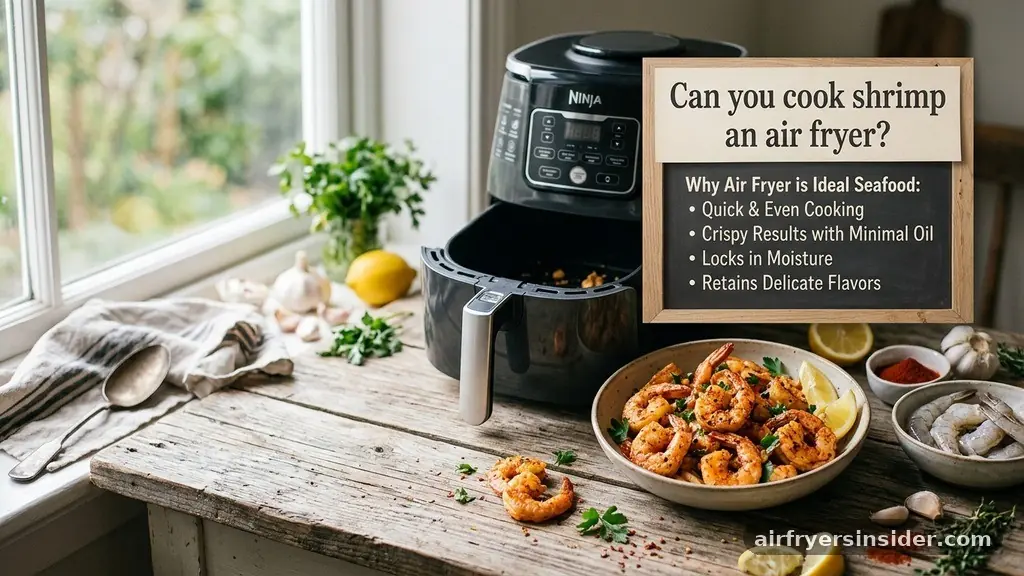
The magic of air frying lies in its ability to mimic deep-frying without the excess oil or the messy cleanup. When you place seafood in the basket, the concentrated heat creates a crispy texture on the exterior while keeping the meat tender and juicy on the inside.
This is particularly beneficial for shellfish, which are notoriously easy to overcook when using traditional methods. With a consistent heat source, you eliminate the guesswork associated with monitoring a skillet.
Beyond the speed, this method allows for incredible versatility. Whether you are using fresh, thawed, or even frozen shrimp, the air fryer handles the transition well.
The consistent airflow ensures that your seasonings—like garlic powder, paprika, or dried herbs—adhere to the surface, creating a flavorful crust. It is a highly efficient way to prepare a nutrient-dense meal, especially when you are short on time but still want to maintain a healthy, balanced diet at home.
Preparing Your Shrimp for Success
Before you even think about turning on the machine, proper preparation is the foundation of a great meal. You should always start with shrimp that have been properly cleaned; if you are buying them fresh, ensure they are deveined and shell-on or tail-off based on your preference.
If you are using frozen shrimp, make sure they are completely thawed and patted dry with paper towels. Excess moisture is the enemy of a crispy finish, as it creates steam rather than browning.
Once the shrimp are dry, toss them in a bowl with a light coating of olive oil. The oil acts as a carrier for your spices and helps facilitate the browning process. You don’t need much—just enough to coat them thinly.
Adding a splash of lemon juice or a sprinkle of aromatics at this stage will infuse the flavor deep into the flesh. Proper preparation ensures that every bite is seasoned evenly and cooked to the perfect internal temperature.
Optimal Temperature and Timing Guidelines
Timing is everything when dealing with delicate seafood. Most home chefs find that cooking at 400°F (200°C) is the sweet spot for achieving that desired snap. At this temperature, the shrimp usually require between 5 and 7 minutes, depending on their size.
Large or jumbo varieties will naturally take a minute or two longer than smaller, medium-sized ones. Always keep a close eye on them during the final minute of cooking, as they can transition from perfect to rubbery in a heartbeat.
Understanding Cooking Variations
| Shrimp Size | Recommended Time | Texture Notes |
|---|---|---|
| Small / Medium | 4 – 5 Minutes | Very tender, quick cook |
| Large / Jumbo | 6 – 8 Minutes | Better bite, slightly firmer |
| Frozen (Thawed) | 5 – 7 Minutes | Consistent results |
If you are unsure whether your batch is ready, a food thermometer is your best friend. Seafood is safely cooked once it reaches an internal temperature of 145°F. If you do not have a thermometer, look for the color change; the flesh should turn from translucent gray to an opaque, milky pink color throughout.
Avoiding Common Air Frying Pitfalls
Even with a reliable appliance, there are mistakes that can ruin your dinner. One of the most frequent errors is overcrowding the basket. If you stack the shrimp on top of each other, the air cannot circulate freely around each piece.
This results in uneven cooking where some pieces are raw and others are scorched. Always arrange them in a single, even layer to ensure the hot air hits every surface.
Another common mistake is neglecting to preheat the unit. While some people argue you don’t need to preheat an air fryer, doing so for three minutes ensures the cooking process starts the moment the food hits the basket.
This initial blast of heat is essential for locking in moisture. Additionally, be mindful of cross-contamination; never use the same bowl or utensils for the raw shrimp and the finished, cooked product without washing them thoroughly in between.
The Role of Marinades and Seasonings
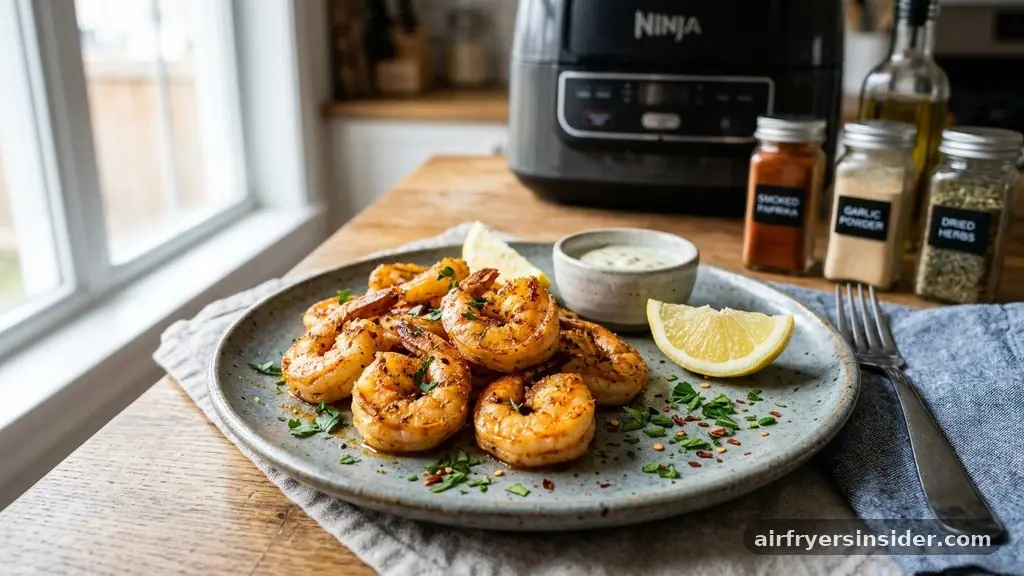
The beauty of cooking shrimp is how well they absorb bold flavors. Because the cooking time is so short, a quick marinade of 15 to 20 minutes is more than enough to transform the dish.
A classic combination involves olive oil, lemon juice, minced garlic, and a touch of paprika for color. You can experiment with spicy elements like chili flakes or even a bit of honey for a sweet-and-savory profile that pairs beautifully with a creamy dipping sauce.
Flavor Profiles to Try
- Garlic Butter & Herb: Toss with melted butter, fresh parsley, and garlic powder.
- Cajun Spice: Use a blend of cayenne, paprika, garlic, and onion powder for a Southern kick.
- Lemon Pepper: A zesty mix of cracked black pepper and fresh lemon zest keeps it light and bright.
- Mediterranean Style: Use oregano, olive oil, and feta cheese crumbles added right after cooking.
Avoid using overly sugary glazes early in the cooking process, as the high heat of the air fryer can cause the sugars to burn before the shrimp is cooked through. If you want a sticky, sweet glaze, apply it during the last minute of cooking or toss the shrimp in it immediately after removing them from the basket.
Advanced Techniques for Extra Crispiness
If you crave a super-crispy texture, there are a few tricks you can employ. Some home cooks lightly dust their shrimp in a small amount of cornstarch or almond flour before adding the oil.
This creates a thin, dry barrier that helps the surface crisp up significantly better than it would on its own. It is a great technique if you are planning to serve the shrimp with a thick cocktail sauce, as the coating helps the sauce cling to the meat.
Another trick involves the use of parchment paper. While you should never line the entire bottom of the basket in a way that blocks airflow, using a small, perforated piece of parchment paper can make cleanup much easier, especially if you are using a sticky marinade. Just ensure the paper is weighted down by the food so it doesn’t fly up into the heating element, which could pose a safety risk.
Addressing Topical Gaps in Seafood Air Frying
Many people ask about the difference between cooking shell-on versus peeled shrimp. Cooking with the shell on can help protect the meat from overcooking, keeping it incredibly succulent. However, it makes the eating experience messier and prevents the seasoning from reaching the flesh directly.
If you want maximum flavor, peel and devein before cooking. If you want the most tender, steamed-like texture, keep the shells on.
Another gap in common knowledge is the difference between air frying and roasting in a conventional oven. While both use hot air, the air fryer is significantly more efficient due to its smaller chamber and more powerful fan.
This means you generally need to reduce your oven temperature by 25 degrees and increase the time when converting a recipe. For the best results, always prioritize the air fryer for smaller, quick-cooking proteins like shrimp, reserving the oven for larger roasts or bulk baking.
Managing Seafood Safety and Quality
Seafood safety is paramount when working with any cooking method. Always purchase your shrimp from a reputable source and keep them refrigerated or frozen until the very moment you are ready to prep.
If you are thawing frozen shrimp, do so in the refrigerator overnight or under cold running water. Never thaw shrimp on the kitchen counter, as this places the food in the temperature danger zone where bacteria can multiply rapidly.
Once cooked, shrimp should be consumed immediately for the best texture. If you have leftovers, store them in an airtight container in the refrigerator for no more than two days. Reheating shrimp in the air fryer is possible, but you must be careful; use a low temperature (around 300°F) for just a minute or two to warm them through without turning them into rubber.
Incorporating Shrimp into a Healthy Routine
Shrimp is a powerhouse of nutrition, making it a staple for those following a low-carb or keto-friendly diet. It is naturally high in protein and very low in calories, providing essential minerals like selenium and iodine.
By using the air fryer, you avoid the need for breading or heavy frying oils, keeping your meal clean and heart-healthy. Serve your crispy shrimp over a bed of cauliflower rice or with a side of roasted asparagus for a complete, satisfying dinner.
Pairing your shrimp with a homemade dipping sauce can elevate a simple meal into something special. A classic cocktail sauce made with sugar-free ketchup, fresh horseradish, and a squeeze of lime is a perfect match. Alternatively, a garlic-infused aioli or a spicy cilantro-lime crema can add a layer of richness that complements the natural sweetness of the shellfish.
FAQ
Can I put raw frozen shrimp directly into the air fryer?
Yes, you can cook them straight from frozen, but you should add about 2 to 3 minutes to the cooking time. Ensure they are not stuck together in a block, as they need to be separated to cook evenly.
What happens if I overcook the shrimp?
Overcooked shrimp becomes rubbery, tough, and loses its natural sweetness. Because shrimp cooks so quickly, it is better to slightly undercook it and let it sit for a minute, as the residual heat will finish the process perfectly without toughening the meat.
Is it necessary to use oil when air frying shrimp?
While not strictly required, a light coat of olive oil or avocado oil spray is highly recommended. It helps the seasonings stick, promotes even browning, and prevents the shrimp from drying out during the rapid circulation of hot air.
How do I prevent the shrimp from sticking to the basket?
To prevent sticking, ensure your basket is lightly oiled before adding the shrimp. If you are worried about cleanup, use a perforated parchment paper liner designed for air fryers, but never use standard foil or paper that blocks the airflow.
Conclusion
Learning how to master the air fryer for your seafood dishes opens up a world of convenience for busy evenings. Once you understand the importance of drying your shrimp, avoiding overcrowding, and monitoring the temperature, you will find that it is arguably the most consistent way to prepare this protein. Whether you are aiming for a quick dinner after work or looking for a healthy, keto-friendly option to fuel your week, this method delivers excellent results every time.
Start with basic seasonings to get a feel for your machine’s unique heat intensity, and do not be afraid to experiment with different marinades and sides. Enjoy the simplicity and the delicious, crispy texture that only an air fryer can provide for your favorite seafood.
Meta Description: Discover how to cook perfectly crispy shrimp in an air fryer. Learn simple tips for seasoning, timing, and avoiding common mistakes for a quick dinner.


