

Determining whether you can put foil in an air fryer is a common point of confusion for new owners of these popular kitchen appliances. While manufacturers often provide specific guidelines, many home cooks wonder if using aluminum foil will damage the machine or ruin their dinner.
The good news is that under the right conditions, it is generally safe to use this material to simplify cleanup and improve your cooking results. By understanding how the device functions and where to place the material, you can enjoy the benefits of easier maintenance without compromising the integrity of your appliance or the safety of your food.
Understanding the Mechanics of Air Fryer Safety
Air fryers operate by circulating hot air at high speeds around the food, creating a crispy exterior similar to deep frying. This process relies on a powerful convection fan and a heating element located near the top of the unit.
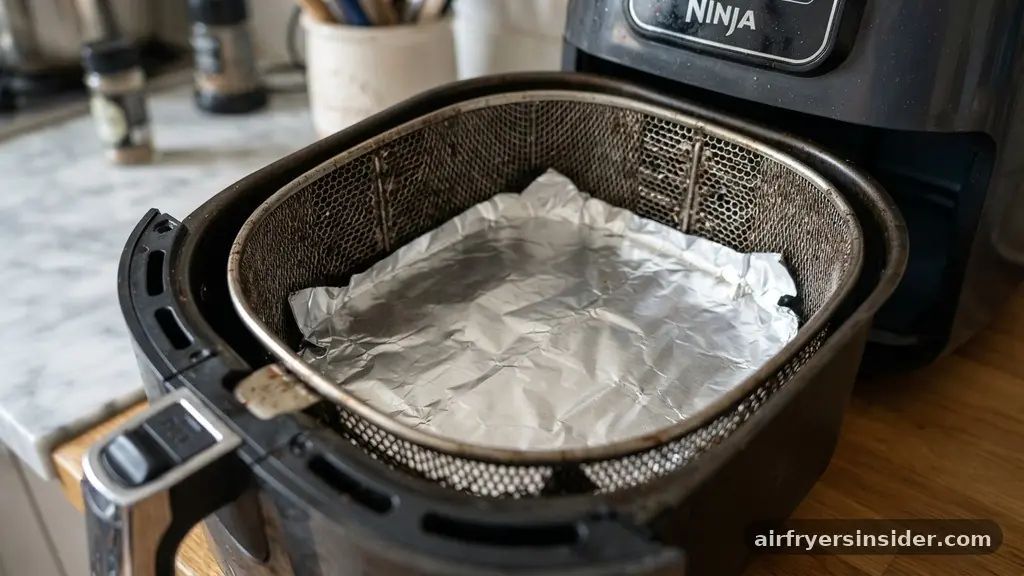
When you place items inside the air fryer basket, they must allow for unobstructed air circulation to cook evenly. Because the heating element is intense, placing lightweight materials like foil inside requires careful placement to ensure it doesn’t get sucked into the fan or block the vents.
The primary concern regarding aluminum foil is its potential to interfere with the intended airflow. If a sheet of foil is too large or not weighed down by food, the convection fan can lift it, potentially causing it to strike the heating element.
This creates a significant fire hazard and can damage the internal components of the device. Consequently, you should always ensure the foil is secured by the weight of the food you are cooking and that it does not extend beyond the perimeter of the cooking tray.
Best Practices for Using Foil Safely
To use aluminum foil effectively, you should always prioritize the stability of the sheet within the basket. Never leave loose edges that could flutter in the high-velocity air stream.
If you are cooking something lightweight, such as small vegetables or thin slices of meat, it is better to skip the foil entirely or use a perforated silicone liner instead. When you do use foil, ensure it is cut to fit the bottom of the basket snugly, leaving room around the edges for air to pass through.
Another critical factor is the avoidance of direct contact with the heating element. Most modern air fryers have a metal grill or tray, and the foil should remain strictly on this surface.
If you are using a foil tray or a custom-shaped piece of foil, verify that it does not touch the walls of the basket, as this can trap heat and lead to uneven cooking or localized overheating. Always prioritize the free movement of air, as this is the core principle behind the efficiency of your machine.
The Interaction Between Acidic Foods and Aluminum
Many cooks overlook the chemical reaction that can occur when using aluminum foil with specific ingredients. Acidic foods, such as those containing citrus juices, tomatoes, or vinegar, can react with the surface of the aluminum.
This interaction may cause small amounts of the metal to leach into your food, which can alter the flavor and potentially leave a metallic taste. While the health risks associated with minimal exposure are often debated, it is best to avoid using foil when preparing highly acidic recipes.
If your recipe calls for marinating ingredients in lemon juice, wine, or tomato-based sauces, opt for alternative liners like parchment paper designed for air fryers. Parchment paper is generally inert and will not react with your ingredients, preserving the authentic taste of your dish. If you absolutely must use a liner for acidic foods, silicone liners are an excellent choice because they are chemically stable and provide a non-stick surface without the risk of metallic transfer.
Comparing Liners: Foil vs. Parchment Paper vs. Silicone
Choosing the right liner depends on the type of meal you are preparing and your goals for cleanup. Each material offers distinct advantages and drawbacks that you should consider before starting your cooking cycle.
| Material | Best For | Key Limitation |
|---|---|---|
| Aluminum Foil | High-heat roasting, keeping food moist | Can react with acidic foods |
| Parchment Paper | Baking, preventing sticking | Can burn if not weighted down |
| Silicone Liners | Frequent, daily use | Blocks airflow if not perforated |
Aluminum foil excels at retaining moisture for meats and vegetables, making it a great choice for slow-roasting or steaming within the basket. Parchment paper is superior for baking cookies or delicate items where you want a clean release without the risk of an metallic reaction.
Silicone liners are the most durable and sustainable option, but because they are thicker, they can sometimes inhibit the circulation of air if they cover the entire bottom of the basket. Always check for vent holes in your chosen liner to maintain optimal convection cooking performance.
Identifying and Avoiding Common Risks
The most common mistake people make is placing foil in the air fryer during the preheating phase without any food on top. When the fan starts, the air pressure can lift the light foil sheet, causing it to touch the heating element.
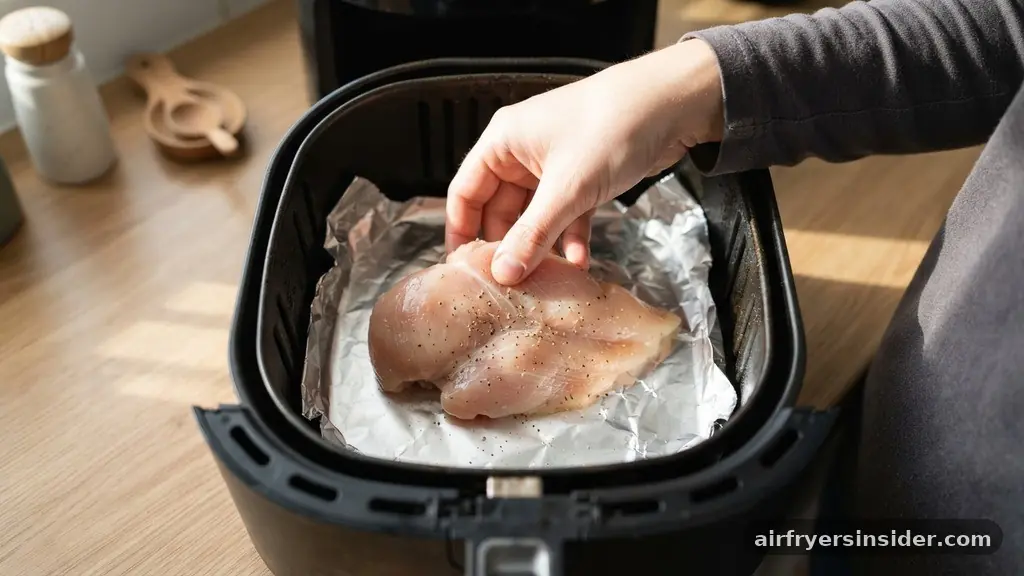
This can lead to a fire hazard or at least cause the foil to melt or burn, ruining your meal. Always wait until you have your food ready to place on top of the foil to act as an anchor before you initiate the cooking cycle.
Furthermore, avoid using foil to cover the entire bottom of the basket if your appliance has a tray that requires airflow from the sides. Many air fryers have a basket design where the air flows through the sides and bottom; blocking these vents restricts the effectiveness of the convection process. If you notice your food is coming out soggy or taking much longer to cook than the recipe suggests, it is likely that your liner is restricting the airflow too much.
Topical Gaps: Addressing Specific User Questions
Users often ask if they can wrap food completely in foil inside an air fryer. While you can create a “foil packet” for steaming vegetables or fish, you must ensure the packet is small enough to allow air to circulate around it.
If the packet fills the entire basket, the air cannot reach the bottom of the food, and you will essentially be baking or steaming rather than air frying. Keep your packets small and leave at least an inch of space on all sides.
Another common question involves the use of heavy-duty versus standard foil. Heavy-duty aluminum foil is generally safer because it is thicker, less likely to tear, and more resistant to being lifted by the fan.
If you are going to use foil, investing in a high-quality, thicker version is a smart move that improves durability. Additionally, ensure you are not using foil that has been pre-coated with non-stick sprays unless specifically labeled as oven-safe, as some coatings may degrade under the high heat of an air fryer.
The Impact of Liners on Cooking Times
Using a liner like foil can alter your cooking times, though usually only by a few minutes. Because foil reflects heat, it can sometimes accelerate the cooking process for items directly touching it, while potentially insulating the bottom of the food and slowing down the crisping process. You should monitor your food closely during the first time you use foil for a specific recipe to determine if you need to adjust your timer or temperature settings.
If you are cooking items that require a crispy bottom, such as breaded chicken or fries, using a liner is often counterproductive. The air circulation is essential for dehydrating the surface of the food to create that signature crunch.
If you find that your food is not reaching the desired level of crispness, try removing the foil for the final few minutes of the cooking cycle. This allows the hot air to reach the bottom of the food and finish the crisping process effectively.
Maintaining Your Appliance and Non-Stick Coating
The interior of most air fryer baskets is treated with a non-stick coating that can be scratched by metal utensils or the edges of aluminum foil. While foil itself is softer than the metal of the basket, dragging it across the surface can eventually cause wear and tear on that delicate coating.
Always place the foil carefully into the basket rather than sliding it into position. This simple habit will extend the lifespan of your appliance and keep the non-stick surface functioning for years.
Regarding cleanup, while foil makes the process easier, you should still clean the basket regularly. Fats and juices can sometimes leak around the edges of the foil and accumulate on the bottom of the basket.
If these residues are left to burn during subsequent cooking cycles, they can create smoke and odors. Even when using liners, wipe down the basket after every use to ensure that no hidden grease deposits remain, which helps maintain the overall performance of your kitchen appliances.
Strategic Placement for Optimal Airflow
To maximize the benefits of air frying while using foil, focus on the geometry of your basket. The goal is to create a channel for the air to flow around your food.
If you are roasting vegetables, use the foil to create a small “bowl” shape that keeps the juices contained but does not block the side vents. If you are cooking a single large item, place the foil directly underneath it, ensuring the sheet is no larger than the item itself.
Remember that the convection fan is the heart of the machine. Anything that interferes with its ability to draw air through the basket will result in less efficient cooking.
If you ever feel uncertain about whether a piece of foil is safe to use, the safest option is to omit it or switch to a purpose-built accessory designed for your specific model. Modern air fryers are engineered for specific airflow dynamics, and respecting those design parameters is the best way to ensure consistent, delicious results every time you cook.
FAQ
Is it safe to put foil in an air fryer?
Yes, it is generally safe to use aluminum foil in an air fryer, provided you use it correctly. Always ensure the foil is weighed down by food so it cannot be lifted by the fan, and never cover the entire bottom of the basket, as this restricts necessary airflow.
Can I wrap chicken in foil in an air fryer?
You can wrap food in foil to create a packet for steaming or to keep moisture in, but it will prevent the chicken from getting crispy. If you want a crispy skin, avoid wrapping the chicken entirely and use the foil only as a flat base under the meat.
Is it better to use parchment paper or foil in an air fryer?
It depends on your goal. Parchment paper is better for baking or preventing sticking without chemical reactions, while aluminum foil is superior for high-heat roasting or containing juices. Foil is more durable, but parchment paper is safer for acidic foods like tomato or lemon-based recipes.
What should you not put in an air fryer?
Avoid putting light, loose materials like parchment paper without food on top, as they can fly into the heating element. Also, avoid using oversized baking dishes that block airflow, wet batters that drip through the basket, and acidic ingredients that might react with aluminum foil liners.
Conclusion
Using aluminum foil in your air fryer is a practical way to simplify your post-meal cleanup and manage messy ingredients, provided you follow the core rules of safety and airflow. By ensuring your foil is securely weighed down and never blocking the essential vents, you can maintain the high-performance convection cooking that makes air fryers so effective. Remember to watch for acidic foods that might react with the metal and prioritize parchment or silicone when necessary.
With these simple adjustments, you can confidently use your appliance for a wide range of recipes. If you have any favorite air fryer hacks or tips for managing your cooking space, feel free to share your experiences with the community. Happy cooking and enjoy the versatility of your kitchen setup.
Meta Description: Discover the safe way to use aluminum foil in an air fryer. Learn about airflow, avoiding fire hazards, and the best alternatives for cooking success.


