

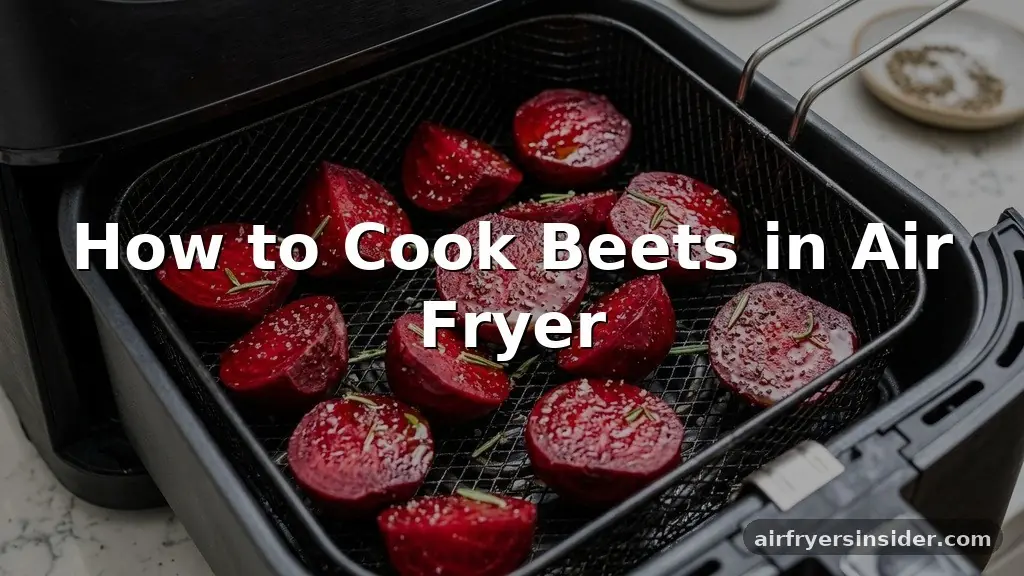
Learning how to cook beets in air fryer is a transformative experience for anyone who loves root vegetables but dreads the long oven-roasting times. By utilizing the rapid convection heat of an air fryer, you can achieve a tender, earthy result in a fraction of the time compared to conventional methods. Whether you are looking for a quick side dish for a busy weeknight or preparing a base for a vibrant hummus, mastering this technique offers incredible consistency.
This approach yields a slightly charred, roasted finish that deepens the natural sweetness of the beetroot while maintaining a perfect texture. You will find that once you try this method, it quickly becomes a staple in your kitchen rotation.
Why the Air Fryer Excels for Root Vegetables
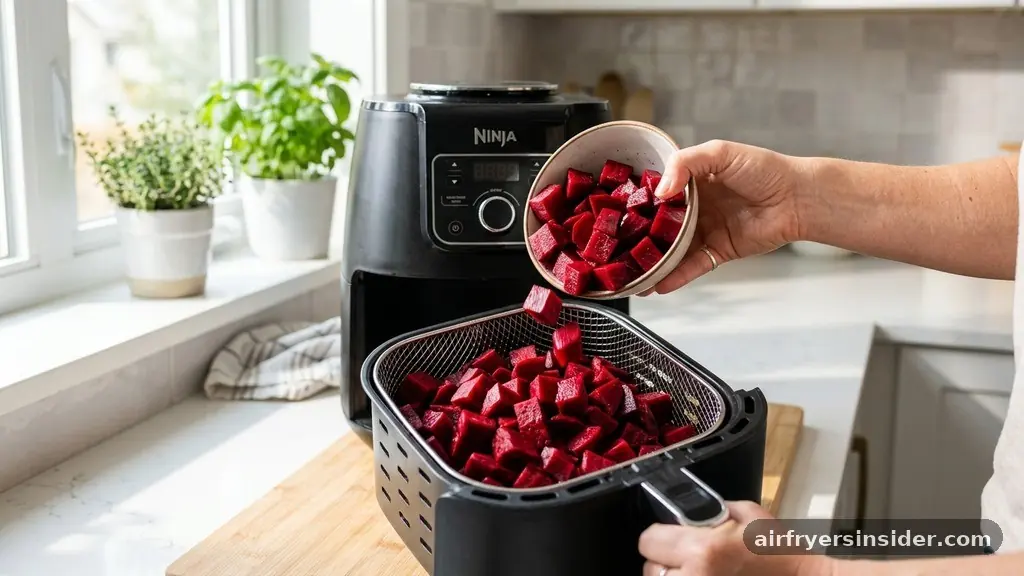
When you consider how to cook beets in air fryer, you are essentially leveraging the power of concentrated convection heat. Unlike a standard oven, which takes time to preheat and circulate air around large, cold spaces, an air fryer creates a small, intense environment.
This efficiency is perfect for dense vegetables like beets, which require sustained heat to break down their complex fibers. The air fryer basket allows heat to hit the surface of the vegetable from all angles, ensuring an even, caramelized exterior without needing to boil or steam them first.
Furthermore, the process is incredibly clean. Many home cooks avoid preparing this vegetable because of the mess associated with boiling them in pots of water. When you use an air fryer, you minimize the cleanup significantly.
The result is a concentrated flavor profile that boiling often washes away. In fact, many people find that air-fried beets retain a more intense, “true” beet flavor, making them far superior for salads, grain bowls, or simple snacking. The convenience of setting a timer and walking away is just the icing on the cake for this versatile cooking method.
Preparation Tips for Air-Fried Beets
Before you begin the actual cooking process, proper preparation is the secret to success. Start by thoroughly scrubbing your beets under cold running water to remove any lingering dirt or debris. If you are using fresh, unpeeled beets, you have a choice to make regarding the skin.
Many enthusiasts prefer keeping the skin on for a rustic texture and added fiber, while others find that peeling makes for a smoother finished product. If you decide to peel, a standard vegetable peeler works wonders, but keep in mind that the process is easier after the beets have been cooked.
Once they are cleaned, you need to ensure they are prepped for even cooking. Because beets vary in size, you should slice them into uniform cubes or wedges. This is a critical step; if your pieces are inconsistent, some will turn to mush while others remain raw in the center.
Aim for roughly one-inch chunks to ensure they cook through within the standard time frame. If you prefer roasting them whole, you will need to adjust your expectations regarding time, as large, un-sliced beets will take significantly longer to reach that desired fork-tender consistency.
The Role of Oil and Seasoning
While some people attempt to cook vegetables without any fat, using a small amount of oil is essential for the best texture. A light coating of olive oil helps conduct the heat evenly across the surface of the beet, which is what creates that slightly charred, roasted finish that defines a great air-fried vegetable.
You don’t need to drown them; a tablespoon or two for a pound of beets is usually plenty. The oil also acts as a binder for your seasonings, ensuring they stick to the vegetable rather than falling to the bottom of the air fryer basket.
When it comes to flavor, keep it simple initially. A generous sprinkling of salt and black pepper is often all that is required to highlight the natural, earthy sweetness of the beetroot.
However, if you want to experiment, you can add dried herbs like thyme or rosemary during the final few minutes of cooking. Avoid adding delicate fresh herbs or sweet glazes at the very beginning, as the high heat of the air fryer can cause them to burn or smoke before the beets are cooked through.
Managing the Cooking Process and Timing
To optimize the cooking process, consistency is your best friend. Start by preheating your air fryer to 375°F (190°C). While some modern units don’t strictly require preheating, it helps to ensure that the cooking cycle begins with the correct intensity.
Place your seasoned beet cubes into the air fryer basket in a single layer. If you stack them too high, the air cannot circulate effectively, and you will end up with steamed beets rather than roasted ones. If you have a large batch, it is better to cook them in two smaller sessions.
Timing will vary based on the size of your beet pieces and the specific model of your air fryer. Generally, you should check for doneness at the 15-minute mark. Use a fork to test the texture; they should be fork-tender and offer little resistance.
If they are still firm, give the basket a good shake to redistribute the pieces and cook for another 5 to 10 minutes. This shaking step is vital, as it ensures that all sides of the cubes get equal exposure to the hot air, preventing any single side from scorching while the rest stays raw.
Addressing the Foil vs. Direct Air Method
A common question is whether you should use aluminum foil when cooking beets. Using foil is a great way to mimic the effect of a traditional oven roast, where the vegetables steam in their own juices. This creates an incredibly soft, buttery interior.
However, it sacrifices the crisp, caramelized edges that many people love about air frying. If your goal is a tender, mashed-potato-like consistency, wrapping the beets in foil is the way to go. If you want a bit of texture and a roasted flavor, skip the foil and place them directly in the basket.
If you do choose to use foil, keep in mind that it will increase the cooking time. The foil acts as a barrier, meaning the hot air has to work harder to penetrate the metal before it even reaches the vegetable.
You might need to add an extra 10 to 15 minutes to your total time. Some home cooks use a hybrid approach: they cook the beets in foil for the first half of the time to ensure they are cooked through, then remove the foil for the final 5 minutes to allow the surface to crisp up.
Flavor Pairings and Serving Suggestions
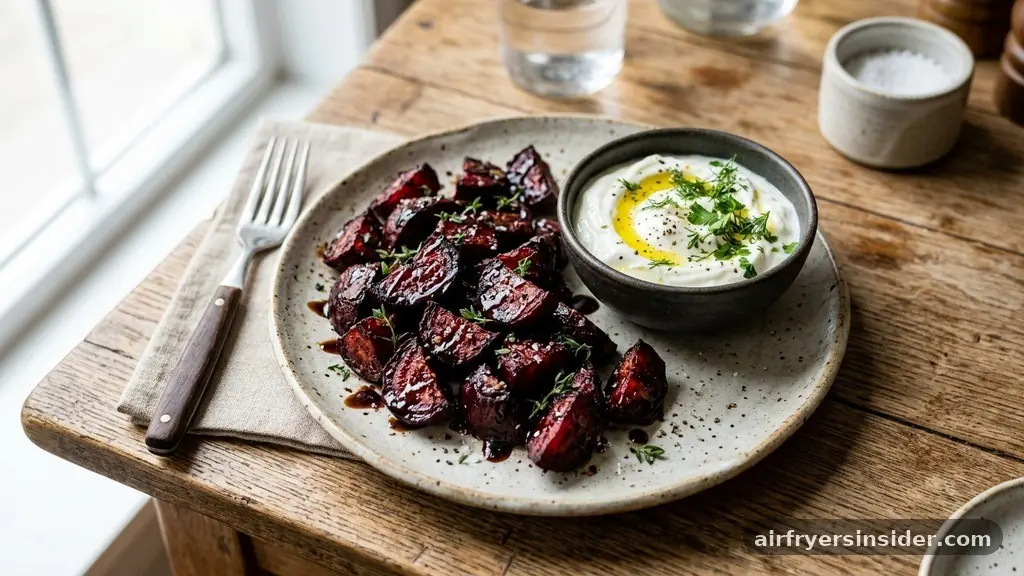
Once your beets are tender and ready to serve, the possibilities for pairing are endless. Because of their deep, earthy profile, they work exceptionally well with acidic and salty counterparts. A classic combination is to toss the hot beets with a splash of balsamic glaze.
The acidity of the vinegar cuts through the density of the root vegetable, providing a balanced bite. You can also serve them as a side dish alongside grilled proteins like pork chops or salmon, where their sweetness complements the savory nature of the meat.
For a Mediterranean twist, serve your air-fried beets over a bed of creamy yogurt or a vibrant hummus. The contrast between the warm, roasted beets and the cool, smooth dip is fantastic for a light lunch or an appetizer.
You can also crumble goat cheese or feta over the top while the beets are still warm; the residual heat will soften the cheese slightly, creating a luxurious, creamy coating. Don’t forget to add a handful of toasted walnuts or pumpkin seeds for a much-needed crunch that rounds out the dish perfectly.
Topical Gaps: Air Frying Large vs. Small Beets
Many resources gloss over the fact that not all beets cook the same way. Smaller, younger beets—often referred to as baby beets—have a higher water content and a more delicate skin. You can often cook these whole with excellent results.
Larger, older beets are much denser and have thicker, tougher skin. If you are working with large beets, you absolutely must peel them and cut them into small, uniform pieces. Attempting to cook a large, whole, mature beet in an air fryer will result in an exterior that is burnt and leathery while the inside remains raw and inedible.
Another gap in common knowledge is how to handle the beet greens. Many people discard the greens, but they are entirely edible and delicious. If you are cooking your beets in the air fryer, you can toss the washed greens in with the beets during the last 2 minutes of the cycle.
They will wilt down quickly, similar to spinach, and pick up the flavor of the oil and seasonings you used for the roots. This eliminates food waste and provides an extra serving of nutrient-dense greens to go along with your main dish.
Comparison of Cooking Methods
To understand why the air fryer is such a popular choice, it helps to compare it against traditional methods. The following table highlights the differences in time, texture, and convenience.
| Cooking Method | Approximate Time | Texture | Best Used For |
|---|---|---|---|
| Boiling | 45-60 Minutes | Soft, Waterlogged | Salads, Pickling |
| Oven Roasting | 60-90 Minutes | Caramelized, Sweet | Large Batches |
| Air Frying | 20-30 Minutes | Crispy, Roasted | Quick Sides |
As shown in the table, air frying sits in the “sweet spot” for most home cooks. It provides the flavor of roasting but operates on a timeline closer to boiling, making it the most efficient choice for daily cooking. While oven roasting remains the king for large family gatherings where you need to cook three pounds of vegetables at once, the air fryer wins for efficiency, energy usage, and cleanup.
Common Mistakes to Avoid
Even with a straightforward process, there are a few pitfalls that can ruin your results. One of the most frequent errors is overcrowding the basket. If you pack the beets in, they will steam in each other’s moisture, resulting in a soggy, unappealing texture.
Always ensure there is enough space for the air to flow between each piece. Another mistake is failing to season at the right time.
While you can add some spices before cooking, strong aromatics like garlic powder can burn if they are in the air fryer for too long. If you want to use garlic, add it in the final 5 minutes of the process.
Lastly, do not ignore the importance of checking your beets frequently. Because air fryers vary significantly in wattage and fan strength, a “20-minute” recipe might take 15 minutes in one machine and 25 in another. Treat the suggested times as a guideline rather than a strict rule.
Using a fork to test for tenderness is the only way to be certain. If you find your beets are browning too fast on the outside but are still hard on the inside, lower the temperature to 350°F (175°C) and let them cook for a longer duration to allow the center to catch up.
Frequently Asked Questions
Is it better to air fry or roast beets?
Air frying is superior for speed and achieving a crisp, roasted texture on smaller portions. Traditional oven roasting is better when you need to cook a large volume of beets at once, as it allows for uniform cooking across a larger surface area without overcrowding.
Are you supposed to peel beets before cooking?
It is a matter of personal preference. Peeling removes the outer layer, which can be tough or gritty, but keeping the skin on adds fiber and a rustic texture. If you choose to keep the skin, ensure the beets are scrubbed exceptionally well under cold water.
Can I cook beets in an air fryer without oil?
You can, but it is not recommended if you want a roasted finish. A small amount of oil helps conduct heat, ensuring the beets brown rather than just drying out. Without oil, the beets may become leathery or woody before they reach a tender, fork-pierced consistency.
How do I know when the beets are finished?
The best way to check is by using a fork. Carefully remove a piece and pierce it; the fork should slide in with almost no resistance. If the beet feels firm or offers a “crunch” when pierced, it requires more time in the air fryer.
Final Thoughts
Mastering the art of cooking beets in an air fryer is a simple way to elevate your vegetable game without spending hours in the kitchen. By focusing on uniform sizing, proper seasoning, and adequate air circulation, you can achieve a consistent, delicious result every time. Whether you choose to enjoy them as a standalone side dish or incorporate them into more complex recipes like salads or spreads, you will find that this method brings out the best in the vegetable.
Start with a small batch to get a feel for your specific appliance, and don’t be afraid to experiment with different herbs and fats to find your perfect flavor combination. Happy cooking, and enjoy the vibrant, earthy goodness of your perfectly prepared beets.
Meta Description: Learn how to cook beets in air fryer for a quick, delicious side dish. Master the perfect timing and preparation tips for a sweet, roasted finish.


