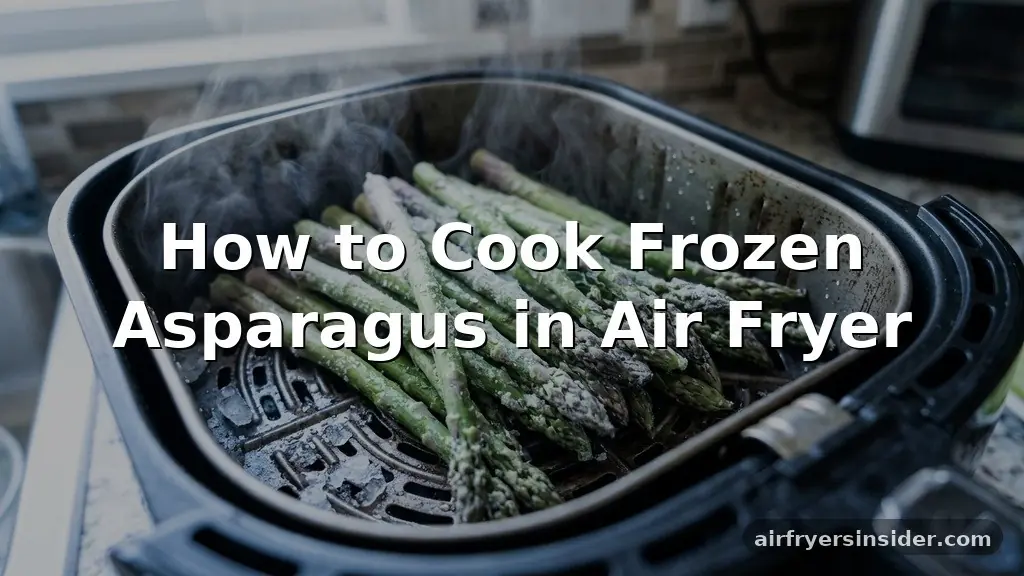
Learning how to cook frozen asparagus in air fryer units is a secret weapon for busy home cooks who want healthy sides in minutes. You don’t need to thaw your veggies beforehand, and in fact, keeping them frozen helps maintain their structure during the high-heat blast of the air fryer. By following a few simple adjustments to your standard cooking routine, you can transform icy, limp stalks into a vibrant, flavorful dish that rivals fresh produce.
This method saves time while ensuring you still get that satisfying crunch and deep, roasted flavor that makes asparagus a favorite green vegetable for dinner tables everywhere.
Why Frozen Asparagus Works Perfectly in Air Fryers 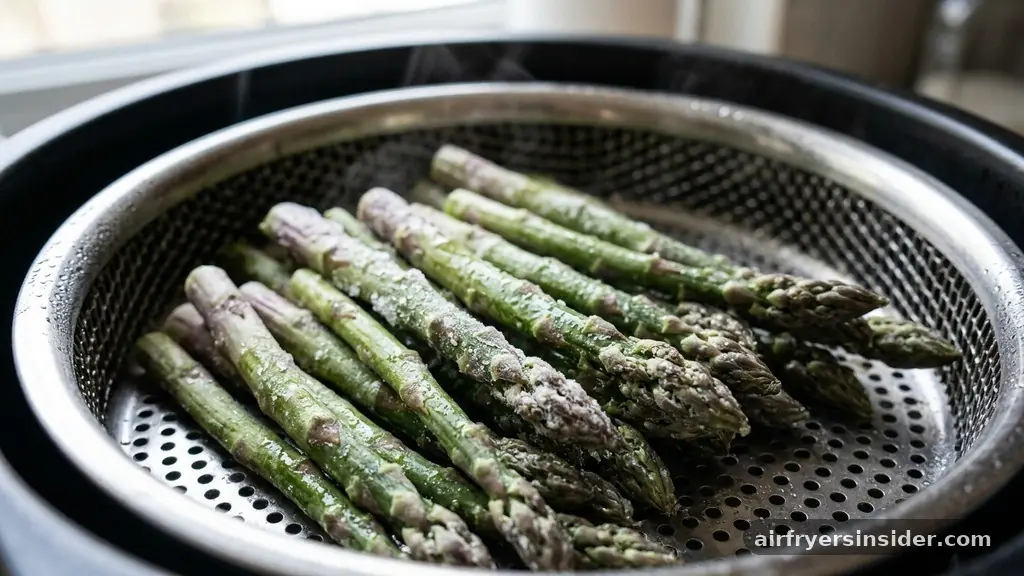
The primary advantage of using an air fryer for frozen vegetables is the intense heat and rapid air circulation. Unlike an oven, which takes time to preheat and distributes heat more slowly, an air fryer creates a convection environment that targets moisture evaporation immediately.
When you place frozen asparagus directly into the basket, the extreme heat works to evaporate the ice crystals on the surface of the stalks before they can turn the vegetable into a mushy mess. This process is essential for achieving a desirable texture rather than a soggy, boiled-like consistency.
Another reason this works so well involves the Maillard reaction. Even though the stalks start out frozen, the high temperature of the air fryer allows the exterior to brown and caramelize effectively. You are essentially roasting the vegetable from a frozen state, which concentrates the natural sugars and creates a depth of flavor that simple steaming cannot match.
Because asparagus is naturally thin and fibrous, it responds remarkably well to this rapid cooking method, often requiring less than fifteen minutes from freezer to plate. It is a reliable way to ensure your side dish is ready exactly when your main protein finishes resting.
Preparing Your Frozen Asparagus for Best Results
Preparation is minimal, but there are a few tricks to ensure success. First, do not worry about removing the woody ends before freezing if you bought them pre-trimmed.
Most commercial frozen asparagus comes already cleaned and snapped. If you notice large ice chunks or significant frost buildup on the stalks, give them a quick rinse under cold water and pat them thoroughly dry with a paper towel. Removing excess surface water is vital because it prevents the stalks from steaming in the basket, which is the enemy of that sought-after crispy texture.
Once the asparagus is dry, you need to coat the stalks lightly with a healthy fat. Avocado oil or olive oil works best here because they handle high heat well and help distribute your seasonings evenly. Place the frozen stalks in a bowl, drizzle with a small amount of oil, and toss them until each spear is glistening.
This thin layer of oil acts as a heat conductor, helping the air fryer crisp up the outer layer while the interior becomes tender-crisp. Avoid using too much oil, as it can pool in the bottom of the basket and create unnecessary smoke.
Essential Seasoning Profiles for Asparagus
Asparagus has a mild, earthy flavor that pairs beautifully with a variety of seasonings. While simple is often better, you can experiment to keep your vegetable side dishes exciting throughout the week.
A classic combination involves kosher salt and freshly cracked black pepper. The salt helps draw out a bit of residual moisture, while the pepper adds a subtle, spicy kick. Garlic powder is another pantry staple that elevates the flavor profile significantly without the risk of burning that fresh, minced garlic faces in an air fryer.
If you want to move beyond the basics, consider adding a squeeze of fresh lemon juice or a sprinkle of parmesan cheese right before serving. The acidity of the lemon cuts through the richness of the oil, while the cheese adds a savory, umami-packed finish. You can also experiment with red pepper flakes for heat or a dusting of onion powder for a deeper, more savory base.
The key is to apply your dry seasonings after the oil coating so they adhere properly to the stalks rather than falling through the air fryer basket grate.
Understanding Temperature and Timing Variables
Getting the temperature and timing right is the difference between rubbery stalks and perfectly roasted spears. For most air fryers, a setting of 400 degrees Fahrenheit is the sweet spot.
This temperature is high enough to trigger the Maillard reaction while being gentle enough not to char the tips of the asparagus too quickly. If you are using a smaller air fryer or a model known for running very hot, you might consider dropping the temperature to 380 degrees to ensure even cooking throughout the batch.
Cooking times will vary based on the thickness of the asparagus spears. Thin stalks might be ready in as little as eight to ten minutes, while thicker, jumbo-sized spears may require twelve to fourteen minutes. Because the stalks are frozen, they require a bit of patience.
Do not be tempted to pull them out too early. Use a pair of tongs to check the texture; you want them to be tender-crisp, meaning they should offer a slight bite rather than collapsing completely.
If you prefer them well-done, add an extra two minutes to your timer.
Comparing Cooking Methods for Frozen Vegetables
To understand why the air fryer is superior for this task, it helps to look at how it stacks up against traditional methods. The following table highlights the differences in texture and flavor when preparing frozen asparagus using various common kitchen appliances.
| Cooking Method | Texture | Flavor Profile | Time Commitment |
|---|---|---|---|
| Air Fryer | Crispy and Tender | Roasted and Nutty | 10-12 Minutes |
| Boiling | Soft and Watery | Mild and Neutral | 5-7 Minutes |
| Microwave | Steam-softened | Steamed | 3-5 Minutes |
| Oven Roast | Roasted but uneven | Caramelized | 20-25 Minutes |
Managing Air Circulation and Basket Capacity
The air fryer relies entirely on the movement of hot air to cook food. If you crowd your basket, you are essentially steaming your food instead of roasting it. When cooking frozen asparagus, it is tempting to dump the entire bag into the basket, but this is a mistake. Ensure the stalks are in a single layer, or at most, a very loose, overlapping arrangement. If you have a large amount of asparagus, it is better to cook in two batches to ensure that every spear gets hit by the circulating hot air.
You should also make it a habit to shake the basket or use tongs to flip the stalks halfway through the cooking process. This manual intervention ensures that the side of the asparagus facing down gets exposed to the heat, preventing uneven cooking. If you are using parchment paper liners for easy cleanup, make sure they are perforated or designed for air fryers.
Using a solid sheet of parchment paper will block the airflow and significantly increase your cooking time, leading to inconsistent results across the basket.
Maximizing Nutritional Value and Health Benefits 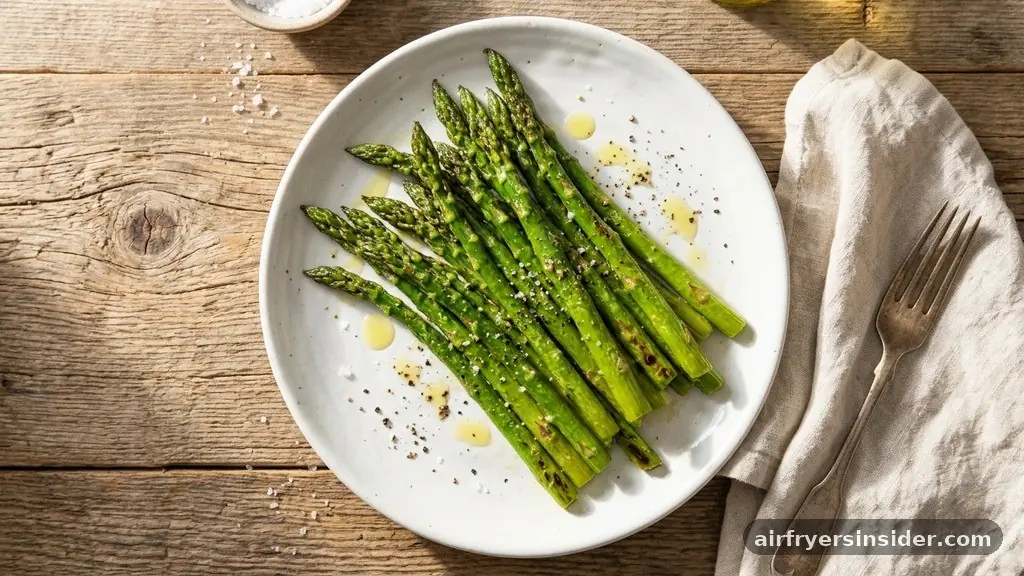
Asparagus is a powerhouse of nutrition, and cooking it correctly helps preserve those benefits. It is rich in dietary fiber, which aids digestion, and it is packed with antioxidants like glutathione and vitamin C.
When you use the air fryer, you are using a minimal amount of oil compared to pan-searing or deep-frying, which keeps the calorie count low while still providing a satisfying, savory taste. Because the cooking process is relatively fast, you are less likely to overcook the vegetable and lose the essential vitamins that are heat-sensitive.
If you are looking to increase the nutritional density of your meal, consider adding other frozen vegetables to the basket. A vegetable medley that includes snap peas or broccoli florets can be cooked alongside the asparagus, provided you adjust the cooking times to account for the different vegetable sizes. This creates a colorful, nutrient-dense side dish that requires almost no extra effort.
Just remember that denser vegetables will take longer to cook than the thin, delicate asparagus stalks.
Addressing Common Pitfalls and Troubleshooting
Many people struggle with frozen asparagus because they expect it to behave exactly like fresh. If you find your asparagus is coming out limp, it is almost certainly because of excess moisture. Before you even season the vegetables, take a moment to ensure they aren’t clumped together in a block of ice.
If they are, run them under a quick stream of warm water and shake them dry. This simple step prevents the “boiling in the basket” effect that ruins the texture of frozen produce.
Another common issue is burnt tips. Asparagus tips are delicate and thin, meaning they will crisp up much faster than the thick base of the stem. If you notice your tips are browning too quickly while the stalks are still raw, you can lightly tent the basket with a small piece of foil for the final few minutes of cooking.
Alternatively, arrange the stalks so the tips are pointing toward the center of the basket, where the air circulation is slightly less intense than at the edges.
Answering Frequently Asked Questions
Can you cook frozen asparagus in an air fryer without thawing it first?
Yes, you absolutely can and should cook it directly from frozen. Thawing the asparagus beforehand often results in a mushy, waterlogged texture because the cell structure breaks down. Cooking it frozen allows the high heat of the air fryer to crisp the exterior while the inside reaches a perfect tender-crisp state.
How do I prevent my asparagus from becoming soggy?
The key to avoiding soggy asparagus is to minimize moisture. Ensure the stalks are not covered in thick ice crystals before cooking. If they are, pat them dry with a towel. Also, avoid overcrowding the air fryer basket, as proper air circulation is essential for evaporating excess water and achieving a crispy finish.
What are the best seasonings to use on air-fried asparagus?
Classic seasonings like kosher salt, black pepper, and garlic powder work exceptionally well. For added depth, try tossing the stalks with parmesan cheese or finishing the dish with a splash of fresh lemon juice. These ingredients enhance the natural, earthy flavor of the asparagus without overpowering it.
Is it necessary to use oil when air frying frozen vegetables?
While you can technically cook without oil, using a light coating of avocado or olive oil is highly recommended. The oil helps distribute the heat evenly across the surface of the stalks, which is crucial for achieving a browned, crispy texture and ensuring your seasonings stick to the vegetable.
Achieving Perfect Results Every Time
Mastering the art of cooking frozen asparagus in an air fryer is all about balance. By controlling the moisture, managing your basket space, and using high-heat-friendly oils, you can turn a humble freezer staple into a restaurant-quality side dish. Whether you are serving it alongside a steak, grilled fish, or as part of a vegetarian bowl, this method proves that convenience does not have to come at the cost of flavor or texture. Start with these foundational techniques, experiment with your favorite spice blends, and you’ll soon find that your air fryer is the only tool you need for perfect, crispy greens. Keep your freezer stocked, and you are always just a few minutes away from a delicious, healthy meal.
Meta Description: Learn how to cook frozen asparagus in air fryer for a perfect, crispy result. Follow these professional tips for timing, seasoning, and texture.