Mastering the art of reheating Wingstop in air fryer setups transforms yesterday’s leftovers into a meal that tastes almost as fresh as the original order. While many people struggle with soggy breading or dried-out meat, the secret lies in managing moisture levels and heat intensity. By leveraging the rapid convection heat of your appliance, you can restore that signature crunch to your classic bone-in wings and ensure your sides regain their savory appeal.
This process is far superior to using a microwave, which often leaves food rubbery or unevenly heated. With the right technique, you’ll avoid common pitfalls and enjoy your favorite flavors exactly how they were intended.
The Science of Air Fryer Reheating
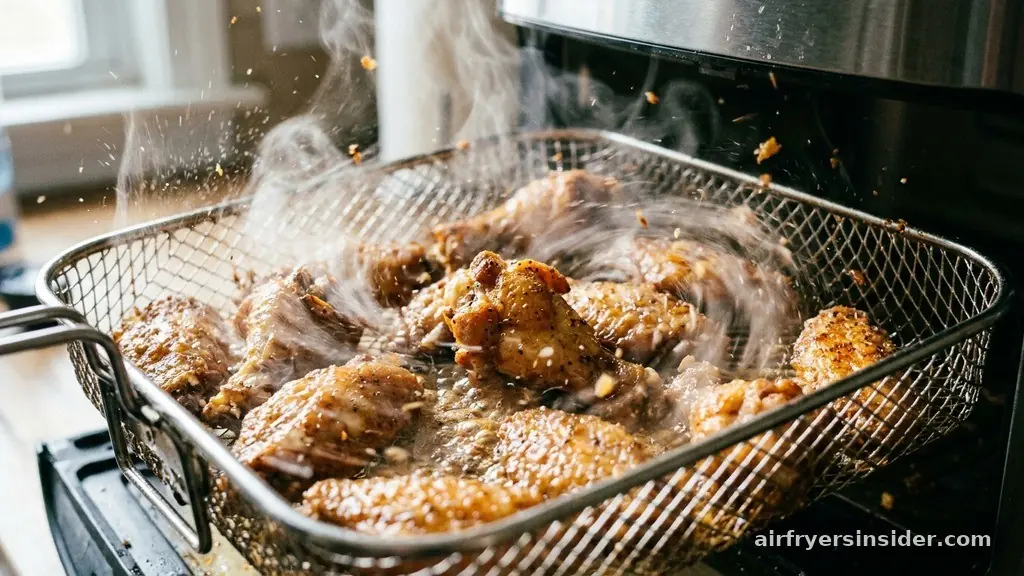
The primary reason an air fryer succeeds where a microwave fails is its ability to circulate hot air rapidly around the food. When you are reheating leftovers, the goal is to drive moisture out of the outer layer while keeping the internal meat succulent.
Convection heat mimics the original frying process, which is why your wings emerge with a crispy skin rather than a steamed, limp exterior. A microwave, by contrast, vibrates water molecules, which often results in a soft, mushy texture that ruins the quality of the breading.
Understanding the mechanics of your appliance helps you achieve better results. The air fryer basket acts as a chamber where thermal circulation is maximized.
Because the device is essentially a high-powered convection oven, it creates a crispness that is difficult to replicate with traditional ovens, which take much longer to reach the necessary temperatures. By mastering this equipment, you ensure that the fats within the skin render properly again, providing that satisfying crunch that defines a great wing experience.
Preparing Your Leftover Wings for Best Results
Before you even plug in your appliance, you must prepare the food correctly to ensure even heating. Start by removing the wings from the refrigerator about 15 minutes before you plan to start cooking.
This allows the meat to lose some of its chill, preventing the exterior from burning while the center remains cold. If you try to reheat them straight from the fridge, you risk an uneven temperature gradient that can lead to food safety concerns.
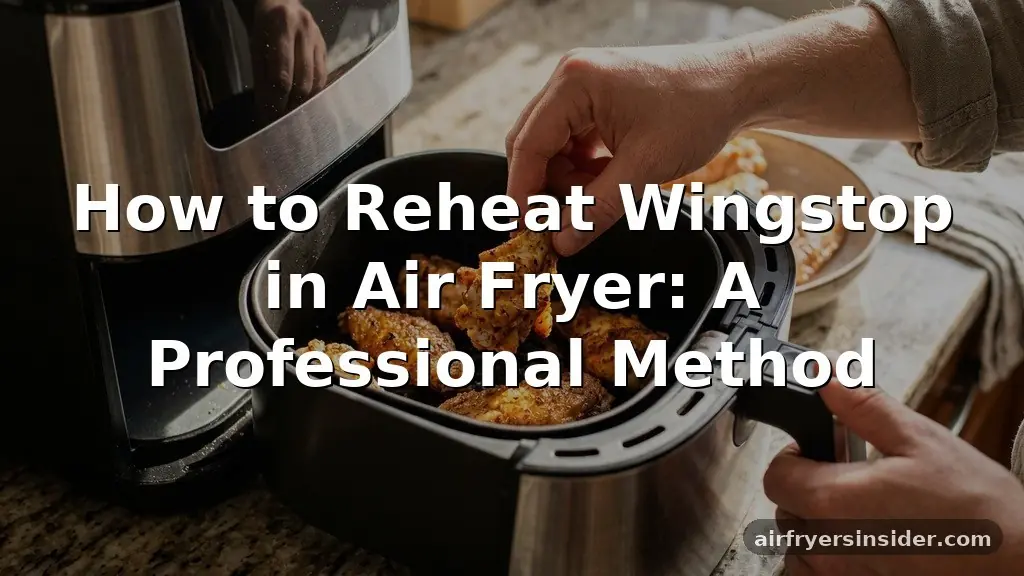
Organizing the wings in the air fryer basket is a critical step for consistent results. Avoid stacking the pieces on top of one another. Instead, arrange them in a single layer with enough space between each wing for air to flow freely.
If you have a large batch, it is much better to cook in two separate sessions than to crowd the basket. Proper spacing is the difference between perfectly golden-brown wings and a pile of partially steamed, unevenly heated snacks.
Recommended Temperatures and Timing
Most air fryers perform best for reheating when set between 350°F and 375°F. This range is high enough to restore the crispy texture without incinerating the sauce or the breading.
If you are working with wings that are heavily sauced, keep the temperature closer to 350°F to prevent the sugars in the glaze from burning too quickly. A higher heat might seem like a shortcut, but it often leads to a charred exterior before the inside is properly warmed through.
The reheat duration typically ranges from 5 to 8 minutes, depending on the size of the wings and how crowded the basket is. For boneless wings, you might need slightly less time, as they have more surface area exposed to the heat. Always monitor the progress after the 4-minute mark.
You are looking for an internal temperature of at least 165°F to ensure food safety, which is the standard benchmark for poultry. Using a meat thermometer is the only way to be 100% certain that the center is hot enough to consume safely.
Managing Moisture Loss and Sauce Consistency
One of the biggest complaints about reheating fried food is moisture loss. Chicken can become stringy or dry if left in the heat for too long. To combat this, you can lightly mist the wings with a tiny bit of vegetable oil before placing them in the basket.
This adds a protective layer that helps the skin crisp up without drying out the fibers of the meat. If the wings seem particularly dry, a very light spritz of water can sometimes help create a small amount of steam to keep the interior tender.
If your wings were heavily sauced, you might find that the sauce thickens or loses its gloss during the process. A pro tip is to reserve a small amount of sauce from your original order or use a little extra on the side.
Once the wings have finished their reheat cycle, toss them in a fresh coating of sauce while they are still hot. This restores the sticky, vibrant profile of the meal and masks any slight texture changes that naturally occur during the cooling and reheating process.
Reheating Wingstop Fries and Sides
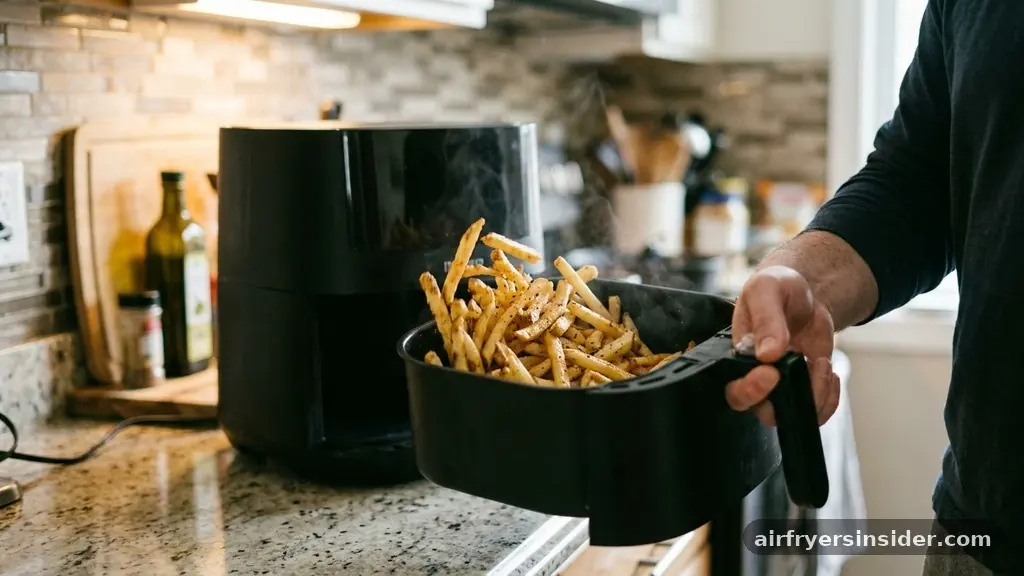
Wingstop fries are notorious for losing their texture quickly once they cool down. Reheating them in an air fryer is arguably the only way to bring them back to life.
Because fries have a smaller surface area than wings, they require a slightly shorter reheat time, usually around 3 to 5 minutes at 360°F. Shake the basket halfway through the cycle to ensure that every fry gets exposed to the convection heat, which helps in regaining that signature crispness.
If you have leftover corn, the air fryer is also an excellent tool for warming it up. The kernels can become quite flavorful when exposed to high heat, almost mimicking a roasted corn effect.
Place the corn in the basket alongside the fries, but keep an eye on it, as it may dry out faster than the meat. Using a piece of parchment paper at the bottom of the basket can make cleanup much easier, especially if you are dealing with seasoned fries that might leave behind salt and spices.
Common Mistakes to Avoid
Many home cooks fall into the trap of using foil to line the basket, which can actually impede airflow. If you must use a liner, stick to perforated parchment paper designed specifically for air fryers.
This allows the hot air to continue circulating through the bottom of the basket, which is essential for maintaining the crispy texture you want. Blocking this airflow is a common cause of soggy bottoms on your food.
Another frequent error is failing to preheat the unit. While many air fryers reach temperature quickly, giving the machine 3 minutes to warm up before adding your food ensures that the cooking process starts immediately. If you put cold wings into a cold basket, the breading may absorb excess moisture from the air before the heat kicks in.
This results in a greasy, soft exterior that is far less enjoyable. Finally, never ignore the internal temperature; guessing based on color is a recipe for potential food poisoning.
The Role of Equipment and Accessories
The type of air fryer you own can influence the timing and effectiveness of your reheating process. Large-capacity baskets allow for better single-layer arrangements, which is a major advantage.
If you are using a smaller unit, you must be disciplined about cooking in batches. High-end models with precise digital controls make it easier to dial in the exact heat needed, whereas older or manual-dial models may require a bit more vigilance and testing.
Investing in a few simple accessories can make the process smoother. Perforated silicone mats or parchment liners are helpful for preventing sticking, especially if your wings are covered in a sticky barbecue or honey mustard glaze.
Additionally, having a pair of silicone-tipped tongs is essential. Avoid using metal utensils, as they can scratch the non-stick coating of your basket, which eventually leads to food sticking and uneven heat distribution.
Comparing Methods: Why Air Fryer Wins
When you look at the different ways to handle leftover wings, the air fryer stands out as the clear winner for quality. The table below highlights how the air fryer compares to other common reheating methods regarding texture and convenience.
| Method | Texture Outcome | Speed | Best For |
|---|---|---|---|
| Air Fryer | Crispy and fresh | Fast (5-8 mins) | Wings, fries, sides |
| Microwave | Soft and rubbery | Very fast (1-2 mins) | None |
| Conventional Oven | Good, but slow | Slow (15-20 mins) | Large batches |
| Stovetop | Uneven, greasy | Medium (10 mins) | Saucy dishes |
While a conventional oven works in a pinch, it takes significantly longer to preheat and cook, which often leads to the meat drying out before the skin crisps. The microwave is convenient but should be avoided at all costs if you care about the quality of your food. The air fryer strikes the perfect balance, providing the speed of a microwave with the results of a high-end oven.
Addressing Topical Gaps and Common Queries
A common question that often goes unanswered is whether you can reheat wings while they are still in the original cardboard box. You should never put the delivery box into the air fryer. The cardboard is not heat-safe and poses a significant fire hazard.
Always transfer your food to the metal basket of the air fryer. Another gap in knowledge is how to handle different wing styles. Boneless wings tend to dry out faster than bone-in ones, so reduce your heat by about 10 degrees if you notice they are becoming too firm.
Regarding food safety, always ensure that your wings are stored in the refrigerator within two hours of their initial arrival. If the wings sat out on the counter for an extended period, the risk of bacterial growth increases significantly, and reheating them will not neutralize toxins that may have already formed. Always prioritize freshness; if the wings have been in the fridge for more than three days, it is safer to discard them rather than attempting to reheat them.
Frequently Asked Questions
Can I reheat Wingstop wings in the air fryer if they have already been sauced?
Yes, you can. The best approach is to reheat them at a slightly lower temperature, around 350°F, to prevent the sugars in the sauce from burning. If the sauce becomes too sticky or thick, toss the wings in a little bit of fresh sauce after they finish heating.
Is it better to reheat wings in the microwave or the air fryer?
The air fryer is significantly better for maintaining texture. Microwaving wings causes the moisture to steam the breading, resulting in a rubbery, soft skin. The air fryer uses convection heat to crisp the skin, effectively restoring the wings to a state that is very close to their original quality.
How do I know when my leftover wings are safe to eat?
Use a meat thermometer to ensure the internal temperature of the thickest part of the wing reaches at least 165°F. This is the safest way to confirm that the meat is thoroughly heated and free from potential foodborne pathogens, regardless of how they were stored.
Can I reheat Wingstop fries in the same basket as the wings?
You can, provided you have enough space to arrange them in a single layer. However, keep in mind that fries often reheat faster than wings. You may need to remove the fries a few minutes earlier to ensure they stay crispy and do not become overcooked or burnt.
Conclusion
Bringing your favorite leftovers back to life is entirely possible when you use the right tools and techniques. By prioritizing the air fryer over the microwave, you ensure that your wings and fries maintain the crispy texture and savory flavor that made them a great meal in the first place. Remember to focus on proper spacing, consistent internal temperatures, and the smart use of fresh sauce to elevate the final result.
Whether you are dealing with a handful of boneless wings or a full order of classic bone-in pieces, the convection power of the air fryer is your best friend in the kitchen. Enjoy your perfectly reheated meal and don’t be afraid to experiment with these steps for your next round of leftovers.
Meta Description: Learn how to reheat Wingstop in air fryer with this expert guide. Get perfectly crispy wings and fries every time using these simple, professional tips.