

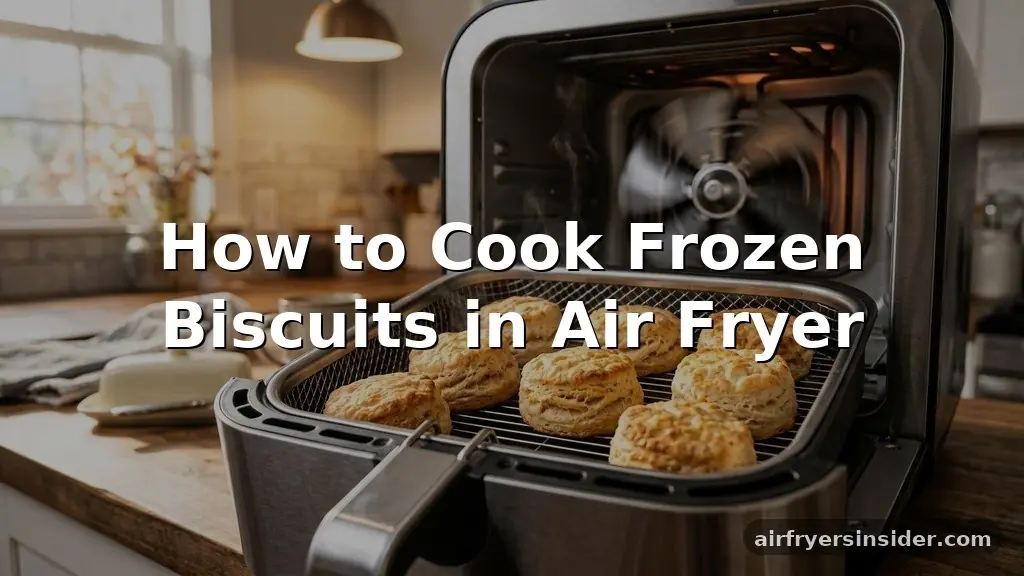
Learning how to cook frozen biscuits in air fryer units is a genuine kitchen life hack that saves time while delivering that perfect, bakery-style crunch. Many people assume they need a full-sized oven to achieve decent results, but the concentrated heat and rapid air circulation of an air fryer actually make it the superior tool for small-batch baking.
Whether you are craving quick buttermilk biscuits on a busy morning or just want to avoid heating up your entire kitchen, this method provides consistent results. You will find that mastering the timing and temperature allows you to enjoy flaky, golden-brown pastry textures without the wait time associated with preheating a conventional appliance.
Understanding the Mechanics of Air Fryer Baking
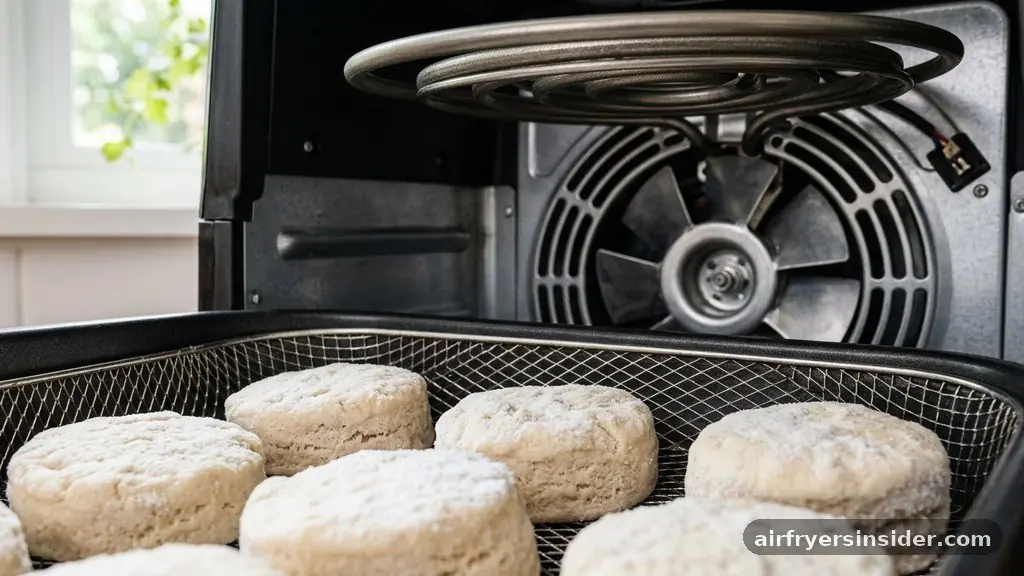
The magic behind using an air fryer for frozen dough lies in its design as a compact convection oven. Unlike a standard oven that relies on radiant heat from coils, your air fryer uses a powerful heating element combined with a high-speed convection fan.
This setup forces hot air to circulate rapidly around the food, which is ideal for frozen items that need to thaw and cook simultaneously. When you place frozen biscuits into the basket, the intense heat hits the exterior immediately, helping to create those coveted flaky layers while the center cooks through.
Because the space inside an air fryer is much smaller than a traditional oven, the thermal mass is different. You do not have to worry about the temperature dropping drastically when you open the door to insert your tray, which is a common issue with larger ovens. However, this intensity means you must be vigilant about the air fryer temperature.
If the heat is set too high, the outside of the biscuit will burn before the middle is fully baked. Keeping the temperature moderate allows the heat to penetrate the frozen core effectively, ensuring you don’t end up with a raw, doughy center and a scorched crust.
Choosing the Right Equipment for Best Results
Not all air fryers are created equal, and your specific model will influence how you cook frozen biscuits. A basket style air fryer is generally the most common, providing excellent airflow due to the perforated bottom of the basket.
If you are using a unit like a Ninja Foodi or a similar countertop convection oven, you might find that the rack placement matters significantly. Placing your biscuits on a lower rack can prevent them from getting too close to the top heating element, which often causes the tops to brown too quickly while the bottoms remain soft.
If you are concerned about cleanup or want to ensure your biscuits don’t stick, using parchment paper is a smart move. However, you must be careful not to cover the entire bottom of the basket, as this blocks the essential air circulation needed for even cooking. Cut your parchment to fit just under the biscuits or use a perforated silicone liner designed for air fryers.
This small step keeps the pastry texture intact and makes washing up much easier. Always keep a bottle of non-stick spray handy, but use it sparingly; too much oil can cause the dough to become greasy rather than light and airy.
Preparing Your Frozen Biscuits for the Air Fryer
Preparation is minimal, but there are a few rules to follow for success. First, do not attempt to thaw your biscuits beforehand. The beauty of this method is the ability to go straight from the freezer to the heat.
If you let the frozen dough sit on the counter, it will lose its shape and the fat pockets—which are essential for that flaky layers effect—will start to melt prematurely, leading to a dense final product. Keep them in the freezer until the very second you are ready to load them into the basket.
Spacing is another critical factor. Because the biscuits will expand as they rise during the cooking process, you need to ensure they have enough room to breathe. If they are crowded, the sides will touch, preventing the hot air from reaching those surfaces, which results in uneven cooking and pale, doughy sides.
Aim for at least an inch of space between each biscuit. If you have a large batch, it is always better to cook them in two smaller batches rather than cramming them all in at once. This ensures that every biscuit gets the consistent heat it needs to achieve that beautiful golden brown color.
Optimizing Temperature and Cooking Time
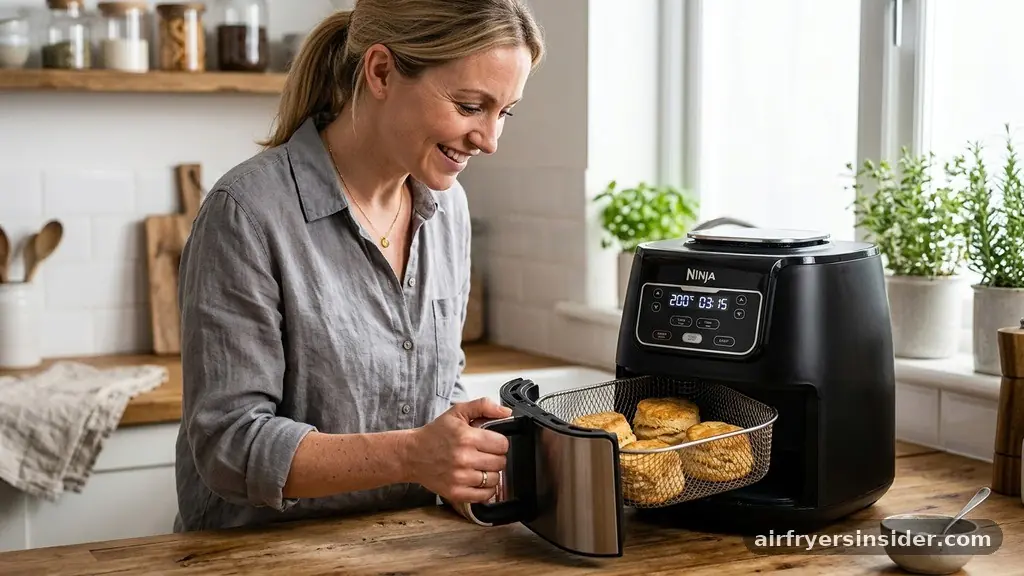
The ideal air fryer temperature for biscuits typically ranges between 320°F and 340°F. While standard oven instructions might suggest 375°F or 400°F, you should drop the temperature for your air fryer to account for the speed of the fan.
If you cook at the higher setting, you run the risk of uneven cooking, where the edges turn dark brown while the interior remains cold or under-baked. A lower, steady temperature is the secret to a perfectly uniform rise.
General Timing Guidelines
| Biscuit Type | Temperature | Estimated Time |
|---|---|---|
| Small/Mini Biscuits | 325°F | 8-10 Minutes |
| Pillsbury Grands Style | 330°F | 12-15 Minutes |
| Homemade Frozen Dough | 340°F | 15-18 Minutes |
Remember that these times are just starting points. Every air fryer has a different heating curve, and the thickness of your specific brand of frozen biscuits will change the required cooking time. Start checking your biscuits a few minutes before the timer goes off.
You are looking for a deep, even golden brown color on the top and a firm feel when you gently press the center. If you are ever in doubt, using a food thermometer to check the internal temperature is the most accurate way to ensure they are fully cooked. A target of 190°F to 200°F inside the biscuit is a safe bet for a fully set, fluffy crumb.
Addressing Common Challenges and Troubleshooting
Even with the right settings, you might occasionally run into issues like uneven cooking or biscuits that don’t rise properly. If you find that the tops are browning too fast, try placing a small piece of aluminum foil over the top of the basket for the first half of the cooking time.
This acts as a shield against the direct heat of the element. Once the biscuits have set and started to rise, you can remove the foil to allow the tops to finish browning and crisping up.
Another common problem is the bottom of the biscuit not cooking through. This usually happens if the air fryer basket is too crowded or if you are using a thick parchment paper that prevents air from coming up through the bottom holes. If you notice your biscuits are consistently underdone on the bottom, try flipping them halfway through the cooking cycle.
While this isn’t strictly necessary for every brand, it is a great way to ensure a uniform crust on both sides. If you are using a toaster oven style air fryer, you might need to move the tray to a lower position to encourage more heat to reach the base.
The Importance of Preheating
There is a common debate about whether or not you need to preheat your air fryer. For baking, the answer is almost always yes.
Preheating ensures that the moment the frozen dough hits the basket, it is exposed to the target temperature, which is essential for that initial “oven spring.” Without preheating, the biscuits will sit in a warming chamber as the unit heats up, which can cause the butter or fat in the dough to melt and leak out before the structure has a chance to set.
If your air fryer doesn’t have a specific preheat button, simply run it empty at your target temperature for three to five minutes before putting your food inside. This creates a stable environment that mimics the performance of a professional kitchen oven.
You will notice a significant difference in the height and texture of your biscuits when you start with a hot basket. It is a small investment of time that pays off with much better results in the final product.
Advanced Tips for Better Pastry Texture
If you want to take your biscuits to the next level, consider a light egg wash or a brush of melted butter before they hit the heat. An egg wash will give your biscuits a glossy, bakery-quality finish that looks professional and inviting.
If you prefer a softer, more buttery crust, brushing them with a little melted butter right after they come out of the air fryer adds richness and keeps the edges from becoming too dry. Some people even like to sprinkle a little coarse sea salt or dried herbs on top for a savory twist.
Another trick involves the way you arrange the biscuits in the basket. If you are using Pillsbury Grands or similar canned dough, they often benefit from being placed in a circular pattern around the edge of the basket, leaving the center open. This allows the air to swirl through the middle of the unit more effectively, creating a vortex of heat that cooks everything evenly.
Avoid stacking them or layering them; they need individual space to expand and develop those signature flaky layers. If you notice they are still coming out a bit dense, ensure your freezer is set to the correct temperature, as ice crystals forming inside the dough can sometimes interfere with the texture.
Reheating Leftover Biscuits
One of the best features of knowing how to cook frozen biscuits in air fryer is that the same appliance is also the best way to reheat them. If you have leftovers, do not reach for the microwave, which will turn them into a rubbery, chewy mess.
Instead, pop your leftover biscuits back into the air fryer at 300°F for about three to four minutes. This restores the crispness of the exterior while warming the interior without drying it out.
It is a fantastic way to enjoy fresh-tasting bread without the effort of baking a new batch. If you are reheating a particularly large or dense biscuit, you might want to add a light spritz of water to the basket or wrap the biscuit loosely in foil for the first minute. This adds a tiny bit of steam to the process, which helps rehydrate the crumb and makes the biscuit taste as if it just came out of the oven for the first time.
Frequently Asked Questions
Can I cook frozen biscuits in an air fryer without parchment paper?
Yes, you can cook them directly on the basket surface, especially if your air fryer has a high-quality non-stick coating. However, using a light coating of non-stick spray is recommended to prevent any residue from sticking, particularly if your biscuits have sugary glazes or toppings.
Why do my biscuits turn out doughy in the middle?
This usually happens because the air fryer temperature is set too high. The outside cooks and browns too quickly, creating a heat barrier that prevents the center from reaching the proper internal temperature. Lower the heat by 10-15 degrees and add a few minutes to the total cooking time.
Is it necessary to flip the biscuits while they are cooking?
It is not strictly necessary for most modern air fryers, but it can help if you notice uneven browning. If your unit is a basket style with only top-down heat, flipping them halfway through can ensure both the top and bottom achieve that perfect golden brown finish.
Can I cook different brands of biscuits at the same time?
It is generally not recommended to mix brands or sizes. Different doughs have different fat contents and densities, meaning they will require different cooking times. To ensure the best results, stick to one type of biscuit per batch so you can accurately monitor their progress and doneness.
Conclusion
Mastering the art of using your air fryer for frozen dough transforms your breakfast routine into something much more convenient. By focusing on consistent temperature, proper spacing, and the right preheating techniques, you can achieve professional results that rival any conventional oven. Remember that every air fryer has its own personality, so do not be afraid to experiment with your specific model to find the perfect timing that yields those tall, flaky, and golden-brown biscuits you love.
Once you get the hang of it, you will likely find that you rarely, if ever, turn to your large oven for simple baking tasks again. Start your next morning with a warm, fresh batch and enjoy the ease of this efficient kitchen method.
Meta Description: Learn how to cook frozen biscuits in air fryer with this guide. Get tips on temperature, timing, and achieving perfect, flaky, golden-brown results.


