

Mastering the art of cooking frozen pizza in air fryer models is a quick way to achieve a perfect, crispy crust without waiting for a conventional oven to preheat. Whether you are dealing with a quick lunch or a late-night snack, the concentrated heat and powerful convection fan inside your device create a superior texture compared to standard baking.
By understanding the nuances of thermal circulation and proper placement, you can transform a store-bought pie into a meal that rivals a pizzeria experience. This article breaks down the essential techniques, temperature settings, and timing adjustments needed to get consistent, delicious results every single time you use your appliance.
Understanding the Mechanics of Air Fryer Pizza
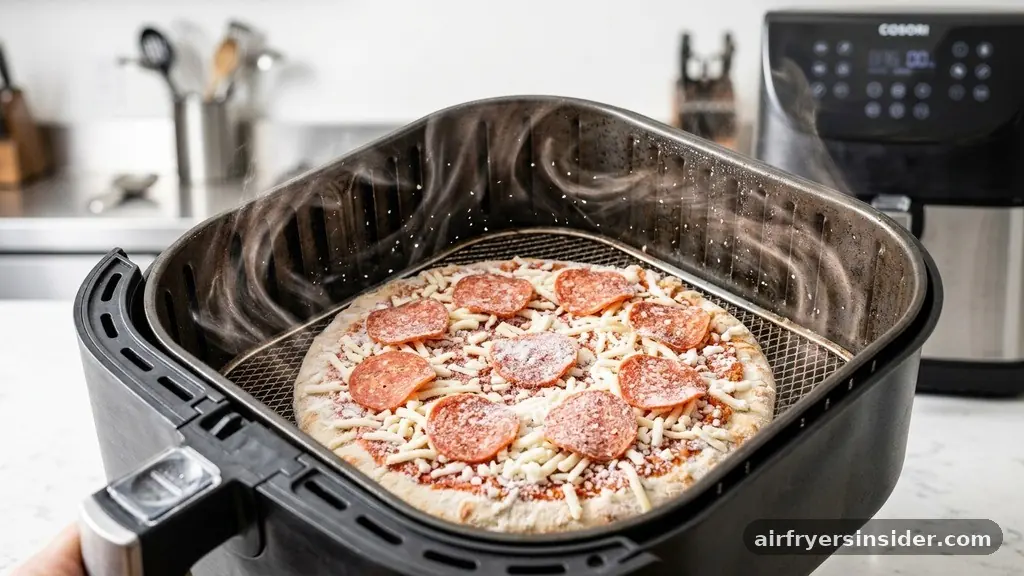
The primary reason air fryers excel at cooking frozen pizzas is their reliance on rapid, high-velocity air movement. Unlike a traditional oven that relies on radiant heat from coils, an air fryer uses a powerful convection fan to push hot air directly onto the surface of the food.
This process, known as convection cooking, is exceptionally efficient at removing surface moisture from the dough. As the moisture evaporates, the crust undergoes a rapid crisping process, resulting in a golden-brown finish that stays firm rather than becoming soggy.
When you place a frozen pizza into the basket, the thermal circulation works to penetrate the dense, frozen layers quickly. Because the cooking chamber is significantly smaller than a standard oven, the heat intensity is much higher. This is why you must monitor the cooking time closely.
What takes twenty minutes in a large oven might take less than ten in an air fryer. The goal is to balance the heat so the center reaches the proper internal temperature while the outer crust achieves that desirable crunch. Understanding these dynamics allows you to adjust your approach based on the specific brand or thickness of the pizza you are preparing.
Selecting the Right Equipment and Accessories
Your success depends heavily on the type of appliance you own. A basket-style air fryer is excellent for personal-sized or mini pizzas because the air flow is concentrated in a tight space, ensuring even browning.
However, if you are using a toaster oven air fryer, you have more surface area, which is ideal for larger pizzas that might be cut into segments to fit the tray. Regardless of the model, accessories play a significant role in the final quality.
Using parchment paper can be a lifesaver, especially when dealing with thin-crust pizzas that might have loose toppings. It prevents the dough from sticking to the grate while still allowing enough air to circulate underneath.
If you are worried about the crust getting too dark before the cheese melts, a small square of aluminum foil can act as a shield for the edges. Some enthusiasts even use a small pizza stone designed for air fryers to mimic the heat retention of a brick oven, though this usually requires a longer preheating phase to be effective.
The Importance of Temperature and Timing
Finding the optimal air fryer temperature is the most critical step in avoiding a burnt exterior with a frozen middle. Most frozen pizzas are designed to bake at 400°F or 425°F in a conventional oven.
When moving to an air fryer, it is generally safer to lower the temperature by 25 to 50 degrees. Cooking at 350°F to 375°F allows the heat to penetrate the frozen center more gently, giving the dough time to rise and the toppings time to cook without scorching.
If you find that your crust is browning too quickly, simply reduce the heat further and extend the time by a minute or two. The cheese browning phase should happen in the final three minutes of the cycle.
If the cheese looks ready but the crust is still pale, you can increase the temperature for the final minute to get that perfect finish. Always keep a close eye on the process during the last third of the cooking duration, as air fryers can turn a perfectly cooked pizza into a charred one in less than sixty seconds.
Managing Pizza Diameter and Fit
One of the biggest hurdles in cooking frozen pizza in air fryer units is the size constraint. If your pizza is larger than the basket or tray, you have two main options: trimming the edges or cutting the pizza into sections before cooking.
Trimming is often the cleanest method, as it preserves the structural integrity of the pie. If you choose to cut the pizza into halves or quarters, ensure they are arranged in a single layer with a small amount of space between them to allow for proper air movement.
When the pieces are crowded, the heat distribution is compromised, leading to uneven cooking. If you notice one area of the pizza is significantly lighter than the rest, it is likely because the air flow is being blocked by an overlapping piece.
For those who frequently cook frozen snacks or small pizzas, investing in a round perforated pan that fits your specific model can make a massive difference. These pans are designed to facilitate better bottom-up airflow, which is essential for preventing a soggy bottom on thicker crusts.
Techniques for Optimal Crust Texture
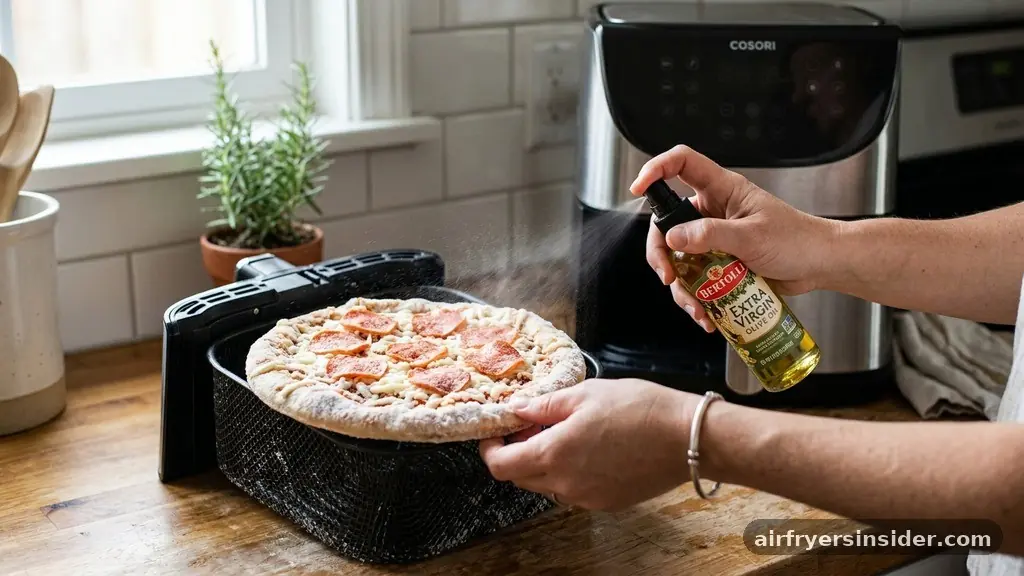
The secret to a professional-grade crust lies in how you handle the moisture content. Some people prefer to lightly mist the crust with a tiny amount of oil using an oil spray before placing it in the basket.
This helps the dough fry slightly as it bakes, creating a richer, crunchier texture. However, be careful not to overdo it, as excess oil can drip into the heating element and cause smoke.
If you are dealing with a thick-crust pizza, you might need to flip or rotate the pizza halfway through the process to ensure the crust cooks evenly. This is particularly important in smaller baskets where the air flow might be stronger on one side.
When you pull the pizza out, use a reliable pizza cutter immediately to prevent the cheese from tearing off as it cools. The way you slice the pizza can also affect the perception of the texture; thin, long slices tend to hold their shape better than wide, wedge-shaped pieces when cooked in an air fryer.
Addressing Common Troubleshooting Issues
Even with the best intentions, things can go wrong. A common issue is the pepperoni curling or flying off the pizza due to the intense fan speed.
If you notice your toppings are migrating, you can try placing a small wire rack or a piece of parchment paper directly on top of the pizza for the first few minutes of cooking to keep everything in place. Once the cheese begins to melt and bind the toppings to the sauce, you can remove the rack or paper.
Another frequent problem is the center remaining cold while the edges are charred. This is a classic sign that the air fryer temperature was set too high or that the pizza was too thick for the current heat cycle.
If you encounter this, try a “two-stage” cooking method: start at 325°F for the first five minutes to thaw and warm the core, then bump the heat up to 375°F for the final few minutes to achieve the desired crispness and color. This approach is much more forgiving and produces consistent results across different brands of frozen pizza.
Comparison of Cooking Methods
To understand why the air fryer is often superior for frozen pizza, it helps to compare it against other common kitchen appliances. The following table highlights how different methods perform in terms of speed and texture.
| Cooking Method | Speed | Crust Texture | Best For |
|---|---|---|---|
| Conventional Oven | Slow (20+ mins) | Soft/Chewy | Large, family-sized pizzas |
| Air Fryer | Fast (8-12 mins) | Extra Crispy | Personal/Mini pizzas |
| Microwave | Very Fast | Soggy/Rubbery | Quick, non-crispy snacks |
As shown in the table, the air fryer sits in the “sweet spot” for those who prioritize a crunch. While it isn’t ideal for feeding a large crowd simultaneously, it is unmatched for single-serving meals. By utilizing the convection fan effectively, you get a result that feels more like a takeaway order than a freezer-aisle staple.
Topical Gaps: Addressing Specific User Concerns
Many users wonder if they need to perform defrosting before cooking. The short answer is no. Frozen pizzas are designed to go straight from the freezer to the heat source.
In fact, thawing the pizza beforehand can lead to a soggy crust because the sauce and toppings will release moisture into the dough before it has a chance to crisp up. Stick to the frozen state for the best results.
Another common question involves reheating leftovers. If you have a slice of pizza left over from the night before, the air fryer is the absolute best way to bring it back to life. Set the device to 350°F and cook for 3 to 4 minutes.
The crust will regain its crunch, and the cheese will soften without becoming oily. Avoid the microwave at all costs for leftovers, as it will only result in a chewy, unappealing texture.
Lastly, for those using popular brands like Ninja Foodi or Cosori, remember that these machines have different wattage levels. Always check your manual or start with a slightly lower temperature if you find your specific unit runs hotter than average.
Frequently Asked Questions
Do I need to preheat my air fryer for frozen pizza?
Preheating is highly recommended for frozen pizza. Just like a conventional oven, ensuring the cooking chamber is at the target temperature before you insert the food helps achieve a more uniform cook and a better crust texture. Three to five minutes of preheating is usually sufficient.
Can I cook multiple frozen pizzas at once?
Most air fryers are not designed to cook multiple pizzas simultaneously unless you have a multi-tier rack system. Even then, stacking pizzas prevents proper air flow. It is best to cook them one at a time or in batches to ensure every pizza is perfectly crispy and evenly heated.
How do I know when the pizza is fully cooked?
The best indicator is visual: the crust should be golden brown, and the cheese should be bubbling and slightly browned. If you are uncertain, you can use an instant-read thermometer to ensure the center has reached at least 165°F, though this is rarely necessary for thin-crust varieties.
Why does my pizza crust burn before the toppings are ready?
This usually happens because the temperature is too high. If the crust is burning, lower your air fryer temperature by 25 degrees and increase the cooking time slightly. This allows the heat to penetrate the center of the pizza before the exterior becomes overcooked.
Conclusion
Cooking frozen pizza in an air fryer is a reliable way to upgrade a standard convenience meal into something truly enjoyable. By focusing on temperature control, proper air flow, and avoiding the temptation to crowd the basket, you can master the process in just a few attempts. Whether you are using a compact basket model or a versatile toaster oven style, the key is to respect the power of the convection fan and monitor the browning process closely.
Once you find the settings that work best for your specific appliance, you will likely never go back to the conventional oven for your solo pizza nights. Experiment with these techniques today to see how much better your next frozen pizza can taste.
Meta Description: Learn how to cook frozen pizza in air fryer perfectly with our expert guide on temperature, timing, and essential tips for a crispy, delicious crust.


