

Knowing exactly how long does it take for an air fryer to preheat can significantly impact the quality of your meals. While many users toss ingredients into a cold basket and hope for the best, understanding the mechanics of your device ensures better texture and even browning.
Most modern units reach their operational heat within three to five minutes, but variables like wattage and basket size play a major role in that timeframe. By mastering this simple step, you gain better control over your kitchen results, ensuring that your food starts cooking immediately rather than slowly thawing while the chamber warms up.
The Mechanics of Air Fryer Preheating
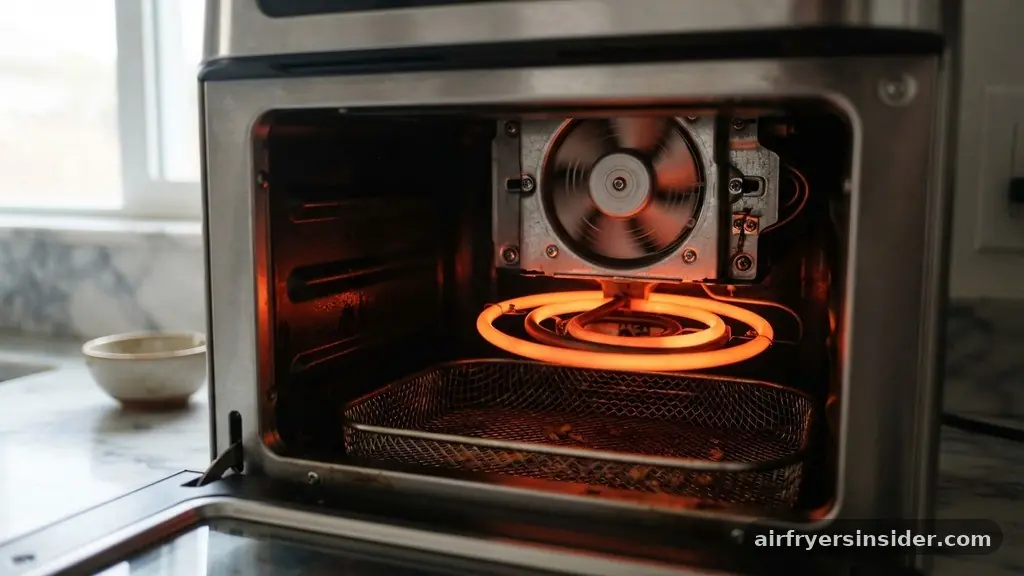
At its core, an air fryer is a compact convection oven that relies on a powerful fan and a concentrated heat source. When you turn the dial or press the button to start the unit, the heating element activates, and the fan begins to circulate air rapidly.
This process creates the signature crispiness that defines air-fried food. Preheating is essentially giving the machine a head start so that the internal environment is already at the desired temperature when your food is introduced.
Unlike traditional wall ovens that might take fifteen to twenty minutes to stabilize, the small internal cavity of an air fryer allows it to reach target temperatures quickly. The thermal efficiency of these devices is quite high because there is less air volume to heat.
When you skip this step, the first few minutes of your cooking cycle are essentially wasted as the appliance struggles to climb from room temperature. By waiting those few minutes, you ensure the Maillard reaction—the chemical process that browns food and creates flavor—begins the moment your ingredients hit the basket.
Factors Influencing Preheat Duration
Not all air fryers are created equal, and the time it takes to reach your target temperature depends on several technical specifications. The most significant factor is the appliance wattage.
High-wattage units, often found in larger basket models like the Ninja Foodi or premium Philips air fryer lines, can pull more power to heat the coils faster. Conversely, smaller, lower-wattage units might take a bit longer to reach the same heat level.
The internal cavity volume also matters. A larger unit has more surface area to warm up, which requires more energy and more time to reach equilibrium. Additionally, the ambient temperature of your kitchen can influence how quickly the unit heats up.
If you are cooking in a drafty or cold room, the air fryer has to work slightly harder to overcome the temperature differential. Understanding these variables helps you adjust your expectations depending on the specific model sitting on your countertop.
Comparing Preheat Times Across Models
While it is tempting to look for a universal rule, the reality is that different brands have unique engineering designs that affect heat-up times. Some models are optimized for speed, while others focus on even heat distribution. Below is a general overview of how different types of air fryers typically perform when preheating to a standard temperature of 375°F.
| Air Fryer Type | Estimated Preheat Time | Key Characteristic |
|---|---|---|
| Compact/Small Capacity | 2–3 Minutes | High thermal efficiency |
| Standard Basket (4-6 Qt) | 3–5 Minutes | Balanced airflow |
| Large/Dual Basket | 5–7 Minutes | Increased internal volume |
| Toaster Oven Style | 6–10 Minutes | Large cavity, slower ramp-up |
Why Preheating Matters for Culinary Precision
If you are aiming for professional-level results, preheating is not optional. When food is added to a cold air fryer, the external surface does not immediately begin to crisp.
Instead, the moisture inside the food begins to evaporate, often leading to a soggy or steamed texture rather than a crunchy one. This is particularly noticeable when cooking frozen snacks or breaded items that rely on a sudden blast of heat to set their outer coating.
Cooking performance is heavily tied to the stability of the heat within the chamber. When the air fryer is preheated, the fan circulation is already optimized to move hot air around the food.
This consistency ensures that every side of your chicken wing or vegetable floret cooks at the same rate. Without that head start, you often end up with uneven results, where the bottom of the food is undercooked while the top might be slightly overdone from prolonged exposure to the heating element.
The Role of the Basket During Preheating
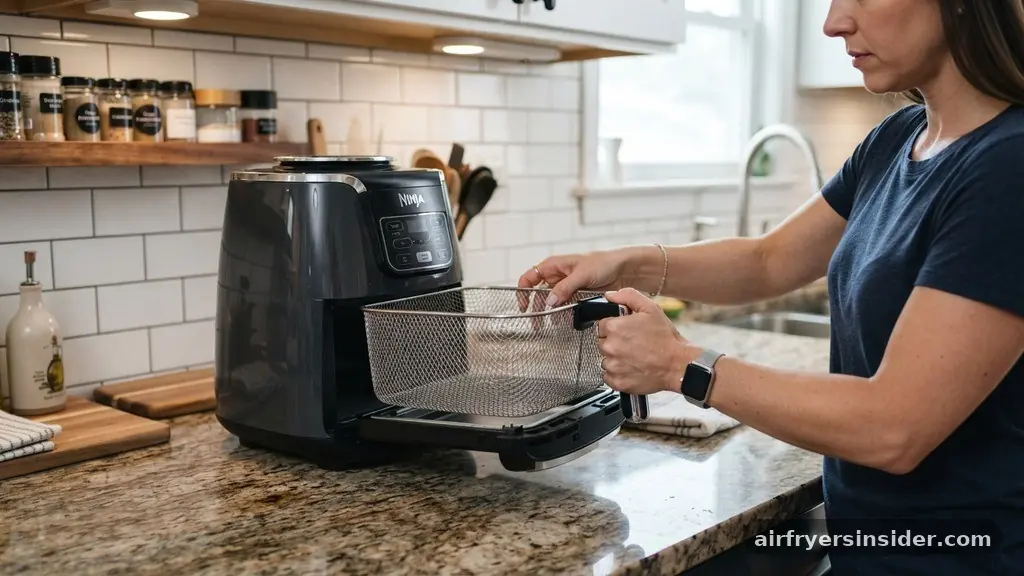
A common point of confusion for new owners is whether to keep the basket inside the unit while it warms up. The answer is almost always yes.
You should leave the empty basket in the air fryer during the preheating duration to ensure the basket itself absorbs heat. If you preheat the machine without the basket and then insert it later, the cold metal of the basket acts as a heat sink, immediately dropping the internal temperature of the chamber.
By keeping the basket in the unit, you allow the metal to reach the target temperature along with the air inside. This heat retention is vital for the first stage of the cooking cycle.
When you pull the basket out to add your food, the loss of heat is minimized because the basket is already hot. This simple habit keeps your cooking cycle efficient and ensures that the appliance safety features—which often rely on consistent temperature monitoring—function as intended.
Addressing Topical Gaps in Preheating Knowledge
Many users wonder how they can tell if their unit is actually ready if it lacks a digital display or a preheat indicator light. If your model is a manual dial version, a reliable method is to use an external oven thermometer placed inside the basket. Alternatively, you can rely on the “hand test”—carefully holding your hand near the basket opening after the suggested time to feel for a steady, strong flow of hot air.
Another gap often overlooked is the impact of overcrowding. Even if the air fryer is properly preheated, crowding the basket prevents fan circulation from effectively distributing that heat. Always ensure there is enough room for air to flow between pieces of food.
Another nuance involves the “recovery time” after opening the basket. Every time you pull the basket out to shake or flip your food, the unit loses heat. Understanding that this is a temporary dip is important, but you don’t need to add extra preheat time.
Simply return the basket promptly to allow the heating element to recover. The goal is to maintain the target temperature as consistently as possible throughout the cooking cycle.
Tips for Optimal Heat Management
To get the most out of your appliance, consider these best practices for managing heat. First, ensure your air fryer is placed on a heat-resistant surface with plenty of clearance around the vents. Air fryers rely on intake and exhaust to maintain their temperature; blocking these vents can lead to overheating or inconsistent cooking results.
Second, don’t leave the unit running empty for too long. While three to five minutes is perfect, running it empty for ten or fifteen minutes can unnecessary strain the heating element.
If you are cooking in batches, you only need to preheat before the very first batch. The internal cavity will remain sufficiently hot between cycles, provided you don’t leave the basket out for an extended period.
Just be mindful of any debris left in the basket from the previous batch, as this can smoke or burn if it stays in the hot chamber. Cleaning the basket between batches is a good habit, but do it quickly to keep the unit ready for your next round of food.
Safety Considerations and Appliance Longevity
Appliance safety is paramount when working with high-heat kitchen tools. Always follow the manufacturer’s instructions regarding preheating.
Some older or budget-friendly models may not be designed to run empty for extended periods. If your manual specifically states not to run the unit without food, you should follow that advice to avoid voiding your warranty or causing damage to the internal components.
Furthermore, consider the environment where you store your air fryer. If it is kept in a cold garage or a basement, it will naturally take longer to reach its operational temperature than a unit kept on a kitchen counter in a climate-controlled home.
By being aware of these environmental factors, you can adjust your preheating duration slightly to ensure your food is always cooked to perfection. Remember that your goal is to achieve the desired texture, and a little extra patience during the preheat phase pays off in the final product.
Common Mistakes to Avoid
Many home cooks fall into the trap of thinking “more is better” when it comes to preheating. They might leave the air fryer on for ten minutes, thinking it will make the food crispier. In reality, this is counterproductive.
Excessive preheating can lead to the heating element cycling off to prevent overheating, which can cause temperature fluctuations. Stick to the manufacturer’s recommended time or the standard three to five-minute window for the best results.
Another mistake is ignoring the preheat indicator light. If your model has one, it is there for a reason. It uses internal sensors to detect when the air temperature has reached the set point.
Relying on this signal is much more accurate than guessing based on the clock. If your air fryer doesn’t have a light, use a timer to stay consistent. Consistency is the secret to great cooking, and by standardizing your preheat process, you eliminate one of the biggest variables in your kitchen routine.
FAQ
How do I know if my air fryer is fully preheated?
Most modern air fryers feature a preheat indicator light that turns on or off when the target temperature is reached. If your model lacks this, allow it to run for three to five minutes, which is sufficient for most units to reach a stable internal temperature.
Should I always preheat my air fryer before cooking?
While not strictly necessary for every dish, preheating is highly recommended for recipes requiring a specific texture, such as crispy fries or breaded meats. Preheating ensures the food starts cooking immediately upon contact with the heat, preventing it from becoming soggy or unevenly browned during the initial phase.
Can I preheat with the basket out of the machine?
It is better to keep the basket inside the air fryer while it preheats. The basket itself needs to reach the target temperature to avoid acting as a heat sink when you insert your food. Keeping it inside ensures the entire cooking environment is ready for your ingredients.
Does the preheat time change based on the temperature I select?
Yes, higher target temperatures generally take slightly longer to achieve. However, because air fryers are small and highly efficient, the difference is usually measured in seconds rather than minutes. A unit set to 400°F will reach its temperature only marginally slower than one set to 350°F.
Conclusion
Mastering the preheating process is one of the most effective ways to elevate your home cooking. By understanding how long does it take for an air fryer to preheat and why it matters for your food’s texture, you move from simply using a gadget to truly controlling your culinary results. Whether you are using a compact model or a large-capacity air fryer, the principle of creating a stable, hot environment remains the same.
Start by giving your machine those few minutes of preparation, keep the basket inside to maintain heat, and you will immediately notice more consistent, restaurant-quality results in your favorite recipes. Happy cooking, and enjoy the improved crispiness that comes with a properly heated air fryer.


