


Determining exactly how long to cook pizza in air fryer models depends heavily on the type of crust and the specific toppings you are using. Because these appliances function as high-powered convection ovens, they move air rapidly to create a perfectly browned finish that standard ovens often struggle to replicate.
Whether you are reviving a slice from last night or crisping up a frozen pie, mastering the timing is essential to avoid burnt edges or a soggy center. By adjusting your approach based on the thickness of your dough and the intensity of your machine, you can achieve professional-quality results right on your kitchen counter.
Understanding the Mechanics of Air Fryer Pizza Cooking
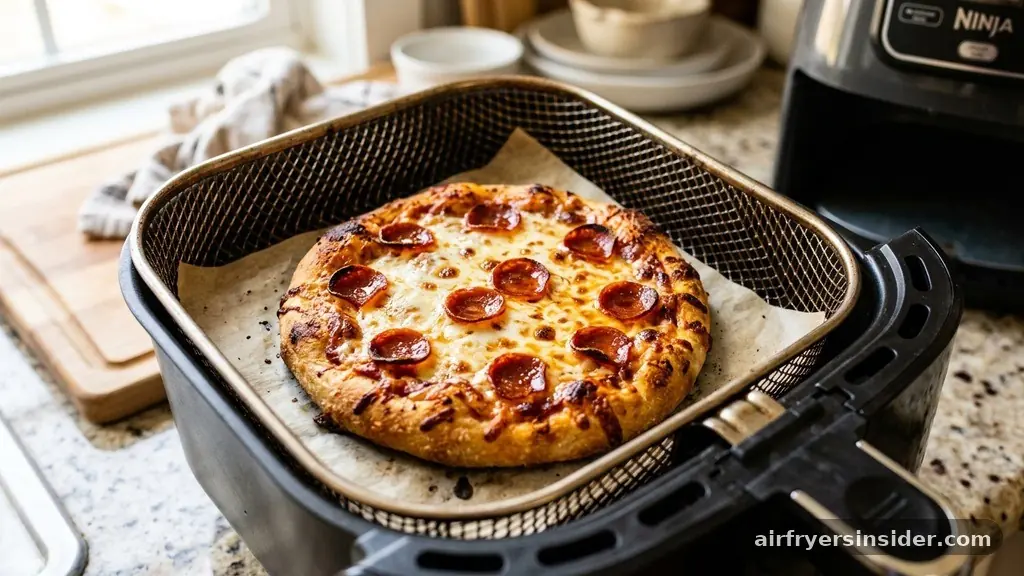
The primary reason an air fryer excels at pizza preparation is its reliance on intense convection heat. Unlike a traditional oven that relies on radiant heat from heating elements, an air fryer uses a powerful fan to circulate hot air at high speeds. This process rapidly dehydrates the surface of the dough, which is the secret to achieving that desirable crispiness.
When you consider how long to cook pizza in air fryer units, you must account for this increased efficiency. Most air fryers reach their target temperature much faster than conventional ovens, effectively shortening the cooking window significantly.
Because of this concentrated airflow, direct heat is applied more aggressively to the surface of the cheese and the edges of the crust. If you do not monitor the timing, the top of your pizza may brown or burn before the center of the dough has fully cooked through. This is particularly relevant when dealing with thicker crusts or heavily loaded toppings.
The goal is to balance the rapid browning of the exterior with the necessary time for the internal structure of the bread to set. Understanding this dynamic allows you to manipulate the air fryer temperature to suit different styles of pizza, from traditional thin crust to more substantial varieties.
Optimal Temperature and Timing for Frozen Pizza
Cooking a frozen pizza in an air fryer is a game-changer for quick meals, but it requires a specific technique to ensure the middle doesn’t remain icy. Generally, you should set your device between 375°F and 400°F.
If you are wondering how long to cook pizza in air fryer setups for a standard frozen variety, aim for 8 to 12 minutes. The exact duration depends on the size of the pizza and the wattage of your specific model, such as a Ninja air fryer or a Cosori unit.
To get the best results, start checking the pizza at the 8-minute mark. If the cheese is bubbling and the crust is golden brown, it is likely finished. If the center still looks doughy or the cheese hasn’t fully melted, add another 2 to 3 minutes of cooking time.
It is important to note that frozen pizzas often have a higher moisture content, which can temporarily dampen the airflow. By keeping the basket slightly less crowded or using a smaller pizza that fits comfortably without touching the sides, you ensure that the air circulation remains optimal throughout the entire cycle.
Reheating Leftover Pizza Without Losing Quality
Reheating leftovers is perhaps the most frequent use for an air fryer, and it is far superior to using a microwave. A microwave often leaves the crust chewy and rubbery, whereas the air fryer restores the original crunch.
To reheat a slice, set your device to 350°F. The duration for reheating is much shorter than initial cooking; typically, 3 to 4 minutes is sufficient to get the crust crispy and the mozzarella cheese melted and gooey again.
If you are reheating multiple slices, avoid stacking them. You want to maintain proper air circulation around each piece so that the heat reaches the bottom crust. If the pizza is particularly thin, you might find that 3 minutes is enough.
For thicker, deep dish slices, you may need to extend the time slightly or lower the temperature to ensure the middle warms through without scorching the toppings. Using a small piece of parchment paper at the bottom of the basket can help catch any stray cheese or toppings, making cleanup much faster once you are done.
The Role of Preheat and Rack Position
Many users overlook the importance of preheating, yet it is a critical step in achieving a uniform texture. Even if your air fryer doesn’t strictly require it for other foods, preheating for 3 minutes ensures that the air temperature is stable the moment the pizza enters the chamber. This immediate exposure to high heat helps the pizza crust puff up and crisp instantly, preventing it from soaking up excess grease or moisture.
Rack position also plays a role in how long to cook pizza in air fryer designs that have multiple levels. If your air fryer is of the oven-style variety, placing the pizza on the middle rack usually provides the most balanced heat distribution. If you place it too close to the top heating element, the cheese will char before the dough is cooked.
Conversely, if it is too low, the bottom may remain soft. If your unit is a basket-style model, the pizza sits at the bottom, which is usually fine, but you should be mindful of how close the crust is to the fan.
Managing Different Crust Types and Toppings

The thickness of your pizza crust dictates how you adjust your strategy. A thin crust pizza requires less time, usually around 6 to 8 minutes at 400°F, because there is less mass for the heat to penetrate.
If you are making a deep dish style or a thicker homemade dough, you will need to lower the temperature to 350°F or 375°F and increase the duration to 15 minutes or more. This allows the heat to penetrate the center of the thick dough without burning the surface.
Toppings also affect the cooking process. Vegetables like peppers or onions contain a lot of water. If you load your pizza with too many fresh veggies, they might release moisture during the cooking process, which can make the crust soggy.
To counteract this, you can sauté your vegetables briefly before adding them to the pizza, or simply use a thinner layer of sauce. A light oil spray on the crust edges can also help achieve a professional-looking, golden-brown finish that mimics the results of a high-end pizza oven.
Essential Tools for Better Air Fryer Pizza
While you don’t need much to get started, a few specific tools can make the process easier and more consistent. Parchment paper is a must-have for preventing mess, especially if your pizza has a lot of toppings that might slide off. However, always ensure the paper is weighed down by the pizza; if it is loose, the fan can blow it into the heating element, which is a fire hazard.
A digital food thermometer is another invaluable tool. If you are unsure if your pizza is cooked through, especially if you are using homemade dough, you can check the internal temperature. A fully cooked pizza should generally reach an internal temperature of at least 165°F in the center.
While most people rely on visual cues, having a thermometer removes the guesswork, particularly when experimenting with thicker crusts or non-traditional ingredients. If you find yourself making pizza in the air fryer frequently, consider investing in a dedicated perforated pizza pan that fits your basket to further improve airflow to the bottom crust.
| Pizza Type | Temperature | Estimated Time |
|---|---|---|
| Frozen Thin Crust | 400°F | 8-10 Minutes |
| Frozen Deep Dish | 375°F | 12-15 Minutes |
| Reheating Slices | 350°F | 3-4 Minutes |
| Homemade Personal | 400°F | 7-9 Minutes |
Addressing Common Topical Gaps in Air Fryer Cooking
One common question is whether you can use a pizza stone in an air fryer. While it is technically possible if the stone fits, it is often unnecessary and can actually hinder the cooking process.
Air fryers rely on the rapid movement of air, and a heavy stone acts as a heat sink that can block that circulation. Instead, focus on using a perforated tray or simply placing the dough directly on the basket surface if the mesh is fine enough.
Another gap involves the use of oil. Some users wonder if they need to brush the crust with oil. While not strictly required, a light coating of olive oil spray helps the crust brown more evenly and contributes to a better flavor profile.
Additionally, if you are using a tortilla as a makeshift base, the cooking time will be drastically reduced. A tortilla pizza usually only needs 4 to 5 minutes at 400°F. Because the base is so thin, it is extremely easy to burn, so keep a close eye on it during the final minute of the cycle.
Safety and Maintenance Considerations
Safety is paramount when using high-heat appliances. Always ensure your air fryer is placed on a heat-resistant surface with plenty of clearance around the vents.
The air circulation is what makes the appliance work, so blocking the intake or exhaust can cause the unit to overheat. When checking on your pizza, use tongs rather than your hands, as the basket and the internal walls will be extremely hot.
Maintenance also impacts performance. A dirty air fryer with built-up grease can smoke significantly when you crank the heat up to 400°F. Before cooking your pizza, ensure the basket and the heating element cover are free of old food debris.
This not only prevents unpleasant odors but also ensures that the air flow remains unobstructed. If you notice your pizza is taking longer than usual to cook, it may be a sign that the fan is clogged with grease or that the heating element is starting to degrade.
Common Troubleshooting Tips for Pizza Success
If your pizza is coming out unevenly cooked, verify that you aren’t overloading the basket. The air needs to move freely around the food; if the pizza is too large, it acts like a lid, trapping the air and preventing the sides from crisping.
If you notice the cheese is blowing around, it means the fan speed is too high or the cheese is too light. You can solve this by using shredded mozzarella, which is heavier, or by adding the cheese during the last 2 minutes of the cooking cycle.
If the bottom of the crust is soggy, try flipping the pizza halfway through the cooking time if your model allows it, or check your rack position. Sometimes, the issue is simply too much sauce. Pizza sauce is water-heavy, and it can seep into the dough if applied too liberally.
Use a thin layer of sauce to ensure the crust remains sturdy and crisp. By making these minor adjustments to your technique, you can ensure that every pizza you prepare in your air fryer is a success.
Frequently Asked Questions
Can you cook a shop-bought frozen pizza in an air fryer?
Yes, you can easily cook a store-bought frozen pizza in an air fryer. Ensure it fits comfortably without touching the sides to allow for proper air circulation. Set the temperature to 400°F and cook for 8 to 12 minutes, checking for a golden-brown crust and melted cheese.
What is the best setting for pizza in an air fryer?
The best setting is typically a high-heat convection mode, usually between 375°F and 400°F. If your air fryer has specific presets, use the pizza or bake function, but keep a close eye on the progress, as air fryers often cook faster than conventional ovens due to their efficient fan system.
How long should I reheat pizza in an air fryer at 400 degrees?
Reheating pizza at 400°F can be risky as it may burn the toppings before the crust is warm. It is better to use 350°F for about 3 to 4 minutes. This lower temperature ensures the slice warms through evenly and regains its original crispiness without scorching the cheese.
Do I need to flip the pizza while it is cooking?
You generally do not need to flip a pizza while it is cooking in an air fryer. Because the hot air circulates from the top and sides, the top of the pizza will brown and the cheese will melt effectively without needing to be turned over during the process.
Conclusion
Mastering how long to cook pizza in air fryer devices is a skill that rewards experimentation. By understanding the relationship between convection heat, crust thickness, and proper air circulation, you can achieve results that rival your favorite local pizzeria. Start with the recommended times and temperatures provided, but always use your own judgment based on the specific type of pizza and the size of your appliance.
Whether you are reheating a single slice for a quick lunch or preparing a full frozen pie for a fast dinner, the air fryer is a versatile tool that delivers consistent crunch and flavor. Keep your unit clean, monitor the cooking progress closely, and don’t be afraid to adjust your approach to suit your personal preferences for crispiness and toppings. Happy cooking, and enjoy your perfectly prepared homemade pizza.
Meta Description: Learn exactly how long to cook pizza in air fryer models for perfect results. Discover tips for frozen, fresh, and leftover pizza to ensure a crispy crust.


