

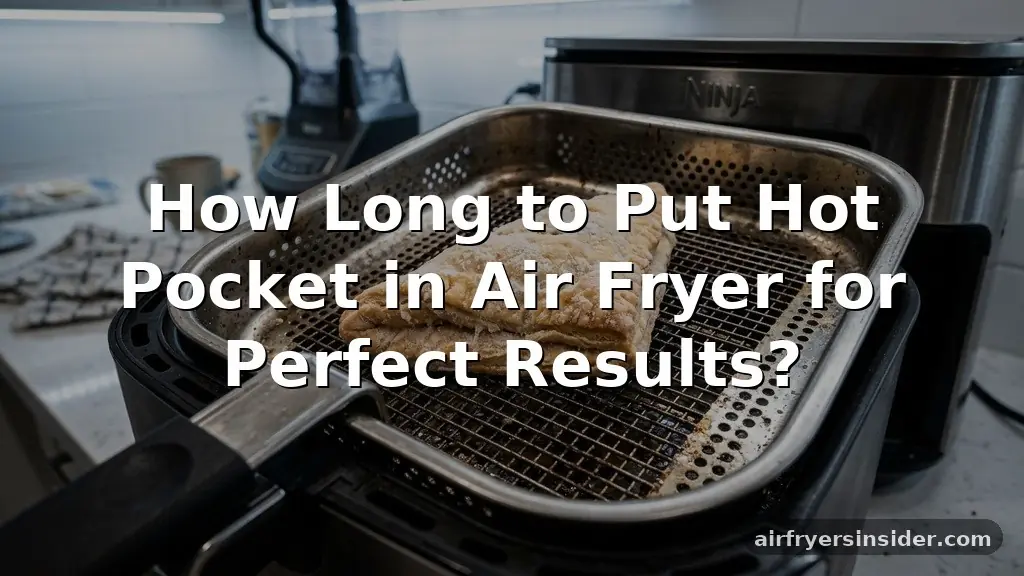
Achieving the perfect texture for your favorite frozen snacks is much easier when you move away from the microwave. If you have ever wondered exactly how long to put hot pocket in air fryer, you aren’t alone; many home cooks find the standard microwave method leaves the crust soggy. By utilizing the rapid air circulation of an air fryer, you can transform a quick, convenient meal into something with a satisfying crunch.
This transition from microwave to convection cooking changes the entire experience of your snack preparation. Getting the timing right ensures that the center is piping hot while the exterior achieves that desirable golden brown finish.
Understanding the Mechanics of Convection Cooking
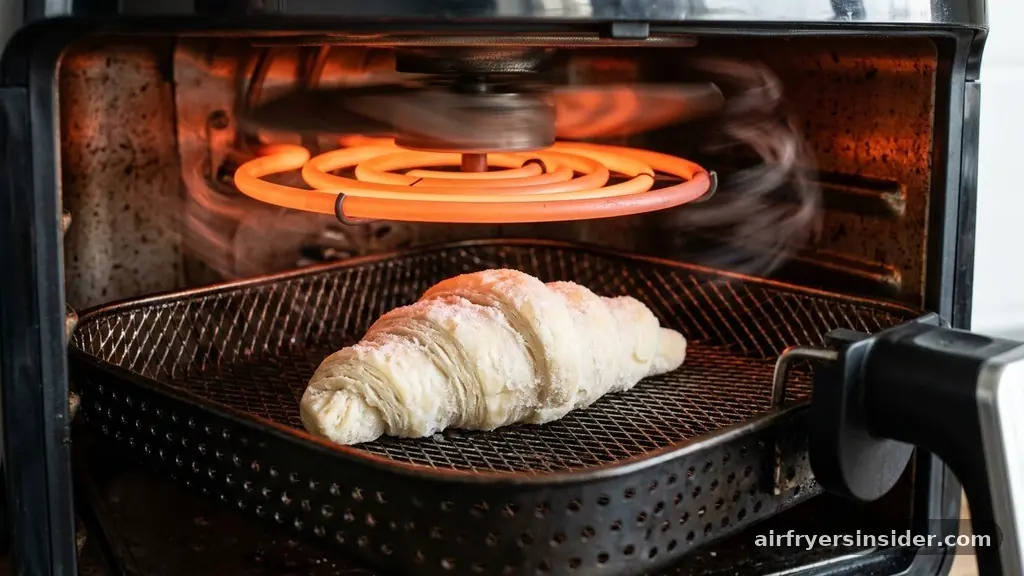
Air fryers are essentially high-powered countertop convection ovens. Unlike a standard microwave, which vibrates water molecules to create heat, an air fryer uses a heating element and a high-speed fan to circulate hot air around the food.
This process creates a Maillard reaction on the surface of the dough, which is the chemical process responsible for browning and flavor development. When you place a frozen snack into the air fryer basket, you are essentially baking it in a miniature, high-velocity oven.
Because of this intense air circulation, you need to adjust your expectations regarding time compared to traditional microwave instructions. The goal is to reach a safe internal temperature without burning the edges or leaving the dough raw.
Most frozen snacks, including the classic pepperoni or ham and cheese varieties, benefit from the direct heat hitting the crust directly. This creates a superior crust texture that a microwave simply cannot replicate, regardless of whether you use the provided crisping sleeve.
Optimal Temperature and Timing Guidelines
Determining how long to put hot pocket in air fryer depends heavily on the specific model of your appliance and the wattage. Generally, setting your device to 350 to 375 degrees Fahrenheit provides the best balance between cooking the interior and crisping the exterior. If you crank the heat up to 400 degrees Fahrenheit, you run the risk of the outside burning before the middle is sufficiently thawed and heated.
For a standard-sized pastry, a cooking time of 12 to 15 minutes is usually the sweet spot. If you are cooking directly from frozen, start checking the progress around the 10-minute mark.
Because air fryer baskets vary in size—from the compact baskets in a Cosori to the larger, more powerful Ninja Foodi—your specific unit might run hotter or cooler. Always prioritize visual cues, such as a deep golden brown color, over the timer.
The Importance of Preheating and Arrangement
Many users skip preheating, but it is a critical step for consistent results. Preheating your air fryer for three to five minutes ensures that the chamber is at the target temperature the moment the food enters.
This prevents the dough from becoming dry or tough while waiting for the appliance to reach the necessary heat level. If you skip this, you might end up with an unevenly heated meal.
When placing your snacks in the air fryer basket, avoid overcrowding. Proper air circulation is the secret to getting that crunch. If you are cooking two at once, ensure they are not touching.
If the items are packed too tightly, the air cannot flow around the sides of the crust, which leads to soft spots. If your basket is small, it is better to cook in batches rather than cramming everything in at once, even if it adds a few extra minutes to your total preparation time.
Addressing Common Topical Gaps in Air Frying
One common question that often goes unanswered is whether the crisping sleeve provided in the box should be used. In an air fryer, the answer is a definitive no. The sleeve is designed specifically for microwave radiation to help brown the crust.
In an air fryer, the sleeve will actually block the hot air from reaching the dough, resulting in a soggy, pale crust that defeats the purpose of using the appliance. Discard the sleeve and place the snack directly onto the basket or a parchment paper liner.
Another gap involves the “flipping” debate. While many people think they need to flip their food halfway through, it is often unnecessary if your air fryer has good top-down airflow.
However, if you notice your appliance has a weaker heating element or if you are stacking items, a quick flip at the halfway mark can help ensure even browning. If you are unsure about the doneness, a quick poke with a fork or a check with a meat thermometer is the most reliable way to ensure food safety.
Comparing Methods: Microwave vs. Air Fryer
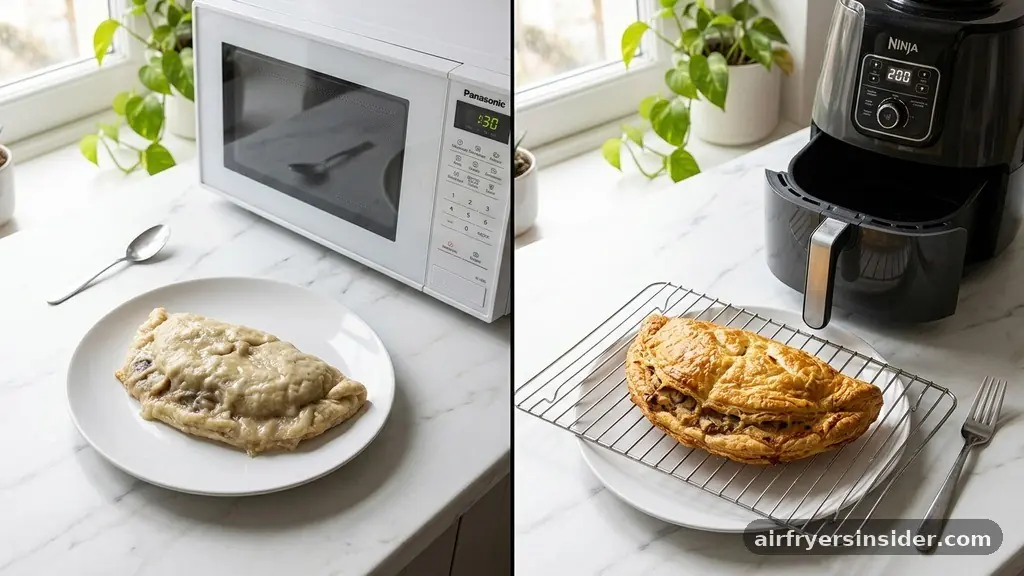
To truly appreciate the air fryer method, it helps to compare it to the traditional microwave approach. The microwave is undeniably faster, often taking just two minutes, but it frequently results in a chewy, rubbery crust that lacks appeal.
The microwave relies on steam, which is the enemy of a crisp pastry. In contrast, the air fryer removes moisture from the surface of the dough, which is exactly what creates that professional, bakery-style finish.
Comparative Texture and Quality Table
| Feature | Microwave | Air Fryer |
|---|---|---|
| Crust Texture | Soft, chewy, or soggy | Crispy, golden brown |
| Internal Heat | Often uneven/hot spots | Consistent and thorough |
| Cooking Time | 2-3 minutes | 12-15 minutes |
| Flavor Profile | Steamed dough | Toasted, savory crust |
Safety Considerations and Internal Temperature
When dealing with frozen meat-based products, food safety is paramount. The internal temperature of the filling should reach at least 165 degrees Fahrenheit to ensure any potential bacteria are eliminated.
While most people rely on the timer, using a digital meat thermometer provides peace of mind. Simply insert the probe into the center of the snack after removing it from the air fryer.
If you find that your snack is browning too quickly but the center is still cold, lower the heat by 25 degrees and add two minutes to the time. This “low and slow” approach allows the heat to penetrate the frozen core without scorching the exterior. This technique is particularly useful for larger or thicker varieties that may contain more ingredients, as they require more time for the heat to travel to the center.
Optimizing for Different Air Fryer Models
Different brands of air fryers operate with varying levels of efficiency. A Ninja Foodi, for example, often features a more robust fan and heating system than entry-level models, which means it might cook your food faster.
Conversely, a basket-style Cosori might require an extra minute or two to achieve the same level of crispiness. Getting to know your specific machine is part of the learning curve for any home cook.
If you are cooking multiple items, remember that the “thermal load” of the basket increases. Adding more food absorbs more energy, meaning the air temperature in the basket drops significantly.
If you are cooking for a group, be prepared to adjust your timing upward by 20-30% to compensate for the added density in the basket. Always start with a conservative estimate and add time as needed.
Creative Tips for Enhanced Flavor
Once you have mastered the basic timing, you can experiment with ways to elevate your snack. A light brush of olive oil or melted butter on the exterior of the crust before cooking can significantly enhance the color and flavor. You can also sprinkle a tiny amount of garlic powder, Italian seasoning, or even parmesan cheese onto the crust before putting it in the air fryer.
These minor additions take a standard frozen item and make it feel more like a gourmet appetizer. Because the air fryer creates a dry environment, the toppings will adhere well to the crust and crisp up beautifully without becoming greasy. Experimenting with these small adjustments is the best way to customize your experience and find a flavor profile that you truly enjoy.
Common Troubleshooting and Maintenance
Sometimes things do not go as planned. If your snack bursts open during cooking, it is usually because the temperature was too high or the pastry was already damaged before it went in. If this happens, try lowering the heat for the next attempt.
Additionally, ensure that your air fryer basket is clean before use. Residual grease from previous meals can smoke at higher temperatures, which might impart an off-flavor to your food.
Maintaining your air fryer is just as important as the cooking process itself. Regularly cleaning the basket and the heating element ensures that air can circulate freely.
If the vents are clogged with grease, the airflow will be restricted, leading to uneven cooking and longer wait times. A quick wipe-down after every few uses keeps your machine running at peak performance, ensuring every meal is as good as the first.
Frequently Asked Questions
Is it safe to cook frozen snacks directly in the air fryer?
Yes, it is perfectly safe and often superior to other methods. Because the air fryer reaches high temperatures quickly, it effectively thaws and cooks the center while crisping the outside. Always ensure the filling is steaming hot throughout to meet proper food safety standards.
Do I need to use the crisping sleeve when air frying?
No, you should discard the crisping sleeve. It is designed exclusively for microwave use. Leaving it on in an air fryer will block the hot air from reaching the crust, preventing it from getting crispy and potentially creating a fire hazard if the paper catches.
What is the ideal temperature for cooking these in an air fryer?
The ideal temperature is typically between 350 and 375 degrees Fahrenheit. This range allows the crust to brown perfectly without burning the exterior before the frozen center has had enough time to heat through completely. Adjust based on your specific appliance’s power.
How do I know when my food is finished cooking?
Look for a deep golden brown color on the crust. You can also use a meat thermometer to check that the center has reached 165 degrees Fahrenheit. If you are unsure, touch the center to ensure it feels hot and the pastry feels firm to the touch.
Final Thoughts on Perfect Air Fryer Snacks
Mastering the timing for air-fried snacks turns an ordinary quick meal into a much more enjoyable experience. By skipping the microwave and embracing the convection power of your air fryer, you ensure a crisp, golden crust that holds up to the savory filling inside. Start with 350 degrees Fahrenheit, keep an eye on the color, and always remember to remove the microwave-specific packaging before starting.
With a little practice, you will find the exact duration that works for your specific machine, allowing you to enjoy a superior texture every time. Feel free to experiment with seasonings or slight temperature adjustments to tailor the results to your personal preference, and enjoy the convenience of a perfectly cooked, crunchy snack whenever you need it.
Meta Description: Learn exactly how long to put hot pocket in air fryer for a crispy, golden brown finish. Follow our expert tips for perfect results every time.


