

Finding the perfect method for warming up leftover takeout is a common kitchen struggle, especially when you are trying to figure out how long to reheat boneless wings in air fryer without turning them into rubber. Most people find that the microwave results in a sad, chewy texture that ruins the experience, but the air fryer offers a solution that restores that initial crunch. By mastering the right timing and heat settings, you can bring your meal back to its original glory in just a few minutes.
This process is all about restoring the crisp exterior while keeping the meat juicy and flavorful inside.
Why the Air Fryer Wins for Reheating Chicken 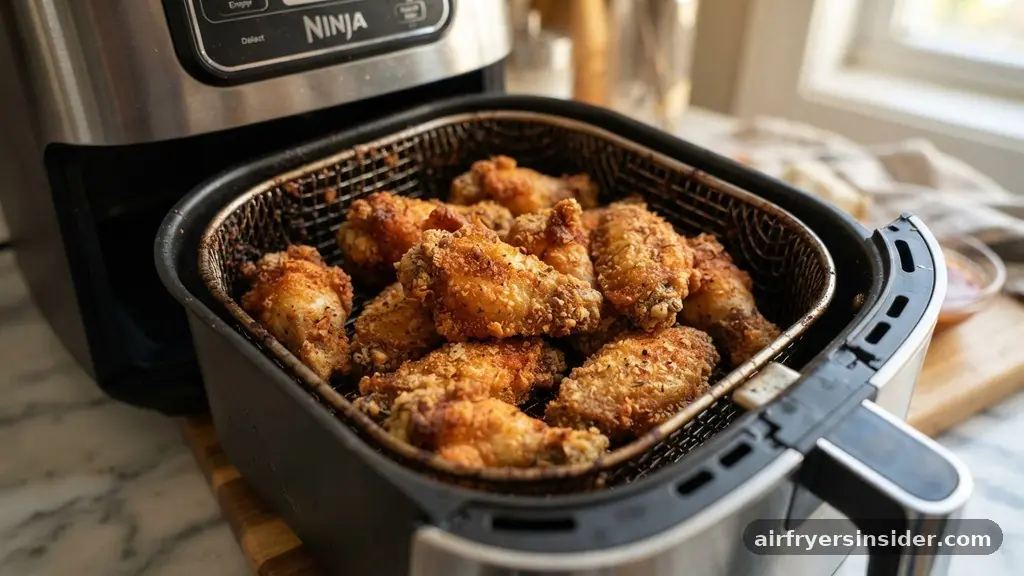
When you consider the physics of kitchen appliances, the air fryer is essentially a high-powered convection oven. It forces hot air to circulate rapidly around the food, which is the exact mechanism needed to revive breaded chicken.
Unlike a standard oven, which can take ten to fifteen minutes just to preheat, an air fryer gets to work almost instantly. This speed is crucial because it minimizes the time the moisture has to evaporate from the meat, effectively locking in the internal juices while the exterior gets a second chance at becoming crispy.
Many people struggle with the microwave because it heats food by agitating water molecules, which often leaves wings soggy and limp. The air fryer bypasses this problem entirely. By using a dry, circulating heat, you recreate the conditions of the original frying process.
Whether you are dealing with classic buffalo-style pieces or honey-barbecue varieties, the air fryer provides the temperature control necessary to avoid burning the breading while ensuring the center reaches a safe, appetizing temperature. It really is the most efficient tool for the job.
Understanding Optimal Temperature and Timing
To achieve the best results, you need to strike a balance between heat intensity and duration. If the temperature is too low, the wings will take forever to heat up and will dry out before they get crispy.
If it is too high, the exterior will scorch before the middle is warm. For most boneless wings, an air fryer setting of 350°F to 375°F is the sweet spot. At this range, you are looking at a total time of about five to eight minutes depending on the size of the pieces and how crowded the basket is.
Preheating is another often-overlooked step that changes the outcome. Even though air fryers are fast, letting the unit run empty for three minutes ensures that the heat circulation is consistent from the very first second the wings hit the basket. If you skip preheating, the wings might sit in a cold chamber for a moment, leading to uneven heating.
Aim to keep the wings in a single layer so that the hot air can reach every side of the breading. If you stack them, you will end up with some pieces that are crunchy and others that remain cold and unappealing.
Tips for Maintaining Moisture and Flavor
One of the biggest risks when reheating leftover chicken is losing that succulent quality that makes it enjoyable in the first place. Because the air fryer is essentially a dehydrator by nature, you have to be proactive about moisture retention.
A light coating of avocado oil spray can act as a protective barrier. It helps the breading crisp up without becoming overly brittle or dry. You do not need to drown the wings in oil; a quick, fine mist is more than enough to improve the texture and help any residual sauce cling to the surface.
If your wings were heavily sauced before they went into the fridge, you might notice that the sauce has absorbed into the breading, making it look a bit mushy. To combat this, consider adding a fresh drizzle of sauce after the reheating process is complete. This keeps the breading from burning during the air-frying cycle and ensures the flavor is vibrant and fresh.
If you are worried about the wings getting too dry, you can also place a small, oven-safe dish with a tablespoon of water at the bottom of the air fryer basket to create a gentle steam effect, though this is rarely necessary if you keep the timing short.
Comparing Methods for Reviving Leftovers
When evaluating your options, the air fryer consistently outperforms other common household methods. While the oven is a reliable choice for large batches, it is inefficient for a small serving of wings.
The microwave is convenient but almost always sacrifices quality. The following table highlights why the air fryer remains the top choice for maintaining food quality.
| Method | Texture Outcome | Speed | Best For |
|---|---|---|---|
| Air Fryer | Crispy and juicy | Fast (5-8 mins) | Best overall quality |
| Microwave | Soggy and chewy | Very fast (1 min) | When you are in a rush |
| Oven | Good, but slow | Slow (15-20 mins) | Large portions |
| Stovetop | Greasy | Medium | Re-frying |
Addressing Common Kitchen Gaps
Many home cooks wonder if they should flip the wings halfway through the cycle. The answer is a resounding yes. Because the air fryer heats from the top down, the bottom of the wings often remains cooler or slightly softer than the top. By flipping them at the three-minute mark, you ensure that both sides get equal exposure to the heat. This simple action is the secret to achieving that uniform, crispy skin that makes air-fried food so satisfying.
Another gap in knowledge involves food safety. While you are technically reheating already cooked chicken, you should still ensure the internal temperature reaches at least 165°F. Using a digital meat thermometer is the only way to be certain.
If you do not have one, you can judge by the texture of the breading—it should be firm and golden—and the heat of the meat when you pull it apart. Never assume that just because the exterior is hot, the center is safe to eat, especially if you had the wings refrigerated for more than 24 hours.
Strategic Breaded Chicken Preparation 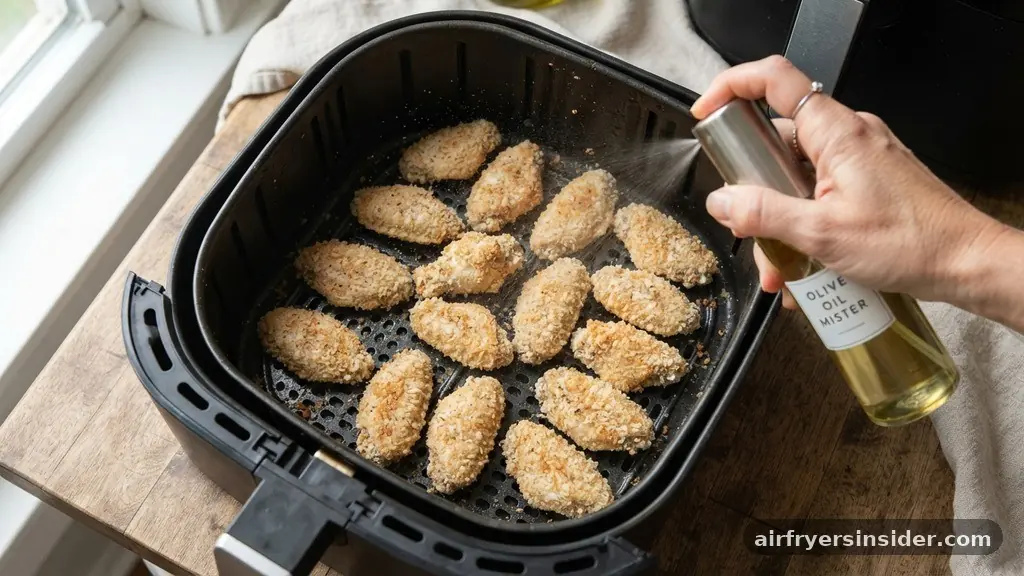
The type of breading on your wings significantly influences how long they need to stay in the air fryer. Thicker, heavy-duty breading takes longer to heat through to the center, whereas lighter, tempura-style coatings heat up very quickly.
If you are reheating breaded chicken that has a very thin coating, reduce your time by a minute or two to prevent the edges from burning. Always keep a close eye on the basket during the final two minutes of the process, as the difference between perfectly golden and burnt can happen in a flash.
* Always arrange wings in a single layer to allow for maximum airflow.
* Use a light mist of high-smoke-point oil like avocado oil to restore the crunch.
* Flip the wings halfway through to ensure even heat distribution.
* Add fresh sauce after heating to avoid burnt sugars or messy drips.
* Check that the center is steaming hot before serving.
Managing Food Quality and Texture
Maintaining the integrity of the breading is a task that requires attention to detail. If you find your wings are coming out too dry, you might be over-reheating them. The goal is to warm the meat, not to cook it again.
If you keep the temperature at 350°F, you are giving the heat enough time to penetrate the center without stripping away all the internal moisture. If the air fryer is too crowded, the moisture released by the wings will get trapped, creating a steam chamber that prevents the breading from crisping up.
It is also important to consider the starting temperature of your food. If you take the wings straight from the freezer, they will need a few extra minutes and perhaps a slightly lower temperature to ensure the center thaws and warms before the outside turns into a rock. If they are coming from the refrigerator, they are much easier to manage.
Always aim to bring your leftovers to room temperature for about ten minutes before you start the reheating process, as this helps them heat more evenly.
The Role of Heat Circulation
The secret to why the air fryer is so effective lies in the fan. The fan creates a high-velocity environment where hot air is pushed into every crevice of the wing. This is why you don’t need to add much oil; the air itself is doing the heavy lifting.
When you load the basket, imagine the air as invisible water flowing over the food. If you block the flow with too many wings, the air loses its efficiency, and you essentially end up with a small, cramped oven that takes much longer to achieve the same result.
For those who enjoy a little extra crunch, you can increase the temperature to 400°F for the final 60 seconds of the cycle. This “flash-crisping” technique gives the breading an extra boost of texture. Just be very careful, as this high heat can turn a perfect wing into a burnt one if you leave it for even thirty seconds too long.
This is a pro-level move that is best reserved for when you are standing right next to the machine, watching the progress through the viewing window or checking frequently.
Common Pitfalls to Avoid
Avoid the urge to put your wings back in the microwave for a “quick zap” before putting them in the air fryer. This is a recipe for disaster. The microwave will soften the breading and start the cooking process, making it nearly impossible for the air fryer to restore the crisp texture afterward.
Start from cold or room temperature, and go straight into the air fryer. It is the most reliable way to maintain the quality of the original meal.
Another mistake is using too much oil. While a little bit of fat helps with browning, too much will cause the breading to become greasy rather than crispy. Because the wings were likely fried in oil the first time, they already have residual fat in the breading.
You only need enough external oil to facilitate the transfer of heat and provide a light coating for the air to crisp up. Stick to a light spray and avoid pouring or brushing on oil, as this often leads to soggy, heavy results.
Frequently Asked Questions How long to reheat boneless wings in air fryer for the best texture?
For the best results, set your air fryer to 350°F or 375°F. Most boneless wings will reheat perfectly in five to eight minutes.
Be sure to flip them halfway through the cooking process to ensure that the heat is distributed evenly across all sides of the breading.
Is it necessary to preheat the air fryer before reheating wings?
Yes, preheating for about three minutes is highly recommended. Starting with a hot chamber ensures that the air circulation begins working immediately, which is the key to achieving a crispy exterior. Without preheating, the wings may sit in a stagnant, cool environment, which can lead to sogginess.
How do I prevent the breading from drying out?
To keep the meat juicy and the breading from becoming too brittle, use a light spritz of avocado oil or olive oil before you begin.
If you are worried about dryness, keep the reheating time short and avoid going beyond the eight-minute mark to preserve the internal moisture of the chicken.
Can I reheat frozen boneless wings in the air fryer?
Yes, you can, but you will need to adjust the time. Add about three to five minutes to the total cooking time and consider dropping the temperature by 25 degrees to ensure the center thaws and warms thoroughly before the outside begins to brown too quickly.
Conclusion
Mastering the art of reheating leftovers means you never have to settle for soggy chicken again. By using the air fryer as your primary tool, you can reliably restore that signature crunch and juicy interior that makes boneless wings a favorite.
Remember to keep your temperature consistent, flip your wings halfway through for even heat, and rely on a light oil spray to ensure the best possible texture. With these simple adjustments, your second helping will taste just as good as the first. Now that you have the timing and technique down, you can confidently enjoy your leftovers whenever the craving hits, knowing exactly how to get that perfect, crispy finish every single time.
Meta Description: Learn exactly how long to reheat boneless wings in air fryer for a perfect, crispy result every time. Follow these simple tips to restore your leftovers.


