


Finding the perfect balance of heat and time when reheating chicken breast in an air fryer is the secret to avoiding the rubbery texture that often plagues leftovers. If you have ever wondered exactly how long to reheat chicken breast in an air fryer to keep it juicy rather than dry, you are certainly not alone.
The goal is to restore the original texture and flavor of your meal without overcooking the protein. By understanding the mechanics of your appliance and following a few simple prep steps, you can transform yesterday’s refrigerated poultry into a fresh-tasting, delicious main course that rivals the day it was first cooked.
Why the Air Fryer Excels at Reheating Poultry
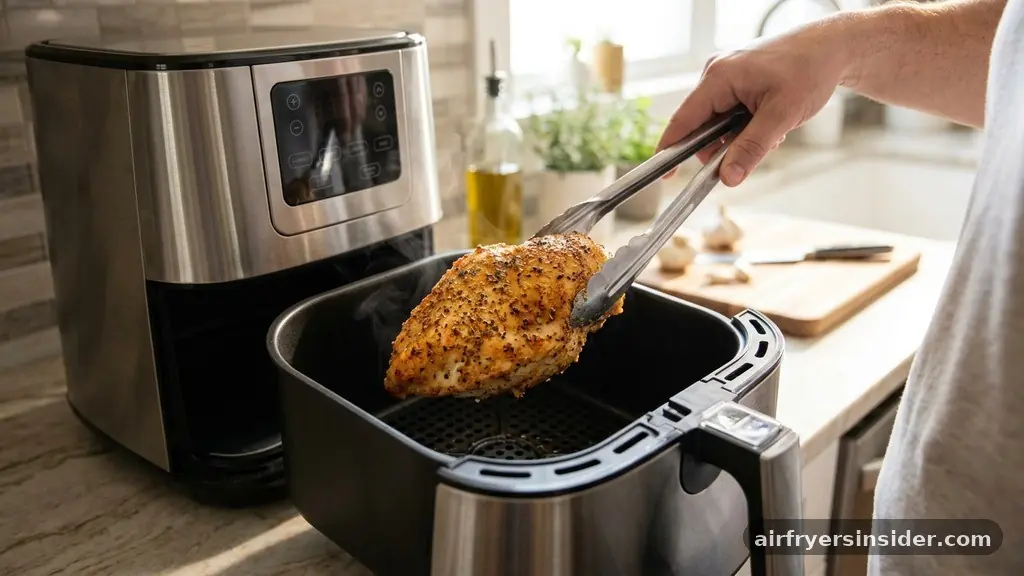
The air fryer functions as a high-powered convection oven, using rapid thermal circulation to move hot air around the food. Unlike a microwave, which excites water molecules to heat food—often leading to uneven, soggy results—the air fryer mimics the original cooking process.
This is why it is the preferred method for many home cooks when reheating leftovers. The consistent airflow helps maintain the integrity of the meat fibers, ensuring that the exterior stays warm and potentially crispy while the interior reaches an appropriate temperature.
When you use an air fryer, you are essentially leveraging the same technology that made the chicken delicious in the first place. The convection effect is particularly effective for poultry because it prevents the “steaming” effect common in microwaves. By controlling the cook time and temperature, you can ensure the chicken breast remains tender.
Furthermore, because the air fryer is a smaller, more enclosed environment than a standard kitchen oven, it reaches the desired temperature significantly faster. This efficiency saves you time and prevents the meat from sitting in a drying environment for longer than necessary.
Determining the Ideal Temperature for Reheating
For most chicken breast, a temperature of 350°F (175°C) is the sweet spot. While some might be tempted to crank the heat up to 400°F to speed up the process, this often leads to a scorched exterior and a cold, dry center.
By keeping the temperature moderate, you allow the heat to penetrate the meat evenly without evaporating all the internal moisture. This is crucial for food safety, as you want the internal temperature of the chicken to reach at least 165°F to ensure it is safe to consume according to USDA guidelines.
It is helpful to consider the thickness of the breast. A thin, sliced piece of chicken will reheat much faster than a whole breast. If you are working with a thick piece, you might want to start at 325°F for a slightly longer duration to allow the heat to reach the middle without burning the outside.
Always remember that your specific appliance model, whether it is a Ninja Foodi or a standard basket-style air fryer, may have slight variations in heat intensity. Monitoring the progress during the final minute is always a smart move to prevent accidental dehydration.
Mastering the Timing for Perfectly Juicy Results
When asking how long to reheat chicken breast in an air fryer, the answer generally falls between three and six minutes. For a standard-sized, refrigerated chicken breast, four minutes at 350°F is usually sufficient.
If the chicken has been frozen, you should thaw it in the refrigerator overnight before attempting to reheat it. Placing frozen chicken directly into the air fryer will result in a burnt outside and a frozen, unsafe interior.
To keep things organized, here is a quick reference table for reheating times based on the state of your chicken:
| Chicken Type | Temperature | Estimated Time |
|---|---|---|
| Sliced/Diced Breast | 350°F | 3-4 minutes |
| Whole Breast (Chilled) | 350°F | 5-6 minutes |
| Breaded Chicken Breast | 360°F | 4-5 minutes |
Always remember that these times are estimates. The actual duration will depend on the initial temperature of the chicken and the specific wattage of your air fryer.
Using a meat thermometer is the only way to guarantee that your food has reached the safe internal temperature of 165°F. Relying on visual cues alone can be misleading, as the exterior might look perfectly browned while the center remains at an unsafe temperature.
Essential Techniques for Moisture Retention
One of the biggest challenges when reheating poultry is preventing dehydration. Because the air fryer is designed to pull moisture away to create crispiness, you need to counteract this process.
A light coating of olive oil or a quick mist of cooking spray on the surface of the chicken can act as a protective barrier. This small amount of fat helps conduct heat evenly and prevents the surface fibers from drying out and becoming tough.
Another highly effective technique is adding a tiny splash of water or chicken broth to the bottom of the air fryer basket—if your model allows it—or simply brushing the chicken with a bit of liquid before placing it in the basket. This creates a mild steam environment that keeps the meat succulent.
Some cooks also find that wrapping the chicken loosely in parchment paper can help trap moisture while still allowing the hot air to circulate effectively. This is particularly useful if the chicken breast is slightly on the thinner side and prone to drying out quickly.
Handling Breaded and Seasoned Chicken
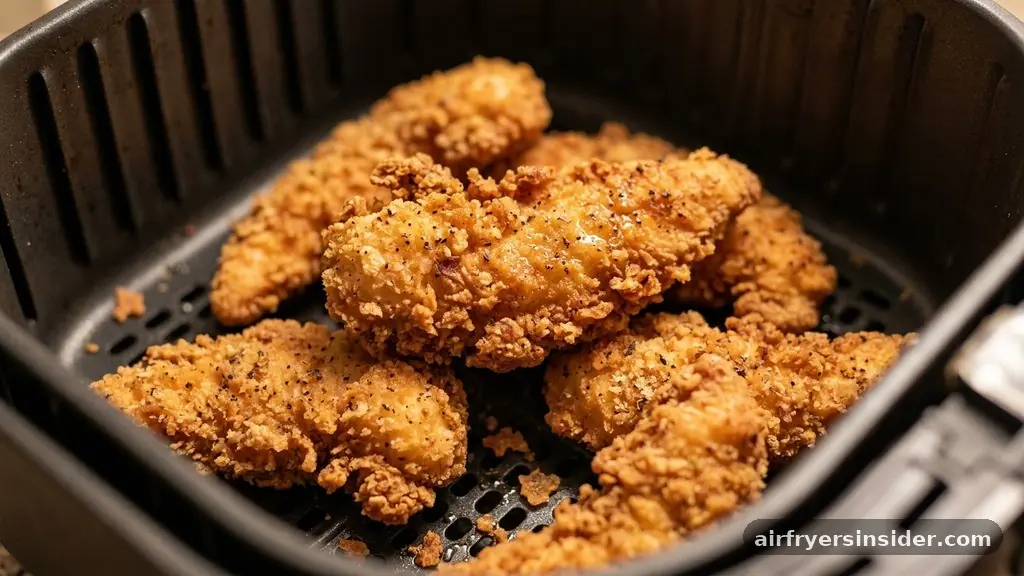
Reheating breaded chicken breast presents a unique set of challenges because you want to restore the crunch without burning the breading. When you reheat breaded items, increase the temperature slightly to 360°F or 375°F for a shorter period.
This higher heat helps crisp the exterior quickly. Since breading acts as a natural insulator, it actually protects the meat underneath, but it can also become overly dark if left in the air fryer for too long.
If you are dealing with heavily seasoned or sauced chicken, keep a close watch. Dry rubs are generally fine, but sugary glazes or barbecue sauces can caramelize and burn in a matter of seconds once the air fryer gets up to temperature.
If your chicken is covered in a sticky sauce, it is often better to reheat it at a lower temperature, perhaps 325°F, and check it every two minutes. You might even consider adding a fresh drizzle of sauce after the reheating process is complete to ensure the best flavor profile.
Addressing Common Topical Gaps
Many people wonder if they should preheat their air fryer before reheating leftovers. While the air fryer is known for heating up rapidly, preheating for two to three minutes can make a difference in consistency.
A preheated basket ensures that the cooking process begins the moment the food hits the surface, which is vital for maintaining the texture of the chicken. Without preheating, the chicken might sit in the basket as the unit slowly ramps up, which can lead to the meat drying out before it actually starts to “cook.”
Another common gap involves the use of parchment paper. Many users worry that parchment paper will block the airflow or catch fire.
As long as the paper is weighed down by the food and is not touching the heating element, it is generally safe and very helpful for cleanup. However, never place parchment paper in the air fryer during the preheating phase without food on top of it, as the circulating air can cause the paper to fly up and hit the heating coil, creating a significant fire hazard.
Food Safety and Internal Temperature Basics
Food safety should always be your top priority when dealing with leftover poultry. According to USDA guidelines, chicken must reach an internal temperature of 165°F to kill any potential bacteria like salmonella.
Even though the chicken was cooked previously, it has spent time in the “danger zone” while cooling and being stored in the refrigerator. Reheating it improperly can allow bacteria to thrive if the food does not reach a high enough temperature throughout.
Using a reliable meat thermometer is the only way to be certain. Simply poke the probe into the thickest part of the breast. If you see the reading climb to 165°F, you are in the clear.
If it is lower, add another minute and check again. It is also worth noting that you should never reheat chicken more than once.
If you take it out of the fridge, reheat it, and then decide you aren’t hungry, that portion should be discarded. Repeated cycles of heating and cooling significantly increase the risk of foodborne illness.
Comparing Methods: Air Fryer vs. Microwave vs. Oven
When you look at the options for reheating, the air fryer stands out for its balance of speed and quality. The microwave is undoubtedly the fastest, but it almost always ruins the texture of chicken, making it rubbery and unevenly heated.
The oven, on the other hand, provides excellent, even heat but takes a long time to preheat and can be inefficient for a single serving of leftovers. The air fryer occupies the middle ground.
* Air Fryer: Best for texture and speed; maintains crispiness.
* Microwave: Fastest, but often results in rubbery, uneven meat.
* Oven: Best for large quantities, but slow and energy-intensive.
By using the air fryer, you get the benefit of convection cooking, which ensures that the heat is applied consistently across the entire surface of the meat. While it might take a few minutes longer than a microwave, the improvement in taste and mouthfeel is substantial. It is the most practical choice for those who want their leftovers to taste as if they were prepared fresh.
Maximizing Your Air Fryer Performance
To get the most out of your appliance, avoid overcrowding the basket. Proper airflow is the defining feature of an air fryer, and if you pack the basket full of chicken breasts, the air cannot circulate effectively.
This leads to cold spots and uneven reheating. If you have a large amount of chicken, it is better to reheat it in batches rather than trying to cram it all in at once.
Additionally, consider the “shake” or “flip” method halfway through the cooking time. Even if you aren’t cooking fries or vegetables, flipping the chicken breast ensures that both sides are exposed to the direct heat of the convection fan. This simple action can prevent the bottom of the chicken from becoming soggy while the top gets dry.
Finally, let the chicken rest for a minute or two after removing it from the air fryer. This allows the internal juices to redistribute throughout the meat, resulting in a much more satisfying bite.
Frequently Asked Questions
Is it safe to reheat chicken breast in an air fryer?
Yes, it is perfectly safe as long as you ensure the chicken reaches an internal temperature of 165°F. Use a meat thermometer to verify this, as visual checks are not reliable enough to ensure all bacteria have been destroyed during the reheating process.
How do I prevent the chicken from drying out?
To keep the meat moist, lightly brush the chicken with olive oil or a bit of chicken broth before reheating. You can also wrap it loosely in parchment paper to trap steam, which helps maintain the internal moisture while the exterior warms up.
Can I reheat breaded chicken without making it soggy?
Absolutely. The air fryer is actually the best tool for this. Set your temperature slightly higher, around 360°F to 375°F, to help crisp up the breading quickly. Avoid adding extra liquid to the basket if you want the breading to regain its crunch.
How long should I preheat the air fryer?
Preheating for about two to three minutes is ideal. This ensures the cooking chamber is at the correct temperature from the moment you place the chicken inside, which reduces the time the meat spends sitting in a warm environment, thereby helping to prevent it from drying out.
Final Thoughts on Reheating Poultry
Reheating chicken breast in an air fryer is a straightforward process that, when done correctly, yields excellent results. By focusing on a moderate temperature of 350°F and keeping a close eye on the internal temperature with a meat thermometer, you can enjoy your leftovers without compromising on quality. Remember to avoid overcrowding your basket and to use a light coating of oil to protect the surface of the meat from the intense airflow.
With these simple adjustments, your refrigerated chicken will be transformed back into a flavorful and juicy meal. Experimenting with these settings will help you find the perfect timing for your specific air fryer model, ensuring that every leftover meal is as satisfying as the first. Feel free to try these techniques next time you have extra chicken on hand and enjoy the convenience of perfectly reheated food.
Meta Description: Learn exactly how long to reheat chicken breast in an air fryer to keep it juicy and delicious. Discover expert tips for perfect results every time.


