

Reheating leftover seafood often feels like a gamble, with the microwave turning delicate fillets into rubbery, unappetizing messes. Mastering how long to reheat fish in an air fryer changes the game entirely, allowing you to restore that freshly cooked taste without sacrificing the texture you loved during the first meal.
By leveraging rapid air technology, you can achieve a crispy exterior while ensuring the center remains moist and tender. Whether you are dealing with firm salmon or flaky white fish, understanding the right settings and timing is the secret to avoiding the common pitfalls of dry, overcooked leftovers.
The Science of Air Fryer Reheating
The primary reason air fryers excel at reviving leftovers is their reliance on convection heating. Unlike a microwave, which agitates water molecules to generate heat, an air fryer circulates hot air at high speeds.
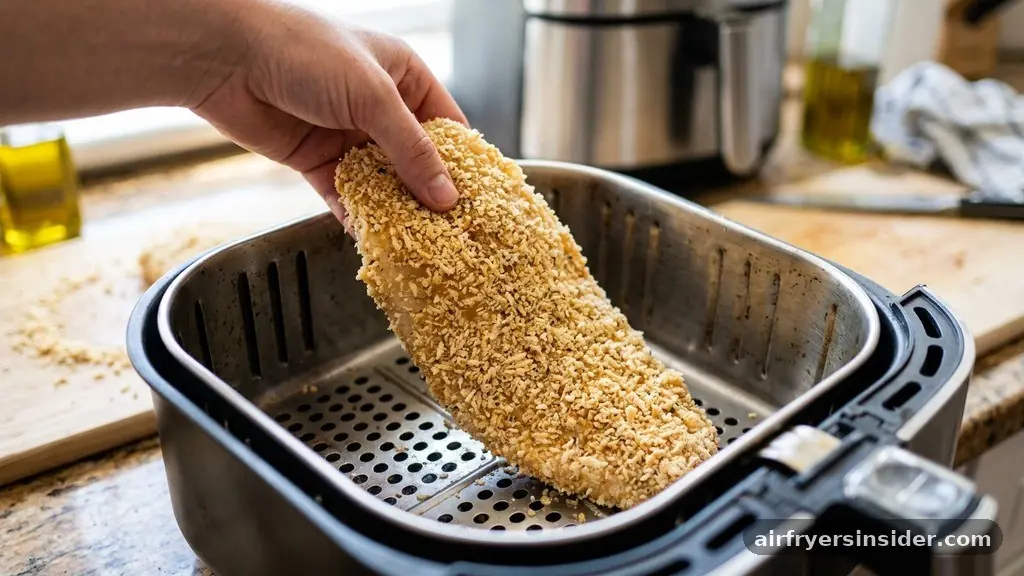
This thermal circulation mimics the effects of a traditional oven but on a much faster and more concentrated scale. When you place a piece of fish inside, the rapid air technology immediately works to crisp up the exterior, whether it is a naked fillet or a breaded piece of cod.
Because air fryers are essentially high-performance mini-convection ovens, they provide a level of moisture retention that other appliances simply cannot match. The key is finding the balance between heat intensity and time.
If the temperature is too high, the outside will burn before the inside is warm; if it is too low, the fish will sit in the basket long enough to lose its internal moisture. Understanding how long to reheat fish in an air fryer requires recognizing that the goal is to warm the protein through rather than cook it from scratch.
Optimizing Temperature for Different Fish Types
Not all seafood reacts the same way to intense heat. A thick piece of salmon has a different density and fat content compared to a thin, delicate tilapia fillet. For most applications, keeping your air fryer between 320°F and 350°F is the sweet spot.
This range is high enough to encourage a crispy texture but gentle enough to prevent the edges from drying out. If you are dealing with breaded fillets, you might lean toward the higher end of that spectrum to ensure the batter regains its crunch.
Guidelines for Various Seafood
* Salmon: Needs a slightly lower temperature (320°F) to prevent the fats from rendering out too quickly, which leads to dryness.
* White Fish (Cod/Tilapia): Can handle 350°F, as these varieties are often thinner and benefit from a quick blast of heat to firm up the exterior.
* Fried Fish: Requires 375°F for a very short duration to revive the batter without overcooking the delicate flakes inside.
Establishing the Perfect Timing
When you consider how long to reheat fish in an air fryer, the answer is rarely a single number. Most fillets will be perfectly warm after just three to five minutes.
The thickness of the fish is your primary variable. A thin piece of sole might be ready in three minutes, whereas a thick, center-cut salmon steak might need six or seven minutes to reach the ideal internal temperature.
It is always better to start on the shorter side of your estimate. You can always add an extra minute, but you cannot fix a piece of fish that has been overcooked.
Use your senses; look for the edges to start sizzling and the aroma of the fish to become apparent. If you are heating multiple pieces, avoid overcrowding the basket, as this restricts airflow and prevents the rapid air technology from doing its job effectively.
Addressing Food Safety and Internal Temperature
Food safety remains paramount when reheating any protein. While the fish is already cooked, it must still reach an appropriate temperature to be safe and enjoyable. The USDA generally recommends that leftovers be reheated to an internal temperature of 165°F.
However, for fish, hitting this high of a temperature often results in a dry, chalky product. Most culinary professionals suggest aiming for a warm, palatable internal temperature of 145°F, provided the fish was handled and stored correctly immediately after its first cooking.
Using a food thermometer is the most reliable way to ensure your fish is safe without sacrificing quality. Insert the probe into the thickest part of the fillet.
If the reading is below 130°F, keep it in the basket for another minute. Monitoring this internal temperature is particularly important if you are reheating leftovers that have been in the refrigerator for more than 24 hours.
The Role of Accessories and Preparation
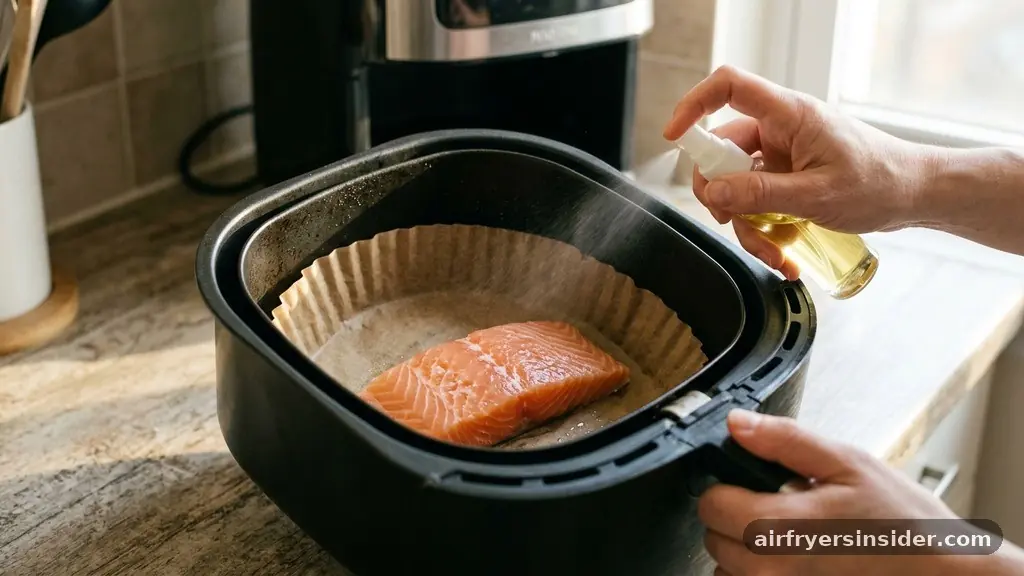
How you prepare the basket makes a significant difference in the final outcome. Using parchment paper can help prevent delicate flakes from sticking to the perforated bottom of the air fryer basket.
However, ensure the paper does not block the airflow too much. If you are worried about the fish drying out, a light spritz of oil or a small pat of butter on top can help with moisture retention during the reheating cycle.
Aluminum foil is another useful tool, though it should be used sparingly. If you notice the edges of your fish browning too quickly, you can create a small foil tent to shield the edges while the center continues to warm. Avoid wrapping the fish completely in foil, as this traps steam and defeats the purpose of the air fryer, turning your crispy fish into a steamed, soggy mess.
| Fish Type | Recommended Temp | Estimated Time |
|---|---|---|
| Salmon Fillet | 320°F | 4-6 Minutes |
| Breaded Cod | 350°F | 5-7 Minutes |
| Tilapia/White Fish | 330°F | 3-5 Minutes |
| Fish Sticks | 375°F | 3-4 Minutes |
Managing Moisture Retention
One of the biggest challenges with leftover seafood is avoiding the “reheated” taste. Moisture retention is the key to success. Because reheating cycles involve dry, circulating air, you need to compensate.
Beyond a light coating of oil, you can try placing a small, oven-safe ramekin with a tablespoon of water at the bottom of the basket. The steam generated can help keep the environment inside the air fryer slightly more humid, protecting the delicate structure of the fish.
Another strategy involves “refreshing” the breading if you are working with fish and chips. If the batter seems greasy, blot it gently with a paper towel before putting it into the basket.
This simple step removes excess surface oil that would otherwise turn rancid and soggy during the heating process. By keeping the surface dry, you allow the air fryer to focus on crisping the batter rather than just heating up old oil.
Overcoming Common Reheating Pitfalls
Many home cooks make the mistake of using the “preheat” function for too long. While a rapid preheat is beneficial for cooking raw meat, it can be detrimental when reheating.
If the basket is already at 400°F before you put the fish in, the exterior will be scorched before the heat has a chance to penetrate the center. Instead, let the air fryer reach a moderate temperature, or skip the preheat entirely if you have a powerful model.
Another common issue is piling the fish in the basket. The air fryer works on the principle of air circulation; if the items are touching or stacked, that air cannot reach the surfaces of the fish.
This leads to uneven heating where one part is burnt and another is still cold. Always arrange your leftovers in a single, even layer with enough space between each piece to allow the hot air to move freely.
Answering Topical Gaps
A frequent question that goes unanswered is whether you should reheat fish from frozen. Generally, it is highly recommended to thaw your leftover seafood in the refrigerator overnight before reheating.
Attempting to reheat frozen, previously cooked fish is a recipe for disaster. The outside will inevitably dry out and become tough before the center has had any chance to thaw, let alone reach a safe temperature.
Another gap concerns the use of sauces. Should you add sauce before or after the air fryer? Always add sauces, glazes, or garnishes after the reheating process is complete.
If you apply a glaze containing sugar before putting the fish in the air fryer, it will likely burn and turn bitter due to the high-velocity air. Keep the fish plain during the reheating phase, then glaze or sauce it immediately before serving to maintain the best food quality.
The Importance of Residual Heat
Never underestimate the power of residual heat. Once you pull the basket out and check the fish, it will continue to cook for a minute or two. If you are hovering right at the point of perfection, take the fish out slightly early.
Let it sit on the plate for a minute. This allows the internal temperature to stabilize and ensures the moisture redistributes through the meat, resulting in a much more tender and flavorful bite.
If you find that your fish is just slightly under-warmed, the residual heat from the basket can often finish the job without needing to turn the machine back on. This technique is especially useful for thinner fillets that can go from perfect to overcooked in a matter of seconds. By mastering this timing, you ensure that your leftover meal tastes just as good as the day it was prepared.
Frequently Asked Questions
Is it better to reheat fish in the oven or the air fryer?
The air fryer is generally superior for reheating fish because it uses rapid air circulation to restore a crispy texture. While an oven works, it often takes longer and can dry out the fish significantly more, whereas the air fryer is faster and more efficient at maintaining moisture.
Can I reheat breaded fish without it getting soggy?
Yes, the air fryer is perfect for breaded fish. To avoid sogginess, ensure the fish is in a single layer and not crowded. You can lightly pat the breading with a paper towel before heating to remove excess oil, which helps the batter crisp up perfectly during the cycle.
How do I know if my fish is overcooked?
Overcooked fish will lose its delicate flakes and become firm, rubbery, or dry. If you notice the edges are curling or the meat is turning a chalky white color, it has likely been in the air fryer too long. Use a thermometer to hit 145°F and stop there.
Can I put parchment paper in the air fryer?
Yes, you can use parchment paper to prevent sticking. Ensure the paper is weighted down by the food so it doesn’t fly up into the heating element. Do not use wax paper, as it is not heat-resistant and can melt or pose a fire risk in the machine.
Knowing how long to reheat fish in an air fryer allows you to transform leftovers into a delicious second meal with minimal effort. By focusing on moderate temperatures, proper spacing, and monitoring internal temperatures, you can easily maintain the moisture and texture of your favorite seafood dishes. Start by using the shorter end of the recommended time ranges and adjust based on the thickness of your fillets.
With a little practice, your reheated salmon, cod, or tilapia will taste freshly prepared every time. Experimenting with these settings will help you get the most out of your kitchen appliances and reduce food waste in your household. If you have any specific tips or favorite settings that have worked for you, feel free to share your experiences with others.
Meta Description: Learn how long to reheat fish in an air fryer to keep it crispy and moist. Follow our expert tips on temperatures and timing for perfectly warmed seafood.


