

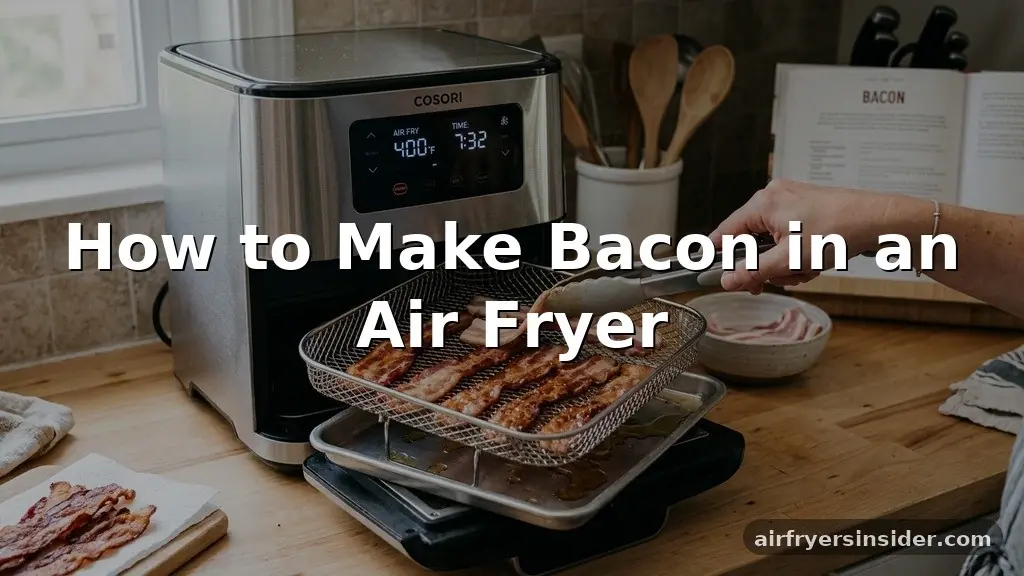
Learning how to make bacon in an air fryer is a game-changer for anyone who loves a perfect, crunchy breakfast without the hassle of stovetop cleanup. Traditional frying methods often result in excessive grease splatter and uneven cooking, but the air fryer uses rapid hot air circulation to deliver a consistently crispy texture. By understanding the mechanics of your specific appliance, such as the Ninja Foodi or standard basket-style models, you can achieve professional results with minimal effort.
This process relies on convection cooking to render fat efficiently while ensuring the meat reaches the ideal level of doneness. Whether you prefer thin, delicate slices or hearty thick-cut bacon, the air fryer provides a controlled environment that minimizes mess while maximizing flavor.
Understanding the Mechanics of Air Frying Bacon
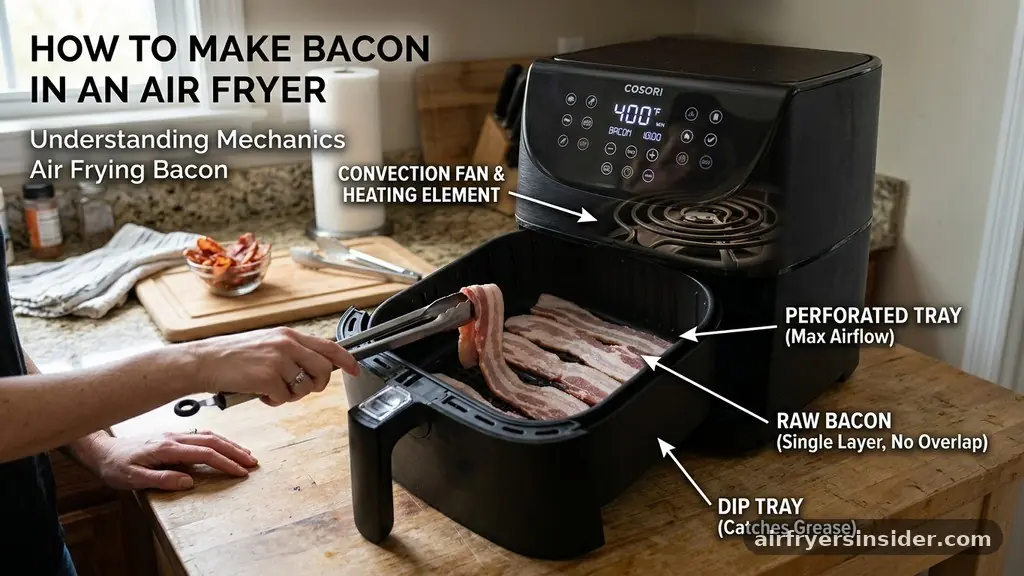
The air fryer functions as a compact convection oven, utilizing a powerful fan to circulate hot air around the food. When you cook bacon strips, this intense airflow helps to quickly move heat through the meat, which accelerates the rendering process.
Unlike a skillet where the bacon sits in its own pool of grease, an air fryer basket allows the rendered fat to drip away from the meat. This physical separation is the secret to achieving that coveted crispy texture without the bacon becoming overly greasy or soggy.
Because the heating element is located at the top of the unit, the proximity of the bacon to this source is critical. If you stack the slices too closely or overlap them significantly, you prevent the air from circulating properly, leading to uneven results.
It is important to remember that bacon is a high-fat food, and when that fat reaches its smoke point inside the enclosed chamber, it can lead to excess smoke if the unit isn’t cleaned properly. Managing the bacon grease is therefore not just about food quality, but also about maintaining the safety and cleanliness of your kitchen.
Essential Preparation and Equipment
Before you begin, ensure your air fryer basket is clean and free from any leftover residue from previous meals. While some users prefer to use parchment paper to line the bottom of the basket, this is optional. If you choose to use it, ensure the paper is designed for air frying and has holes to facilitate airflow; otherwise, it will block the fat drainage process, causing the bacon to simmer in its own fat rather than fry.
For those who want to minimize cleanup, placing a small piece of bread or a specialized drip tray at the bottom of the basket can help absorb excess oil, provided it doesn’t obstruct the vents. Always check your manufacturer’s guidelines regarding the use of liners, as certain types can be sucked into the heating element, creating a significant fire hazard. Having a pair of heat-resistant tongs ready is also essential for safely flipping the strips midway through the cooking time.
Determining the Right Temperature and Timing
The ideal cooking temperature for bacon in an air fryer is generally between 350°F and 400°F. At 350°F, the bacon renders slowly, which is often preferred for thicker varieties to ensure the center cooks through without burning the edges. At 400°F, you will achieve a faster, more aggressive crisp, which works well for thinner slices.
Factors Influencing Cooking Time
- Thickness: Thick-cut bacon requires a lower temperature and longer duration compared to standard-cut slices.
- Quantity: Adding more strips to the basket increases the overall density, which may require an extra minute or two of cooking.
- Appliance Wattage: Higher-wattage models like the Ninja Foodi often cook faster than smaller, budget-friendly air fryers.
- Desired Crispiness: Personal preference dictates whether you prefer chewy or shatteringly crisp bacon.
It is rarely necessary to spend time preheating the air fryer for bacon, as the appliance reaches optimal heat within seconds. However, if you are cooking multiple batches back-to-back, the unit will already be hot, so you should start checking for doneness a couple of minutes earlier than the first batch.
Managing Grease and Preventing Smoke
One of the most common complaints when learning how to make bacon in an air fryer is the production of smoke. As the pork belly renders, the liquid fat drops onto the base of the unit.
If there is old residue on the bottom of the pan or if the fat begins to burn on the hot metal surface, it will cause smoke to fill your kitchen. To prevent this, ensure that your drip tray or the bottom of the basket is wiped clean before starting.
If you are cooking a large amount of bacon, periodically pausing to remove the accumulated grease can significantly reduce smoke. Simply pull out the basket, carefully drain the grease into a heat-safe container, and resume cooking. Using paper towels to blot the finished bacon immediately after removing it from the basket is also a vital step.
This not only improves the texture by removing surface oil but also ensures your breakfast isn’t overly heavy. Always prioritize kitchen ventilation by running your stove hood fan while the unit is in operation.
The Role of Convection in Achieving Perfection
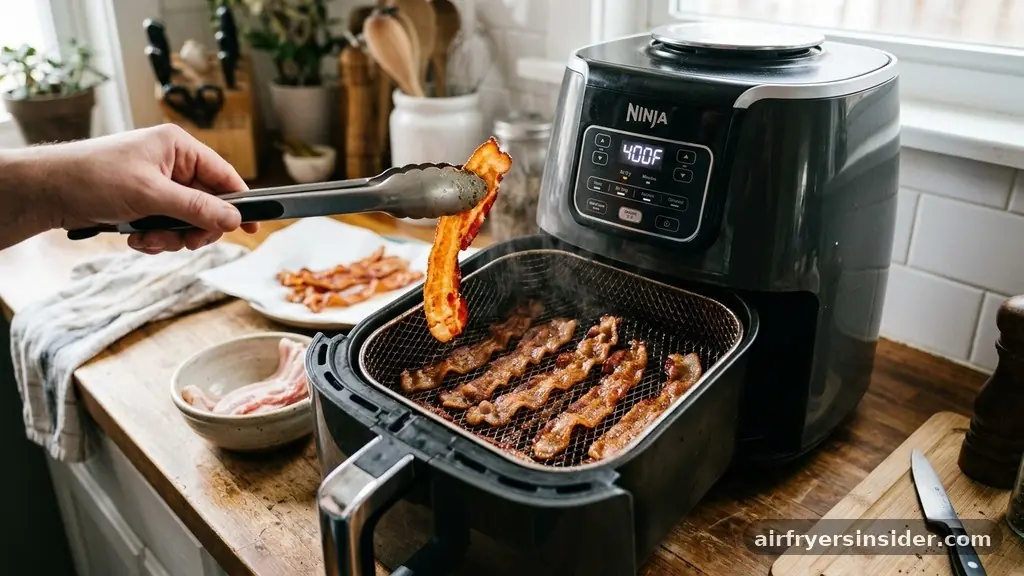
The magic of air frying lies in the rapid movement of air, which mimics the effect of deep frying without the need for an oil bath. When you place bacon in the basket, the hot air hits the surface of the meat, causing the proteins to tighten and the fat to liquify almost instantly. This process creates a Maillard reaction—a chemical reaction between amino acids and reducing sugars—which gives the bacon its deep, savory flavor and signature golden-brown color.
Because the air is forced around the strips from all angles, you get a much more uniform result than you would in a frying pan. In a pan, the bacon often curls and creates “pockets” that never touch the heat source.
In the air fryer, the convection currents push the heat into every crevice, ensuring that the entire strip is rendered evenly. This makes it an excellent method for preparing large quantities for a family breakfast, provided you work in batches to maintain the integrity of the airflow.
Comparing Methods: Air Fryer vs. Traditional Cooking
Choosing the right method for cooking bacon depends on your priorities regarding time, health, and cleanup. The following table provides a breakdown of how the air fryer stacks up against traditional stovetop and oven methods.
| Feature | Air Fryer | Stovetop | Oven |
|---|---|---|---|
| Cleanup | Minimal (Basket/Tray) | High (Grease Splatter) | Moderate (Sheet Pan) |
| Cooking Speed | Fast | Moderate | Slow |
| Fat Content | Low (Drained) | High (Sits in fat) | Moderate |
| Consistency | High | Variable | High |
As shown in the table, the air fryer offers the best balance of speed and fat reduction. While the oven is excellent for cooking large batches simultaneously, it takes significantly longer to preheat and cook. The stovetop allows for the most control but requires constant monitoring to prevent burning and is notorious for the mess it creates on the backsplash and counters.
Addressing Topical Gaps: Troubleshooting Common Issues
Many users encounter issues when they first try air frying bacon, often due to misconceptions about the appliance’s capabilities. A frequent question is whether you can cook bacon without the non-stick coating of the basket being damaged. While bacon is generally safe, metal utensils can scratch the surface, so always use silicone-tipped tongs.
Another common gap in knowledge involves food safety. While bacon is a processed product, it is still a raw meat that requires proper handling. Ensure the internal temperature of the bacon is cooked to your liking, but more importantly, ensure the fat has rendered sufficiently.
If you find the bacon is still rubbery, it simply needs more time. Do not be afraid to cook it for an extra 2-3 minutes; bacon is very forgiving in an air fryer compared to more delicate items like fish or pastries. If your bacon remains undercooked in the center, try spreading the strips out more effectively or cutting them in half to fit the basket better.
Advanced Tips for Consistent Results
To truly master the art of air frying bacon, consider these professional techniques. First, try “cold-starting” your bacon.
Place the cold bacon into the room-temperature air fryer basket and set the timer. This allows the fat to render slowly as the unit warms up, which often leads to a flatter, crispier strip that is less prone to curling.
Second, consider the seasoning. While bacon is naturally salty, adding a pinch of brown sugar or cracked black pepper before cooking can create a delicious glaze. However, be cautious with sugar, as it will caramelize and potentially smoke if it drips into the bottom of the basket.
If you want to add flavors, do so in the last two minutes of cooking to prevent burning. Finally, always let the bacon sit for a minute after removing it from the basket. As it cools slightly, the fat will firm up, and the bacon will reach its peak level of crunchiness.
Cleaning and Maintenance for Longevity
Properly cleaning air fryer components is essential to ensure your machine continues to function correctly for years. Bacon grease is notorious for becoming sticky and difficult to remove if left to sit. After you finish cooking, allow the basket to cool down until it is safe to touch, but do not let it sit for hours, as the grease will harden.
Wash the basket and any inserts in warm, soapy water using a non-abrasive sponge. Avoid steel wool or harsh scouring pads, which will strip the non-stick coating and cause food to adhere in the future. If you find stubborn, burnt-on grease, soak the basket in hot water with a drop of dish soap for 15 minutes before scrubbing.
Regularly wiping down the interior walls of the air fryer—where the heating element resides—is also vital. Even if it doesn’t look dirty, tiny droplets of aerosolized fat can accumulate there, leading to smoke during future cooking sessions. By keeping the unit pristine, you ensure that every batch of bacon tastes as good as the first.
FAQ
Is it better to cook bacon in the air fryer or the oven?
The air fryer is faster and results in less fat content because the grease drips away from the meat. The oven is better for cooking large quantities at once, but it takes longer to preheat and cook, making the air fryer the superior choice for daily convenience.
Why does my air fryer smoke when I cook bacon?
Smoke is usually caused by bacon grease hitting the heating element or burning on the bottom of the basket. To prevent this, ensure the basket is clean before starting, and if you are cooking multiple batches, periodically drain the excess grease from the bottom of the unit.
Can I cook bacon in the air fryer without parchment paper?
Yes, absolutely. In fact, many air fryer experts recommend skipping parchment paper unless it is specifically designed for the appliance. Using the wrong paper can block airflow, impede fat drainage, and potentially create a fire hazard if the paper is sucked up into the heating element.
What is the best temperature to cook bacon in an air fryer?
A temperature of 350°F to 400°F is ideal. Use 350°F for thicker cuts to ensure the meat cooks through without burning, and 400°F for thinner slices if you prefer a faster, crispier result. Always monitor the bacon closely during the final minutes to prevent overcooking.
Conclusion
Mastering how to make bacon in an air fryer is a simple yet transformative skill for any home cook. By leveraging the power of convection, you can achieve a superior crispy texture while effectively draining away excess rendered fat. Whether you are preparing a quick weekday breakfast or a weekend feast, the air fryer offers a cleaner, faster, and more consistent alternative to traditional cooking methods.
Remember to maintain your appliance by keeping the basket and heating element free of grease, and don’t be afraid to experiment with different temperatures to find your perfect level of doneness. With the right technique, your air fryer will quickly become your preferred tool for preparing perfectly cooked, delicious bacon every single time.


