

Learning how to make frozen salmon in air fryer setups is a genuine time-saver for busy households. You don’t have to worry about planning ahead for thawing; instead, you can go from freezer to table in under twenty minutes. This method relies on the rapid circulation of hot air to ensure the fish cooks evenly while maintaining a moist interior.
By mastering a few simple adjustments, you can achieve a restaurant-quality result that keeps the fish tender and flavorful. Whether you’re looking for a quick weeknight dinner or a healthy addition to your meal prep, this technique delivers consistent, delicious results every single time.
The Science of Air Frying Frozen Seafood
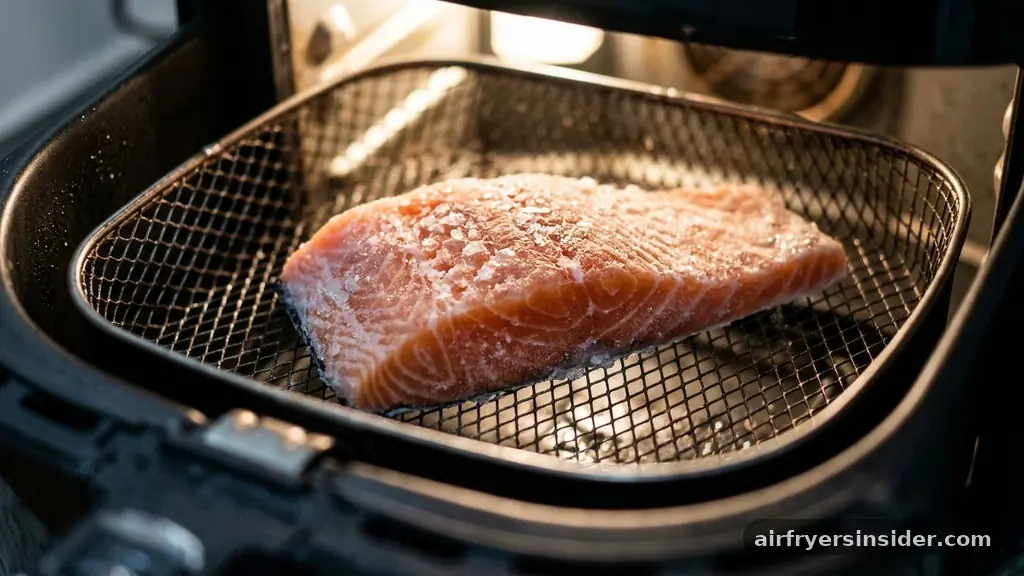
Air fryers are essentially compact, high-powered convection ovens. When you place a frozen salmon fillet into the machine, the intense heat immediately begins to thaw the outer layer while simultaneously searing it.
This process is highly efficient because the concentrated airflow reduces the moisture loss typically associated with slow defrosting. Unlike a standard oven, which takes time to heat up the entire cavity, the air fryer basket provides a focused environment where heat transfer occurs rapidly.
Understanding the mechanics of this process helps in managing the cook time effectively. Because the fish starts at a sub-zero temperature, the exterior usually reaches the desired texture before the center is fully cooked. This is why managing the temperature is critical.
You are essentially using the air fryer to bridge the gap between a frozen block of protein and a perfectly cooked meal. The result is a flaky texture that rivals pan-seared fish, provided you don’t crowd the basket.
Preparing Your Fillets for Optimal Results
Before you drop the fish into the basket, a little preparation goes a long way. Even though you are cooking from frozen, you should rinse the fillets quickly under cold water to remove any ice crystals clinging to the surface.
Patting them dry with a paper towel is essential because excess moisture creates steam rather than the desired sear. If the fish remains too wet, the surface won’t develop that appealing color or texture.
Next, apply your chosen seasoning rub while the fish is still cold. Since the surface is slightly damp from the rinse, the spices will adhere quite well. You might consider using a light coating of olive oil or avocado oil to help the seasoning stick and to promote a better Maillard reaction.
This chemical reaction between amino acids and reducing sugars is what gives the salmon its browned, savory crust. Without that tiny bit of fat, the fish might just steam in the heat, leaving you with a pale, unappetizing exterior.
Ideal Temperature and Timing Strategies
Finding the right balance for your appliance is key. Most home cooks find that 375°F to 400°F is the sweet spot.
Setting the temperature too high can char the outside before the center thaws, while too low a temperature can result in a mushy texture. Generally, you should aim for about 12 to 15 minutes of cooking time, depending on the thickness of your salmon fillet.
It is helpful to check the fish halfway through the process. If you notice the edges are browning too quickly, you can reduce the heat or move the fillets to a different part of the rack. Remember that the internal temperature is the ultimate indicator of doneness.
According to food safety guidelines, you want the thickest part of the fish to reach 145°F. However, many people prefer a medium-rare or medium finish, which usually happens around 125°F to 130°F. Using an instant-read thermometer is the only way to be certain you have hit your target.
Managing the Air Fryer Basket
The way you arrange your food inside the air fryer dramatically influences the outcome. Airflow is the secret ingredient in convection cooking, so you must avoid stacking the salmon.
If the fillets overlap, the parts that touch will remain raw or undercooked, while the exposed areas might overcook. Always leave at least an inch of space between each piece to allow the hot air to circulate freely around every side of the protein.
Many people wonder if they should use parchment paper or aluminum foil in the basket. While these can make cleanup easier, be careful not to block the airflow.
If you use a liner, ensure it is perforated or small enough that it doesn’t obstruct the vents at the bottom of the basket. If you are worried about the salmon skin sticking, a light spray of oil on the basket grate is often more effective than using a solid sheet of foil, as it allows the air to continue moving through the bottom of the fish.
Seasoning Profiles and Flavor Enhancements
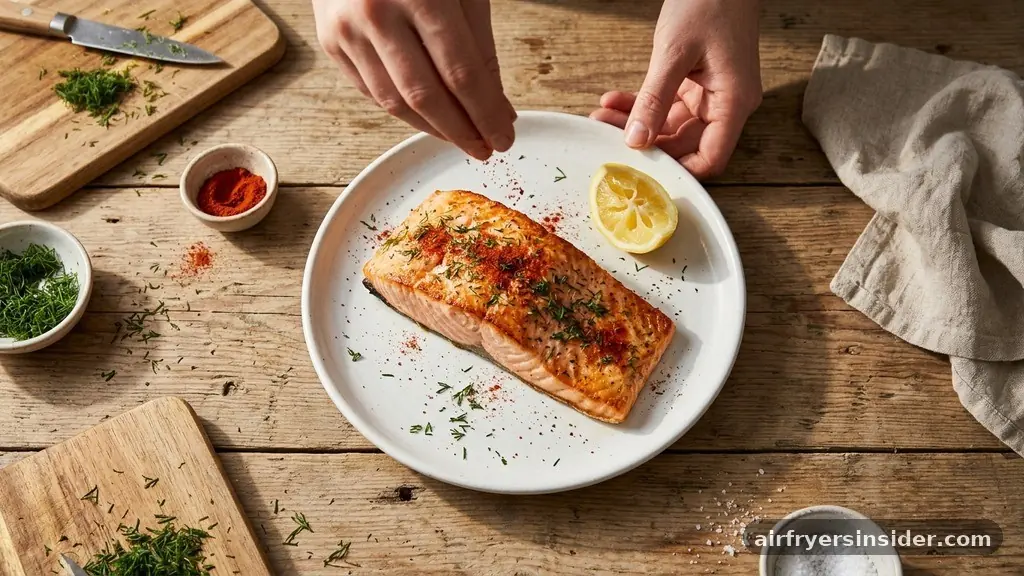
Since salmon has a naturally rich flavor profile, it pairs beautifully with a wide variety of herbs and spices. When you are learning how to make frozen salmon in air fryer configurations, you have the perfect canvas for experimentation.
A simple blend of garlic powder, salt, and black pepper is a classic starting point. If you want to lean into more vibrant flavors, consider adding paprika for a smoky depth or dried dill for a bright, herbal note.
| Seasoning Style | Best Ingredients | Cooking Tip |
|---|---|---|
| Classic Savory | Garlic, Onion, Salt | Apply after 5 minutes |
| Citrus Zest | Lemon Pepper, Dried Parsley | Finish with fresh juice |
| Smoky Heat | Paprika, Chili Powder | Use oil to bind spices |
Adding acid is a great way to cut through the healthy fats and omega-3 fatty acids inherent in the fish. Placing lemon wedges on top of the salmon during the last three minutes of cooking infuses the meat with a bright, citrusy aroma. The heat from the air fryer will slightly caramelize the lemon, making the juice more concentrated and flavorful when you finally squeeze it over the finished dish.
Addressing Common Culinary Challenges
One frequent issue when cooking frozen fish is the “fishy” aroma that can sometimes permeate the kitchen. This usually happens if the salmon isn’t fresh or if the cooking process is too slow.
By ensuring the air fryer is properly preheated, you minimize the time the fish spends in the “danger zone” of temperature, which helps maintain a clean, fresh taste. If you find the smell is still an issue, placing a small slice of lemon or a sprig of fresh herb in the air fryer basket can help neutralize odors during the cooking process.
Another challenge involves uneven cooking due to varying fillet sizes. If you have one thick piece and one thin piece, the thin one will inevitably dry out before the thick one is done. To solve this, always try to select fillets of uniform size when purchasing them.
If you are stuck with uneven pieces, you can simply pull the thinner fillets out of the basket a few minutes early. This requires a bit of vigilance, but it ensures that every portion is perfectly cooked.
The Role of Fats and Moisture
Salmon is naturally high in beneficial oils, but that doesn’t mean you shouldn’t add a little extra. A light brush of olive oil or even a small pat of butter can help keep the exterior from drying out as it thaws.
This is especially important for the skin side. If you are someone who enjoys crispy skin, make sure that side is facing up for at least the last few minutes of the cycle.
If you are concerned about calories, you can skip the extra fat, but you might notice the texture is slightly less “seared” and more “poached.” The choice depends on your personal preference.
For those prioritizing healthy fats, the natural oils rendered during the cooking process are usually sufficient to keep the fish moist. Just be mindful that if you use a high-heat oil, it will help create that desirable crust without burning as easily as butter might.
Answering Topical Gaps in Air Fryer Cooking
Many guides fail to address what to do if you have a glaze or sauce. If you want to use a teriyaki or honey-garlic glaze, wait until the final three minutes to brush it on.
If you apply a sugar-based sauce at the beginning, the high heat of the air fryer will cause the sugars to burn and turn bitter before the center of the fish is safe to eat. This is a common mistake that ruins the flavor profile of the meal.
Another gap involves defrosting versus cooking straight from frozen. While some argue that thawing in the fridge is superior, the air fryer is specifically designed to handle the transition from frozen to cooked efficiently.
The key is to avoid “quick-thawing” in the microwave, which often starts the cooking process unevenly and ruins the texture. Stick to the frozen method; it is more reliable and preserves the integrity of the fish much better than a microwave ever could.
- Always check the internal temperature with a thermometer to ensure accuracy.
- Avoid overcrowding the basket to maintain proper hot air circulation.
- Use high-smoke point oils if you want a crispy, golden-brown crust.
- Do not add sugary glazes until the very end of the cooking cycle.
- Preheat your air fryer for 3 minutes to ensure even heat distribution.
Ensuring Food Safety and Quality
When dealing with frozen seafood, food safety should always be your top priority. Ensure that your fish has been stored at a consistent temperature in your freezer.
If you notice signs of freezer burn—such as white, dehydrated patches on the flesh—the texture might be slightly compromised, but it will still be safe to eat. If the fish has been thawed and refrozen, do not use it; only use fish that has remained frozen since the time of purchase.
Once the salmon is cooked, let it rest for about two minutes before serving. This allows the juices to redistribute throughout the fillet, ensuring each bite is succulent.
If you cut into it immediately, the moisture will escape, and the fish might seem drier than it actually is. Serving it alongside steamed vegetables or a fresh salad makes for a balanced, nutrient-dense meal that highlights the natural quality of the seafood.
FAQ Section
Can you cook salmon straight from frozen in an air fryer?
Yes, you can absolutely cook salmon directly from the freezer. It is a highly efficient method that saves time while producing a moist, flaky result. Just ensure you adjust the cooking time slightly longer than you would for fresh fillets to account for the initial thawing stage.
How long do you air fry frozen salmon at 400 degrees?
Generally, you should air fry frozen salmon at 400°F for about 12 to 15 minutes. The exact time depends on the thickness of the fillet. It is best to check the internal temperature with a thermometer to ensure it reaches your desired level of doneness.
What is the best way to keep salmon moist in the air fryer?
To keep the fish moist, avoid overcooking it and use a light coating of oil or a marinade. Adding a slice of lemon on top can also provide moisture and steam during the cooking process. Always let the fish rest for a few minutes before serving.
Do I need to flip the salmon halfway through cooking?
Flipping is not strictly necessary, but it can help if you want both sides to be equally browned. If you are aiming for a crispy top, you can leave it skin-side down for the majority of the time and only flip it for the final minute or two.
Conclusion
Mastering the process of making frozen salmon in air fryer equipment is a simple way to elevate your weeknight dinner routine. By focusing on consistent temperature control, proper seasoning, and allowing the air to circulate effectively, you can transform a frozen staple into a high-quality meal. Whether you prefer your salmon seasoned simply with herbs or finished with a zesty glaze, the air fryer offers the versatility and speed required for modern cooking.
Start with the basics, monitor your internal temperatures, and don’t be afraid to experiment with different spice blends to find your perfect flavor combination. Now that you have the techniques down, you can confidently reach for that frozen fillet knowing exactly how to prepare it to perfection.
Meta Description: Learn how to make frozen salmon in air fryer with this expert guide. Get perfectly flaky, healthy results in under 20 minutes with these simple tips.


