

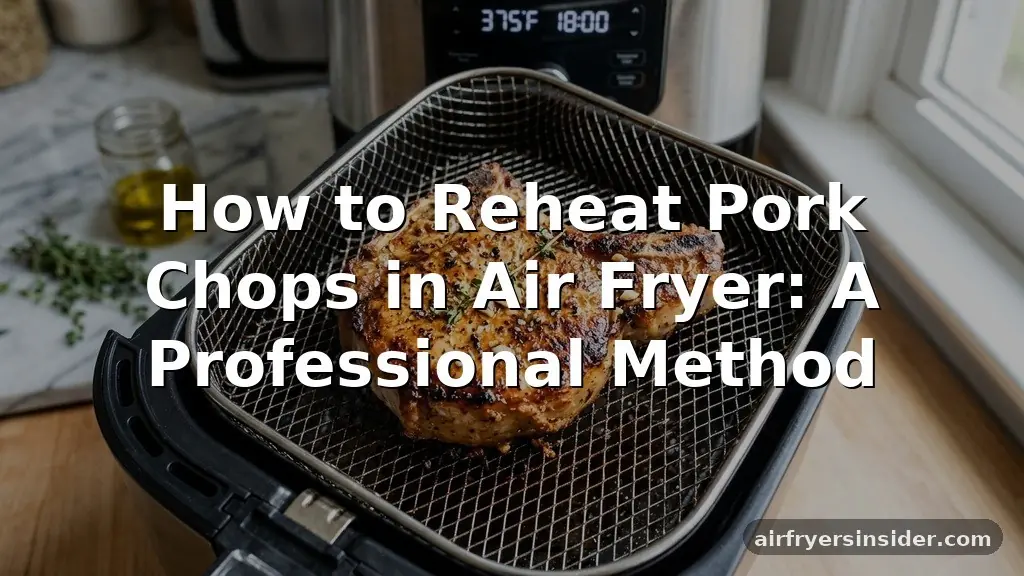
Reheating pork chops in an air fryer is often the best way to reclaim that perfect, succulent texture you enjoyed when they were first cooked. If you have ever tried to warm up leftover meat in a microwave, you know the disappointment of rubbery, dry, or unevenly heated results.
Because air fryers use rapid airflow to simulate deep frying, they excel at crisping the exterior while warming the center without turning the protein into leather. By mastering a few simple techniques regarding temperature and moisture, you can ensure your leftovers taste just as good as the original meal.
The Science of Air Fryer Reheating
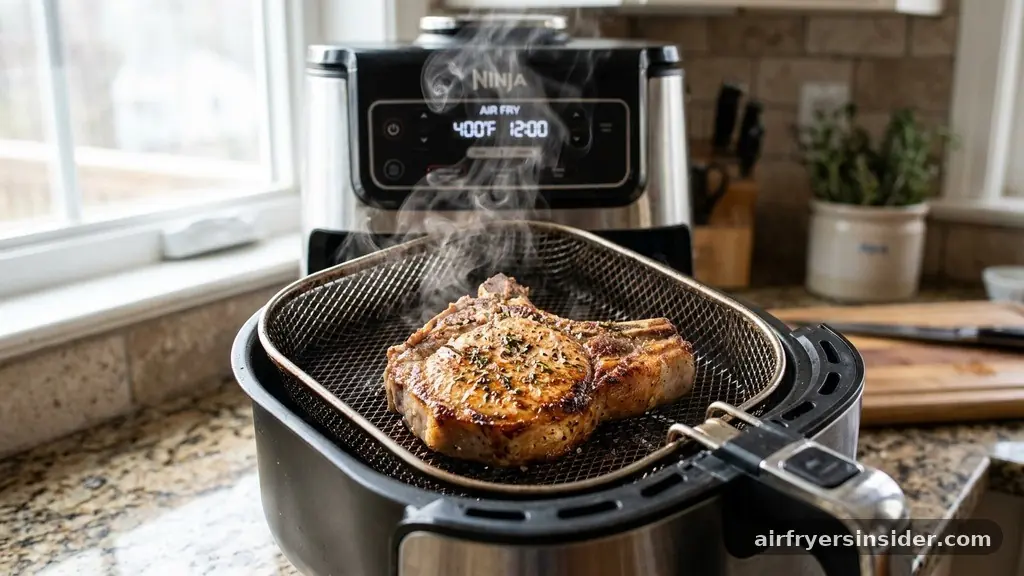
The magic of an air fryer lies in its convection circulation. Unlike a standard microwave that excites water molecules unevenly, an air fryer moves hot air around the food, creating a consistent environment.
When you are reheating leftovers, this circulating heat works to evaporate excess surface moisture while simultaneously warming the interior. This is particularly effective for pork, which can easily lose its appeal if it becomes steamed or soggy.
When you use an air fryer, you are essentially recreating the initial cooking conditions on a smaller, more controlled scale. The key is to avoid overcooking the meat.
Since the pork is already fully cooked, your goal is strictly to bring the internal temperature back up to a safe and palatable range without pushing it into a state of excessive dryness. Understanding that the appliance will continue to cook the meat even after the timer stops is crucial for success.
Preparing Your Pork Chops for the Appliance
Before you place your meat into the air fryer basket, a little bit of preparation goes a long way. If your chops have been in the refrigerator, let them sit on the counter for about 10 to 15 minutes.
Taking the chill off ensures that the center warms through before the outside starts to burn. If you attempt to cook them straight from a cold fridge, the exterior might become hard or charred while the center remains unpleasantly cool.
You should also check the surface of the meat. If the chops are particularly dry, a light touch of olive oil spray can help conduct heat and prevent the surface from becoming brittle.
If you are dealing with breaded cutlets, the oil spray is essential for reviving that golden, crunchy texture that often gets lost in the refrigerator. Avoid using heavy glazes or thick sauces at this stage, as they can burn quickly under the intense heat of the heating element.
Optimizing Moisture Retention
One of the biggest complaints when reheating pork is the dry texture that often follows. To combat this, you can introduce a small amount of liquid or fat to create a protective environment.
Placing a tiny splash of chicken broth or even a small pat of butter on top of the chop can provide enough steam to keep the fibers tender. The moisture evaporates slowly, creating a humid micro-climate inside the basket that keeps the meat succulent.
Another trick involves using a water mist or a very light spritz of liquid right before you start the cycle. This doesn’t make the meat soggy; rather, it provides a slight buffer against the aggressive heat of the air fryer. If you are concerned about the meat drying out, you can also wrap the chops loosely in a small piece of aluminum foil for the first half of the cycle, then remove it for the final minute to regain that desirable texture on the outside.
Managing Different Cuts and Thicknesses
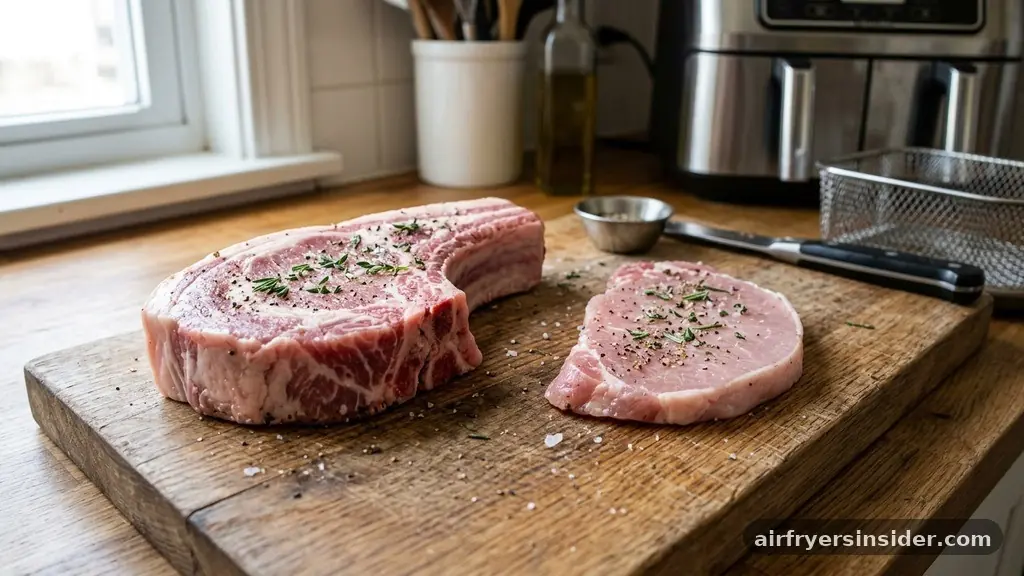
Not all pork chops are created equal, and your approach must shift based on the cut. Bone-in pork chops take longer to heat through than thin, boneless varieties because the bone acts as an insulator, slowing the heat transfer to the center of the meat. If you are working with thick-cut chops, you should lower the temperature slightly and increase the time to ensure the middle reaches the right temperature without drying out the outer edges.
The following table provides a quick reference for adjusting your strategy based on the type of pork you are reheating:
| Cut Type | Suggested Temp | Estimated Time | Key Tip |
|---|---|---|---|
| Thin Boneless | 350°F | 3-5 Minutes | Check often to avoid toughness |
| Thick Bone-in | 320°F | 7-10 Minutes | Use foil for the first half |
| Breaded Cutlets | 360°F | 4-6 Minutes | Use oil spray for crispiness |
Using a Meat Thermometer for Safety
While many home cooks rely on intuition, using a meat thermometer is the only way to guarantee both safety and quality. According to USDA guidelines, pork should be reheated to an internal temperature of 165°F to ensure it is safe to consume. However, if you are simply warming it up to a pleasant eating temperature, reaching around 145°F is usually sufficient if the meat was stored properly.
Insert the probe into the thickest part of the chop, avoiding the bone, which can give you a false reading. By tracking the heat, you remove the guesswork from the process.
If you find the temperature is rising too quickly, use your kitchen tongs to flip the meat or move it to a cooler part of the basket. This level of precision is what separates a mediocre reheated meal from one that tastes freshly prepared.
Strategic Placement in the Air Fryer
The way you arrange your food in the basket significantly impacts the final outcome. You want to ensure that the rapid airflow can reach every surface of the meat.
Avoid stacking the chops on top of each other, as this creates a steaming effect that ruins the texture of the crust and leaves the middle unevenly warmed. If you have multiple chops, it is better to run them in two batches than to crowd the basket.
If your air fryer has a rack or a dual-level system, use it to elevate the meat. This allows the hot air to circulate underneath the chop as well as over the top, which is particularly beneficial for breaded cutlets that need to stay crispy on all sides. Proper spacing ensures that every bite gets the same amount of heat, preventing the “cold center, burnt edge” phenomenon that is common with improper reheating.
Common Mistakes to Avoid
Many people fail when reheating because they use the wrong heat settings. Setting your air fryer to a high temperature, like 400°F, will almost certainly result in a dry, overcooked exterior before the heat has a chance to penetrate the center.
Instead, aim for medium-high heat in the range of 320°F to 350°F. This lower, more consistent heat is much gentler on the delicate protein fibers of the pork.
Another common error is failing to preheat the appliance. Even though air fryers heat up quickly, starting the timer before the unit reaches the target temperature means the pork spends extra time sitting in a warming chamber.
This can cause the fat to render out too early, leading to a loss of flavor and moisture. Always give your machine three minutes to warm up before adding your food.
Addressing Frequently Asked Questions
Can you reheat breaded pork chops without making the crust soggy?
Yes, the key is to avoid adding extra moisture like broth and instead focus on high-speed air circulation. By preheating the air fryer to 360°F and using a very light olive oil spray, you help the breading crisp up again. Avoid covering them with foil, as this traps steam and softens the coating.
How do I know when the pork is finished reheating?
The best method is using a meat thermometer to reach an internal temperature of 165°F. Visually, the meat should look slightly glistening but not charred. If you don’t have a thermometer, cut into the thickest part to ensure the center is hot throughout and the juices run clear.
Is it safe to reheat pork chops multiple times?
Food safety experts generally recommend reheating leftovers only once. Every time you cool down and reheat meat, you increase the risk of bacterial growth and degrade the quality of the protein. Only reheat the amount of pork you plan to eat in that specific sitting to maintain the best results.
What if my air fryer does not have a temperature control?
If you have a basic model, you will need to monitor the process much more closely. Keep the cooking time short, check the meat every two minutes, and rely on the residual heat of the basket to finish the process. If the exterior starts to darken too quickly, remove the chops early.
Conclusion and Best Practices
Mastering the art of reheating pork requires a balance between heat intensity and moisture control. By utilizing lower temperatures, ensuring proper airflow in the basket, and knowing when to use a bit of extra fat or broth, you can transform yesterday’s dinner into a delicious meal. Always prioritize food safety by checking internal temperatures, but don’t be afraid to experiment with the timing based on the thickness of your specific cut.
Taking these small, deliberate steps ensures that your meat remains tender and flavorful rather than dry and tough. If you have found a method that works particularly well for your specific air fryer model, feel free to share your results and keep refining your technique for the best possible leftovers every time you cook.


