

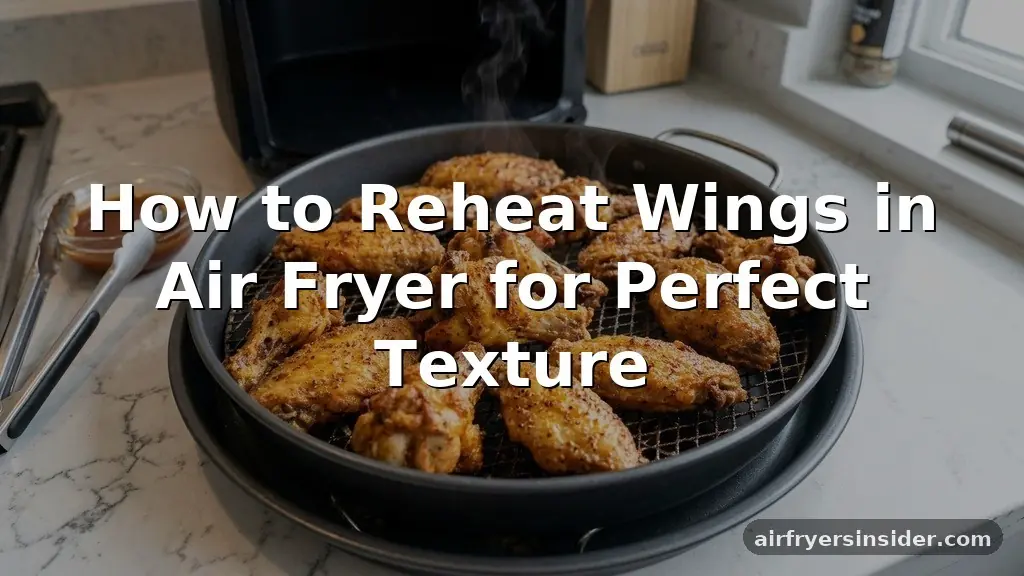
Mastering the process of reheating wings in air fryer units is the secret to transforming soggy, refrigerated leftovers into a meal that tastes as fresh as the day it was ordered. Many people struggle with the rubbery texture that results from microwave reheating, but the intense rapid air circulation of an air fryer solves this problem by effectively wicking away surface moisture.
By understanding the balance between heat intensity and timing, you can achieve that elusive crispy skin while keeping the meat tender and juicy. This approach ensures your favorite buffalo wings or breaded appetizers retain their structural integrity and flavor profile without requiring the long wait time of a conventional oven.
Understanding the Mechanics of Air Fryer Reheating
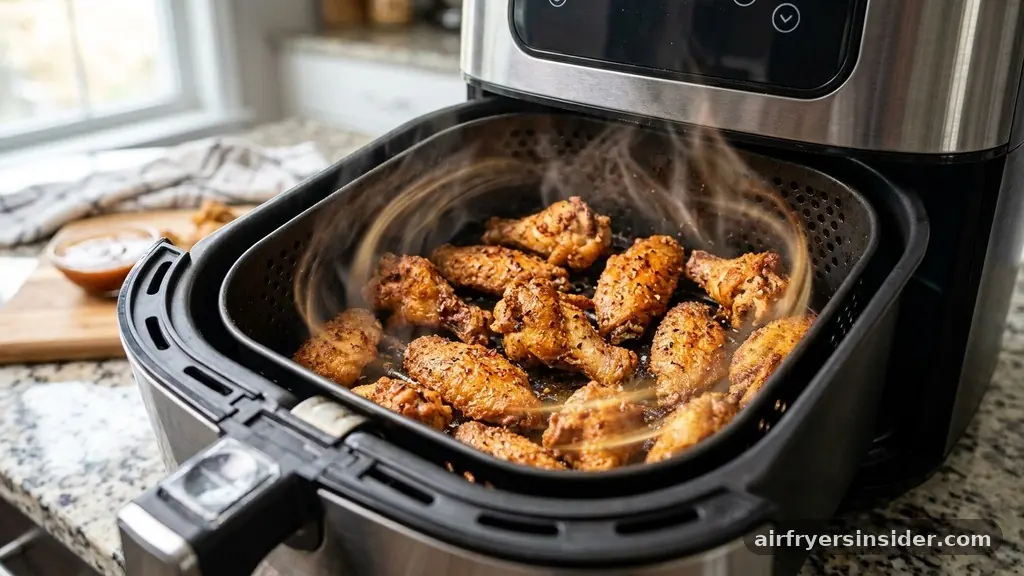
The primary reason an air fryer outperforms other kitchen appliances for warming up poultry is its reliance on convection cooking. Unlike a microwave, which agitates water molecules to generate heat, an air fryer uses a heating element and a high-powered fan to blast hot air around the food.
This process is essential for reheating leftovers because it creates a dry, hot environment that mimics the original deep-frying process. When you place cold wings into the basket, the immediate exposure to high-velocity air helps to crisp the skin while the heat penetrates the center.
Effective use of the appliance relies on managing the internal temperature without overcooking the protein. Because the wings are already cooked, your goal is simply to reach a serving temperature that is hot enough to enjoy but not so high that the meat becomes fibrous or tough. This is where the specific design of your device matters.
A basket style air fryer typically has a tighter cooking chamber, which increases the speed of air circulation, while an oven style air fryer provides more space for larger batches. Understanding your specific equipment allows you to adjust your expectations for timing and heat distribution.
Essential Preparation Steps for Success
Before you even turn on your machine, proper preparation is the foundation of achieving the optimal texture. First, it is vital to bring your wings out of the refrigerator about 15 minutes before you plan to heat them.
If you attempt to cook them while they are ice-cold, you risk the exterior burning before the interior has a chance to warm through. This also helps minimize thermal shock, which can sometimes cause coatings to crack or separate from the meat.
Another critical step is managing the surface moisture. While you want to crisp the skin, excessive moisture from condensation inside the fridge can lead to a soggy texture initially. Gently patting your wings with a paper towel can help.
If you are dealing with breaded chicken, a very light application of an oil mist or cooking spray can help restore the crunch. However, avoid heavy coatings of oil, as this can lead to smoking or a greasy mouthfeel. Finally, ensure you do not overcrowd the basket; individual pieces need space for the air to flow freely around all sides to ensure even browning.
Optimizing Temperature and Timing
Finding the right balance for your reheating time and temperature is the most common hurdle for home cooks. If the temperature is too low, the wings will dry out before they get crispy; if it is too high, the sauce or breading may burn.
For most standard wings, a temperature between 350°F and 375°F is the sweet spot. This range is high enough to induce the Maillard reaction—the browning process that creates flavor—without incinerating the exterior.
The duration of the process depends heavily on the size of the wings and the density of the sauce. As a general rule of thumb, start with a lower time interval and increase it based on your visual assessment.
| Wing Type | Recommended Temp | Estimated Time |
|---|---|---|
| Small/Medium Bone-in | 360°F | 5-7 Minutes |
| Large/Jumbo Bone-in | 360°F | 8-10 Minutes |
| Boneless Breaded | 350°F | 4-6 Minutes |
Managing Sauce and Seasoning Strategy
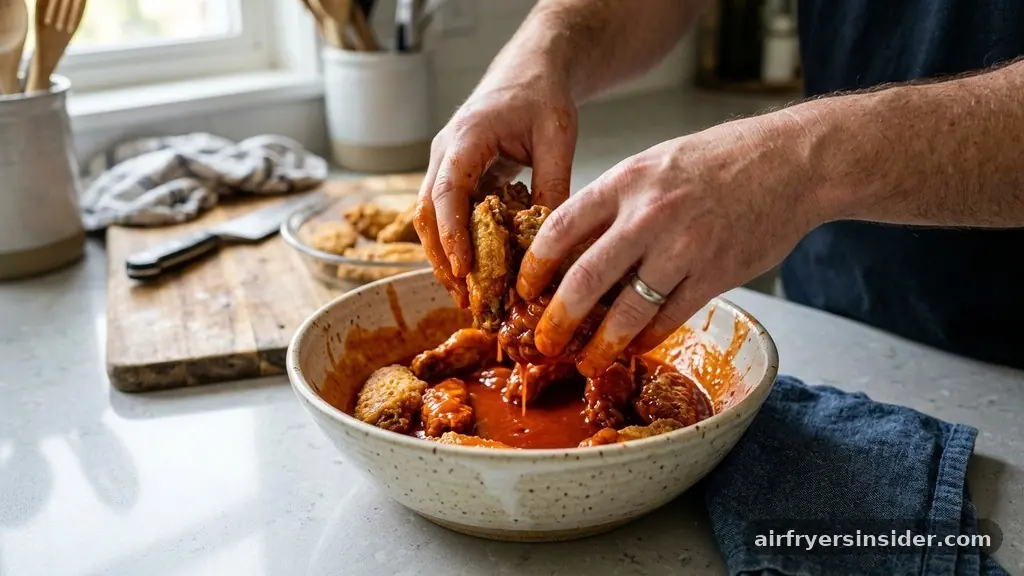
When you are reheating wings in air fryer setups, the sauce is often the biggest variable. If your wings arrived heavily sauced, the sugar content in those glazes can caramelize or burn quickly under the intense heat of the air fryer.
To prevent a charred, bitter mess, consider reheating the wings “naked” or with only a light coating of sauce first. You can then toss them in a bowl with fresh sauce immediately after removing them from the basket.
If you prefer to keep the original sauce on the meat during the process, be prepared to lower your temperature by about 25 degrees and check the wings frequently. Using parchment paper designed for air fryers can also be a game-changer here.
It protects your basket from sticky residue and makes cleanup significantly easier. If you are using parchment, ensure it is weighted down by the weight of the wings so it does not get sucked into the fan, which could create a fire hazard.
Ensuring Food Safety and Quality
While the primary focus is often on taste and texture, food safety should never be ignored. Even though the wings were cooked previously, they must still be brought to a safe temperature to avoid the growth of bacteria that can occur in the “danger zone.”
A food thermometer is the most reliable tool for this. You want to ensure the center of the largest wing reaches at least 165°F.
Be mindful of carryover cooking as well. The wings will continue to rise in temperature for a minute or two after you pull them out of the basket. If you are using a digital thermometer, pull the wings when they hit approximately 160°F to avoid overcooking the meat.
This is particularly important for bone-in wings, as the meat near the bone can become tough and rubbery if it stays in the heat for too long. If you find the skin is crispy but the center is still cold, reduce your heat and add a few extra minutes to allow the heat to migrate toward the bone.
Addressing Common Pitfalls and Troubleshooting
Many people fail when reheating because they treat the process like a microwave cycle. The most common mistake is failing to preheat the unit.
While air fryers heat up quickly, they still perform better when they are already at the target temperature before the food is added. This ensures that the cooking process starts instantly, which is key to preventing the drying out of the meat.
Another issue involves the “soggy bottom” phenomenon. This usually happens because the wings are packed too tightly together, preventing the hot air from reaching the bottom surfaces. To fix this, always arrange your wings in a single layer.
If you have a large batch, it is far better to cook them in two smaller cycles than to cram them all in at once. If you feel like your wings are losing too much moisture, you can try placing a tablespoon of water at the very bottom of the air fryer basket—under the rack—to create a small amount of steam during the first two minutes of heating, though this is rarely necessary if you monitor the time closely.
The Role of Air Fryer Design in Results
The specific model of your air fryer can significantly influence your success rate. An oven style air fryer with a rack system allows for more airflow underneath the wings, which often leads to a more uniform crispness without the need to flip the pieces. In contrast, a basket style air fryer usually requires a quick shake or a flip halfway through the cooking time to ensure that the wings are heated evenly on all sides.
Furthermore, the wattage of your unit dictates how fast the air circulates. Higher-wattage machines often reach their target temperatures faster and maintain them more consistently during the cooking process.
If you have a lower-wattage air fryer, you may need to add an extra minute or two to your cooking time. Always observe how your specific machine behaves; if you notice the edges of your wings are browning too fast, your machine might be running hotter than the dial suggests, so don’t be afraid to adjust downward.
Advanced Tips for Restaurant-Quality Wings
To truly elevate your game, think about how the wings were prepared originally. If they were deep-fried, they likely have a higher fat content that helps them stay moist. If you are reheating wings that were baked or air-fried to begin with, they may be leaner and more prone to drying out.
In this case, a very light spritz of oil is essential. You can also experiment with dry rubs or additional seasonings after the heating process is complete.
Applying a fresh dusting of garlic powder, cayenne pepper, or parmesan cheese immediately after pulling the wings from the fryer can add a layer of complexity that makes them taste brand new. By focusing on the texture of the skin and the moisture of the meat, you can reliably achieve results that satisfy any craving. Mastering the process of reheating wings in air fryer units is ultimately about respecting the physics of the appliance and knowing when to pull the food before it crosses the line from perfectly crispy to overdone.
FAQ
Is it safe to reheat chicken wings more than once?
It is generally recommended to reheat chicken wings only once. Each time you cool and reheat poultry, you increase the risk of bacterial growth and degrade the quality of the meat. Only reheat the amount you plan to eat immediately to ensure the best safety and texture.
How do I stop my wings from drying out?
To keep wings moist, avoid overheating them. Use an oil spray to coat the skin, which helps conduct heat and prevents moisture loss. Additionally, do not exceed the recommended time; as soon as the internal temperature reaches 165°F, remove them from the basket to stop the cooking process.
Should I preheat the air fryer before putting the wings in?
Yes, preheating is highly recommended for the best results. A preheated unit ensures that the surface of the wings begins to crisp immediately upon contact with the hot air. If you put cold wings into a cold air fryer, the skin may become rubbery before the machine reaches temperature.
Can I reheat wings with sauce already on them?
You can, but you must be careful. Sauces with high sugar content can burn quickly. Use a lower temperature, around 350°F, and check them every few minutes. Alternatively, reheat the wings plain and toss them in fresh sauce after they have reached your desired level of crispness.
Conclusion
Achieving restaurant-quality results when reheating wings in air fryer devices is a simple task once you master the basics of timing and heat management. By prioritizing a preheated environment, maintaining a single layer in your basket, and keeping a close eye on the internal temperature, you can avoid the common pitfalls of dry, rubbery meat. Whether you are dealing with classic buffalo wings or breaded varieties, the goal is to revive that initial crunch while ensuring the center remains succulent.
With a little practice, your leftovers will become a highly anticipated meal rather than a compromise. As you continue to refine your technique, feel free to experiment with different temperature settings or finishing seasonings to find the perfect balance for your personal preferences. Enjoy your perfectly crisp, flavorful wings every single time you decide to reheat them.


