

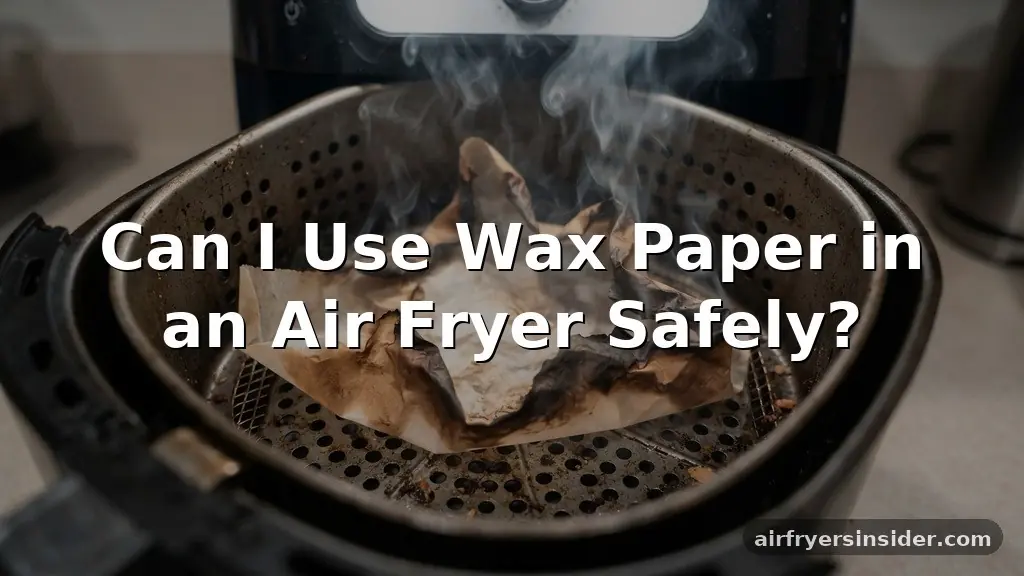
Many home cooks wonder if they can use wax paper in an air fryer to make cleanup easier, but it is crucial to understand why this common kitchen staple is usually a poor choice for high-heat appliances. Because air fryers function as compact, high-powered convection ovens, they rely on intense airflow and direct heat to cook food quickly.
Using the wrong materials inside the basket can lead to unexpected accidents or ruined meals. By learning how these machines work and what materials are genuinely oven-safe, you can protect your appliance and improve the quality of your cooking without risking a fire hazard in your kitchen.
Why Wax Paper is a Fire Hazard in Air Fryers
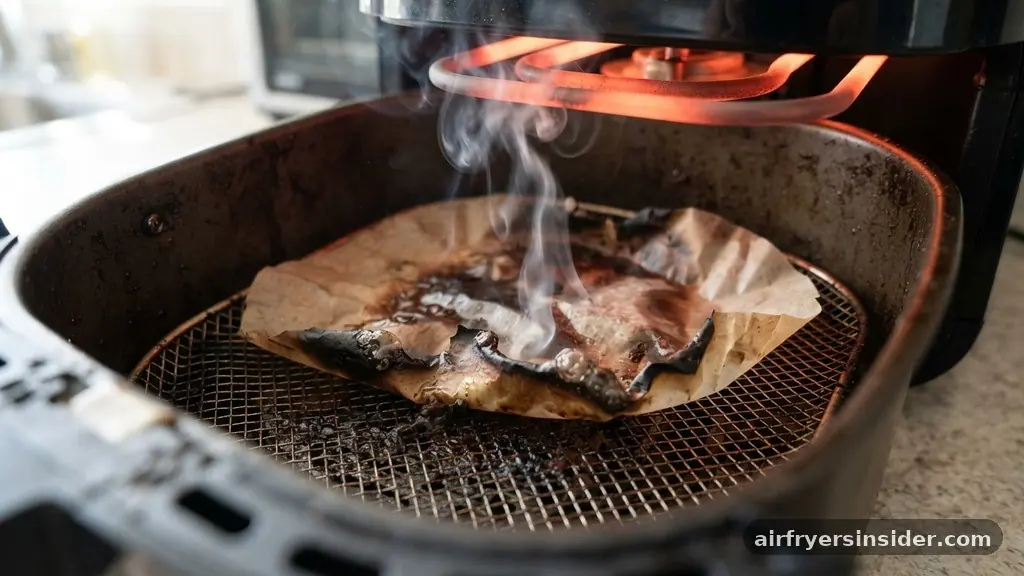
The primary reason you should avoid wax paper in your air fryer comes down to its chemical composition and physical properties. Wax paper is essentially a sheet of paper coated in a thin layer of paraffin wax or a similar substance to make it moisture-resistant and non-stick.
While this coating is perfect for wrapping cold sandwiches or lining a tray for fudge, it is not designed to withstand the intense thermal environment of an air fryer. Once the internal temperature of the basket climbs, the wax coating begins to melt and potentially vaporize.
This melting process is the first step toward a potential kitchen disaster. As the wax liquefies, it can drip onto the heating element located at the top of the unit or pool at the bottom of the basket, where it may ignite if the temperatures are high enough.
Furthermore, the paper base of the wax sheet is not heat-treated to resist charring. Unlike parchment paper, which is specifically engineered to survive oven temperatures, wax paper will quickly brown, become brittle, and eventually catch fire when exposed to the concentrated heat and rapid air circulation found in modern air fryers.
Understanding the Mechanics of Air Fryer Heating
To grasp why wax paper fails, you must understand that an air fryer operates through powerful convection cooking. A heating element, typically situated above the food basket, warms the air, while a high-speed fan circulates that hot air around your ingredients.
This design creates a very consistent and aggressive heat flow that is significantly more intense than what you might experience in a standard oven. Because the air is constantly moving, any lightweight material placed inside—like a loose sheet of wax paper—can be blown directly into the heating element.
When a piece of paper touches the heating element, the ignition temperature is reached almost instantaneously. This is why manufacturers of appliances like the Ninja Foodi explicitly warn against using non-rated materials.
The combination of high-velocity air and direct heat creates a “wind tunnel” effect that can lift paper, foil, or lightweight liners and push them into the coils. If you are ever tempted to test if you can use wax paper in an air fryer, remember that the risk of the paper catching fire is not just a hypothetical concern; it is a mechanical reality of how these devices manage airflow.
Comparing Wax Paper to Parchment Paper
It is common to confuse wax paper with parchment paper, but they are fundamentally different products with distinct uses. Parchment paper is coated with silicone, which provides a high heat resistance, usually up to 425°F or 450°F. This makes it an ideal companion for baking and roasting.
Wax paper, by contrast, relies on a wax coating that has a much lower melting point, often beginning to soften at temperatures as low as 150°F to 200°F. Placing wax paper in an environment that regularly exceeds 350°F is a recipe for a smoky, messy, and dangerous kitchen experience.
If you are looking for a non-stick solution, always reach for true parchment paper or specifically designed air fryer liners. These products are manufactured to withstand the heat without melting, off-gassing, or igniting.
While they might look similar on the shelf, the manufacturing process—specifically the use of silicone versus paraffin wax—makes all the difference in terms of food safety and appliance integrity. Never substitute one for the other when high heat is involved, as the performance differences are significant and potentially hazardous.
Safe Alternatives for Air Fryer Liners
Since wax paper is off the table, you have several excellent alternatives that are designed to handle the rigors of your air fryer. These materials are tested for heat resistance and are much more reliable for everyday cooking tasks. When choosing a liner, look for products clearly labeled as oven-safe or specifically designed for air frying.
- Perforated Parchment Paper: These are pre-cut sheets with holes that allow hot air to circulate freely, ensuring your food cooks evenly while keeping the basket clean.
- Silicone Liners: These are reusable, dishwasher-safe mats that sit at the bottom of the basket. They are highly durable and can be used hundreds of times.
- Aluminum Foil: While effective for containing grease, you must be careful to keep it weighted down by food so it doesn’t fly into the heating element.
- Direct Cooking: For many foods, simply using a small amount of oil or a non-stick spray directly on the basket is enough to prevent sticking without the need for any paper or foil at all.
The Role of Air Circulation in Cooking Quality
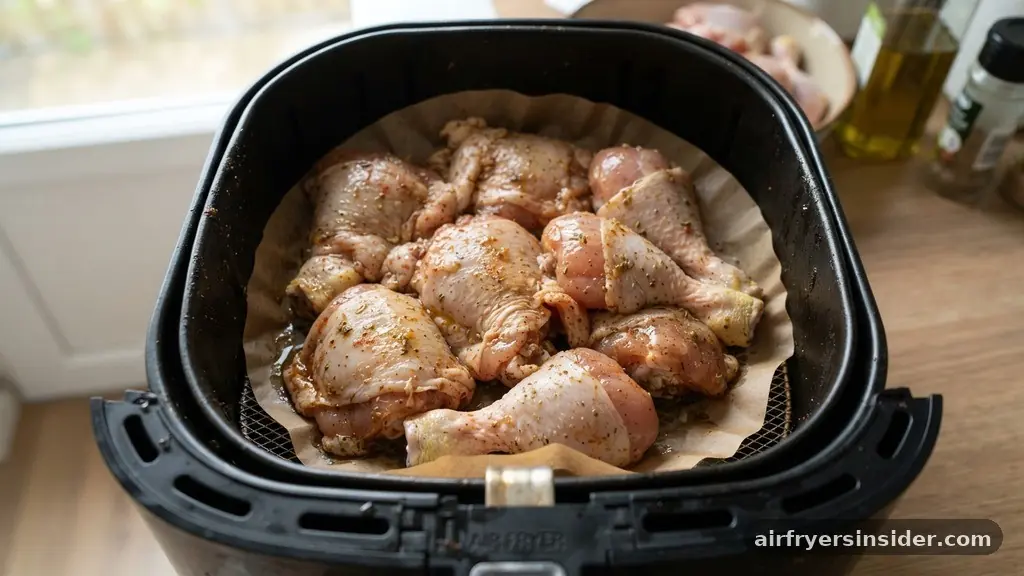
One of the biggest downsides to using any type of liner, even safe ones like parchment, is that they can interfere with the convection process. Air fryers are designed to circulate air 360 degrees around your food, which is what creates that signature crispy texture.
If you cover the entire bottom of the basket with a large sheet of paper, you effectively block the airflow from the bottom up. This can result in soggy bottoms on your fries, unevenly cooked chicken, or food that takes much longer to reach the proper internal temperature.
When you use liners, always ensure they are appropriately sized and, if possible, perforated. Perforated liners are the gold standard because they maintain the integrity of the air circulation while still providing a barrier against grease and food debris. If you are cooking something that doesn’t produce much grease, consider skipping the liner entirely.
The more open the basket, the better the air fryer will perform, and the crispier your results will be. Prioritizing airflow is just as important as choosing the right material for your appliance.
Addressing Common Myths and Misconceptions
There is a persistent myth that if you put enough weight on the wax paper, it will stay in place and be safe. This is a dangerous misconception.
Even if you place a heavy pork chop or several chicken wings on top of the paper, the powerful fan can still lift the edges of the paper, causing them to curl up and touch the heating element. Furthermore, as the food shrinks during the cooking process, the paper may become exposed to the air stream.
Another common error is thinking that the wax will simply melt away and leave a “seasoned” surface. In reality, the melting wax creates a sticky, unsightly mess that is difficult to clean off the basket’s non-stick coating. It can also produce acrid smoke that taints the flavor of your food.
Food safety is paramount when working with kitchen appliances; you should never introduce substances into your cooking environment that are not explicitly intended for high-heat culinary use. Stick to materials designed for the job to ensure your meals remain healthy and your kitchen remains safe.
Topical Gaps: What Users Frequently Miss
A common gap in knowledge involves the interaction between grease and paper liners. Many users assume that because paper is flammable, it will only burn if it touches the heating element. However, if a paper liner becomes fully saturated with hot grease, it can become a fire risk even if it stays at the bottom of the basket.
The combination of high heat, oxygen, and grease-soaked paper creates a fuel source that can sustain a small flame. This is why it is vital to avoid overfilling your basket and to ensure that you are not using paper liners for extremely fatty foods that release large volumes of oil.
Another often overlooked aspect is the quality of the air fryer’s non-stick coating. Frequent use of abrasive materials or improper cleaners can wear down the factory-applied non-stick surface, leading to more sticking and a subsequent desire to use liners.
Instead of relying on paper to compensate for a degraded basket, focus on proper maintenance. Clean your air fryer with non-abrasive sponges and avoid using metal utensils, which will preserve the basket’s natural non-stick properties and reduce the need for extra liners in the long run.
| Material | Heat Resistance | Suitability for Air Fryer | Safety Risk |
|---|---|---|---|
| Wax Paper | Low (Melts/Burns) | Not Suitable | High (Fire/Smoke) |
| Parchment Paper | High (425°F+) | Suitable | Low (If weighted) |
| Silicone Liners | Very High (500°F+) | Highly Suitable | Minimal |
| Aluminum Foil | High | Suitable (Use caution) | Moderate (Can fly up) |
Managing Maintenance and Appliance Longevity
Keeping your air fryer in top condition requires more than just avoiding wax paper. It involves consistent cleaning of the heating element and the fan assembly. If you accidentally use wax paper and notice a waxy residue on the bottom of the basket, you must clean it immediately.
Use a gentle degreaser and a soft cloth to ensure that no residue remains, as any leftover wax will smoke the next time you turn the unit on. A clean appliance is not only safer but also more efficient at maintaining the temperatures required for proper cooking.
Regularly inspecting the basket for wear and tear is also a good habit. If you notice the non-stick coating is peeling, it may be time to replace the basket or the insert.
By treating your air fryer with care and using only appropriate, heat-resistant accessories, you can extend the life of the machine significantly. Remember that the goal is to create delicious, crispy food with minimal hassle; using the correct tools makes this process sustainable and enjoyable rather than a series of risky experiments.
Best Practices for Daily Air Frying Success
To achieve the best results, start by preheating your air fryer if the recipe calls for it. This ensures that the cooking environment is at the right temperature from the moment your food enters the basket. When arranging your food, avoid overcrowding.
Air circulation is the secret ingredient to crispy food, and if the basket is too full, the air cannot move effectively. If you must use a liner, choose a perforated parchment paper sheet that matches the size of your basket, and ensure it is pressed flat against the bottom.
If you are cooking something that is particularly messy, like marinated wings or breaded items, keep a close eye on the cooking process. You don’t need to hover, but checking the food halfway through to flip it or shake the basket is a perfect opportunity to ensure everything is cooking evenly and that your liner is still laying flat. By following these simple, common-sense practices, you can enjoy the convenience of your air fryer without ever needing to worry about whether you can use wax paper in an air fryer or if you are putting your kitchen at risk.
FAQ
Can I use parchment paper instead of wax paper?
Yes, parchment paper is the ideal substitute for wax paper in an air fryer. It is coated with silicone, which allows it to withstand high heat without melting or catching fire. Always ensure the paper is weighed down by food so it does not touch the heating element.
Is it safe to use aluminum foil in the air fryer?
Aluminum foil is generally safe, but you must be careful. It must be secured under the weight of the food to prevent the fan from blowing it into the heating element. Never cover the entire bottom of the basket, as this prevents proper air circulation and leads to uneven cooking.
Why does my air fryer smoke when I use paper liners?
Smoke usually occurs if the paper liner touches the heating element or becomes overly saturated with grease. If the paper begins to char or if grease drips onto the heating element, smoke will follow. Ensure your liner is properly sized and not used for extremely greasy foods.
What should I do if I accidentally used wax paper?
If you used wax paper and it didn’t catch fire, turn the air fryer off immediately and let it cool. Once cool, remove the basket and clean it thoroughly with warm, soapy water to remove any waxy residue. Inspect the heating element for any wax splatter before using the appliance again.
Conclusion
Navigating the rules of air fryer safety is straightforward once you understand the relationship between heat, airflow, and materials. Wax paper is never an appropriate choice for these high-heat convection appliances, as its melting point is too low and the risk of ignition is far too high. By opting for safer, heat-tested alternatives like silicone liners or perforated parchment, you protect both your appliance and your peace of mind.
Focus on maintaining proper air circulation to ensure your food turns out perfectly crispy every time. If you have any remaining questions about safe cooking practices, feel free to reach out or consult your appliance’s manual to keep your kitchen running smoothly.
Meta Description: Can I use wax paper in an air fryer? Learn why it is a fire hazard and discover the safe, heat-resistant alternatives for your cooking needs.


