

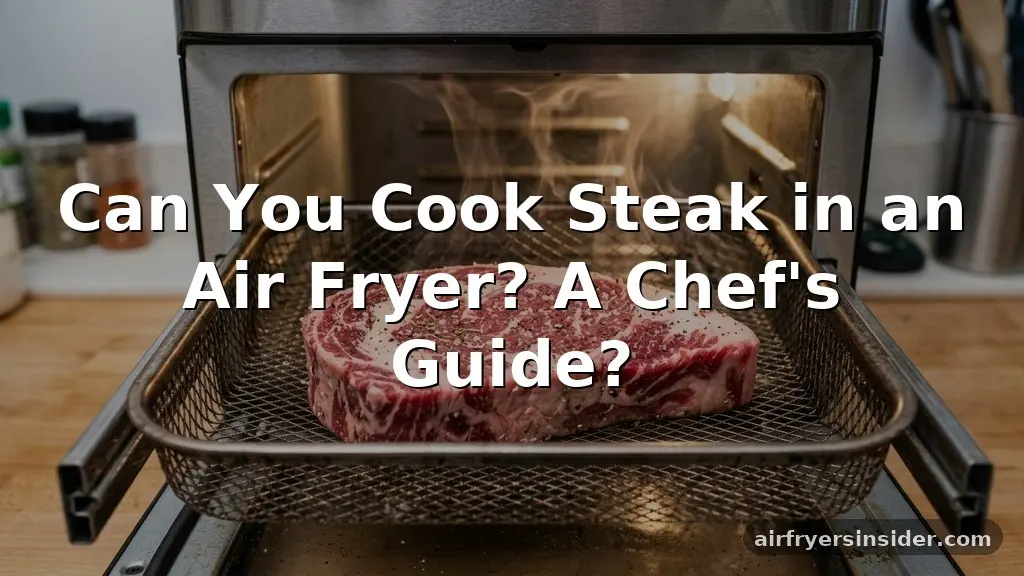
Many home cooks wonder if you can cook steak in an air fryer with results that actually rival a traditional cast-iron skillet. While purists often insist that only a heavy pan can deliver the perfect crust, the reality is that modern convection cooking offers a highly efficient alternative for busy kitchens.
By understanding how to manage intense heat and airflow, you can achieve a juicy, flavorful piece of meat without the stovetop mess. Mastering the process requires attention to detail, especially regarding timing and temperature control, to ensure your dinner reaches the ideal level of doneness every single time you use the appliance.
Understanding the Mechanics of Air Fryer Steak
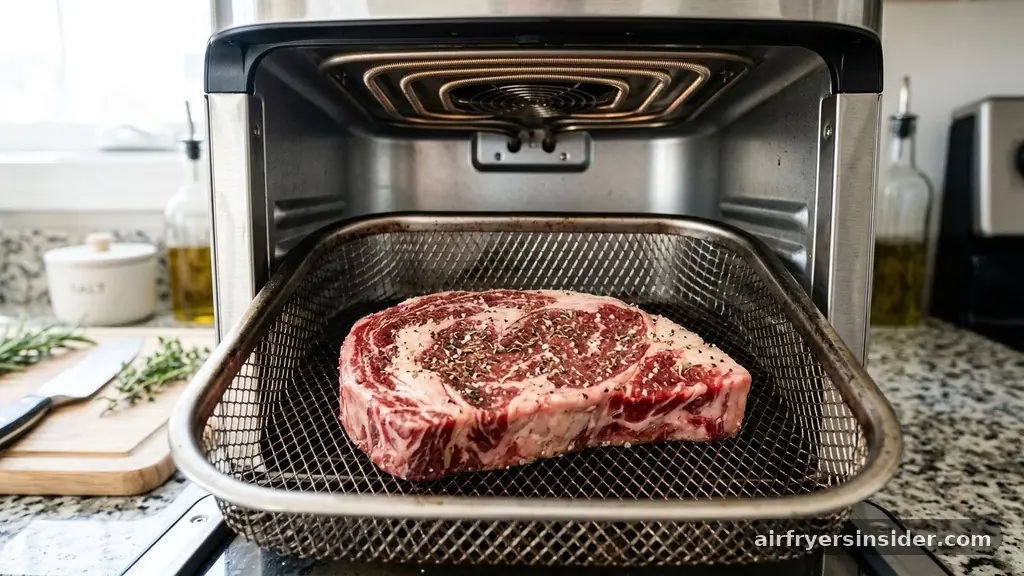
The air fryer functions essentially as a powerful countertop convection oven. When asking whether you can cook steak in an air fryer, the answer lies in its ability to circulate superheated air rapidly around the food.
This intense air circulation mimics the effects of a high-heat oven but with significantly more velocity, which helps in drying out the surface of the meat quickly to promote the Maillard reaction. This chemical process is responsible for the savory flavor and deep brown crust that every steak lover craves.
Unlike a pan, which relies on direct conductive heat from a burner, the air fryer uses convection to cook the steak from all sides simultaneously. Because the air is constantly moving, the heat distribution is remarkably even, provided you do not overcrowd the basket.
While you might miss the direct contact searing of a heavy iron pan, you can achieve impressive browning if you follow specific preparation steps. The key is ensuring the surface of the steak is bone-dry before it enters the basket, as excess moisture will lead to steaming rather than the desired caramelization.
Selecting the Right Cut for Optimal Results
Not every cut of beef reacts the same way to the intense, dry heat of an air fryer. Thicker cuts generally perform better because they allow for a longer cooking window, which helps develop a crust on the exterior while keeping the center tender.
A thick-cut ribeye is an excellent candidate because its marbling helps keep the meat moist during the cooking process. The rendered fat from a high-quality ribeye also contributes to a richer flavor profile that holds up well under convection heat.
Sirloin is another reliable choice, offering a leaner profile that cooks relatively quickly. If you prefer a more refined experience, a thick filet mignon can be prepared with precision in the air fryer, provided you monitor the internal temperature closely.
Because filet mignon has less fat than a ribeye, it is easier to overcook, making a meat thermometer an essential tool in your kit. Avoid extremely thin cuts, as they will likely reach a well-done state before a proper crust has time to form, resulting in a dry, unappealing texture.
The Importance of Preheating and Preparation
One of the most common mistakes people make is skipping the preheating phase. Because air fryers heat up rapidly, starting with a cold unit can lead to uneven cooking and a pale, unappetizing surface.
You should run your air fryer at the target temperature for at least three to five minutes before placing the meat inside. This ensures that the moment the steak hits the basket, the surface begins to sear immediately rather than slowly warming up.
Preparation extends beyond the machine itself. Before seasoning, pat the steak thoroughly with paper towels. Moisture is the enemy of a good crust.
Once dry, rub the meat with a high-smoke-point oil, such as avocado oil or grapeseed oil. These oils are superior to olive oil in this context because they won’t burn or smoke at the high temperatures required for steak.
Finally, season generously with kosher salt and fresh black pepper just before placing the steak in the unit. Salt draws out moisture if left on for too long, so timing this step is crucial for the best possible outcome.
Managing Internal Temperature and Doneness
Achieving your desired level of doneness is entirely dependent on tracking the internal temperature accurately. Because air fryers vary in wattage and capacity, relying solely on a timer is a recipe for disaster.
Instead, invest in a high-quality digital meat thermometer. When you check the temperature, insert the probe into the thickest part of the steak, ensuring you avoid any bone or large pockets of fat.
| Doneness Level | Internal Temperature | Cooking Strategy |
|---|---|---|
| Rare | 120°F – 125°F | High heat, shorter duration |
| Medium-Rare | 130°F – 135°F | Standard convection setting |
| Medium | 140°F – 145°F | Monitor closely after 8 mins |
| Medium-Well | 150°F – 155°F | Lower heat for longer duration |
Understanding these benchmarks is vital. Remember that the meat will continue to cook after it is removed from the air fryer due to carryover cooking.
If you are aiming for a perfect medium-rare, pull the steak when it hits about 125°F, as it will climb to the target temperature while it rests. This buffer is critical for maintaining juiciness and preventing the meat from becoming tough.
The Essential Resting Period
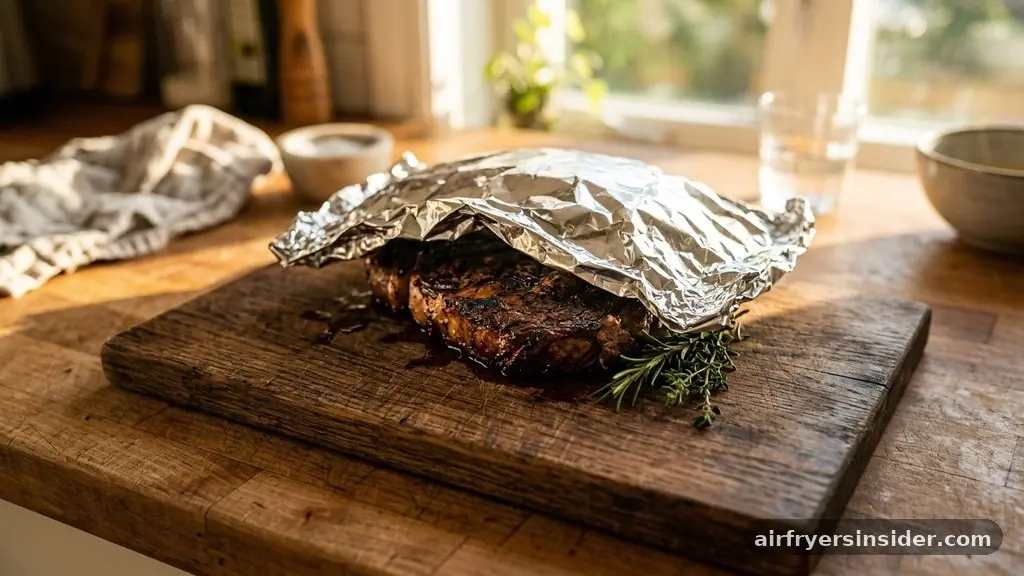
Never underestimate the necessity of the resting period. After you remove the steak from the air fryer, it must sit undisturbed on a cutting board for at least five to ten minutes.
During the high-heat cooking process, the muscle fibers contract and the juices are pushed toward the center of the steak. If you cut into the meat immediately, those flavorful juices will spill out onto the board rather than staying within the fibers, resulting in a dry bite.
Resting allows the internal juices to redistribute throughout the steak, ensuring every slice is succulent and tender. Tent the meat loosely with aluminum foil during this time to keep it warm, but do not wrap it tightly, as that will trap steam and soften the crust you worked so hard to create. This brief pause is a non-negotiable step in the culinary process, regardless of whether you cooked the steak in a pan, on a grill, or in an air fryer.
Addressing Common Challenges and Topical Gaps
Many enthusiasts ask if you can cook a frozen steak in an air fryer. While it is technically possible, it is not ideal. Cooking from frozen makes it nearly impossible to achieve a good sear because the exterior remains cold and wet for too long.
If you must use a frozen steak, lower the temperature to thaw it slightly before cranking the heat to finish the crust. Another common question involves the use of a cast iron insert within the air fryer. Using a small, preheated cast iron pan inside the basket can actually help bridge the gap between convection and contact searing, providing a more intense crust on the bottom of the steak.
* Use a meat thermometer to avoid guesswork.
* Choose cuts at least one inch thick for better results.
* Ensure the air fryer is preheated to at least 400°F.
* Always pat the meat dry before applying oil and seasoning.
* Avoid overcrowding the basket to allow for proper air circulation.
* Flip the steak halfway through to ensure even heat distribution.
By following these guidelines, you can overcome the limitations of the appliance. The goal is to maximize the efficiency of the air circulation while minimizing the time the meat spends in the “danger zone” of lukewarm temperatures. If you find your steak is browning too much before the center is cooked, you can slightly reduce the temperature for the final few minutes of the cycle.
Comparing Air Fryer Steak to Traditional Methods
When comparing air-fried steak to pan-seared or grilled versions, the primary difference is the consistency of the crust and the distribution of the internal doneness. A pan-seared steak often features a very dark, intense crust but may have a wider gradient of doneness from the edge to the center. Because the air fryer envelops the steak in uniform heat, the interior tends to be more consistent throughout the thickness of the cut.
However, the pan-sear method is superior for developing a deep, complex flavor through the interaction of the meat juices and the hot metal surface. The air fryer is cleaner, faster, and requires less active supervision, making it an excellent choice for a weeknight dinner when you want quality without the smoke and splatter.
Neither method is strictly “better”; they are simply different tools for different priorities. If you are looking for convenience and consistency, the air fryer is a formidable tool in the kitchen.
Refining Your Technique for Consistent Success
Consistency comes from repetition and minor adjustments based on your specific appliance’s performance. Every air fryer has a different fan speed and heating element configuration. Keep a simple log of the cooking time and results for your preferred cuts.
Note which temperature setting produced the best crust for a ribeye versus a sirloin. Over time, you will develop an intuitive sense of how your specific machine behaves with various thicknesses of beef.
Consider experimenting with different seasonings, such as dry rubs or compound butters applied during the resting phase. While the air fryer is a functional appliance, it is also a canvas for flavor.
Whether you prefer a simple salt-and-pepper approach or a more elaborate spice crust, the air fryer can accommodate these additions effectively. Just be mindful that sugar-based rubs can burn quickly in the high-heat environment, so save those for the final stages or use them sparingly.
Frequently Asked Questions
How long should I cook a steak in an air fryer?
Cooking time depends on the thickness of the cut and your desired doneness. Generally, a one-inch steak takes about 8 to 12 minutes at 400°F. Always use a meat thermometer to check the internal temperature rather than relying solely on the clock, as machines vary in power.
Do I have to flip the steak while it cooks?
Yes, flipping the steak halfway through the cooking process is essential. Since the air fryer heats from the top, flipping ensures that both sides receive equal exposure to the circulating air, which promotes even browning and a more consistent cook across the entire surface of the meat.
Is it better to air fry or pan-fry a steak?
Pan-frying is generally better for achieving a deep, restaurant-quality crust, while air frying is superior for convenience and reducing smoke in the kitchen. If you want speed and a consistent internal temperature, the air fryer is an excellent, reliable choice for home cooks.
What cuts of meat should I avoid in an air fryer?
Avoid extremely thin steaks, as they will overcook before a crust can form. Additionally, very large roasts or bone-in cuts that are too bulky may not fit properly, leading to uneven air circulation. Stick to steaks between one and one-and-a-half inches thick for the best results.
Final Thoughts on Air Fryer Steak
Cooking a steak in an air fryer is a viable, efficient method that yields impressive results when executed with care. By focusing on surface moisture, proper preheating, and precise temperature monitoring, you can produce a steak that is tender, juicy, and beautifully browned. While it serves as a different experience than traditional stovetop searing, the convenience and consistent heat distribution make it a staple technique for any modern cook.
Experiment with your favorite cuts, keep a close eye on your meat thermometer, and do not forget the importance of a proper rest before serving. With these principles, you can confidently integrate the air fryer into your culinary routine and enjoy restaurant-quality beef whenever you crave it.


