

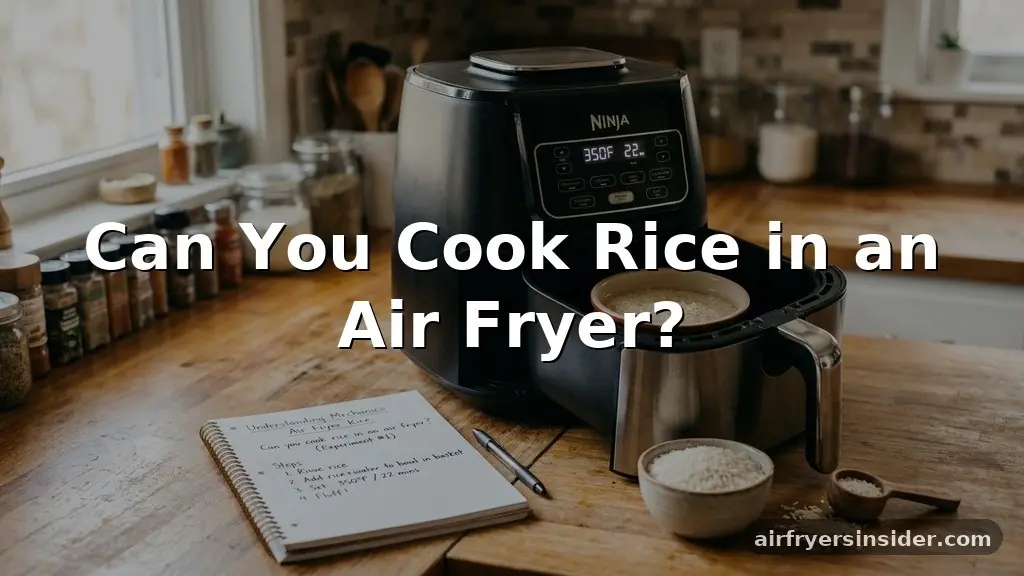
Many home cooks wonder if they can cook rice in an air fryer, and the short answer is yes, provided you use the right technique. While these appliances are famous for their crisping capabilities, they are essentially compact, high-powered convection ovens. By utilizing a heat-resistant container to hold the grains and water, you can effectively mimic the environment of a stovetop pot.
Mastering this method requires understanding how thermal circulation interacts with your chosen vessel. If you are looking to save space on your stovetop or simply want to experiment with your kitchen gadgets, learning this process offers a surprising level of appliance versatility.
Understanding the Mechanics of Air Fryer Rice
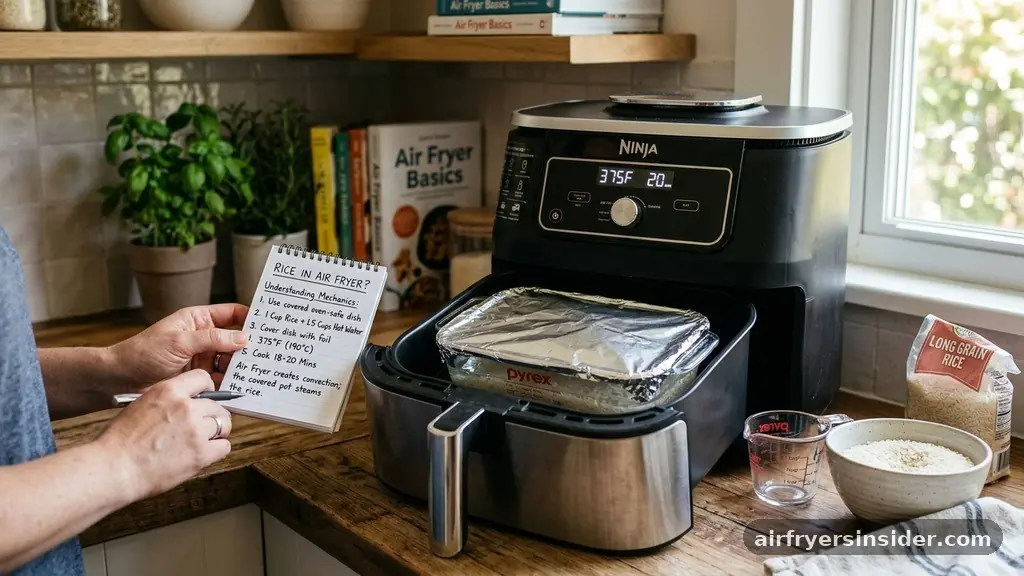
At its core, an air fryer works through rapid convection cooking. A fan circulates hot air at high speeds, which is perfect for browning chicken or crisping fries, but it is not inherently designed for boiling liquids. To successfully cook rice, you must bypass the direct air-to-food contact.
You need a heat-resistant pan or an oven-safe bowl that fits comfortably inside your basket. This container acts as a barrier, allowing the hot air to heat the water inside without evaporating it too quickly.
The process relies on the same principles as steaming. Because the air fryer creates a consistent, high-heat environment, the water in your bowl will reach a boil and then simmer as the rice absorbs the moisture. You are effectively using the appliance as a small, portable oven.
One major benefit here is the consistency of heat; unlike a gas burner that might have hot spots, the convection heat in an air fryer is distributed evenly around your container. This helps in achieving a uniform cook, provided you have the right water-to-rice ratio.
Essential Tools for Success
You cannot simply pour dry rice and water into the bottom of your air fryer basket. Doing so would be a disaster, as the grains would fly around the fan or fall through the grate. You need a dedicated vessel that is deep enough to hold the bubbling liquid.
A small metal cake pan, a ceramic ramekin, or a silicone bowl works well. Always ensure your chosen container is labeled oven-safe.
Lid coverage is the secret weapon for perfect rice. If you leave the bowl uncovered, the top layer of rice will dry out and potentially burn before the bottom is cooked. Using a piece of aluminum foil to tightly seal the top of your bowl is a common and effective strategy.
This traps the steam inside, creating a pressure-cooker-like environment that ensures the grains are fully cooked and tender. Without this seal, you lose the moisture needed for proper starch gelatinization, which is the chemical change that turns hard, raw grains into soft, edible rice.
Adjusting the Water-to-Rice Ratio
One of the most common mistakes when learning to cook rice in an air fryer is using the same ratios you would use on a stove. Because the air fryer environment is extremely dry and hot, water evaporates much faster than it does in a heavy-bottomed pot. You generally need slightly more water to account for the steam evaporation that occurs during the initial heating phase.
For most long-grain rice varieties, a ratio of 1:1.5 or even 1:2 (rice to water) is a good starting point. If you prefer a softer, stickier result, lean toward the higher end of that ratio. It is helpful to use boiling water as your starting point.
By adding pre-heated water to the rice in your bowl, you significantly reduce the cooking time and help the grain start absorbing moisture immediately. This simple step prevents the rice from sitting in lukewarm water, which can lead to a mushy or uneven texture.
Step-by-Step Cooking Process
To get started, rinse your rice thoroughly under cold water until the water runs clear. This step is vital because it removes excess surface starch that can cause the rice to clump together. Once rinsed, place the rice into your heat-resistant pan.
Pour in your boiling water and add a pinch of salt if desired. Stir the mixture once to ensure no grains are stuck to the bottom of the pan.
Cover the container tightly with aluminum foil. Place the pan into the air fryer basket and set the temperature. Most recipes for white rice work best at around 360°F to 375°F.
The cooking time will typically range from 20 to 30 minutes, depending on the volume of rice and the specific model of your air fryer, such as a Ninja Foodi or similar unit. Avoid opening the basket frequently to check on the rice, as this releases the trapped steam and resets the internal temperature, which can lead to undercooked grains.
Comparing Cooking Methods
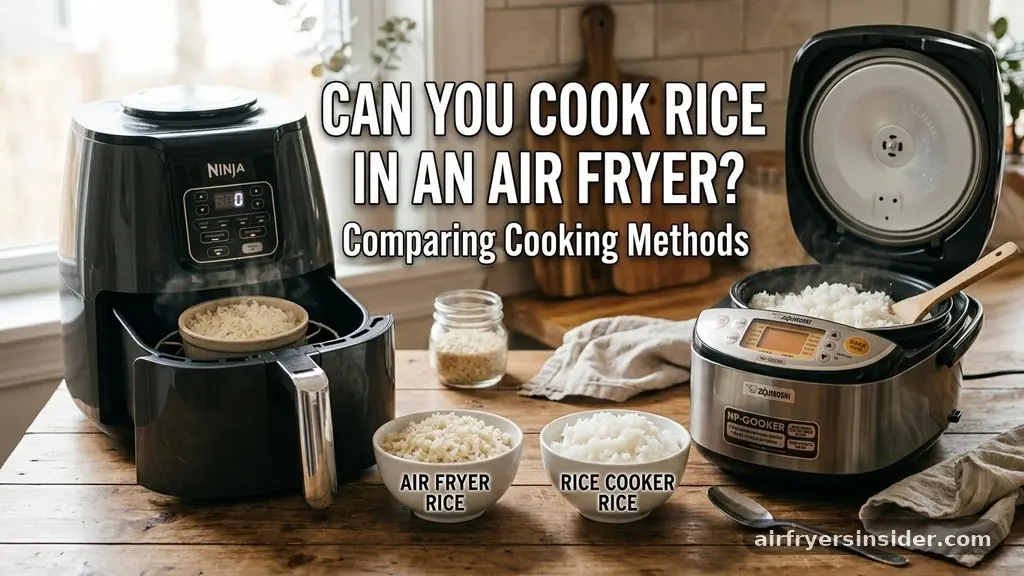
Choosing the right tool for the job is important for both texture and convenience. While the air fryer is a capable backup, it does have limitations compared to a dedicated rice cooker or traditional stovetop pot.
| Method | Cooking Time | Texture | Best For |
|---|---|---|---|
| Stovetop | 15-20 mins | Consistent, Fluffy | Large batches |
| Rice Cooker | 30-40 mins | Perfectly uniform | Daily use |
| Air Fryer | 25-35 mins | Variable/Chewy | Small servings |
As shown in the table, the air fryer is not necessarily faster, but it offers a convenient way to prepare a side dish if your burners are full. It is particularly useful for small households or individual servings where pulling out a large pot feels like overkill.
Handling Different Rice Varieties
Different types of rice require slightly different attention. Jasmine rice, for instance, is fragrant and delicate; it cooks relatively quickly but can become mushy if you use too much water.
Basmati rice is known for its long, thin grains and is quite forgiving, making it a great choice for beginners experimenting with this method. Brown rice, however, is a different challenge entirely.
Because brown rice retains its outer bran layer, it requires a longer cooking time and more moisture to become tender. If you attempt brown rice in your air fryer, be prepared to increase the water-to-rice ratio and extend the cooking time by an additional 10 to 15 minutes. You may need to check the moisture levels halfway through the process.
If it looks dry, add a splash of hot water, reseal the foil, and continue. Patience is key when dealing with whole-grain varieties.
Addressing Topical Gaps: Safety and Maintenance
When discussing appliance versatility, kitchen safety is paramount. Never place aluminum foil or lightweight containers inside the air fryer without something to weigh them down, or make sure the foil is tucked tightly around the rim of your bowl.
If the airflow is strong enough, loose foil can be sucked up toward the heating element, which creates a significant fire hazard. Always ensure your container is stable and centered in the basket.
Furthermore, be mindful of the scorched rice phenomenon. If your container is too thin or the temperature is set too high, the bottom layer of rice can become dry and crispy, similar to the bottom of a Persian tahdig. While some people enjoy this, it is usually a sign of uneven heat distribution.
If you find your rice is consistently scorching, lower the temperature by 25 degrees and increase the cooking time. Regular cleaning of your air fryer is also necessary, as starchy water can occasionally boil over and leave a sticky residue on the basket or the heating element.
Troubleshooting Common Issues
If your rice comes out undercooked or crunchy, it is almost always due to insufficient liquid or a poor seal on your foil. Don’t be afraid to add a little more water next time.
If the texture is too mushy, you are likely using too much water or the rice sat in the steam for too long after the cooking finished. Always let the rice rest for a few minutes after the timer goes off, but remove it from the basket so it stops cooking.
- Rinse the rice thoroughly to prevent clumping.
- Use boiling water to jumpstart the cooking process.
- Ensure the aluminum foil seal is airtight to trap steam.
- Select an oven-safe bowl that fits securely in the basket.
- Avoid overcrowding the air fryer to maintain proper airflow.
- Let the rice rest for 5 minutes before fluffing with a fork.
By following these simple adjustments, you can troubleshoot almost any issue that arises during your first few attempts. Remember that your specific air fryer model will have its own quirks, so treat the first attempt as a learning exercise rather than a test of perfection.
FAQ
Can I cook brown rice in an air fryer?
Yes, you can, but it requires more water and a longer cooking time than white rice. Because brown rice has a tough bran layer, you should increase the liquid ratio and check the bowl halfway through to ensure it hasn’t dried out before the grains are soft.
What type of container is safe to use?
Use any oven-safe bowl or pan, such as ceramic ramekins, glass Pyrex, or metal cake pans. Ensure the container fits inside the air fryer basket with at least an inch of space around the sides to allow the hot air to circulate properly and cook the rice evenly.
Does the rice get crispy?
If you cover the bowl with aluminum foil, the rice will steam and remain fluffy. If you leave the rice uncovered, the top layer will likely become dry, crunchy, and potentially scorched. For a standard, tender texture, always use a lid or foil to trap the moisture.
Is it faster than a rice cooker?
Generally, no. An air fryer usually takes about the same amount of time as a stove, but it is not necessarily faster than a dedicated rice cooker. Its main advantage is convenience when you are already using your stovetop for other dishes or want to avoid cleaning a large pot.
Conclusion
Learning whether you can cook rice in an air fryer opens up new possibilities for your daily meal prep and kitchen efficiency. While it may not replace a dedicated rice cooker for large families, it is an excellent skill for preparing small, consistent portions without occupying valuable stovetop space. By mastering the water-to-rice ratio, ensuring a tight seal with foil, and respecting the limits of your appliance, you can achieve a fluffy, perfectly cooked result every time.
Experiment with different varieties like basmati or jasmine to see what works best in your specific model. Feel free to share your own results or favorite adjustments in the comments below, as refining your technique is half the fun of home cooking.
Meta Description: Can you cook rice in an air fryer? Learn the simple techniques, water ratios, and safety tips to get fluffy, perfectly steamed rice every single time.


