If you have ever found yourself staring at a bag of frozen vegetables in your freezer, wondering if you can skip the mushy microwave experience, you are in the right place. Learning how to cook frozen broccoli in air fryer units is a genuine kitchen upgrade that turns icy, limp florets into a golden-brown side dish with satisfying crunch.
Unlike steaming, which often leads to waterlogged results, the intense, dry heat of an air fryer mimics the effects of roasting. By mastering a few simple techniques regarding temperature and airflow, you can achieve a restaurant-quality texture that retains more flavor and color than traditional boiling ever could.
Understanding the Mechanics of Air Fryer Convection
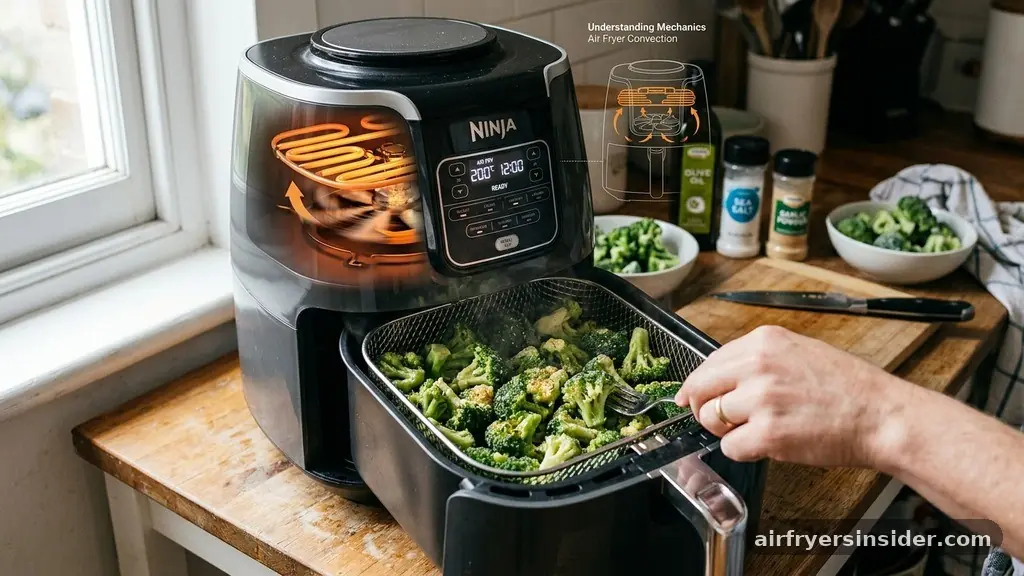
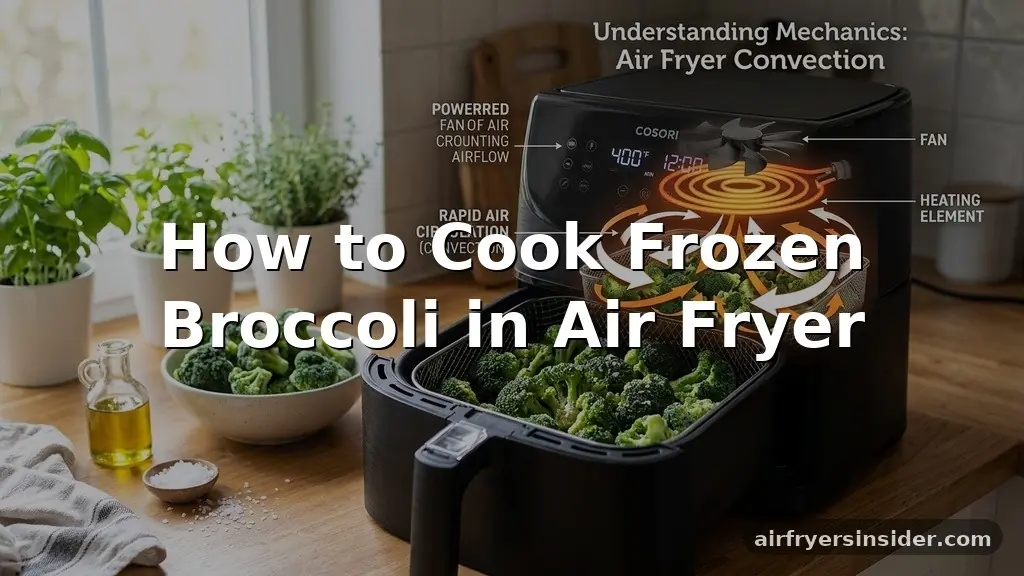
At its core, an air fryer is a compact, high-powered convection oven. When you learn how to cook frozen broccoli in air fryer baskets, you are essentially harnessing the power of rapid air circulation to force moisture evaporation away from the surface of the vegetable. Because frozen broccoli contains significant amounts of ice crystals, the primary challenge is removing that excess water before the vegetable can actually begin to brown.
The process relies on the Maillard reaction, the chemical process that creates the delicious, nutty flavor and browning we associate with roasted vegetables. To achieve this, the air inside the chamber must be hot and dry enough to evaporate the surface moisture quickly.
If you crowd the basket, the steam gets trapped, and the broccoli will simply re-steam instead of roasting. By understanding that your air fryer is a miniature convection oven, you can treat your frozen vegetables with the same respect you would give a tray of fresh produce in a standard oven.
Preparing the Broccoli for Optimal Texture
Before the heat even touches your vegetables, preparation is key to ensuring success. You do not need to thaw the broccoli florets beforehand; in fact, cooking them directly from frozen is the secret to avoiding a rubbery outcome. However, you should aim to remove any excess loose ice from the bag before dumping the florets into your mixing bowl.
Once the broccoli is in the bowl, lightly coat the florets with a small amount of oil, such as olive oil spray or a neutral vegetable oil. This coating is essential because it helps conduct heat evenly across the surface of the vegetable. After oiling, apply your seasoning generously.
Simple staples like kosher salt, black pepper, and garlic powder work wonders, but don’t be afraid to experiment with other aromatics. The oil ensures the spices stick to the nooks and crannies of the florets, allowing them to toast rather than burn.
Mastering the Ideal Cooking Temperature
The cooking temperature you select plays a massive role in the final quality of your dish. Most experts recommend setting your air fryer to 375 or 400 degrees Fahrenheit. At these temperatures, the exterior of the broccoli crisps up rapidly while the interior stays tender.
Why Temperature Settings Matter
If you set the temperature too low, the broccoli will take too long to cook, resulting in a limp, soggy texture. Conversely, if the heat is excessively high, the outer edges of the delicate florets may char before the stems are fully cooked.
| Temperature | Result | Best Use |
|---|---|---|
| 350°F | Slow, gentle cooking | Thicker, larger stalks |
| 375°F | Balanced roasting | Standard frozen florets |
| 400°F | Maximum crispiness | Small, thin pieces |
Consistency is the goal. If you are using a high-powered device like a Ninja Foodi, you might find that the fan speed is slightly more aggressive, which can lead to faster browning. In these cases, checking the food a few minutes early is a smart strategy to ensure you don’t overshoot your target.
The Importance of Shaking the Basket
Because air fryers work by forcing hot air through a perforated tray or basket, any food that is hidden from the airflow will remain undercooked. You must shake the basket at least once or twice during the cooking time. This simple physical action redistributes the florets, ensuring that every side of the vegetable gets exposed to the direct heat.
If you don’t shake the basket, the broccoli at the bottom will stay damp while the broccoli on top might start to burn. Aim to shake the basket every 4 to 5 minutes. This is also a perfect time to check the overall progress.
If the broccoli looks like it is drying out too much, you can give it a quick spritz of oil. If it looks pale, you know it needs a few more minutes of intense heat.
Enhancing Flavor with Finishing Touches
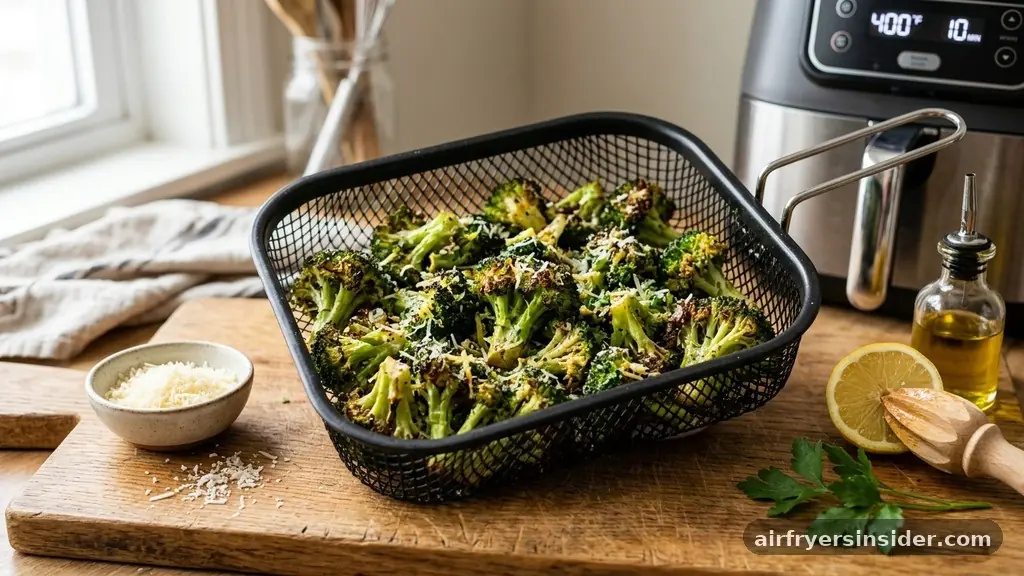
While salt and garlic are the foundation, the true magic happens after the broccoli is removed from the machine. Since the air fryer is excellent at creating a tender-crisp texture, it acts as a perfect canvas for acidic or savory toppings that brighten up the deep, roasted flavors.
- Parmesan cheese: Sprinkle freshly grated cheese over the hot broccoli immediately after removing it from the air fryer.
- Lemon juice: A squeeze of fresh citrus adds a bright contrast to the earthy, charred notes of the roasted vegetable.
- Red pepper flakes: Adding a bit of heat balances the natural sweetness of the broccoli.
- Balsamic glaze: A light drizzle can add a complex, sweet-and-sour dimension to the dish.
These additions are best applied right before serving. The residual heat will soften the cheese or bloom the spices, creating a cohesive dish that feels much more intentional than a plain side of steamed frozen vegetables.
Addressing Common Topical Gaps
Many home cooks wonder if they can use parchment paper to make cleanup easier. While parchment paper is convenient, it can block the airflow in the bottom of the basket, which is counterproductive when you are trying to roast vegetables. If you must use a liner, look for perforated air fryer parchment sheets designed specifically for this purpose.
Another common concern is cross-contamination. If you have previously cooked meat in your air fryer, make sure to clean the basket thoroughly before roasting your broccoli. Residual fats from chicken or bacon can smoke at high temperatures and impart unwanted flavors to your vegetables.
Finally, regarding nutrient retention, air frying is actually one of the best methods available. Because the cooking time is relatively short and the vegetable is not submerged in water, more vitamins and minerals remain intact compared to boiling or heavy steaming.
Troubleshooting Your Frozen Broccoli
If your results are consistently disappointing, look toward your technique rather than the equipment. If the broccoli is consistently burning, you are likely using too high a temperature or leaving the pieces in for too long. If the broccoli is soggy, you are likely crowding the basket or failing to shake it enough to allow moisture to escape.
Another factor is the quality of the frozen product itself. Some brands include larger, thicker stems, while others are mostly small florets. Manage your cooking time based on the specific cut of the vegetable.
If you have a bag with large, chunky stalks, you may want to cut them into smaller, uniform pieces before cooking to ensure even results. Remember that the goal is to create a consistent surface area so that every piece finishes at the same time.
Integrating Air Frying Into Your Routine
Once you master the basics, this method becomes a reliable part of your meal prep. Because it is so fast, you can have a healthy, flavorful side dish ready in under 15 minutes. It pairs perfectly with proteins like grilled salmon, steak, or tofu.
By keeping a bag of broccoli in your freezer, you always have a “safety” vegetable that can be cooked without needing to plan ahead. The convenience of not having to wash, chop, and steam fresh broccoli is a massive time-saver for busy weeknight dinners. As you get comfortable with the process, you will find that you can apply these same principles to other frozen vegetables like cauliflower, Brussels sprouts, or even green beans, allowing you to expand your repertoire of quick, crispy vegetable sides.
Frequently Asked Questions
Can you air fry frozen broccoli without oil?
You can, but it is not recommended. A light coating of oil helps conduct heat, ensuring the broccoli browns properly rather than just drying out. Without oil, the florets are more likely to become tough, chewy, or bitter before they achieve that desirable roasted, crispy texture.
Why does my broccoli burn in the air fryer?
Burning usually occurs when the temperature is set too high or the florets are too small and thin. If you notice the edges turning black too quickly, lower the heat to 350°F and check the basket more frequently. Ensure the broccoli is not overcrowded, as this prevents even cooking.
How long do you cook frozen broccoli in an air fryer?
Generally, you should cook frozen broccoli for 10 to 15 minutes at 375°F to 400°F. The exact timing depends on the size of the florets and your specific air fryer model. Always shake the basket halfway through to ensure even heat distribution and consistent browning on all sides.
Do I need to preheat my air fryer?
While not strictly necessary for every air fryer, preheating for 3 to 5 minutes can help the cooking process start immediately. This is particularly helpful for frozen items, as it helps initiate the Maillard reaction faster, leading to a better, crispier texture on the outside of the broccoli.
Conclusion
Learning how to cook frozen broccoli in air fryer units is a straightforward way to transform a humble freezer staple into a delicious, crispy side dish. By focusing on high heat, proper airflow, and regular shaking of the basket, you can avoid the common pitfalls of soggy or unevenly cooked vegetables. This method maximizes both flavor and convenience, making it easier than ever to incorporate more greens into your daily diet.
Whether you prefer them simple with just salt and pepper or dressed up with parmesan and lemon juice, these roasted florets offer a satisfying crunch that feels fresh and elevated. Start experimenting with your temperature and seasoning today to find the perfect balance for your kitchen setup.