

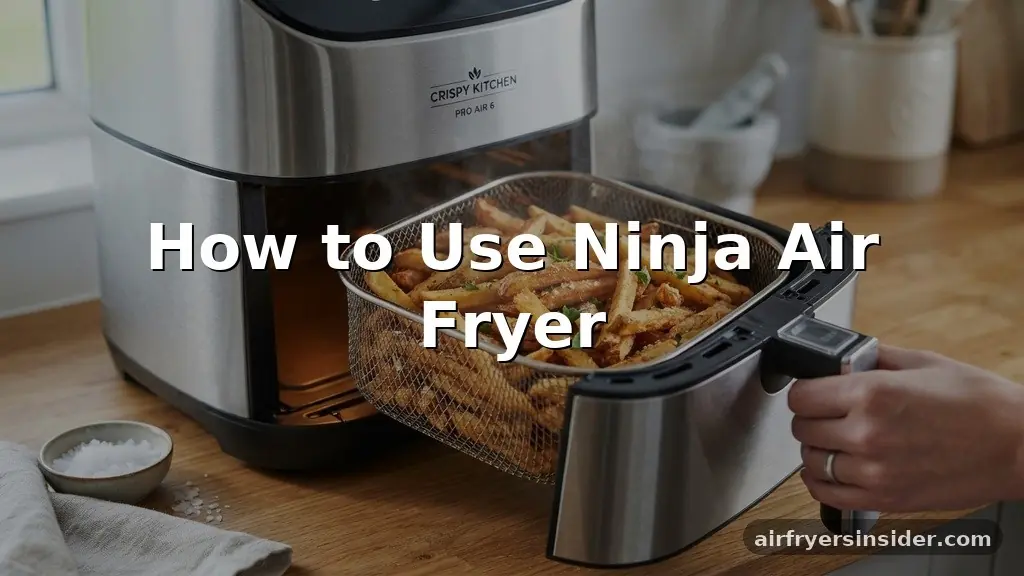
Mastering the art of using a Ninja air fryer transforms how you approach daily meal preparation. By leveraging powerful convection cooking technology, these machines create crispy, golden-brown results with minimal oil. Whether you are a complete beginner or looking to refine your technique, understanding the nuance of your specific model is key to consistent success.
From mastering the control panel to maintaining the nonstick surface, this process is about precision and patience. You will soon find that achieving restaurant-quality textures at home becomes an intuitive part of your kitchen routine, allowing you to enjoy healthier versions of your favorite comfort foods without the mess of traditional deep frying.
Understanding the Mechanics of Air Crisp Technology
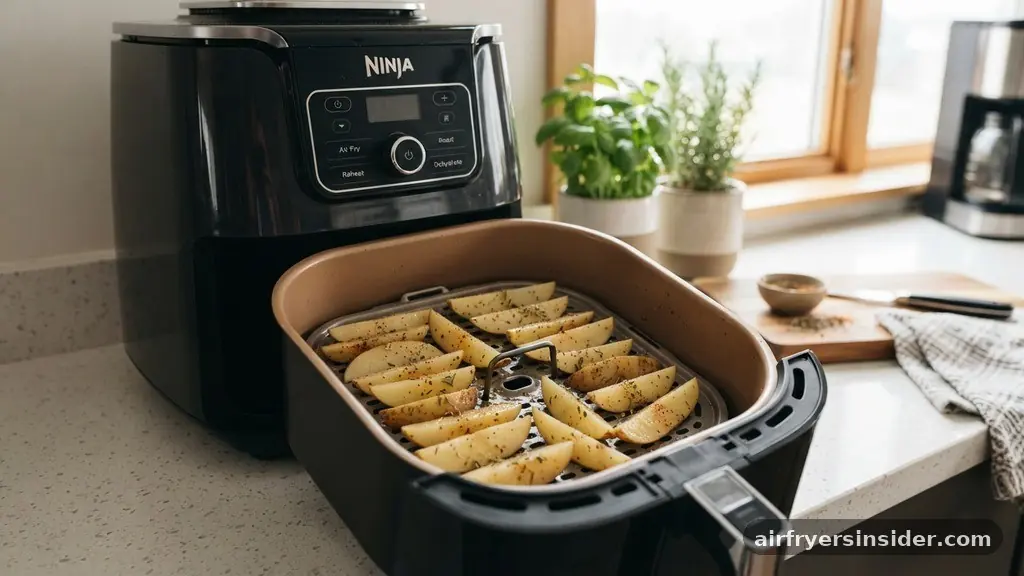
At the heart of every unit is a fan-driven system that utilizes rapid air circulation to mimic the effects of deep frying. Unlike a traditional oven that relies on radiant heat from a static element, a Ninja air fryer forces hot air around the food at high speeds.
This movement drives moisture out of the surface layer of your ingredients, resulting in that signature crunch while keeping the interior tender. When you are using the air crisp mode, you are essentially harnessing the power of a high-performance convection oven in a compact footprint.
The efficiency of this process depends heavily on the placement of your food. Because the hot air needs to travel freely to be effective, you must avoid overcrowding the basket. If the food is piled too high, the air cannot reach every surface, leading to uneven cooking and soft spots.
Always arrange your items in a single layer whenever possible. If you are cooking a large batch, it is much better to cook in two smaller cycles than to cram everything into the basket at once. This simple adjustment is the secret to achieving that uniform, golden finish across all your ingredients.
Preparing Your Appliance for the First Time
Before you cook your inaugural meal, you need to ensure your machine is clean and ready. Start by washing the ceramic-coated basket and the crisper plate with warm, soapy water. While many components are dishwasher-safe, hand washing with a non-abrasive sponge is the best way to extend the lifespan of the nonstick surface.
Once dry, place the crisper plate firmly into the bottom of the basket. This plate is essential because it elevates the food, allowing hot air to circulate underneath, which prevents the bottom of your meal from becoming soggy.
It is also highly recommended to run a “burn-off” cycle before adding any food. Set the machine to its highest temperature for about 10 to 15 minutes. This process helps eliminate any residual odors or manufacturing oils that might be present on the heating elements.
While the unit is running, you might notice a faint smell, which is completely normal for a new appliance. Once the cycle finishes and the unit cools down, wipe the interior with a damp cloth. You are now ready to begin experimenting with your favorite recipes.
Navigating the Control Panel and Settings
The control panel on a Ninja air fryer acts as your command center. While specific layouts vary by model, you will generally find buttons for functions like air crisp, roast, dehydrate, and reheat.
Familiarizing yourself with these presets is the first step toward confidence in the kitchen. For example, the roast function typically uses a slightly different fan speed and temperature profile than the air crisp mode, making it perfect for vegetables or thicker cuts of meat.
Most models allow you to manually adjust both the cooking time and the temperature settings. Do not be afraid to customize these based on the specific food you are preparing. If you are following a recipe meant for a standard oven, a good rule of thumb is to reduce the temperature by about 25 degrees Fahrenheit and decrease the total cooking time by roughly 20 percent.
Always keep an eye on the display as the timer counts down. If your food looks finished before the timer hits zero, trust your eyes rather than the clock.
The Importance of Preheating and Oil Usage
Many users skip the preheating phase, but it is a critical step for achieving the best texture. Just like a conventional oven, the air fryer needs to reach the target temperature before your food hits the basket.
When you start with a hot environment, the Maillard reaction—the chemical process that creates that delicious browned crust—begins immediately. If you put food in a cold basket, it will start to steam rather than sear, which is the opposite of what you want when air frying.
Regarding oil, you do not need much, but a light touch makes a significant difference. Using a small amount of oil helps conduct heat and promotes browning. However, be cautious with commercial cooking spray or oil-based aerosols.
These products often contain propellants that can gradually degrade the nonstick coating of your basket. Instead, use a refillable oil mister filled with your favorite high-smoke point oil, such as avocado or grapeseed oil. A light mist over your ingredients is all it takes to get that perfect, crispy finish without damaging your equipment.
Mastering the Shake Method for Even Cooking
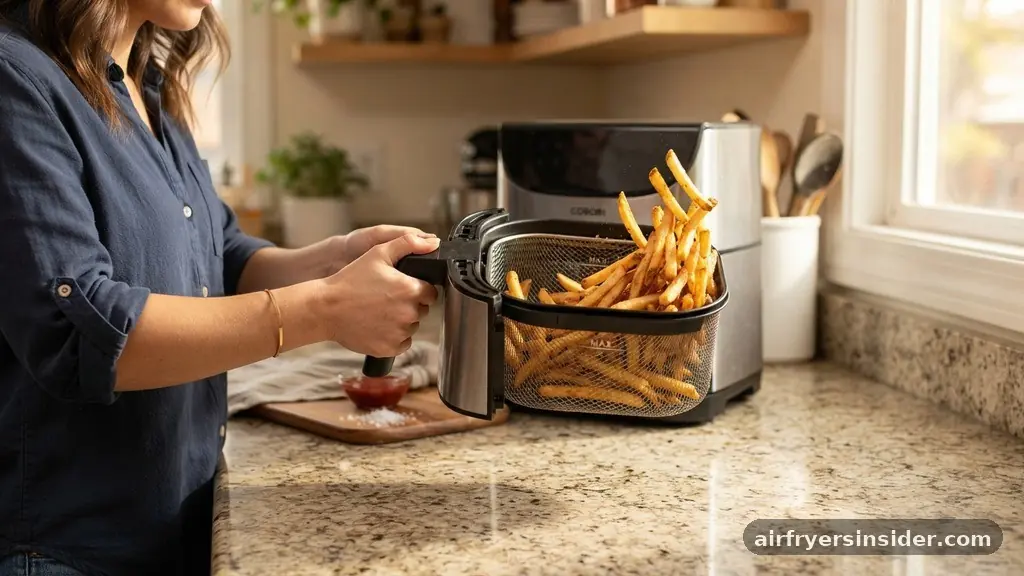
One of the most effective techniques for using a Ninja air fryer is the shake method. Because air flows from the top down, the items on the bottom of the pile or those obscured by other pieces may not crisp up as quickly.
Halfway through the cooking time, pull the basket out and give it a good shake. If you are cooking something delicate like breaded fish or fragile vegetables, use a pair of silicone-tipped tongs to flip the pieces individually.
This interruption in the cooking process is standard practice. Do not worry about the heat loss; the unit is designed to recover its temperature quickly once the basket is replaced. By redistributing the food, you ensure that every side is exposed to the intense heat.
This simple habit is what separates average results from truly professional-quality meals. If you are using a dual-zone technology model, remember to perform this for both baskets to ensure consistent results across both zones.
Addressing Topical Gaps and Common Pitfalls
Many beginners struggle with smoke or uneven cooking. If you notice smoke during operation, it is almost always due to fat buildup or using an oil with a low smoke point. If you are cooking fatty foods like bacon or chicken thighs, the grease can drip onto the bottom of the unit and hit the heating element.
To prevent this, place a small amount of water or a slice of bread in the bottom of the drip tray area to catch the drippings. Never use parchment paper unless it is specifically designed for air fryers and has holes to allow for proper airflow.
Frequently Asked Questions About Air Frying
Can I put aluminum foil in my Ninja air fryer?
Yes, you can use aluminum foil, but you must ensure it does not block the airflow. Place it only on the bottom of the basket or the crisper plate, and never let it touch the heating element. If the foil flies around, it can cause a fire or damage the machine.
How do I know if my food is fully cooked?
Always rely on an internal temperature check rather than just the appearance of the food. Use a reliable food thermometer to ensure meats reach their safe internal temperature. This is the only way to guarantee safety while avoiding overcooking your ingredients.
Why does my air fryer smell like burning plastic?
A new unit may have a slight odor during the first few uses due to factory residues, which should dissipate quickly. If the smell persists, check that no plastic packaging remains inside and ensure the unit is clean of any food debris or built-up grease.
Can I stack food to cook more at once?
Stacking is generally discouraged because it blocks the rapid air circulation required for crisping. If you must cook in larger quantities, it is better to cook in batches or use a rack accessory if your specific model supports it, but keep the food in a single layer for best results.
Maintenance and Cleaning for Longevity
Taking care of your machine is just as important as knowing how to use it. After every use, once the basket has completely cooled, wipe out any excess oil or crumbs.
If you notice stubborn food stuck to the ceramic-coated basket, soak it in warm, soapy water for ten minutes rather than scrubbing it with metal utensils. Metal tools will scratch the nonstick surface, which will eventually cause food to stick more frequently.
Periodically, you should also clean the heating element located at the top of the unit. Unplug the device and ensure it is entirely cool. Use a damp cloth or a soft-bristled brush to gently remove any grease splatters that may have accumulated.
Keeping this area clean prevents the buildup of smoke-inducing carbon and ensures that the heat is distributed evenly during every cook. By maintaining these dishwasher-safe components and the interior housing, you ensure your device remains a reliable kitchen companion for years.
Comparing Cooking Methods for Best Results
To understand how to get the most out of your appliance, it helps to compare how it handles different types of foods versus traditional cooking methods. The following table highlights how to adjust your approach for common categories.
| Food Category | Recommended Technique | Why It Works |
|---|---|---|
| Frozen Snacks | Air Crisp / High Temp | Rapid air makes them crunchy without thawing |
| Root Vegetables | Roast / Medium Temp | Slows down the exterior browning while softening the inside |
| Meats/Proteins | Air Crisp / Flip Midway | Ensures even searing and renders fat effectively |
| Baked Goods | Air Crisp / Low Temp | Prevents the top from burning before the center is set |
By following these guidelines, you can adapt virtually any recipe to suit your air fryer. Remember that the goal is always to maximize the exposure of your food to the circulating air, which is the defining characteristic of this cooking style.
Refining Your Culinary Skills with Advanced Settings
Once you are comfortable with the basics, you can start utilizing the more specialized modes like dehydrate or reheat. The dehydrate function operates at a much lower temperature for a longer period, making it perfect for creating dried fruit snacks or beef jerky.
Meanwhile, the reheat function is a superior way to bring leftovers back to life. Unlike a microwave, which often makes food soggy, the air fryer uses gentle heat to restore the crispness of pizza crusts or fried chicken, making them taste almost as good as they did when fresh.
Experimenting with different seasonings and marinades will also help you master the machine. Keep in mind that dry rubs work exceptionally well in the air fryer, as the circulating air helps “set” the spices onto the surface of the food.
If you are using wet marinades, pat the food dry with a paper towel before placing it in the basket. Excess moisture on the surface can prevent that desired browning, so keeping your ingredients relatively dry is a simple trick that yields professional results every single time you cook.
Learning to use a Ninja air fryer effectively is a journey of testing and adjusting. Start by following basic recipes to understand how your specific machine handles heat, then gradually branch out into your own culinary creations. By respecting the need for airflow, keeping your components clean, and using the correct settings for your ingredients, you will find that this appliance becomes an indispensable tool.
Whether you are aiming for perfectly crispy vegetables or a juicy piece of chicken, the consistency you achieve will speak for itself. Enjoy the process of refining your technique, and do not hesitate to experiment with new ingredients to see just how versatile your kitchen setup can truly be.


