

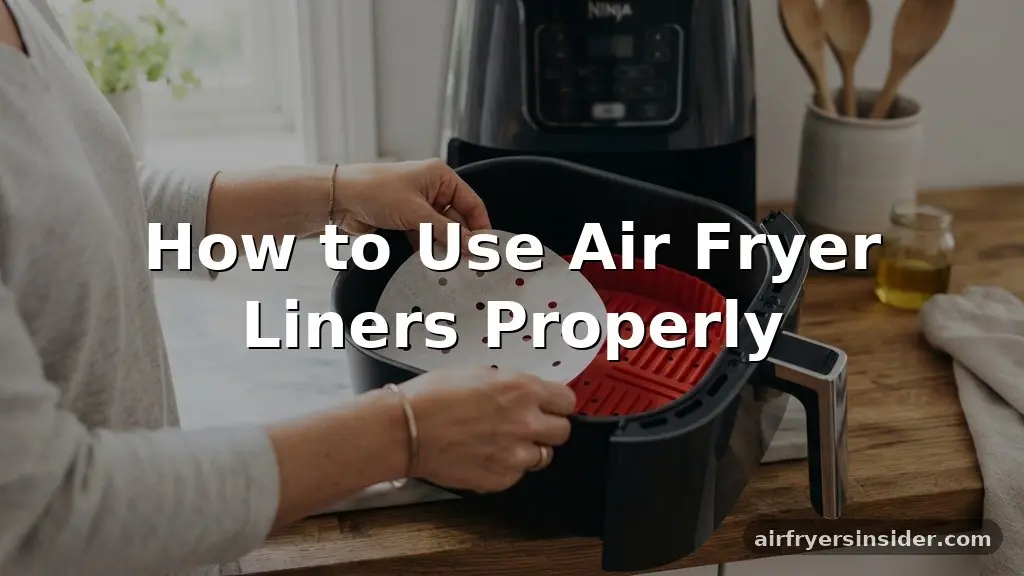
Getting the most out of your kitchen gadgets often comes down to the small accessories you choose to pair with them. Learning how to use air fryer liners effectively can save you significant time on cleanup while keeping your machine in top shape.
Whether you are dealing with sticky sauces or simple breaded snacks, these tools act as a barrier between your food and the basket. By mastering the placement and timing of these accessories, you ensure that your meals remain crispy and delicious without the hassle of scrubbing burnt-on residue from the metal mesh.
Choosing the Right Type of Liner for Your Appliance
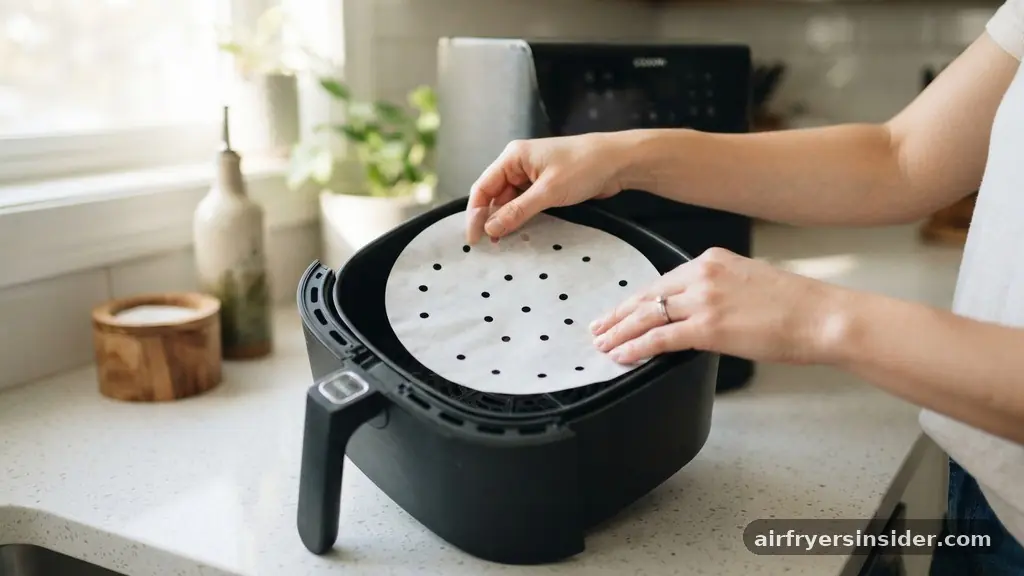
Selecting the correct material is the first step in optimizing your kitchen routine. You will generally encounter two primary categories: disposable parchment paper and reusable silicone mats. Both serve the same fundamental purpose, but they interact with your device in slightly different ways.
Disposable options are usually crafted from perforated parchment paper, which is designed specifically to allow air to pass through the material. This is crucial because an air fryer relies on rapid, intense convection heating to simulate the effects of deep frying.
Silicone air fryer mats are the other popular choice. These are typically thicker and more durable, featuring raised ridges or patterns that lift the food slightly off the surface. This design helps with drainage and promotes airflow circulation underneath your ingredients.
While silicone is highly heat-resistant, it is heavier than paper. You should verify that your specific model can handle the added weight of the mat without the fan blowing it into the heating element. Always check the manufacturer’s temperature ratings, as exceeding them can compromise the material’s integrity and lead to unwanted odors or degradation.
Understanding the Importance of Airflow Circulation
The defining feature of an air fryer is its ability to circulate hot air at high speeds. When you introduce a liner, you are essentially placing a physical obstacle in the path of that air. If you use a non-perforated sheet, you will likely block the primary vents at the bottom of the basket tray.
This disruption will negatively affect cooking performance, often resulting in soggy bottoms or unevenly cooked food. The air needs to move freely around your ingredients to achieve that signature crunch.
When choosing between options, prioritize perforated designs. These small holes are engineered to maintain the integrity of the convection current while still catching drips and crumbs.
If you find yourself using a solid mat, keep in mind that you may need to flip your food more frequently to compensate for the reduced heat distribution. Proper airflow ensures that the heating element remains efficient and that the hot air reaches all sides of your meal, which is the secret to achieving professional-grade results at home.
Safety Guidelines for Liner Placement
Appliance safety is paramount when working with high-heat equipment. One of the most common mistakes users make is placing a lightweight liner into the basket before the machine is running. If the fan is powerful, it can lift the paper up and force it into contact with the heating element located at the top of the basket.
This creates a significant fire hazard and can ruin both your meal and your device. Never put an empty liner in the basket while preheating.
Always wait until you have enough food weight to hold the paper or silicone mat firmly in place. The weight of your chicken wings, vegetables, or frozen snacks acts as an anchor.
If you are cooking something very light, such as a single piece of toast or a few thin slices of zucchini, you might be better off skipping the liner entirely or using a heavy-duty silicone mat that won’t flutter. Always ensure the liner is centered and does not extend up the sides of the basket where it could touch the coils.
When to Add the Liner for Best Results
Timing is everything. If your recipe requires preheating, perform that step with an empty basket. Once the machine reaches the desired temperature, pull the basket out, place your food inside the liner, and then lower the liner into the basket.
This sequence prevents the fan from catching the edges of the paper while the machine is warming up. Many people mistakenly place the liner in at the start, only to find it scorched or stuck to the roof of the chamber once the cycle ends.
Think of the liner as a tool for the food, not a permanent fixture of the basket. By adding it only when you are ready to start the actual cooking process, you minimize the time the material spends exposed to the direct blast of the fan.
If you are cooking in batches, replace the liner if it has become saturated with grease or burnt bits. A fresh liner for each batch maintains high cooking performance and prevents old, charred flavors from transferring to your next meal.
Optimizing Cooking Performance with Different Foods
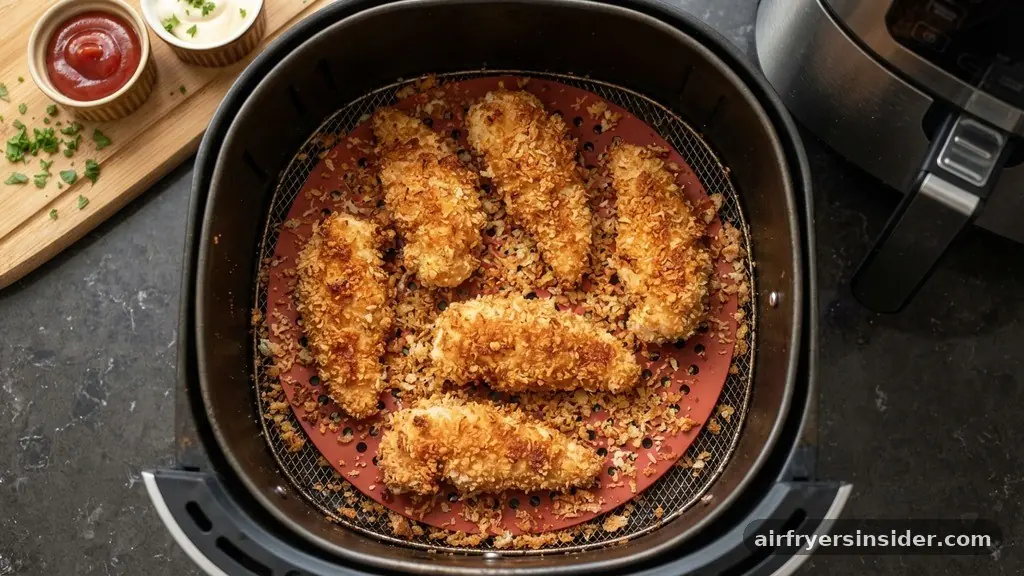
Not all ingredients react the same way to liners. Breaded foods, like mozzarella sticks or chicken tenders, can create a mess that is hard to clean. Here, a liner is a massive advantage because it collects the loose crumbs that usually burn and smoke at the bottom of the tray.
However, if you are cooking something that relies on direct contact with the metal to achieve a sear, you might notice a slight difference in texture. The non-stick coating maintenance of your basket is also preserved better when you use these barriers, as you won’t need to use abrasive scrubbers to remove stuck-on proteins.
When dealing with marinated ingredients, the liner acts as a reservoir for excess liquid. This prevents the juices from dripping through the holes and hitting the base of the unit, which can cause unpleasant smoke. However, be careful not to create a “pool” of marinade, as this will boil the food rather than air fry it.
If your ingredients are particularly wet, pat them dry before placing them on the liner. This simple step helps the hot air do its job more effectively, leading to superior crispiness.
Comparing Common Liner Types
To help you decide which material fits your needs, consider the following comparison of the most common options available on the market today.
| Feature | Perforated Parchment | Silicone Mats |
|---|---|---|
| Cleanup | Easy (Disposable) | Easy (Washable) |
| Airflow | Excellent | Moderate |
| Cost | Low per use | Higher upfront |
| Eco-Impact | Single-use waste | Reusable |
Addressing Topical Gaps and Common Misconceptions
Many users wonder if they should place liners under the basket tray or inside it. The answer is always inside the basket. Placing any material under the tray can obstruct the intake vents, leading to overheating or triggering the thermal safety shut-off.
Another common concern involves the necessity of holes. If you are using solid parchment paper, you are effectively turning your air fryer into a small oven, which defeats the purpose of the convection technology. Always ensure your liner is perforated or that you are using a silicone design with built-in drainage channels.
Another gap in knowledge concerns the impact on cooking times. Because a liner acts as an additional layer between the heat source and the food, you might notice that your cook times increase by a minute or two. This is normal.
Do not be tempted to crank up the temperature to compensate, as this can lead to burning the outside while the inside remains undercooked. Stick to your recipe’s temperature and simply add a small amount of buffer time to your timer if you find your food isn’t reaching the desired level of doneness.
Best Practices for Cooking Performance
To ensure your meals turn out perfectly every time, follow these optimization tips:
- Always ensure the liner is completely covered by food to prevent it from flying into the heating element.
- Avoid using oversized liners that curl up the sides of the basket, as this blocks side-airflow.
- Clean your silicone mats in warm, soapy water immediately after use to prevent grease buildup.
- Rotate your food halfway through the cycle, even with a liner, to ensure even browning.
- Check the heat resistance rating on your silicone accessories to ensure they are safe for your specific model.
- If you notice smoke, check if the liner has become saturated with grease and replace it immediately.
Following these steps will help you maintain the efficiency of your appliance while enjoying the convenience of reduced cleanup. Remember that the goal of using a liner is to enhance your experience, not to hinder the performance of the machine. When used correctly, these tools are a fantastic way to keep your kitchen routine simple and effective.
FAQ Section
Do air fryer liners affect the crispiness of food?
If you use the correct perforated liners, the impact on crispiness is minimal. However, using non-perforated sheets can trap steam, which may soften your food. Always choose breathable materials and avoid overcrowding the basket to ensure the hot air can circulate around every piece of food.
Is it safe to use parchment paper in an air fryer?
Yes, it is generally safe provided the paper is specifically designed for air fryers and is weighted down by food. Never preheat your air fryer with just a piece of paper inside, as the fan can lift it into the heating element, creating a significant fire hazard.
Can I reuse silicone air fryer liners?
Absolutely. Silicone mats are designed for multiple uses and are much more durable than parchment paper. After cooking, you can wash them with warm, soapy water or place them in the dishwasher. Ensure they are completely dry before using them for your next cooking session.
Should I put the liner under the removable tray?
No, you should never place a liner under the removable tray. The air fryer is designed to pull air through the bottom and sides of the basket. Placing a barrier underneath the tray will restrict this airflow, potentially causing the machine to overheat or fail to cook your food properly.
Final Takeaways on Liner Usage
Mastering the use of liners in your air fryer is a simple way to streamline your cooking process. By choosing the right material, ensuring proper placement, and keeping airflow in mind, you can enjoy all the benefits of crispy, delicious food without the headache of scrubbing stubborn grease from your basket. These accessories are meant to simplify your life, not complicate your cooking.
Start by testing a few different types to see what works best with your favorite recipes. Keep safety at the forefront by never running your machine with an empty, loose liner, and you will find that these small additions quickly become an essential part of your kitchen toolkit. Happy cooking, and feel free to reach out if you have more questions about optimizing your air frying experience.
Meta Description: Learn how to use air fryer liners safely and effectively. Discover tips for maintaining airflow, choosing between parchment and silicone, and improving cleanup.


