

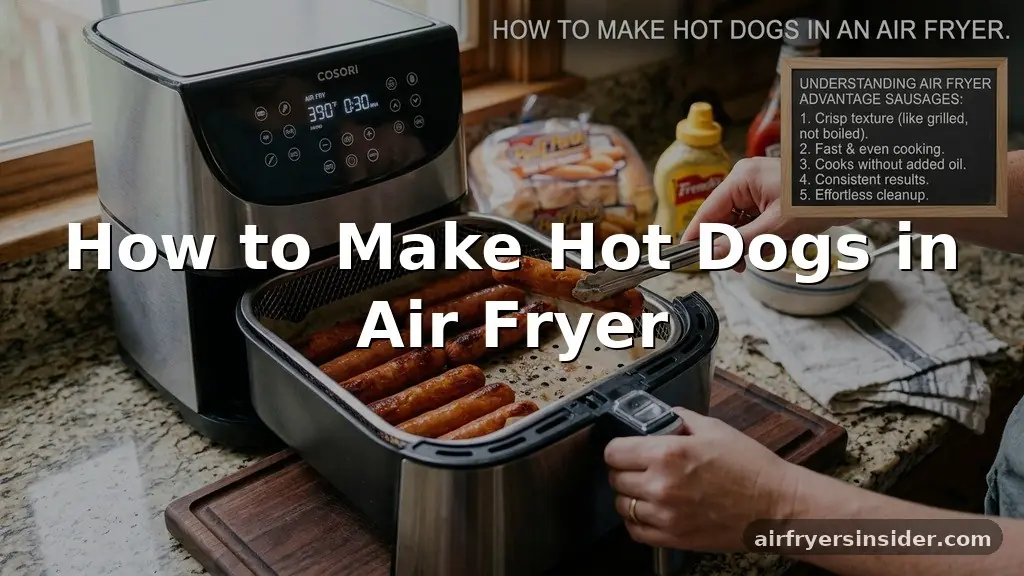
Learning how to make hot dogs in air fryer setups is a quick way to achieve that elusive, snappy texture without firing up the grill. Many home cooks find that the high-velocity air circulation creates a result far superior to boiling, which often leaves the meat feeling waterlogged and bland. By mastering the right timing and heat settings, you can turn a humble package of franks into a satisfying, restaurant-quality meal in minutes.
Whether you are prepping for a busy weeknight dinner or hosting a last-minute backyard gathering, this method provides consistent, reliable performance that makes traditional stovetop cooking feel outdated.
Understanding the Air Fryer Advantage for Sausages 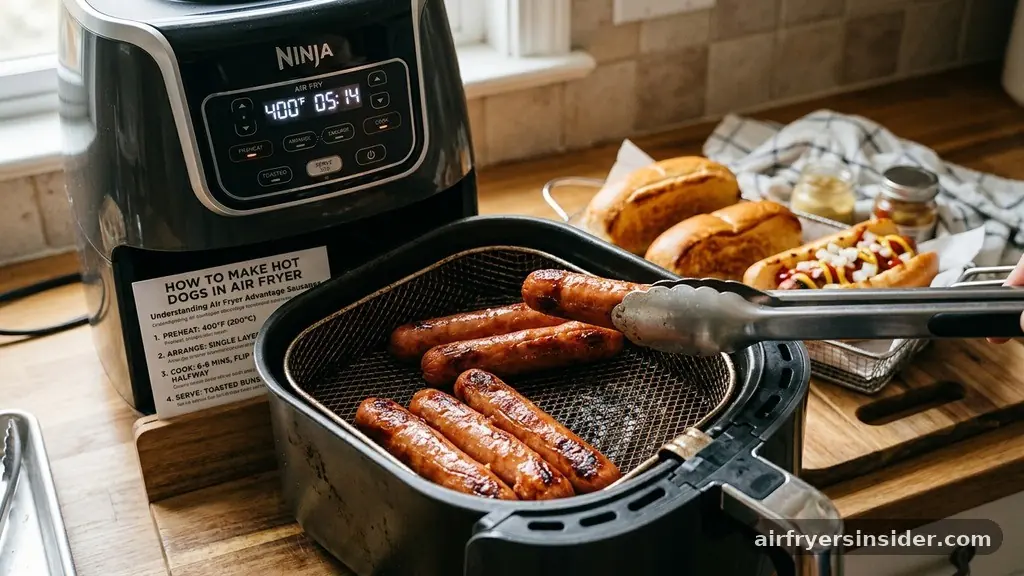
The primary reason to choose an air fryer over a frying pan or boiling pot is the quality of the finish. When you cook a hot dog in an air fryer, the dry, circulating heat renders the fat just enough to create a crispy skin that snaps when you bite into it.
This is physically impossible with boiling water, which simply rehydrates the casing, leading to a mushy texture. Furthermore, the air fryer acts like a miniature convection oven, ensuring that the meat is heated evenly from all sides without the risk of burning the exterior while the center remains cold.
Beyond texture, convenience is a major factor for busy households. You don’t have to wait for a large pot of water to boil or stand over a greasy skillet to prevent splattering. Once you understand the mechanics of air circulation, you can cook multiple sausages at once, provided they aren’t crowded in the basket.
This process is remarkably clean, as the grease is contained within the unit, saving you from a messy stovetop cleanup. When you prioritize efficiency, this cooking method becomes a staple in your kitchen rotation.
Preparing Your Hot Dogs for Maximum Flavor
Preparing Your Hot Dogs properly before they hit the basket can make a significant difference in the final outcome. Many enthusiasts recommend using a sharp knife to create diagonal, shallow cuts along the length of the meat.
This scored casing allows the heat to penetrate more deeply and provides extra surface area for that delicious, charred exterior to develop. It also prevents the hot dog from splitting open in an unsightly way, keeping the juices contained inside rather than leaking out onto the bottom of the tray.
If you are using high-quality, natural-casing sausages, scoring is even more effective. These types of sausages tend to have a firmer snap, and the scored lines will curl slightly as they crisp up, creating a visually appealing presentation. Before placing them in the appliance, ensure they are dry.
Patting them down with a paper towel removes excess moisture from the packaging, which helps the browning process start immediately. This small step ensures you aren’t steaming the meat during the first few minutes of the cycle.
Optimal Cooking Times and Temperatures
Achieving the perfect bite requires balancing time and heat. To achieve the best results, set your air fryer to 390°F to 400°F. At this high cooking temperature, the exterior develops a beautiful color while the interior stays succulent.
For a standard-sized hot dog, four to six minutes is usually sufficient. If you prefer a more charred or “well-done” look, you can add an extra minute or two, but keep a close eye on them to prevent the casing from becoming too tough.
Consistency is key when using this method. If you are cooking a large batch, you might need to adjust the time upward by a minute or two to account for the reduced airflow caused by a crowded basket.
It is always better to check the internal temperature if you are unsure; for most processed meats, reaching an internal temperature of 145°F is the standard for food safety. Using an instant-read thermometer is a quick way to guarantee that your meal is hot throughout without overcooking the ends.
| Hot Dog Type | Temperature | Estimated Time |
|---|---|---|
| Standard Franks | 400°F | 4-5 Minutes |
| Jumbo Sausages | 390°F | 7-9 Minutes |
| Frozen Hot Dogs | 380°F | 8-10 Minutes |
Managing Jumbo or Thick-Cut Sausages
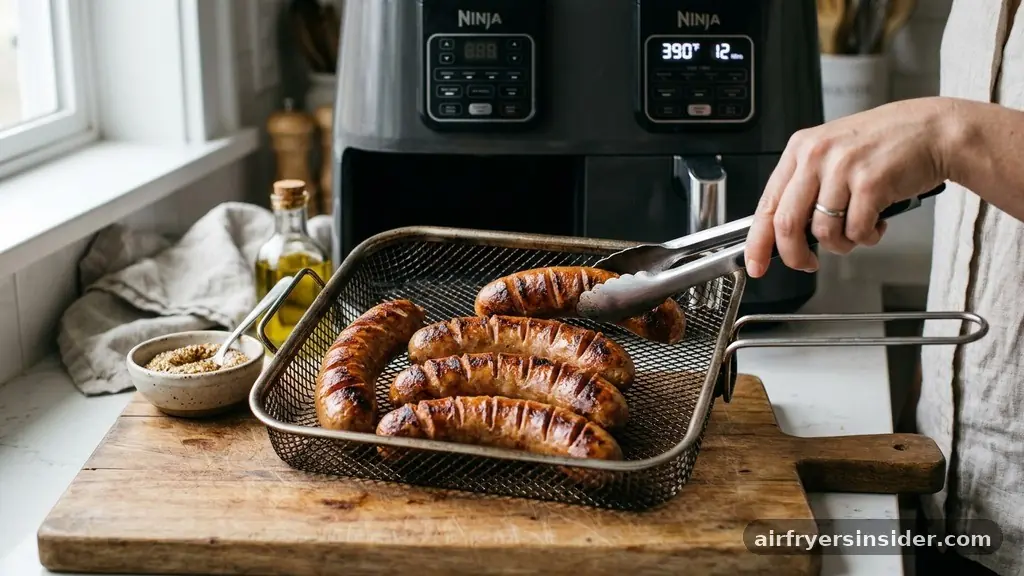
For jumbo or thick-cut sausages, you need to adjust your strategy slightly to ensure the middle is fully heated before the outside burns. These thicker links have more mass, meaning heat takes longer to reach the center. Lowering the cooking temperature by about 10-20 degrees—down to roughly 380°F—allows for a slower, more thorough cook. This prevents the skin from becoming charred while the core of the sausage remains cold or undercooked.
Always place these thicker links in a single layer with plenty of space between them. If you stack them, the air cannot flow freely, leading to uneven cooking where some sides are crispy and others are essentially steamed. If you are dealing with a particularly thick bratwurst or a specialty sausage, consider turning them halfway through the cooking cycle.
This ensures that the bottom of the link, which is often blocked by the rack or basket, receives an equal amount of direct heat exposure.
Toasting the Buns for the Perfect Finish
No hot dog experience is complete without the perfect bun. While the links are finishing up, you can use the remaining heat in the air fryer to toast them. Toasting the Buns for just 60 to 90 seconds creates a warm, slightly crispy exterior that holds up much better against heavy condiments and juicy toppings than a cold, soft bun. A toasted bun adds a textural contrast that elevates the entire meal from a simple snack to a satisfying lunch.
You can lightly brush the inside of the buns with a tiny amount of butter or olive oil before placing them in the basket. This adds a subtle flavor boost and ensures a beautiful golden-brown color. If you are serving a crowd, toast the buns in batches after the meat has finished cooking.
You can place the cooked hot dogs on a warm plate covered with foil to keep them at the right temperature while you finish up the bread.
Creative Topping Ideas and Serving Styles
Once you have mastered the base method, you can experiment with regional styles. The Chicago-style: Top with yellow mustard, neon green relish, chopped white onions, tomato wedges, a pickle spear, sport peppers is a classic for a reason.
The combination of acidic, crunchy, and savory elements perfectly complements the richness of the sausage. If you prefer something different, consider these popular topping combinations:
- Classic Street: Ketchup, yellow mustard, and diced raw onions.
- New York Style: Spicy brown mustard and warm sauerkraut.
- Chili Cheese: A ladle of thick chili and shredded cheddar cheese, melted in the final minute of cooking.
- Bacon Wrapped: Wrap a thin strip of bacon around the hot dog before cooking for an extra layer of savory crunch.
- Slaw Dog: A generous scoop of creamy coleslaw on top for a cooling contrast to the hot meat.
When adding toppings like cheese or chili, be mindful of the air fryer’s fan. If you add loose items like shredded cheese, they may blow around inside the unit. It is best to add cheese during the very last 30 seconds of cooking, just enough to melt it, or simply add it once the hot dog is already in the toasted bun.
Addressing Topical Gaps and Common Mistakes
A common question is whether you should use parchment paper or foil.
While liners can make cleanup easier, they often block the air circulation that makes air frying effective in the first place. Unless you are cooking something particularly messy, it is best to place the hot dogs directly on the tray or basket. If you must use a liner to prevent cheese or sauce from dripping, ensure it is perforated to allow the hot air to continue circulating effectively around the food.
Another gap in many recipes is the lack of mention regarding preheating. While many modern air fryers don’t technically require a long preheat like a traditional oven, running the unit empty for two or three minutes ensures that the chamber is at the correct temperature from the very first second. This is especially important for frozen items, as it helps initiate the browning process immediately.
Don’t skip this step if you are looking for that perfect, crispy skin finish.
Safety and Maintenance Tips
Safety and Maintenance Tips are essential for keeping your appliance working efficiently for years. Since hot dogs can release fat during the cooking process, the bottom of your air fryer basket can accumulate grease over time.
After every use, once the unit has cooled down, wipe out the basket with a damp cloth or wash it with warm, soapy water. If you let the grease build up, it can smoke during future cooking sessions, which will negatively impact the flavor of your food.
Always be cautious when removing the basket. The metal components will be extremely hot, and there may be hot grease accumulated at the bottom. Use silicone-tipped tongs to remove the hot dogs rather than dumping the basket onto a plate, as this prevents splashing and makes it easier to plate your food neatly.
Finally, never overload the basket. Even if you think you can fit an extra link, doing so will impede the airflow and lead to inconsistent results. Stick to a single layer for the best, most uniform performance.
Final Thoughts on Air Fryer Success
Making hot dogs in an air fryer is a reliable way to improve your home cooking without spending extra time in the kitchen.
By focusing on the temperature, ensuring proper airflow, and taking care of your equipment, you can replicate the texture of a grilled sausage with minimal effort. Whether you keep it simple or go all out with creative toppings, this method delivers consistent results that are hard to beat. Try experimenting with different brands or types of sausages to see how they react to the dry heat, and don’t hesitate to adjust your timing to suit your personal preference for char and crispness.
The next time you are looking for a quick, delicious meal, you’ll have the confidence to turn to your air fryer as your primary tool for the job.
Frequently Asked Questions How many minutes does it take to cook hot dogs in an air fryer?
Most standard hot dogs cook in four to six minutes at 400°F. Thicker or jumbo sausages may require seven to nine minutes. Always check for an internal temperature of 145°F to ensure they are safely heated through before serving.
Can I cook hot dogs in the air fryer without the bun?
Yes, you can cook them without the bun.
In fact, many people prefer this as it allows for better air circulation around the entire sausage. You can toast the buns separately at the very end of the cooking process for a better texture.
What should I avoid putting in my air fryer?
Avoid putting loose, lightweight items like bread slices or loose cheese directly in the basket, as they can be blown into the heating element.
Also, avoid using excessive amounts of liquid or heavy batters that can drip and cause smoking or damage the internal fan.
How do I make jumbo hot dogs juicy?
To keep jumbo hot dogs juicy, avoid overcooking them by using a slightly lower temperature, around 380°F. Scoring the casing lightly before cooking helps them heat evenly to the center, preventing the need for longer cook times that might dry out the outer layers.
Meta Description: Learn how to make hot dogs in air fryer with this guide. Get crispy skin, perfect timing, and topping ideas for the best results every time.


