

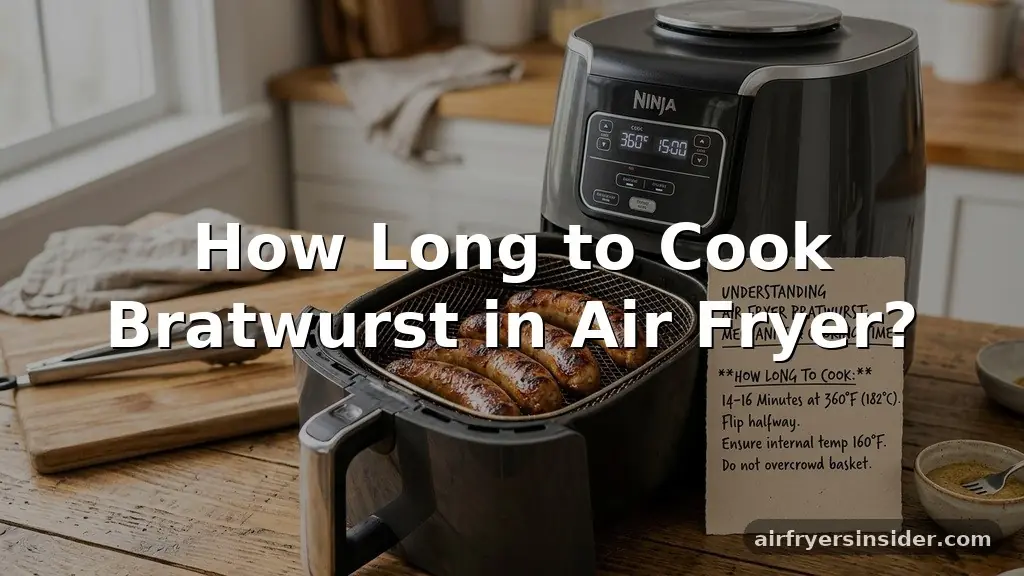
Figuring out how long to cook bratwurst in air fryer setups can be a bit of a guessing game until you get the hang of your specific machine. Unlike traditional grilling, which relies on direct flame, the air fryer uses rapid air technology to circulate heat, creating that signature snap and juicy interior in a fraction of the time.
Whether you are dealing with raw links or reheating pre-cooked varieties, mastering the timing is the secret to avoiding split casings and overdone meat. By understanding the balance of convection heat and proper placement, you can achieve a restaurant-quality meal right in your kitchen without the hassle of charcoal or gas.
Understanding the Mechanics of Air Fryer Bratwurst
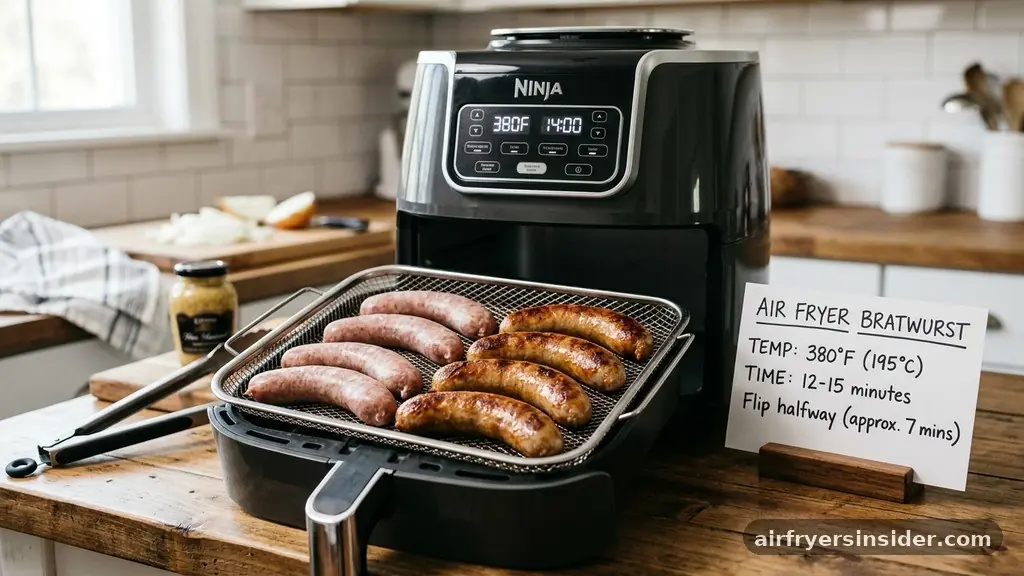
When you cook a bratwurst in an air fryer, you are essentially utilizing a compact, high-powered convection oven. The magic happens because the fan forces hot air around the sausage, which helps develop a mahogany-colored crust while keeping the inside tender. Because the heat is so efficient, you don’t need to babysit the links as you would on a grill.
However, because the environment is so dry and intense, monitoring your timing is critical. If you leave them in for even a few minutes too long, you risk rendering too much fat, which can lead to a drier sausage.
The key to success is knowing how the air circulation works within your specific model. Most air fryers have a heating element at the top, meaning the food closest to the lid will brown significantly faster than the bottom. This is why rotating the brats halfway through the cycle is non-negotiable.
If you skip this step, you will end up with one side that is perfectly charred and another that looks pale and undercooked. Always ensure your sausages are in a single layer to avoid blocking the airflow, as overlapping links will steam rather than sear.
Optimal Cooking Temperatures and Timing
For most standard setups, setting your temperature to 375 degrees Fahrenheit is the sweet spot. At this heat level, the fat renders effectively without causing the casing to burst prematurely. If you prefer a darker, more aggressive sear, you can bump the heat up to 400 degrees Fahrenheit, but you must reduce your cooking time accordingly to prevent the outside from burning before the inside reaches food safety standards.
When dealing with raw bratwurst, you generally need to aim for 12 to 15 minutes of total cook time. For pre-cooked brats, which are already fully processed, you are merely looking to heat them through and crisp the skin, which usually takes about 6 to 8 minutes.
Always keep a close eye on the sausages during the last few minutes of the cycle. Because every air fryer varies slightly in wattage and insulation, your first batch should be treated as a trial run to calibrate your specific machine’s performance.
| Bratwurst Type | Recommended Temp | Estimated Time |
|---|---|---|
| Raw Bratwurst | 375°F | 12-15 Minutes |
| Pre-cooked Brats | 375°F | 6-8 Minutes |
| Frozen Raw Brats | 350°F | 18-20 Minutes |
Preparation Tips for Better Results
Before you even plug in your appliance, there are a few preparation steps that can dramatically improve your outcome. First, consider whether or not to prick the sausage casings.
Some home cooks swear by poking a few small holes with a fork to prevent the brat from exploding, while others argue that this causes a loss of precious juices. If you are worried about splitting, keep the heat at 375 degrees Fahrenheit rather than cranking it to the max; this gentle approach usually keeps the casings intact without needing to puncture them.
Another useful technique is to lightly coat the sausages in a tiny amount of oil. While bratwursts are naturally fatty, a quick brush of neutral oil helps distribute the heat evenly and encourages that crispy skin texture.
You should also ensure the sausages are at room temperature before they hit the basket. If you pull them straight from a cold refrigerator, the exterior will crisp up too quickly while the middle remains lukewarm, forcing you to overcook the outside just to get the center up to temperature.
Managing Food Safety and Internal Temperature
Food safety is the most critical aspect of cooking any pork product. Even when the outside looks perfectly browned, you cannot visually confirm that the meat is safe to eat.
You absolutely need a reliable meat thermometer to verify the final result. The USDA recommends that pork should reach an internal temperature of 160 degrees Fahrenheit to be considered safe.
Using a digital instant-read thermometer is the only way to be certain. Simply insert the probe into the thickest part of the sausage, avoiding any large air pockets. If you find the temperature is below 160 degrees Fahrenheit, put them back in for another two minutes.
Remember that the sausages will continue to cook slightly due to carry-over heat once you remove them from the basket, so you can safely pull them out when they hit roughly 158 degrees Fahrenheit. Relying on your senses rather than guessing is the hallmark of a skilled home chef.
Addressing Common Troubleshooting Issues
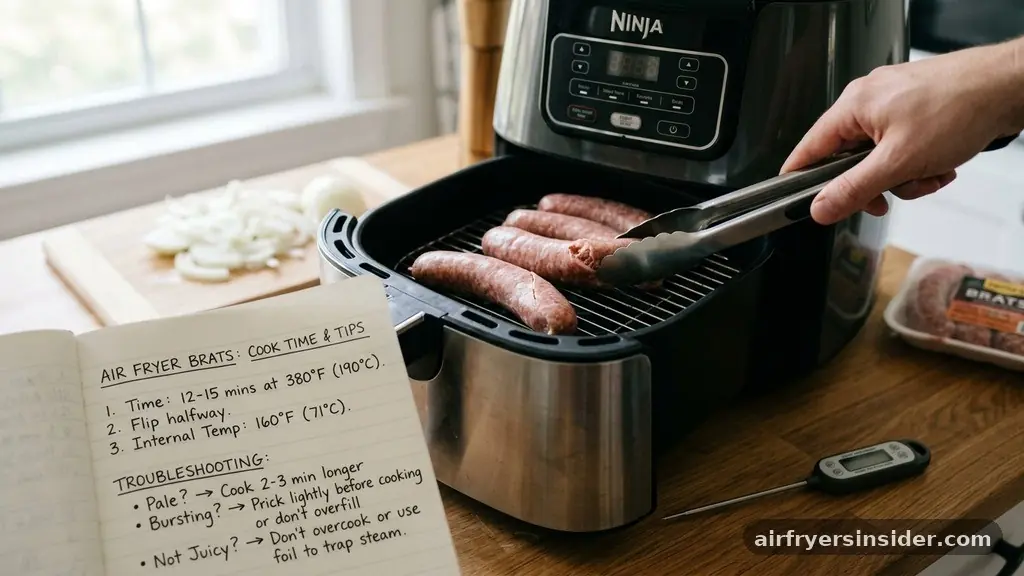
Even with the best intentions, you might run into a few common hurdles when air frying. One frequent complaint is the accumulation of smoke. Because brats are fatty, the rendered fat can drip onto the grease tray at the bottom of the unit.
As the air circulates, this fat can hit the heating element and cause smoke. To fix this, place a small piece of bread or a splash of water in the bottom tray to catch the drips. This simple trick prevents the grease from burning and setting off your smoke alarm.
Another issue is uneven browning. If you notice one side is much darker, it is likely due to the placement of the heating element or the airflow pattern of your specific basket. Always use kitchen tongs to flip the sausages at the halfway point.
If you are cooking a larger batch, avoid stacking them. It is far better to cook in two smaller batches than to try and cram too many links into the machine at once. Proper airflow is the engine that drives the convection heat, and crowding the basket effectively kills that performance.
The Role of Convection Heat in Crisping
The efficiency of an air fryer comes down to how it manages moisture and heat. Unlike a frying pan where the sausage sits in its own fat, the air fryer allows the rendered fat to drain away, which is why the result is often much lighter.
However, this also means the air is constantly stripping moisture from the surface. This is exactly why you get that crispy skin that is so difficult to replicate on a stovetop without deep frying.
To maximize this effect, ensure your basket is completely dry before adding the brats. If you have just washed the basket, the residual water will create steam. Steam is the enemy of a crispy crust.
If you want the best possible texture, pat your sausages dry with a paper towel before putting them in. This removes excess surface moisture, allowing the convection heat to immediately begin searing the casing. The result will be a tighter, more satisfying snap when you bite into the bratwurst.
Comparing Methods: Air Frying vs. Traditional Grilling
Many people wonder if air frying is actually better than grilling. Grilling provides a smoky, charred flavor that an air fryer simply cannot replicate without liquid smoke or specific seasonings.
However, the air fryer wins on convenience and consistency. You don’t have to worry about flare-ups from dripping grease, and you don’t need to stand outside in inclement weather.
If you are looking for that authentic backyard taste, you can combine the two. Some chefs prefer to air fry their brats for about 8 minutes just to get them cooked through, then finish them on a hot grill for a minute per side to add those classic char marks.
This hybrid culinary technique gives you the internal perfection of convection cooking with the visual and flavor appeal of the grill. It is a fantastic way to handle large batches for a party where you want the speed of the air fryer but the presentation of a traditional barbecue.
Answering Topical Gaps: Variations and Add-ins
A common question that often goes unanswered is how to incorporate vegetables alongside the bratwurst. You can absolutely cook peppers and onions in the same basket, but you must consider the timing. Peppers and onions cook much faster than sausage.
To do this properly, start your brats first. Once they have about 8 minutes left, toss in your sliced vegetables. This ensures that everything finishes at the same time.
Another gap involves the use of marinades. Because of the high heat and airflow, sugary marinades will burn very quickly in an air fryer. If you want to marinate your brats, do it well in advance, but wipe off the excess before cooking.
If you want to add flavor, consider using a dry rub instead. A mix of paprika, garlic powder, and brown sugar works beautifully, provided the sugar content is low enough to prevent burning. If you really want that liquid flavor, wait until the brats are fully cooked, then toss them in a bowl with your sauce of choice before serving.
Frequently Asked Questions
Do I need to poke holes in bratwurst before air frying?
It is generally not necessary to poke holes in your bratwurst. While some people do it to prevent splitting, keeping the temperature steady at 375 degrees Fahrenheit is usually enough to keep the casings intact. If you are worried about them bursting, poke just one small hole.
Can I cook frozen raw bratwurst directly in the air fryer?
Yes, you can cook them from frozen, but you must adjust your timing and temperature. Lower the heat to 350 degrees Fahrenheit and increase the cooking time to about 18 to 20 minutes. Always use a meat thermometer to ensure they reach the safe internal temperature of 160 degrees Fahrenheit.
How do I stop the air fryer from smoking when cooking brats?
Bratwursts are high in fat, and when that fat hits the hot heating element, it creates smoke. To prevent this, add a small amount of water or a slice of bread to the grease tray at the bottom of your air fryer to absorb the dripping fat.
Is it better to boil brats before air frying?
Boiling is a classic method to ensure the inside is cooked, but it is not required for air frying. Air frying is efficient enough to cook raw bratwurst through completely. Boiling beforehand can sometimes make the casing mushy, which prevents it from getting that desirable, crisp snap.
Final Thoughts on Perfecting Your Air Fryer Brats
Mastering the process of cooking bratwurst in an air fryer is all about balancing the high-speed convection heat with the internal needs of the meat. By keeping your temperature consistent, ensuring proper airflow, and utilizing a reliable thermometer, you can produce sausages that are juicy on the inside and perfectly browned on the outside every single time.
Don’t be afraid to experiment with your timing based on your specific machine, as those few minutes of observation can make all the difference. Now that you have the fundamentals down, grab a pack of your favorite links and put these techniques to the test for your next quick, satisfying meal.
Meta Description: Learn exactly how long to cook bratwurst in air fryer for juicy, crispy results every time. Follow our expert tips for perfect timing and food safety.


