

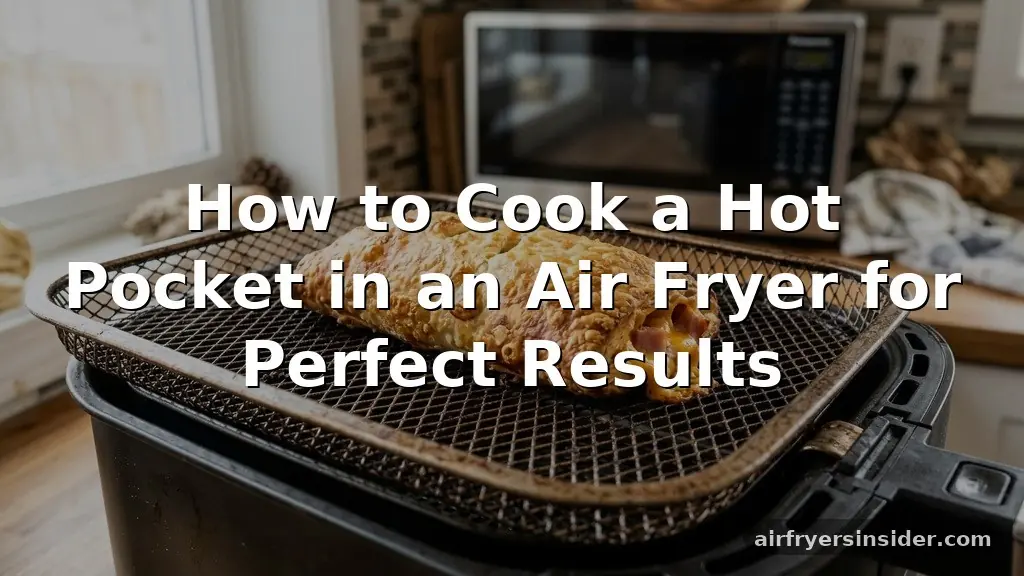
Learning how to cook a hot pocket in an air fryer is a complete game-changer for anyone who loves these quick snacks but hates the soggy results often produced by a microwave. By utilizing the intense, circulating heat of an air fryer, you can achieve a perfectly golden, flaky crust that mimics a traditional oven without the long wait times.
This method transforms a standard convenience meal into something far more satisfying, providing that crunch we all crave. Mastering this technique ensures your snack food reaches its full potential, turning a routine lunch or late-night bite into a genuinely enjoyable experience.
Why the Air Fryer Outperforms the Microwave
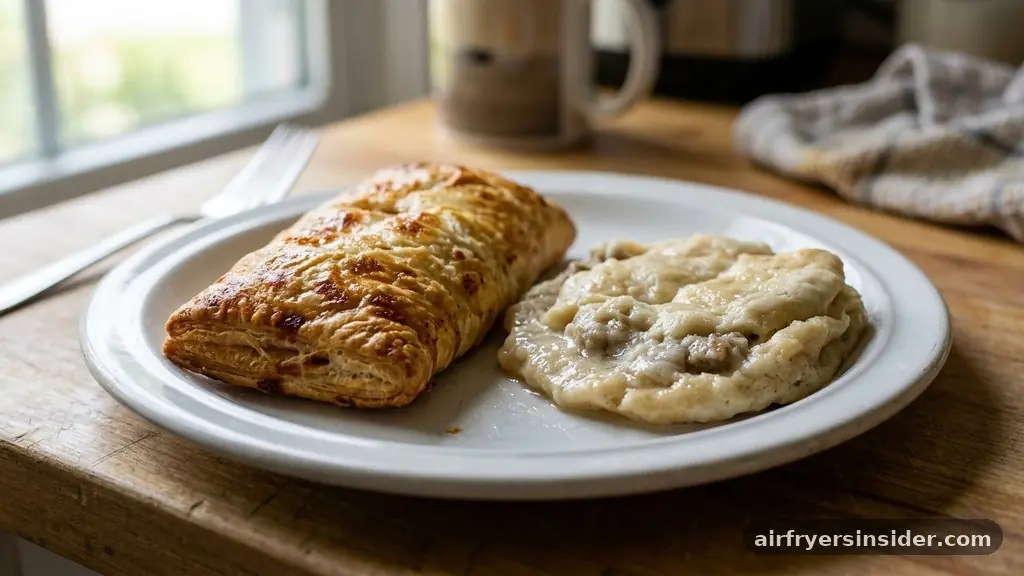
When you compare cooking methods for frozen snacks, the microwave often falls short by leaving the pastry soft, limp, or unevenly heated. The primary reason for this failure is the lack of dry heat. Microwaves work by vibrating water molecules within the food, which effectively steams the interior from the inside out.
While this is fast, it turns your breaded crust into a rubbery mess. In contrast, an air fryer functions like a compact convection oven, using rapid air technology to blast the exterior with hot, dry air.
This process is critical for achieving a crispy texture that you simply cannot get with microwave radiation. Because the air circulates around the entire snack, it ensures that the heat is applied consistently to the top, bottom, and sides.
This prevents the “cold center, molten edges” phenomenon that frequent Hot Pocket eaters know all too well. By switching to an air fryer, you are prioritizing quality and food texture over the mere speed of a microwave, though you sacrifice only a few extra minutes in the process.
Preparing Your Air Fryer for Success
Before you even think about tossing your frozen snack into the basket, you need to consider the state of your kitchen appliance. Most air fryers benefit significantly from a brief preheating period.
While some modern models claim to be ready instantly, running the machine empty for three to five minutes at the desired temperature creates a stable heat environment. This ensures that the moment your food hits the basket, the cooking process begins immediately, which is essential for getting that initial sear on the dough.
You should also decide whether to use a liner. While many people prefer using parchment paper for easy cleanup, it is important to note that it can sometimes interfere with the air circulation if it covers the entire bottom of the basket. If you use paper, make sure it is perforated to allow the air to flow freely.
Alternatively, a light misting of oil spray on the basket can prevent sticking without compromising the efficiency of the convection currents. Proper preparation is the foundation of a successful snack-making session.
Ideal Temperature and Timing Settings
Cooking a hot pocket in an air fryer requires a balance between heat intensity and duration. If the temperature is too high, the outside will burn before the interior has a chance to thaw and melt. If it is too low, the crust will remain pale and potentially oily.
For most standard frozen pastries, a temperature of 350°F (175°C) to 375°F (190°C) is the sweet spot. This range provides enough heat to crisp the exterior while allowing the internal fillings—whether it is pepperoni pizza or ham and cheese—to reach a safe, piping hot state.
The timing generally falls between 10 and 15 minutes, depending on the specific wattage of your air fryer and whether you are cooking one or two items. Smaller units with powerful fans might cook faster, while larger ovens might need a minute or two extra. Always keep a close eye on the process during your first attempt.
You are looking for a deep, golden brown color on the surface. If you notice the crust getting dark too quickly, don’t hesitate to drop the temperature by 25 degrees for the final few minutes of the cycle.
The Role of the Crisping Sleeve
One of the most debated topics among fans is whether to keep the silver crisping sleeve on while using the air fryer. The sleeve is designed specifically for microwave use, where it acts as a susceptor to absorb microwave energy and convert it into direct heat to brown the crust.
In an air fryer, this sleeve is entirely unnecessary and, frankly, counterproductive. The air fryer provides its own superior form of heat, and the paper sleeve acts as an insulator, blocking the hot air from reaching the bottom of the pastry.
You should remove the sleeve entirely before placing the food in the basket. By removing this barrier, you allow the circulating air to hit every square inch of the frozen pastry. This results in an even, uniform crispiness that the sleeve could never achieve in a microwave.
If you find that the bottom is still not as crispy as the top, you can flip the item halfway through the cooking time, but the sleeve should stay in the trash. Using it in the air fryer is a relic of old-school microwave habits that you should leave behind.
Managing Multiple Hot Pockets
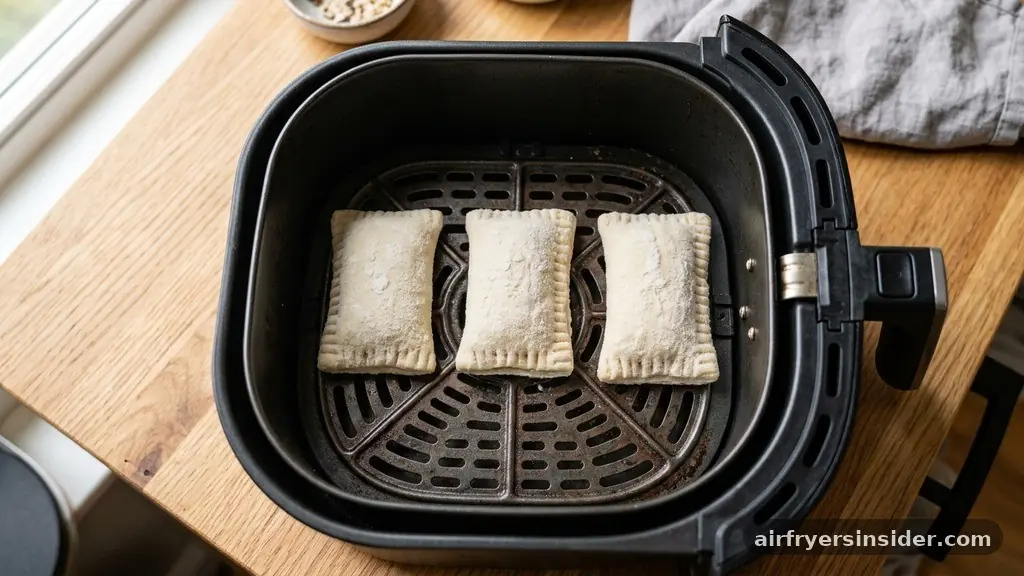
Batch cooking is a common necessity when you are feeding more than just yourself. However, crowding the basket is the fastest way to ruin the quality of your food. Air fryers rely on the free movement of air to cook efficiently.
If you stack items on top of each other or pack them too tightly, the air cannot reach the sides of the pastries, leading to steamed, soggy spots. Always arrange your food in a single layer with at least half an inch of space between each piece.
If you have a large family or a group of friends, it is better to cook in multiple small batches rather than trying to cram everything in at once. While it might seem like it takes longer, the consistency of the final product is worth the wait.
If you do need to cook a larger quantity, consider investing in a tiered rack that fits inside your air fryer basket. This accessory allows you to double your cooking capacity while still maintaining the airflow necessary for that perfect, golden brown finish.
Ensuring Food Safety and Internal Temperature
Food safety is just as important with frozen convenience items as it is with raw meat. Because these snacks contain cheese, sauces, and various meats, they must reach a proper internal temperature to be considered safe and palatable.
A good rule of thumb is to ensure the center reaches at least 165°F (74°C). While most people simply rely on touch or visual cues, using an instant-read meat thermometer is the only way to be 100% certain that the center is thoroughly heated.
If you find that the exterior is perfectly crisp but the center is still cold, you have likely encountered a common issue with frozen-to-crispy cooking. To avoid this, consider letting the food sit on the counter for five minutes before cooking to take the edge off the deep freeze.
Alternatively, you can lower the heat and increase the time, which allows the ambient heat to penetrate deeper into the filling before the crust sets too firmly. Always prioritize safety; consuming lukewarm, undercooked processed meat is a quick way to turn a convenient snack into a health hazard.
Comparing Cooking Methods
To understand why the air fryer is the preferred method for many, it helps to look at how it stacks up against traditional kitchen appliances. Each method has distinct characteristics that affect the outcome.
| Method | Crust Texture | Cooking Speed | Ease of Use |
|---|---|---|---|
| Microwave | Soft/Soggy | Very Fast | High |
| Oven | Crispy | Very Slow | Moderate |
| Air Fryer | Golden Brown/Crispy | Moderate | High |
As shown in the table, the air fryer sits in the middle regarding speed but provides the best texture. The oven takes significantly longer because it has to preheat a large cavity, whereas the air fryer is efficient and focused.
The microwave is the fastest but loses the battle on quality every single time. For those who value their time but refuse to eat soggy bread, the air fryer is the clear winner.
Addressing Common Topical Gaps
Many users often wonder if they can cook multiple flavors at the same time. The answer is yes, provided they have similar cooking requirements.
A pepperoni pizza pocket and a ham and cheese pocket generally have the same dough density and filling composition, so they will cook at the same rate. However, avoid mixing a frozen snack with something that has a significantly different moisture content or thickness, as one will likely be overcooked by the time the other is ready.
Another common question involves the use of oil. Do you need to add oil to a frozen pastry? Generally, no.
Most frozen snacks are manufactured with enough fat in the crust to crisp up nicely on their own. Adding extra oil can sometimes lead to a greasy result rather than a crispy one.
If you feel the need to use oil for extra crunch, use a high-smoke-point oil in a light misting spray. Avoid heavy brushing, which can pool in the crevices of the pastry and create unappealing, oily spots that ruin the overall experience.
Troubleshooting Your Cooking Process
Even with the best instructions, sometimes things go wrong. If you find your crust is breaking apart, it might be due to the quality of the frozen item or the way it was handled straight from the freezer. If the crust is cracking, try lowering the temperature and extending the time to allow the dough to firm up more gradually.
If you are experiencing uneven browning, check your air fryer basket for obstructions. Some models have heating elements that are more powerful on one side; rotating the basket or the items themselves halfway through can rectify this issue entirely.
Finally, if you find that your food is drying out, you might be cooking it for too long. Frozen snacks are essentially pre-cooked, so you are really just reheating and crisping. Once the golden brown color is achieved, pull them out.
There is no benefit to leaving them in for “just a few more minutes.” Trust your eyes and your timer. With a little bit of practice, you will find the perfect rhythm for your specific machine, and you will never go back to the microwave-induced sogginess of the past.
FAQ
How long do I cook a hot pocket in an air fryer?
Typically, you should cook them for 10 to 15 minutes at 350°F or 375°F. The exact time depends on your specific air fryer model and how many you are cooking at once. Always check for a golden brown color and ensure the center is piping hot.
Can I cook frozen hot pockets directly in the air fryer?
Yes, you should cook them straight from the freezer. There is no need to thaw them beforehand. In fact, cooking them from frozen is preferred because it allows the crust to crisp up perfectly while the interior filling heats through without the pastry becoming mushy.
Are hot pockets better in the air fryer or microwave?
The air fryer is significantly better for texture. While the microwave is faster, it leaves the crust soft and soggy. The air fryer uses rapid air circulation to create a crispy, golden brown exterior that is much closer to a traditional oven-baked result.
Should I use the silver crisping sleeve in the air fryer?
No, you should remove the silver crisping sleeve before cooking. The sleeve is designed specifically for microwaves to help brown the crust. In an air fryer, it acts as a barrier that prevents hot air from circulating around the bottom of the pastry, leading to uneven cooking.
Conclusion
Mastering the process of cooking a hot pocket in an air fryer is a simple but effective way to upgrade a standard convenience meal. By ditching the microwave and embracing the power of convection heat, you can enjoy a snack that actually tastes like it was prepared in an oven. Remember to preheat your unit, remove the crisping sleeve, and give your food enough space to let the air circulate properly.
These small adjustments lead to a much more satisfying result, providing that signature crunch that makes these snacks so popular. Experimenting with your specific air fryer settings will help you find the perfect timing for your favorite flavors. Start with these tips today and enjoy a better, crispier lunch whenever you need a quick bite.


