

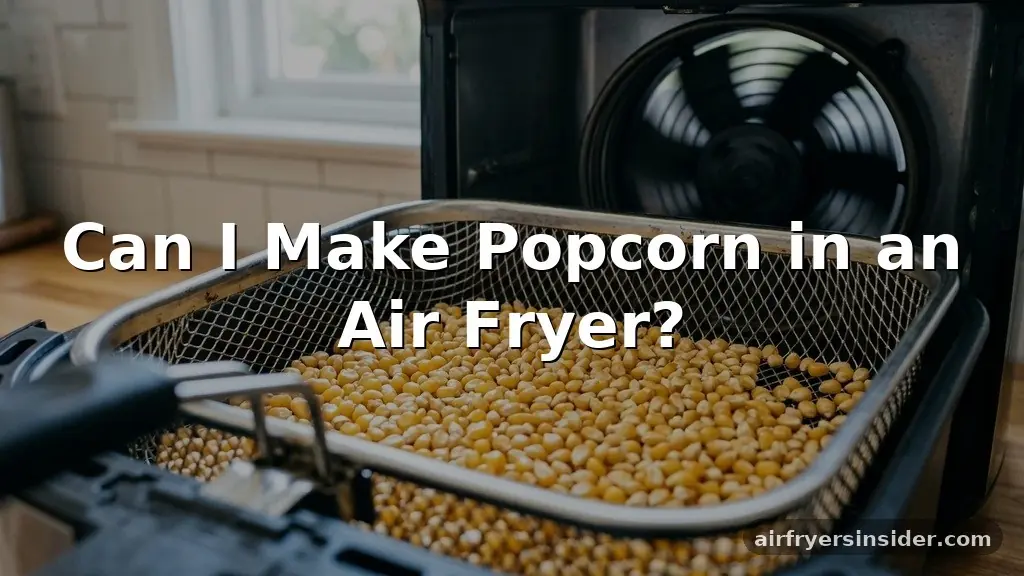
Deciding whether you can make popcorn in an air fryer is a common question for home cooks looking to streamline their kitchen routine. While these versatile appliances excel at crisping vegetables and roasting meats, popping corn requires a specific set of conditions that differ from standard convection cooking.
If you have been wondering if you can make popcorn in an air fryer without causing a kitchen disaster, the short answer is that while it is technically possible, it comes with significant safety and performance caveats. Understanding how your appliance handles light, loose ingredients is the key to successfully preparing this snack without damaging your machine.
The Mechanics of Air Fryer Popcorn
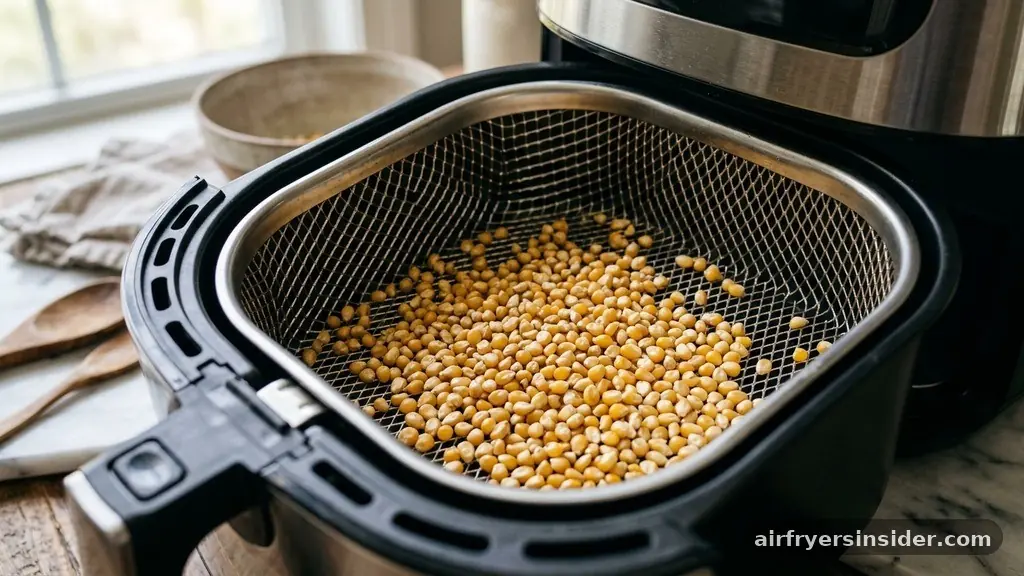
At its core, an air fryer is a compact convection oven. It uses a powerful heating element located above the food, combined with a high-speed fan that forces hot air to circulate rapidly around the cooking chamber.
When you place a single layer of items in the air fryer basket, this rapid air technology creates an even, crispy finish. However, popcorn kernels are unique because they are dense, small, and prone to becoming airborne before they reach the temperature required to pop.
When you introduce popcorn kernels to this environment, the fan velocity can be problematic. Unlike heavy chicken wings or thick potato wedges, kernels are light enough to be lifted by the airflow. If a kernel gets caught in the fan or hits the heating element, it can cause smoke, a burnt taste, or even a fire hazard.
Achieving the perfect pop requires balancing the intensity of the heat with the physical constraints of the basket. Most air fryers are not designed to keep loose, lightweight items contained during the violent popping process, which is why many manufacturers advise against it.
Addressing Kitchen Appliance Safety
When you consider whether you can make popcorn in an air fryer, you must prioritize the integrity of your equipment. The most significant risk involves the heating element.
If a kernel is light enough to be blown upward by the fan, it can lodge itself against the hot coils. This not only creates an immediate fire hazard but can also cause scorched kernels that leave a lingering, acrid smell in your appliance for weeks.
Kitchen appliance safety dictates that you should never operate a device in a way that risks damaging its internal components. Because air fryers are not equipped with fine-mesh lids that can withstand the force of a popping kernel, the potential for mechanical failure is high.
If you are determined to experiment, you must ensure that the kernels remain at the bottom of the basket. Using a weighted barrier or a specialized accessory is often necessary to prevent the kernels from becoming projectiles that could damage the fan or the heating element.
Managing Air Circulation and Kernel Containment
The success of popcorn depends on consistent, intense heat, but the air fryer’s primary strength—powerful circulation—is actually the biggest challenge when popping corn. To keep the kernels contained, you might be tempted to use aluminum foil or parchment paper. While these materials can help keep the basket clean, they often interfere with the very airflow that makes the air fryer effective.
If you use aluminum foil, you must be extremely careful. Do not cover the entire bottom of the basket, as this disrupts the hot air circulation needed to cook the corn evenly.
Instead, use a smaller piece or a specifically designed air fryer tray that allows air to pass through while keeping the kernels from falling through the holes in the basket. Even with these modifications, you are essentially trying to force an appliance to perform a task it was not engineered to do, which often results in a lower yield of popped kernels compared to the traditional stovetop method.
Comparing Methods for Optimal Snacking
To understand why the stovetop or microwave methods remain superior, it helps to look at how each technique treats the kernel. The table below compares the standard approaches to snack preparation.
| Method | Heat Source | Pop Consistency | Safety Profile |
|---|---|---|---|
| Stovetop | Direct Conductive | High | Safe |
| Air Fryer | Convective Heat | Low | Risk of Fire/Damage |
| Microwave | Electromagnetic | Medium | Variable |
As you can see, the stovetop method remains the gold standard for yield and safety. The air fryer creates a high-risk environment where the chance of producing unpopped kernels is high, and the risk of damaging the heating element is non-zero. While the idea of oil-free snacking is appealing, the physical mechanics of the air fryer are simply not optimized for popcorn.
Techniques for Minimizing Burnt Taste
If you decide to proceed, managing the temperature and time is critical to avoiding a burnt taste. Air fryers operate at higher temperatures than a standard popcorn popper.
If the heat is too intense, the outer shell of the kernel will scorch before the inside has a chance to expand and pop. This leads to a bitter, unpleasant flavor that ruins the snack.
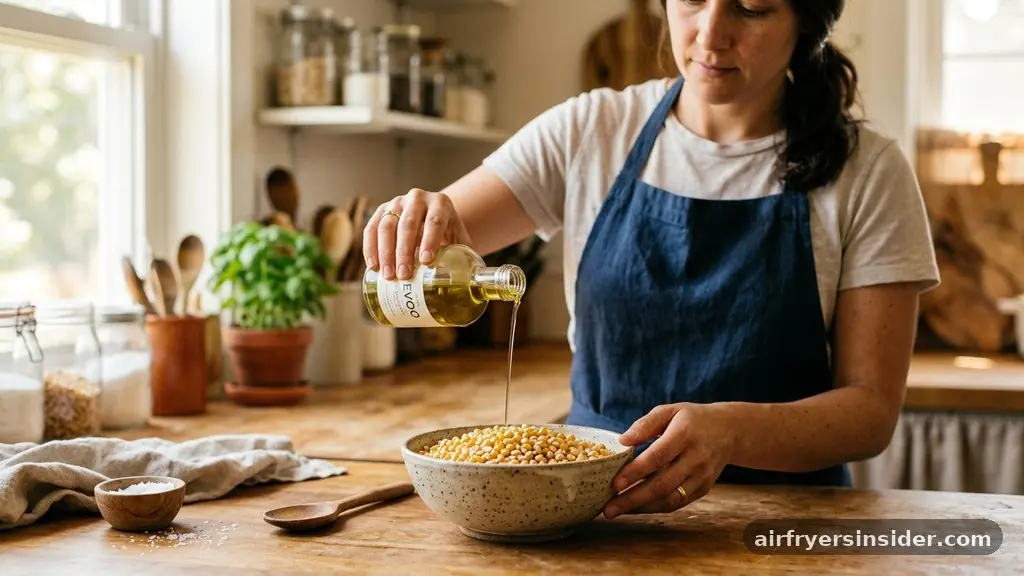
To reduce the risk of burning, some enthusiasts recommend using a high smoke point oil, such as avocado oil or coconut oil, to lightly coat the kernels. This can help conduct heat more efficiently, potentially allowing the kernel to pop faster before the air fryer’s fan has a chance to blow it into the heating element.
However, even with oil, the timing is incredibly narrow. You are looking at a window of just a few seconds between perfectly popped corn and a batch of scorched, inedible kernels.
The Role of Convective Heat in Snacking
Convective heat is fantastic for dehydrating or roasting, but it is less effective for the rapid, explosive heating required for popcorn. In a traditional popper, the kernels are held in a confined space where they are heated evenly from the bottom.
In an air fryer, the heat is applied from the top down, and the air is constantly moving. This inconsistency means that some kernels may reach the popping point while others remain cool, leading to a high ratio of unpopped kernels.
Furthermore, the rapid air technology is designed to move moisture away from food to create crispiness. Popcorn, however, requires the moisture inside the kernel to turn into steam and pressure-cook the starch.
By stripping away that moisture too quickly, the air fryer can actually produce tougher, chewier popcorn rather than the light, fluffy texture most people enjoy. If you find yourself with a pile of unpopped kernels, it is likely because the heat was not concentrated enough to build the necessary internal pressure.
Addressing Topical Gaps: Can You Use Microwave Bags?
A common question involves using store-bought microwave popcorn bags in an air fryer. It is important to be clear: you should never place a standard microwave popcorn bag inside an air fryer.
These bags are engineered to react specifically to microwave radiation, which excites water molecules within the kernels. They are not designed to withstand the direct, high-velocity hot air of an air fryer.
The paper material can easily catch fire when exposed to the heating element, and the metalized film inside the bag can cause electrical arcing. Furthermore, the size of most microwave bags prevents them from fitting properly in the air fryer basket, leading to blocked airflow and potential overheating of the unit. For your safety, stick to loose kernels if you are determined to test the air fryer, and avoid all pre-packaged microwave products.
The Reality of Oil-Free Snacking
Many people turn to the air fryer because they want a healthier, oil-free snacking experience. While air-popped corn is indeed a healthy whole grain, you do not need an air fryer to achieve this. A simple air-popper machine is specifically designed for this purpose and uses a focused jet of hot air to pop kernels without the risk of damaging your equipment.
If you are committed to the idea of a healthier snack, consider the long-term cost of potentially damaging your air fryer. The cost of replacing a heating element or even an entire unit far outweighs the health benefits of avoiding a tablespoon of oil.
If you want delicious, buttered popcorn, it is far more efficient to use a pot on the stove with a small amount of coconut oil. You get better results, more consistent popping, and you keep your expensive kitchen appliance in perfect working order.
Developing a Sustainable Snacking Routine
When you look at the total effort required to make popcorn in an air fryer, it becomes clear that it is more of a novelty than a practical daily habit. The time spent cleaning the basket, the constant monitoring for flying kernels, and the risk of burning the snack make it a less-than-ideal method. If you value your time and your kitchen tools, the best approach is to reserve your air fryer for tasks it handles with ease, such as roasting vegetables or reheating leftovers.
By keeping your snack preparation simple and using tools intended for the job, you ensure that your popcorn is consistently good. If you find yourself craving a snack, consider the stovetop method for a reliable, safe, and delicious result. It allows you to control the heat, add your favorite seasonings, and enjoy the process without the stress of potential fire hazards or equipment damage.
Frequently Asked Questions
Is it safe to put loose popcorn kernels in an air fryer?
It is generally discouraged. The high-velocity fan can blow kernels into the heating element, which can cause smoke, a burnt smell, and potential fire hazards. Most manufacturers advise against it because the air fryer is not designed to contain small, lightweight items during the popping process.
Why does my popcorn taste burnt when using an air fryer?
The burnt taste occurs because the air fryer’s heating element is very close to the food. If a kernel touches the element or is subjected to extremely high heat, it will scorch before it fully pops. The rapid airflow also strips moisture too quickly, leading to an unpleasant, bitter result.
Can I use parchment paper to keep kernels in the basket?
You can use parchment paper, but it is risky. The fan can lift the paper and blow it into the heating element, which is a major fire hazard. If you use it, you must ensure it is weighed down securely by the kernels, though this often restricts the airflow needed for even cooking.
What is the best alternative to air fryer popcorn?
The best alternative is the traditional stovetop method using a heavy-bottomed pot. This allows for even heat distribution, prevents kernels from flying around, and results in a high yield of perfectly popped corn. It is safer, faster, and produces a better texture than an air fryer.
Conclusion
While the desire to maximize your kitchen gadgets is understandable, knowing when to stop is a mark of a savvy home cook. The question of whether you can make popcorn in an air fryer has a clear answer: while you can physically place kernels inside, the risks to your safety and your appliance are simply not worth the effort. The mechanics of convective heat and high-speed fans are fundamentally at odds with the needs of a popping corn kernel.
By avoiding this experiment, you protect your equipment and ensure that your snacks remain delicious rather than scorched. Stick to tried-and-true methods like the stovetop or a dedicated air popper for your next movie night.
You will save time, avoid the mess, and enjoy a much higher quality bowl of popcorn. If you have any favorite seasoning combinations for your stovetop popcorn, feel free to share them and keep your kitchen routines efficient and safe.
Meta Description: Can I make popcorn in an air fryer? Learn about the safety risks, potential for fire hazards, and why traditional methods remain the best choice.


