

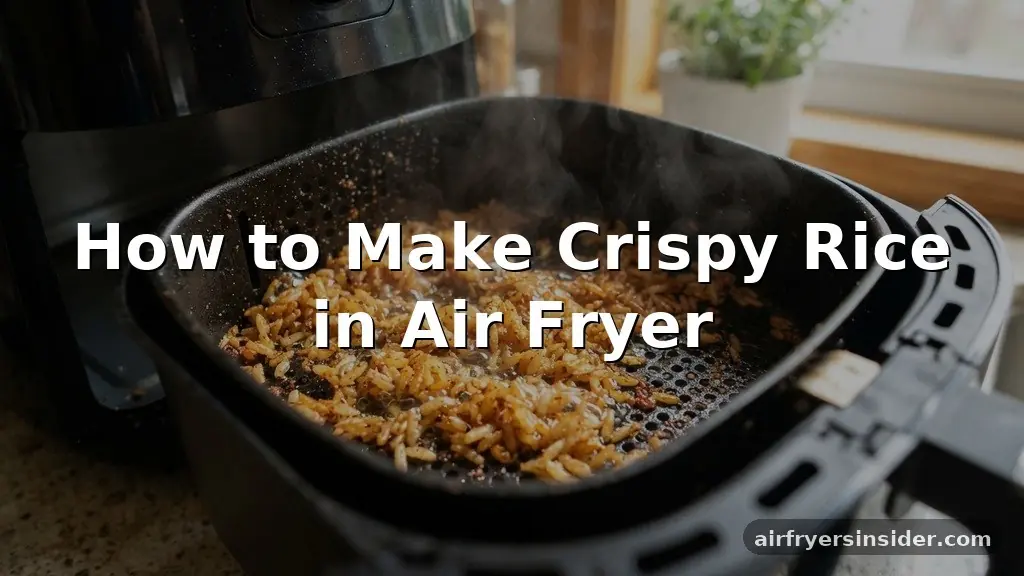
Transforming plain, leftover grains into a crunchy, golden-brown snack is easier than most people realize. When you learn how to make crispy rice in air fryer setups, you unlock a versatile base for everything from savory snacks to elaborate appetizers. The process relies on rapid air technology to pull moisture from the surface of each grain, creating a satisfying crunch that is difficult to achieve with traditional pan-frying.
By mastering the right temperature and oil balance, you can turn humble leftovers into a restaurant-quality dish in just a few minutes. Whether you are aiming for spicy tuna toppings or a simple seasoned treat, this method ensures perfect results every time.
Understanding the Science of Air Fried Rice
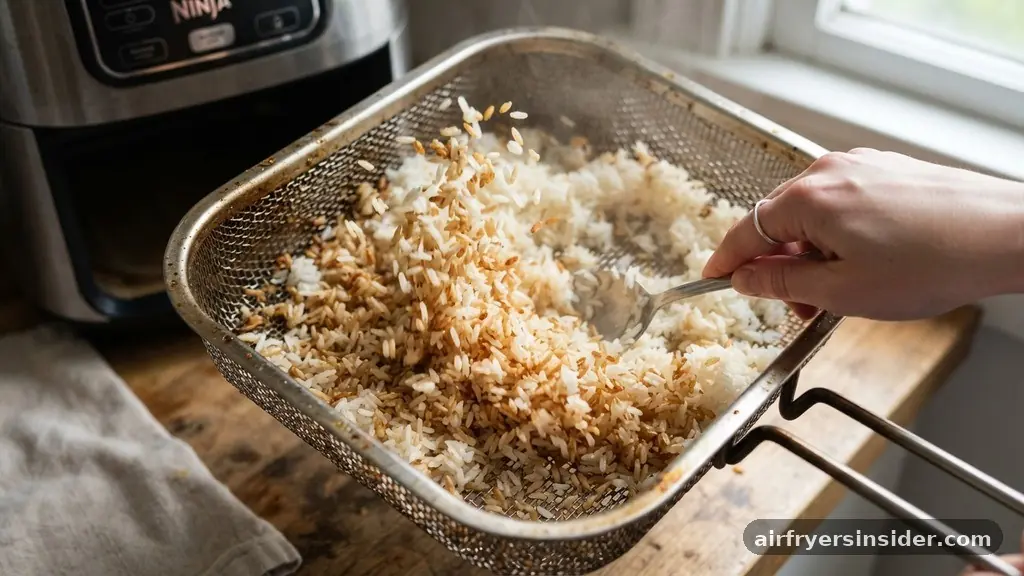
Achieving that signature golden brown texture isn’t just about heat; it’s about physics. When you place rice into an air fryer basket, the goal is to trigger the Maillard reaction, the chemical process that browns food and enhances flavor. In a traditional skillet, rice often steams because of trapped moisture.
An air fryer, however, uses a powerful fan to move superheated air around the food, effectively dehydrating the exterior while keeping the inside tender. This moisture content reduction is the secret to a successful snack.
The type of grain you choose plays a significant role in the outcome. Leftover jasmine rice is widely considered the gold standard because its natural starch profile encourages a beautiful crunch without becoming overly brittle. If you use freshly cooked rice, the high water content will cause it to turn into a soggy mess rather than a crispy bite.
Always spread your rice out in a single, thin layer to ensure proper heat circulation. If the grains are piled too high, the air cannot reach the bottom layers, leading to uneven texture and soft spots.
Selecting the Right Oil and Seasoning
The fat you choose acts as a conductor for heat, ensuring the rice crisps evenly rather than simply drying out. Using an oil with a high smoke point is essential, as the air fryer can reach temperatures up to 400°F (200°C). Avocado oil is an excellent choice due to its neutral flavor and ability to withstand high temperatures without burning. If you prefer a nuttier profile, a light drizzle of sesame oil works well, but be careful, as its lower smoke point means it should be added toward the end of the cooking process or mixed with a more stable oil.
Seasoning is where you can truly customize your crispy rice bites. A simple seasoning blend of salt, garlic powder, and a dash of smoked paprika provides a classic savory profile. For those who enjoy an Asian-inspired twist, a light toss with soy sauce before cooking adds depth, though you must be cautious with the amount.
Too much liquid will rehydrate the rice and ruin the crispiness you’ve worked so hard to achieve. Stick to dry spices or very concentrated sauces to keep the surface of the grains ready for the high-heat blast.
Preparation Techniques for Optimal Results
Before you even turn on your machine, the preparation of the rice is paramount. Start by fluffing the cold, refrigerated rice with a rice paddle to break up any large clumps.
You want individual rice grain separation so that every single piece of rice gets exposed to the hot air. If the rice is stuck together in a dense block, the interior of that block will remain chewy while the edges burn.
Some recipes suggest a light cornstarch coating if you want an extra-thick, tempura-like crunch. To do this, toss the cold rice in a bowl with a tablespoon of cornstarch and a teaspoon of oil until every grain is lightly dusted.
This creates a barrier that turns into an incredibly satisfying, glass-like shell once it hits the air fryer. If you prefer a more natural, rustic crunch, you can skip the starch, but keep the oil application consistent using a high-quality cooking spray.
Managing Air Frying Time and Temperature
The air frying time is the most critical variable in your success. Most appliances require between 10 and 15 minutes at 375°F or 400°F to reach the desired level of crispness.
However, because every air fryer varies in power, you should always start checking your food at the 8-minute mark. Shake the air fryer basket vigorously every 3 to 4 minutes to ensure that the rice moves around, allowing the hot air to hit all sides of the grains.
To monitor your progress, look for the visual cues of browning. The rice should shift from white to a deep, golden-brown hue.
If you are aiming for rice cakes—where the grains are pressed together into a patty—you will need to use a mold or a small ramekin and increase the time slightly to account for the thickness of the block. Below is a quick reference table for different texture goals when air frying your rice.
| Goal | Temperature | Estimated Time |
|---|---|---|
| Lightly Crisped Grains | 375°F | 8-10 Minutes |
| Deep Golden Crunch | 400°F | 12-15 Minutes |
| Crispy Rice Cakes | 390°F | 15-18 Minutes |
Utilizing Parchment Paper and Liners
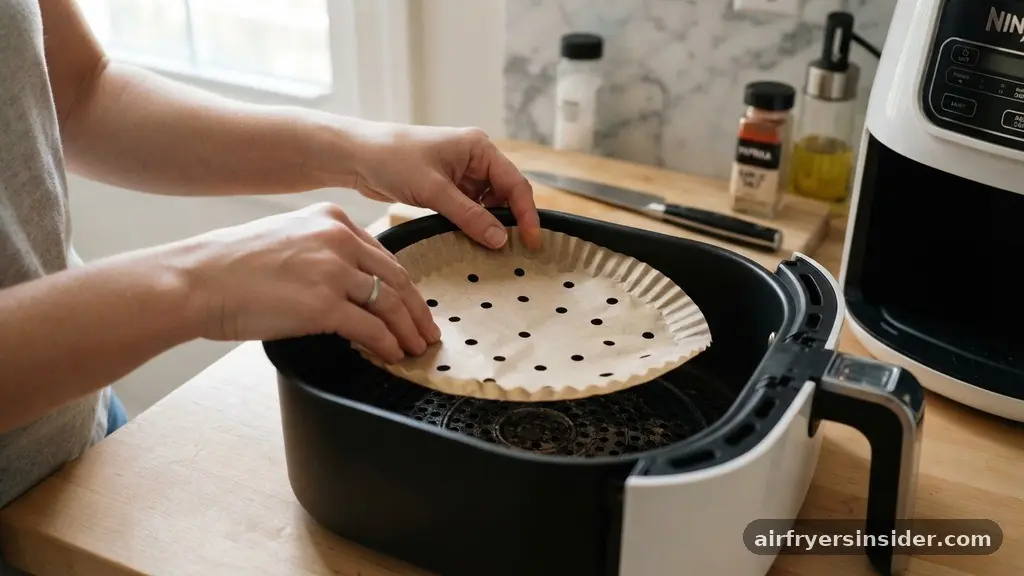
One of the biggest frustrations when learning how to make crispy rice in air fryer units is the cleanup. Rice grains are small and can easily fall through the holes of the basket, leading to burning and smoke. Using a parchment paper liner designed for air fryers is a pro move that keeps the basket clean while ensuring the rice stays in place.
If you don’t have perforated parchment, you can cut your own, but ensure you leave enough space around the edges for the air to flow upwards. Without that airflow, you lose the primary benefit of the air fryer.
Some people worry that liners prevent crisping, but as long as you don’t overcrowd the paper, the heat will still effectively toast the rice. If you are making crispy rice bites that are held together in a mound, the liner is practically essential to prevent the rice from sticking to the metal mesh.
Addressing Topical Gaps: Parboiled vs. Leftover Rice
A common question among home cooks is whether you can use parboiled rice or if you are strictly limited to standard white leftovers. Parboiled rice has a firmer texture and a higher resistance to becoming mushy, which actually makes it quite interesting for air frying.
While it may not puff up exactly like jasmine rice, it offers a distinct, nuttier chew that holds up well under high heat. If you use parboiled rice, you may need to increase your oil slightly, as it tends to be drier by nature.
Another gap in common knowledge is how to handle the internal temperature of the rice. While rice doesn’t have a safety threshold like chicken, you want the center of your rice cakes or clusters to be hot enough to melt any added seasonings or fats.
If you are making a crispy rice salad, you want the rice to be cool enough to not wilt your greens, but warm enough to have that fresh, toasted aroma. Aim for a center temp of around 165°F to ensure the texture is consistent throughout the entire bite.
Creative Culinary Applications
Once you have mastered the basic technique, you can branch out into more complex dishes. The most famous application is undoubtedly the spicy tuna topping served over a crispy rice cake.
To replicate this, mold your seasoned rice into small rectangles, air fry them until they are rock-hard on the outside, and then top them with a mixture of diced sashimi-grade tuna, spicy mayo, and scallions. The texture contrast between the piping hot, crunchy rice and the cool, creamy fish is what makes this dish a staple in modern fusion cuisine.
Another excellent use is a crispy rice salad. By air frying your rice until it is almost like a puffed cereal, you can toss it into a bowl with fresh herbs, lime juice, chili flakes, and toasted peanuts.
The rice acts as a crunchy crouton that provides a superior mouthfeel compared to bread. You can also experiment with different grains; while rice is the traditional choice, quinoa or farro can also be air-fried using this same method for a nutrient-dense, high-fiber alternative.
Essential Tips for Success
- Always use cold, day-old rice to ensure the starch has set and the moisture is minimized.
- Avoid overcrowding the basket; if you have a lot of rice, cook it in two smaller batches.
- Use an oil spray rather than pouring oil directly from a bottle to get an even, light coating.
- Shake the basket frequently to prevent the rice from forming a single, charred mass.
- Experiment with different spices like furikake, chili lime seasoning, or even nutritional yeast for a cheesy flavor.
- If the rice seems too dry, spritz it with a tiny bit of water or soy sauce in the final minute of cooking.
Troubleshooting Common Issues
If your rice turns out burnt on the outside but soft on the inside, your temperature is likely too high. Lower your air fryer by 25 degrees and increase the time by a few minutes to allow the heat to penetrate the center. Conversely, if the rice is tough and chewy rather than crunchy, you haven’t used enough oil or your rice was too wet to begin with.
Sometimes, the issue is the air fryer itself. Some models have a “hot spot” near the heating element. If you notice one side of your basket is browning much faster than the other, rotate your basket 180 degrees halfway through the cooking process.
If you are dealing with rice cakes, ensure they are pressed firmly into a mold before putting them in the air fryer. If they are loose, they will crumble as the fan blows air over them. Proper compression is the only way to keep them as a single, cohesive unit.
FAQ’s
Can I use brown rice to make crispy rice in an air fryer?
Yes, you can use brown rice, but it will have a tougher, more fibrous texture than white rice. Because brown rice retains the bran layer, it doesn’t puff up as much, so it works best if you are aiming for a very crunchy, nutty snack rather than a light, airy bite.
How do I prevent the rice from flying around the air fryer basket?
To keep the rice in place, use a piece of parchment paper liner that fits snugly in the bottom of the basket. If you are making cakes or patties, the weight of the rice usually keeps it down, but for loose grains, the parchment is the most effective solution.
Can I reheat crispy rice later if I have leftovers?
Reheating crispy rice is tricky because it tends to lose its crunch. The best way to restore the texture is to place it back in the air fryer at 350°F for 3 to 5 minutes. Avoid the microwave, as it will turn the rice soft and mushy immediately.
What is the secret to getting the perfect crunch?
The secret is removing as much moisture as possible before cooking. Using cold, day-old rice is essential. Additionally, ensuring a light, even coating of oil and maintaining a single-layer distribution in the basket allows the rapid air technology to dehydrate the surface of each grain effectively.
Mastering the Craft of Crispy Rice
Learning how to make crispy rice in air fryer environments is a simple yet transformative skill for any home cook. By focusing on the moisture content of your grains and ensuring proper air circulation, you can consistently produce a snack that rivals any restaurant appetizer. Remember that the key lies in the preparation—cold, dry rice will always outperform fresh, steaming batches every time.
Whether you choose to top your creations with spicy tuna or toss them into a vibrant salad, the versatility of this method is limited only by your imagination. Start with small batches to get a feel for your specific appliance’s power, and don’t be afraid to experiment with different seasoning blends to find your signature flavor profile. Grab your rice paddle and start experimenting today to see how quickly you can master this technique.


