

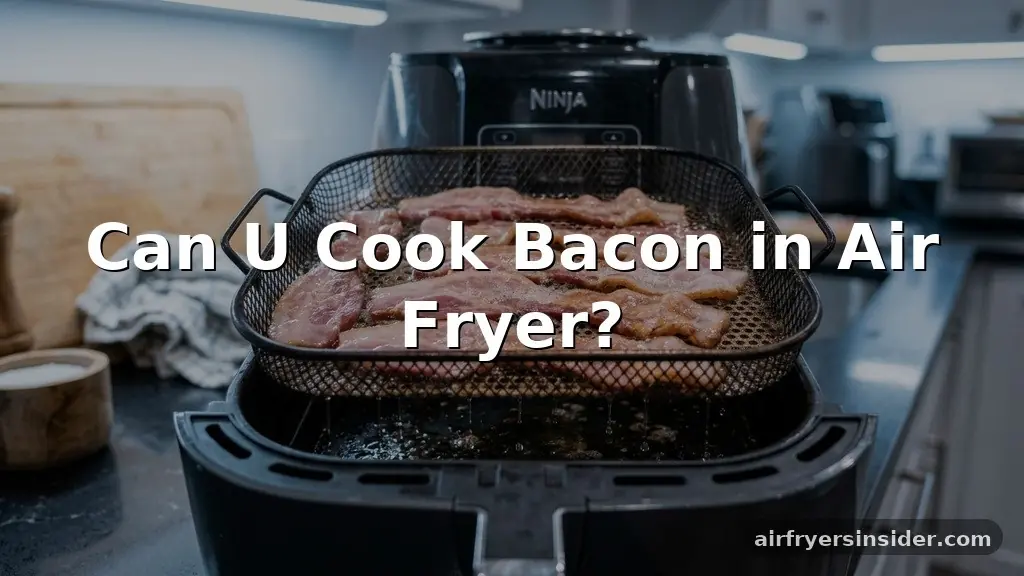
Finding out if you can cook bacon in an air fryer is a common curiosity for home cooks who love crispy breakfast meats but dread the messy stovetop cleanup. The short answer is yes, you absolutely can achieve perfectly crunchy results using this appliance.
By utilizing the rapid circulation of hot air, you can effectively render out the fat while keeping the meat juicy, often with far less hassle than traditional frying methods. This method is not only efficient but also produces consistently high-quality results, provided you follow a few essential safety and preparation guidelines to manage the heat and the grease effectively.
Understanding the Mechanics of Air Fryer Bacon
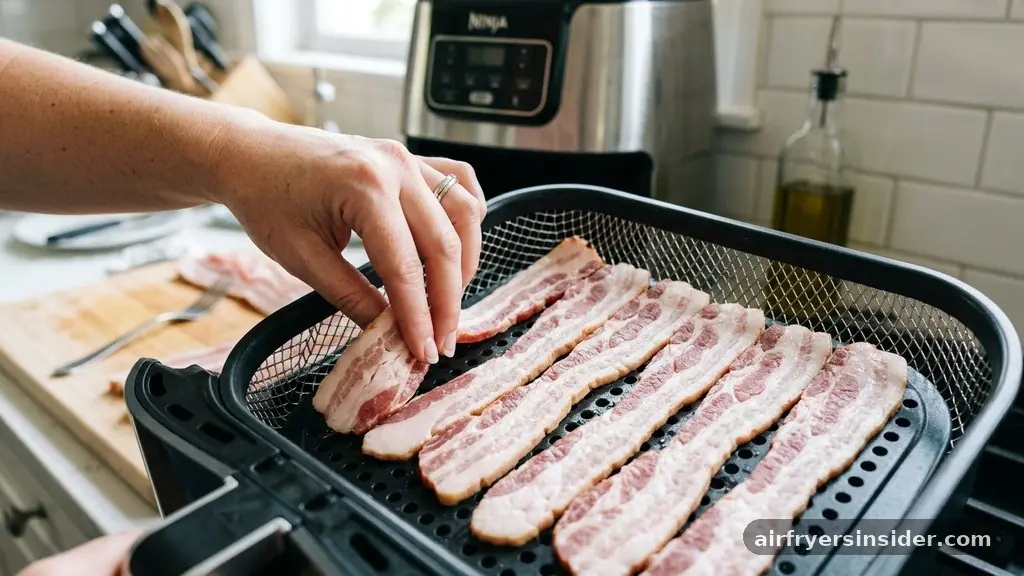
When you decide you can cook bacon in an air fryer, you are essentially using a compact convection oven. The air fryer works by blowing superheated air around the food at high speeds, which creates a crisp exterior.
For bacon, this process is ideal because the intense heat quickly liquifies the fat, allowing it to drip away from the strips. Unlike pan-frying, where the meat often sits in its own rendered fat, the air fryer design encourages the fat to fall into the tray below, resulting in a cleaner, less greasy final product.
The primary benefit of this approach is the consistency of the heat distribution. Because the air circulates around the entire piece of meat, you don’t have to worry about cold spots or uneven cooking that often occurs in a crowded skillet.
However, because air fryers are powerful, it is crucial to monitor your cooking time closely. The difference between chewy and burnt can be a matter of just a minute or two, depending on the thickness of your bacon strips and the specific wattage of your machine.
Preparing Your Appliance for Bacon
Before you start, you need to ensure your air fryer is set up correctly to handle the high volume of rendered fat. Most units have a removable air fryer basket or tray.
If you are using a model like a Ninja Foodi or a Cosori, make sure the bottom grease tray is clean and free of old debris. You want the fat to collect safely in the bottom of the drawer rather than pooling near the heating element.
Some cooks prefer to place a small amount of water or a piece of bread in the bottom of the air fryer tray to absorb the fat and prevent smoke. This is a common trick to keep your kitchen air clear.
If you choose to use parchment paper or aluminum foil, ensure that they are weighted down by the weight of the bacon so they don’t blow around and touch the heating element. This simple step protects your appliance and keeps the cooking process smooth.
Optimizing Cooking Temperature and Time
Determining the right cooking temperature is the most important factor in achieving that perfect, crispy bacon. Generally, setting your air fryer to 350°F to 375°F is the sweet spot.
While some recipes suggest going as high as 400°F, this high heat can cause the fat to splatter excessively and potentially burn the edges before the center of the bacon is properly rendered. A slightly lower temperature ensures even cooking.
Cooking time will vary based on the thickness of your bacon. Thin-cut strips might be ready in as little as 7 to 9 minutes, while thick-cut bacon may require 10 to 12 minutes or more.
You should always check the bacon at the 7-minute mark to gauge how far along it is. If you want it extra crispy, you can add a minute or two, but keep a watchful eye to prevent the fat from smoking, which can trigger your smoke alarm if the ventilation isn’t adequate.
Managing Grease and Smoke Safely
One of the biggest concerns when people ask if you can cook bacon in an air fryer is the potential for smoke. Because you are dealing with high heat and rendered fat, smoke is a natural byproduct.
To minimize this, always ensure your air fryer is placed in a well-ventilated area, preferably under a range hood if possible. If you notice a significant amount of smoke, it is likely because the grease in the bottom tray has reached its smoke point.
If you find that your unit produces too much smoke, try the following adjustments:
- Reduce the temperature by 25 degrees to prevent the fat from burning.
- Place a piece of bread in the bottom tray to soak up the excess grease.
- Ensure you are not overcrowding the basket, as air needs to circulate to prevent hot spots.
- Clean the grease tray thoroughly between batches to prevent buildup.
The Role of Accessories and Liners
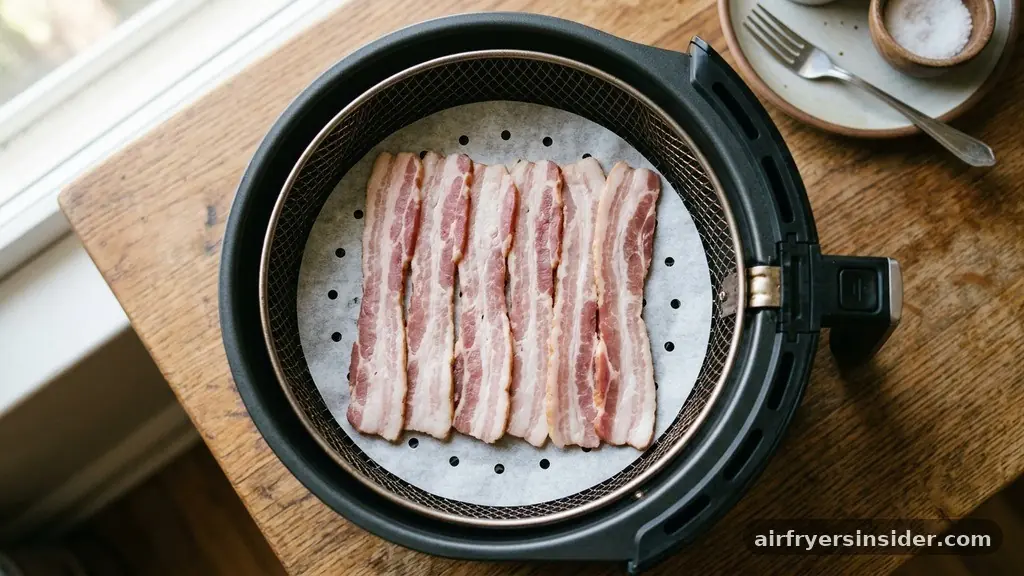
Using accessories can significantly improve your experience. An air fryer rack can be used to elevate the bacon strips, allowing for even better air circulation and drainage. Some people use custom-fit silicone liners or parchment paper to make cleanup easier.
If you use parchment paper, ensure it has holes to allow the air to flow freely. Without proper airflow, the bottom of the bacon might become soggy rather than crispy.
Aluminum foil is another option, but you must be careful. If the air circulation is too strong, the foil can lift and come into contact with the heating element, which is a fire hazard.
If you use foil, always ensure it is tucked tightly into the bottom of the tray and covered completely by the bacon. Never leave loose edges that could be caught by the fan’s airflow.
Comparing Cooking Methods for Bacon
Many home cooks wonder how the air fryer stacks up against the oven or a traditional frying pan. The following table provides a quick comparison of the three most popular methods for preparing breakfast bacon.
| Method | Cleanup | Texture | Time Efficiency |
|---|---|---|---|
| Air Fryer | Easy (Tray/Drawer) | Very Crispy | High |
| Oven (Baking) | Moderate (Pan/Foil) | Uniform | Low (Preheat time) |
| Stovetop (Skillet) | Difficult (Splatter) | Variable | Moderate |
As you can see, the air fryer offers a balanced approach that combines the speed of a skillet with the even results of an oven. It is particularly effective for small to medium batches, making it ideal for a quick breakfast or a topping for a salad.
Addressing Common Topical Gaps
A common question often overlooked is whether you can cook bacon in an air fryer without a basket or if you can stack it. While some people attempt to stack bacon to save space, this is generally not recommended.
Stacking prevents the air from reaching all sides of the strips, leading to uneven cooking where some parts are crispy and others remain soft or raw. For the best results, lay the strips in a single layer, even if they overlap slightly.
Another gap in knowledge is the handling of the rendered fat. Many people throw it away, but this rendered lard is a valuable cooking fat.
Because it is cooked at a controlled temperature in the air fryer, it is usually clean and flavorful. You can collect the fat from the tray once it has cooled and store it in a glass jar in the refrigerator to use for sautéing vegetables or frying eggs later in the week.
Food Safety and Internal Temperature
While bacon is a processed meat that is usually cured, it is still important to ensure it reaches a safe internal temperature. The USDA recommends cooking bacon until it is thoroughly browned, which also helps eliminate potential pathogens.
While most people cook bacon to their personal preference for texture, ensuring it is properly rendered is the best way to guarantee it is safe to eat. Using a meat thermometer is difficult with thin strips, so visual cues like the darkening of the meat and the crisping of the fat are your best indicators of doneness.
Always be mindful of your appliance’s non-stick coating. Bacon is fatty, but if you cook it at temperatures that are too high for extended periods, you can degrade the non-stick surface of your basket.
Stick to the manufacturer’s recommended temperature ranges to prolong the life of your machine. Regular cleaning is also essential; leftover grease can become rancid and affect the flavor of your future meals.
Troubleshooting Your Cooking Process
If your bacon isn’t coming out the way you like, don’t be discouraged. If it’s too chewy, you likely need a longer cook time or a slightly higher temperature. If it’s burning too fast, drop the temperature by 25 degrees.
If you are dealing with excessive mess, ensure you aren’t overfilling the basket. Sometimes, the issue is simply the type of bacon; thick-cut bacon requires more time, while thin-cut slices can go from done to burnt in seconds.
Pay attention to your air fryer’s specific quirks. A Ninja Foodi might have different airflow dynamics compared to a Cosori or other brands.
Spend your first few times cooking bacon as a learning exercise. Once you dial in the exact time and temperature for your specific machine, you will find that the process becomes second nature and much more reliable than standing over a hot stove.
FAQ
Can I put aluminum foil in the air fryer to make cleanup easier?
Yes, you can use aluminum foil, but ensure it is securely tucked into the bottom of the tray. It must be completely covered by the bacon so that the circulating air does not lift the foil and push it into the heating element, which is a significant safety hazard.
Why does my air fryer smoke when I cook bacon?
Smoke occurs when grease in the tray reaches its smoke point. To fix this, add a small piece of bread to the bottom to absorb the fat, cook at a slightly lower temperature, or ensure you are cleaning the grease tray between batches to prevent old oil from burning.
Is it necessary to preheat the air fryer before cooking bacon?
Preheating is not strictly necessary for bacon, as the appliance heats up very quickly. However, preheating for 2-3 minutes can help ensure the bacon starts rendering immediately upon contact with the heat, which can lead to a more uniform texture across all the strips in your batch.
Can I cook frozen bacon directly in the air fryer?
Yes, you can cook frozen bacon, but you will need to add a few extra minutes to the cooking time. The bacon will eventually thaw and separate as it cooks. Once it begins to loosen, you can use tongs to separate the strips for more even crisping.
Conclusion
Learning how to cook bacon in an air fryer is a game-changer for anyone who wants a mess-free, consistent breakfast. By understanding your appliance’s temperature settings, managing grease properly, and keeping an eye on the cooking time, you can achieve professional-level results in your own kitchen. Whether you prefer your bacon extra crispy or just lightly rendered, the air fryer offers a level of control that traditional methods simply cannot match.
Start with a small batch to test your unit’s specific heat output, and you will quickly see why so many home cooks have made the switch. With a little practice, you’ll be enjoying perfectly cooked bacon strips without the stress of stovetop splatters or difficult cleanup.


