

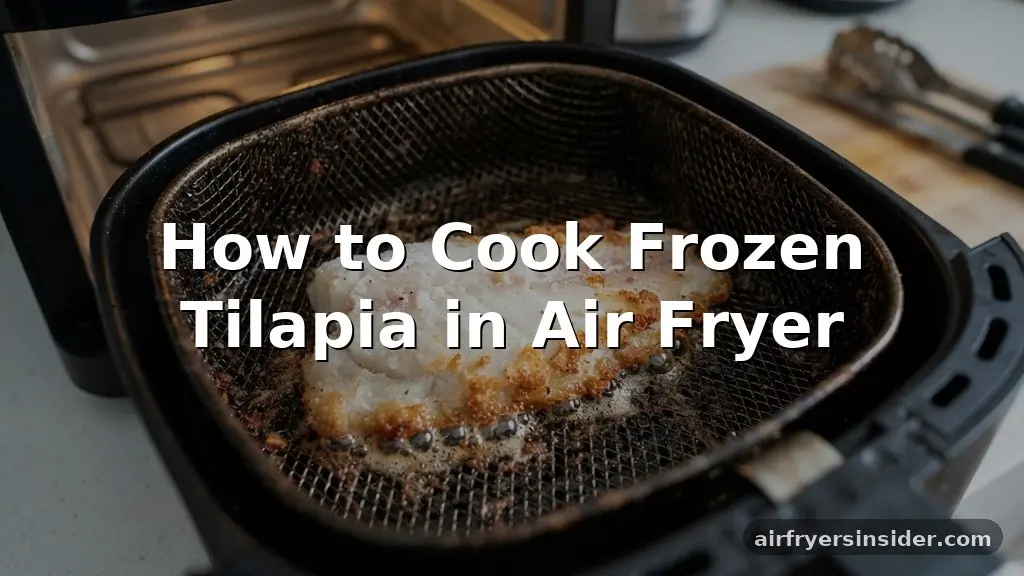
Learning how to cook frozen tilapia in air fryer setups is a secret weapon for busy weeknights when you need a healthy, protein-packed meal without the hassle of thawing. Because tilapia is a lean, mild-tasting fish, it benefits immensely from the concentrated heat of an air fryer, which helps create a satisfying bite without needing deep frying.
By skipping the defrosting process, you save significant time while still achieving a perfectly flaky texture. Whether you are a novice cook or looking to refine your seafood routine, mastering this method ensures you have a reliable, nutritious dinner option ready in under twenty minutes using ingredients you likely already have in your pantry.
Why Air Frying Frozen Fish is Effective
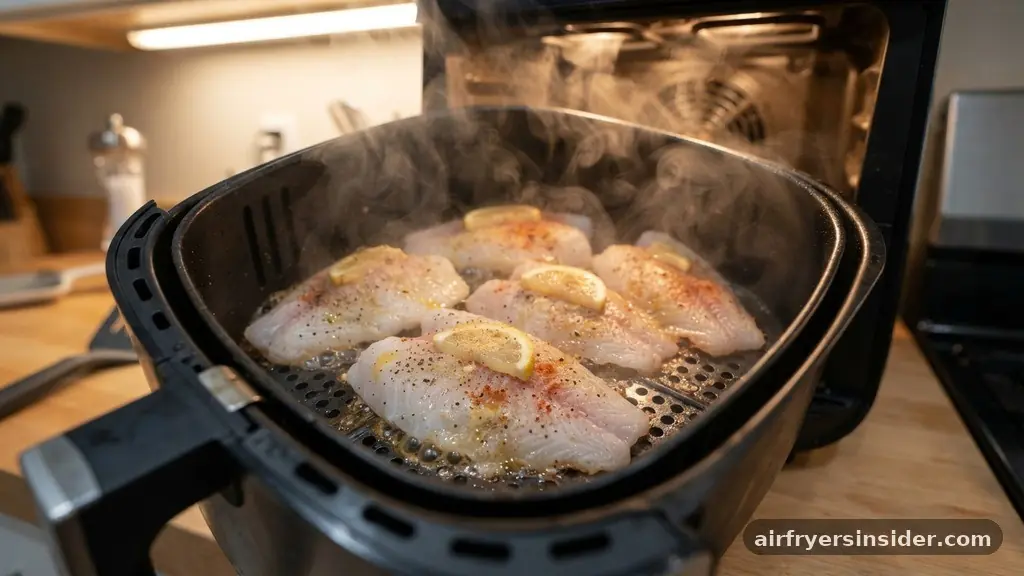
Air fryers utilize rapid air technology to circulate intense heat around the food, which mimics the effects of a convection oven but on a much more efficient scale. When dealing with frozen tilapia fillets, this intense, focused heat is exactly what you need to evaporate surface moisture quickly. Instead of the fish steaming in its own juices and becoming mushy, the air fryer forces the outer layer to dry out just enough to allow for browning or the formation of a light crust.
This method is particularly effective for white fish because of their delicate cellular structure. The convection cooking process ensures that the heat penetrates the center of the fillet while simultaneously crisping the edges. Unlike traditional pan-searing, which requires constant monitoring to prevent the fish from breaking apart, the air fryer basket holds the fillet in place.
This allows you to achieve a crispy fish texture even when starting with a block of ice-cold protein. It is a highly reliable way to manage seafood preparation without worrying about the fish sticking to a skillet.
Essential Preparation and Safety Protocols
When you decide to cook fish directly from the freezer, food safety guidelines must remain your top priority. While the air fryer is excellent at reaching high temperatures, you must ensure the fish reaches an internal temperature 145F to guarantee it is fully cooked and safe to consume.
This is the standard USDA recommendation for all finfish. Using an instant-read meat thermometer is the only accurate way to verify this, as visual cues like “flaky white fish” can sometimes be misleading if the center is still cold.
Regarding salmonella prevention, it is crucial to handle the raw frozen fish with care and sanitize any surfaces that come into contact with the frozen seafood. Do not wash the fish before placing it in the basket, as this can spread bacteria in your kitchen.
Instead, focus on patting the surface dry with a paper towel once the fish has partially thawed during the first few minutes of cooking. This small step significantly improves the final texture by preventing excess steam from trapped ice crystals.
Optimizing Seasoning Adherence
One of the biggest challenges when working with frozen food is getting your spices to stick. Since the fish is frozen, the surface is initially too cold for oils or dry rubs to adhere properly.
To solve this, start by giving the fillets a light coating of olive oil spray. This creates a tacky surface that acts as a bridge between the fish and your seasoning blend.
A classic, versatile rub often includes a mix of salt, pepper, garlic powder, and a touch of smoked paprika for color and depth. Apply the seasoning immediately after the first two minutes of cooking, once the fish has softened enough to hold the spices.
If you season too early, the spices may simply slide off as the frost melts. By layering your seasoning once the surface is slightly damp from the initial heat, you ensure a flavorful crust that complements the natural, mild profile of the tilapia.
The Importance of Preheating and Equipment
Many home cooks skip preheating their air fryer, but when cooking frozen items, this step is non-negotiable. Preheating creates an immediate thermal shock that helps lock in the natural juices of the fish.
Aim for an air fryer temperature of 400°F (200°C) for at least three to five minutes before inserting the basket. This ensures that the non-stick coating of your basket is ready to perform and that the cooking time remains consistent.
Using the right tools is equally important. A silicone-tipped fish spatula is the best instrument for flipping or removing the fillets, as it prevents the delicate flesh from tearing.
If you are worried about cleanup or the fish sticking to the perforated bottom of the basket, lining the base with a piece of parchment paper can be a lifesaver. Ensure you do not cover the entire surface, as air circulation is vital to the crisping process.
Managing Cooking Time for Perfect Results
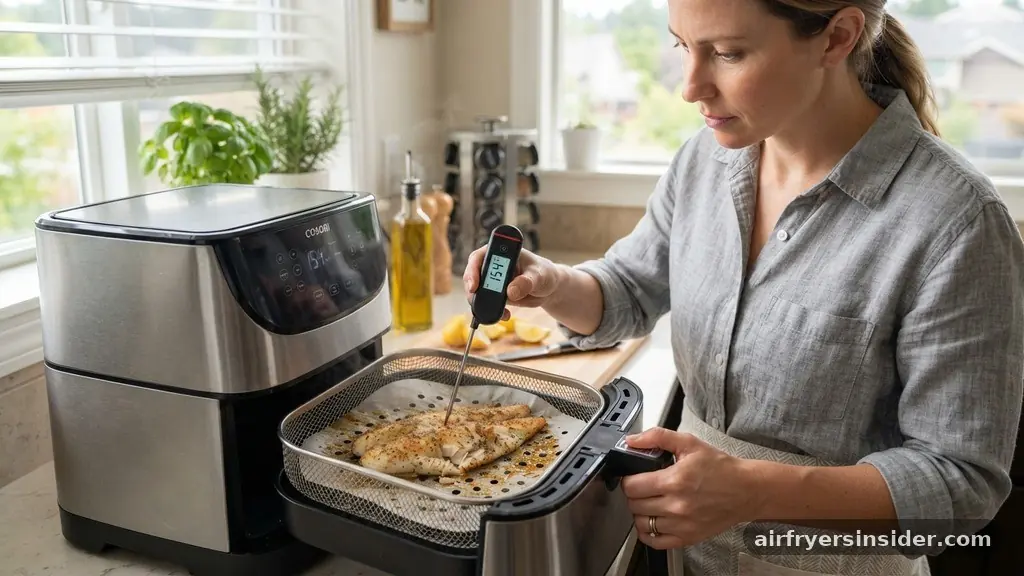
The cooking time for frozen tilapia typically ranges between 10 to 14 minutes, depending on the thickness of the fillets and the wattage of your specific model. Because air fryers vary, it is best to start checking for doneness at the 10-minute mark. Always remember that residual heat will continue to cook the fish for a minute or two after you pull it from the machine, so be careful not to overcook it, as tilapia can turn dry very quickly.
| Fillet Thickness | Estimated Time | Result |
|---|---|---|
| Thin (under 0.5 inch) | 8-10 Minutes | Fast, light sear |
| Medium (0.5 to 1 inch) | 11-13 Minutes | Perfectly flaky |
| Thick (over 1 inch) | 14-16 Minutes | Thoroughly cooked |
Addressing Common Topical Gaps
Many people ask if they need to flip the fish halfway through. While it is not strictly necessary for thin fillets, flipping ensures even browning on both sides and prevents the bottom from becoming soggy due to moisture accumulation.
Another common gap in knowledge is whether you can cook breaded frozen tilapia the same way. While the temperature remains the same, breaded versions often require a slightly shorter cook time because the coating acts as an insulator and browns faster than the fish meat itself.
Additionally, many users worry about the “fishy” smell that can permeate the air fryer. To mitigate this, always ensure your air fryer filter is clean and consider placing a slice of lemon under the fillet while it cooks. This infuses the fish with a bright aroma and helps neutralize strong odors.
If you find the fish tastes bland, remember that white fish is a blank canvas. Serving the final product with fresh lemon wedges and a drizzle of melted butter or herb-infused oil can transform a simple meal into a restaurant-quality dish.
Flavor Variations and Serving Suggestions
Because tilapia is so neutral, it works well with a wide array of flavor profiles. If you prefer a Mediterranean style, stick to olive oil, dried oregano, and a pinch of chili flakes. For a more Asian-inspired dish, brush the fish with a mixture of soy sauce, ginger, and sesame oil once it is halfway through the cooking process.
- Top with a fresh mango or pineapple salsa for a tropical flair.
- Pair with roasted asparagus or steamed broccoli for a low-carb dinner.
- Use as a base for fish tacos by flaking the cooked fillets into corn tortillas.
- Serve alongside a crisp green salad with a vinaigrette dressing.
- Add a dollop of Greek yogurt-based dill sauce for a creamy finish.
Troubleshooting Common Air Fryer Issues
If your fish is coming out too dry, you are likely cooking it for too long or at too high a temperature. Try reducing the heat to 375°F and checking the internal temperature earlier.
Conversely, if the fish remains soggy, it is likely because the basket was overcrowded. Air fryers need space for the air to move; if the fillets are touching or overlapping, the moisture cannot escape, and the fish will steam instead of roast.
Another issue is seasoning burning before the fish is cooked. If you are using rubs with high sugar content, like brown sugar or certain BBQ blends, wait until the final two minutes of cooking to apply them.
This prevents the sugars from caramelizing into a bitter, burnt mess while the interior of the fish is still cold. Always prioritize simple, oil-based seasonings for the initial cook to ensure the best results.
Maintenance and Long-Term Care
Taking care of your air fryer after cooking fish is just as important as the cooking process itself. Fish can leave behind a lingering aroma and oily residue that, if not cleaned, can affect the flavor of your next meal.
After each use, once the basket has cooled, wash it with warm, soapy water. If you notice a stubborn fish smell, a quick wipe-down with a mixture of vinegar and water or a baking soda paste can help neutralize the odors effectively.
Regularly check the heating element at the top of the unit for any grease splatter. A clean heating element ensures that your air fryer maintains consistent temperatures, which is critical for food safety and optimal cooking performance. By maintaining your equipment, you ensure that every time you prepare frozen seafood, the results remain consistent and delicious, keeping your kitchen routine efficient and stress-free.
Frequently Asked Questions
Can I cook frozen tilapia directly in the air fryer without thawing?
Yes, you can absolutely cook frozen tilapia fillets straight from the freezer. In fact, the air fryer is one of the best tools for this because its rapid circulation of hot air prevents the fish from becoming waterlogged, ensuring a better texture than traditional oven methods.
What is the ideal temperature for cooking frozen fish?
For the best results, set your air fryer to 400°F (200°C). This high heat is necessary to evaporate the ice crystals on the surface of the fish quickly, which allows the outer layer to crisp up rather than just steaming in the basket.
How do I know when the tilapia is fully cooked?
The fish is done when it reaches an internal temperature of 145F. You should use an instant-read meat thermometer to verify this. Visually, the flesh should be opaque and flake easily when you gently press it with a fork or a fish spatula.
Should I use oil when cooking frozen tilapia?
Yes, using a light coating of olive oil spray is highly recommended. It helps the seasoning adhere to the frozen surface of the fish and promotes better browning, resulting in a more flavorful and visually appealing crust compared to cooking the fish completely dry.
Conclusion
Mastering the process of cooking frozen tilapia in an air fryer is a fantastic way to simplify your meal prep while keeping your diet healthy and delicious. By focusing on proper preheating, using an accurate thermometer to monitor the internal temperature, and seasoning your fish at the right moment, you can achieve a consistent, flaky result every time. This method removes the stress of thawing and allows you to go from freezer to table in minutes.
As you become more comfortable with the timing and flavor combinations, you will find that this humble white fish becomes a staple in your rotation. Experiment with different spice blends and fresh herbs, and enjoy the convenience of having a nutritious, high-protein dinner ready whenever you need it.


