

Getting that perfect crunch back into your leftovers can feel like a culinary challenge, but mastering how to reheat fried shrimp in air fryer setups makes it surprisingly easy. Unlike the microwave, which often turns crispy breading into a soggy, rubbery mess, the convection power of an air fryer restores the texture of your seafood while keeping the meat tender.
Whether you are dealing with jumbo coconut shrimp or bite-sized popcorn varieties, the circulating heat acts as a reset button for your meal. By following a few straightforward techniques, you can transform yesterday’s takeout into a crisp, delicious snack that tastes almost as fresh as the moment it left the deep fryer.
Why the Air Fryer Is Superior for Seafood
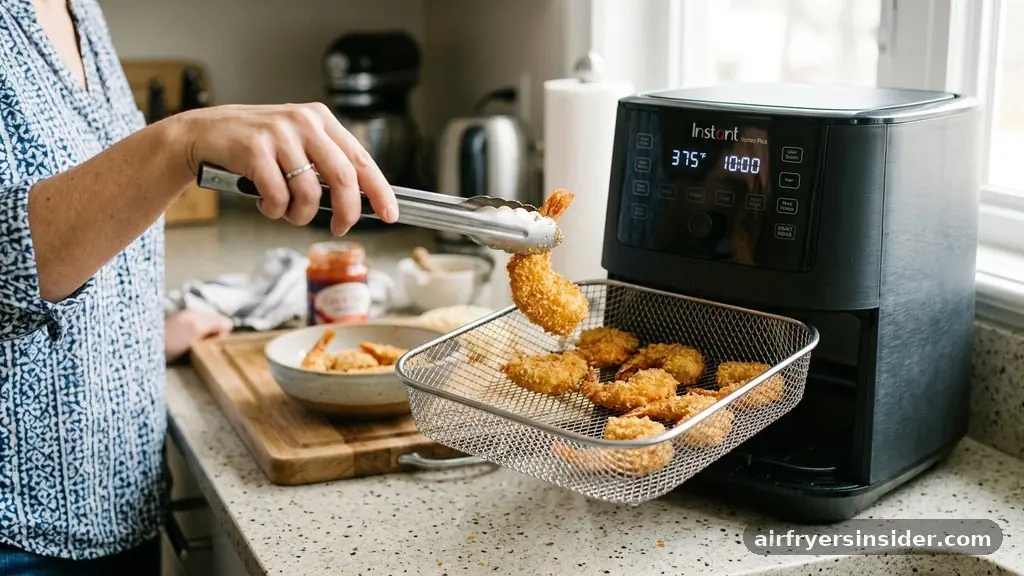
The primary reason to use an air fryer for reheating seafood lies in its ability to manage moisture levels effectively. Traditional ovens take far too long to preheat and often dry out the delicate shrimp meat, while microwaves produce steam that destroys the integrity of the breading. When you reheat fried shrimp in an air fryer, you are utilizing high-speed convection that creates a crisp exterior while warming the center gently.
This method works because the air fryer creates a dry environment that evaporates excess surface moisture without cooking the shrimp to the point of becoming tough. Because shrimp are naturally lean, they are prone to becoming rubbery if subjected to prolonged heat.
The rapid-fire nature of air frying ensures the heat penetrates just long enough to warm the protein without over-processing it. You get that satisfying snap of the crust and a succulent interior, preserving the quality of the original dish.
Optimal Temperature and Timing for Best Results
To achieve the best results, you must balance heat intensity with duration. The goal is to warm the shrimp through without burning the breading or drying out the crust.
Most air fryers perform best for this specific task when set between 350°F and 375°F. This temperature range is high enough to induce the Maillard reaction—which gives fried food its golden color and flavor—but low enough to prevent the edges from charring before the middle is hot.
Time duration: Typically, you will only need between 3 to 5 minutes. If you are reheating a large batch, you might need an extra minute, but always start on the lower end of that spectrum.
Opening the basket to check on the progress is not only allowed but encouraged. Since every air fryer model has a different wattage and airflow pattern, the first time you do this, keep a close eye on the color of the breading to ensure it stays golden rather than turning dark brown.
Steps for Perfect Results
Achieving restaurant-quality reheated shrimp involves more than just tossing them into the basket. Start by preheating your air fryer for at least two minutes; this ensures the cooking environment is at the correct temperature from the very first second. If you put cold shrimp into a cold basket, the breading may soak up oil residue before it starts to crisp, resulting in a greasy finish.
Once the unit is preheated, arrange the shrimp in a single layer. Overlapping pieces will steam each other, which is the enemy of a crisp crust. If you have a large amount of leftovers, it is much better to run two separate cycles than to cram them all in at once.
After two minutes, give the basket a gentle shake or use tongs to flip the pieces. This ensures that the heat hits all sides of the breading evenly, resulting in a uniform texture across every single piece.
Capacity: Avoid Overcrowding the Basket
One of the most common mistakes to avoid is the urge to fill the air fryer basket to the brim. When you crowd the basket, you restrict the airflow that is necessary for the convection process to work. The air fryer relies on hot air circulating around the food to crisp it up; if the pieces are touching or stacked, the air cannot reach the sides, leading to cold spots in the middle and soft, soggy patches on the breading.
If you are cooking for a family, be patient and work in batches. Even if it takes ten minutes total, the quality of the final product will be vastly superior to a single, overcrowded batch that comes out unevenly heated.
Think of the air fryer as a precision tool rather than a storage container. By leaving enough space for the air to flow freely, you allow the heat to perform its job efficiently, ensuring that every piece of shrimp reaches the perfect temperature without requiring constant intervention.
Best Practices for Storing Leftovers
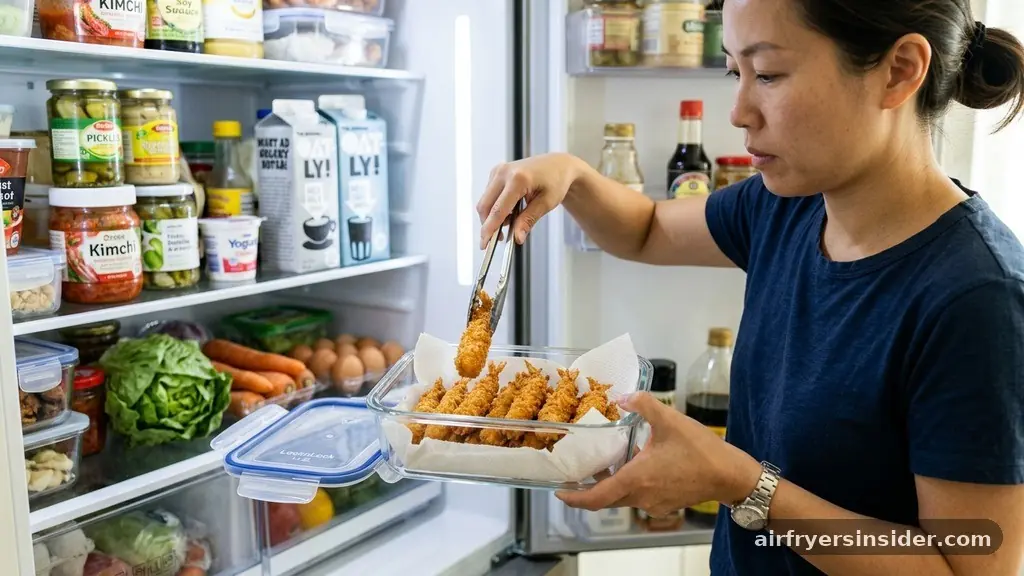
How you store your shrimp before reheating is just as important as the reheating process itself. If you leave fried shrimp out on the counter for too long, the breading will absorb moisture from the air, and the oil will begin to oxidize, which affects the flavor. Always allow the shrimp to cool slightly before placing them in an airtight container, as trapping steam inside a hot container will result in a mushy crust by the next day.
Place the container in the coldest part of your refrigerator. If possible, line the container with a paper towel to absorb any excess humidity that might develop during storage.
While you can keep fried shrimp in the fridge for two to three days, they are always best within the first 24 hours. The longer they stay in the fridge, the more the breading will degrade, making it harder for the air fryer to restore that original, fresh-from-the-fryer crunch.
Addressing Common Mistakes to Avoid
Even with the right equipment, it is easy to fall into traps that ruin a perfectly good meal. One frequent error is adding extra oil to the shrimp before reheating.
Since the shrimp has already been deep-fried, it contains plenty of residual fat in the breading; adding more oil will only make the result greasy and heavy. Trust the existing oil in the breading to do the work.
Another mistake is using a setting that is too high, such as 400°F. While this might seem like a fast way to get things done, it often results in the outside burning while the inside remains cold.
If you are struggling with uneven heating, check your air fryer for a “reheat” setting, which some modern models offer specifically to manage these low-intensity tasks. If your model lacks this, simply stick to the 350°F range and adjust the time as needed based on the size of the shrimp.
Comparison of Reheating Methods
To understand why the air fryer is the preferred choice, it helps to look at how it compares to other common kitchen appliances. The following table highlights the differences in texture and quality based on the method used.
| Method | Texture Result | Speed | Ease of Use |
|---|---|---|---|
| Air Fryer | Crispy and light | Fast | High |
| Microwave | Soggy and rubbery | Very Fast | High |
| Conventional Oven | Dry and hard | Slow | Low |
| Stovetop/Pan | Oily and uneven | Medium | Medium |
As shown in the table, the air fryer provides the best balance of speed and texture. While the microwave is faster, the quality loss is significant. The oven is reliable for large batches but takes too long to preheat, often drying out the seafood before the center is warm.
Topical Gaps: Addressing Specific Variations
Many readers wonder if the technique changes based on the type of breading. For example, coconut shrimp usually contains sugar in the coating, which can caramelize and burn much faster than standard breadcrumbs. If you are reheating coconut shrimp, drop your temperature to 325°F and reduce the time by one minute to prevent the coconut flakes from turning black.
For popcorn shrimp, which are smaller and have a higher surface-area-to-meat ratio, you should be even more careful with the timing. Because they are small, they heat through in just two minutes.
If you leave them in for the full five minutes, you will likely end up with shriveled, overcooked meat. Keep a close watch on these smaller pieces, as they reach the danger zone of overcooking much faster than large tiger prawns or butterflied shrimp.
Essential Tips for Maintaining Food Safety
When reheating any seafood, food safety is paramount. You want to ensure the shrimp reaches an internal temperature of at least 165°F to ensure it is safe to consume, especially if it has been in the refrigerator for more than a day. While you don’t need to use a meat thermometer for every single piece, you should ensure the center of the largest shrimp in the batch is steaming hot.
If you find that the shrimp still feels cold in the middle after the recommended time, do not just leave it in the basket longer at the same temperature. Instead, lower the heat slightly and add another two minutes.
This allows the heat to reach the center without scorching the exterior. Always discard any shrimp that has an off-smell or a slimy texture before you even attempt to reheat it, as no amount of air frying can fix spoiled seafood.
FAQ
Can I reheat frozen fried shrimp in the air fryer?
Yes, you can reheat frozen fried shrimp in the air fryer, though you should avoid thawing them first. Simply place the frozen pieces in the basket and add about 2 to 3 minutes to the standard cooking time. This ensures they crisp up perfectly without turning into a soggy mess.
How do I know if the shrimp are fully reheated?
The best way to tell is by the internal temperature and the texture of the breading. The crust should feel firm and crisp to the touch, and the meat inside should be opaque and steaming hot. If you are unsure, cut into the largest piece to check the center.
Is it possible to reheat different types of fried shrimp at once?
It is possible, but not recommended if the sizes vary significantly. Large jumbo shrimp will take longer to heat than smaller popcorn shrimp. If you mix them, the smaller ones will likely overcook or burn before the larger ones are warm enough. Stick to uniform sizes per batch.
Do I need to flip the shrimp while they are in the air fryer?
Yes, flipping or shaking the basket halfway through is essential for even heating. Since the heat in an air fryer comes from the top, the bottom of the shrimp will not crisp properly unless you turn them over or ensure they are moved around to expose all sides to the airflow.
Conclusion
Mastering the art of how to reheat fried shrimp in air fryer units is a straightforward way to reduce food waste and enjoy your meals a second time around. By focusing on low-to-medium heat, avoiding the temptation to overcrowd your basket, and keeping a watchful eye on the timing, you can preserve that elusive crunch that makes fried seafood so appealing.
Whether you are dealing with a handful of popcorn shrimp or a few larger pieces from a dinner out, the air fryer remains the most effective tool in your kitchen for the job. Once you have successfully refreshed your leftovers, you will likely never go back to the microwave again, ensuring every bite remains as crisp and delicious as the first.


