

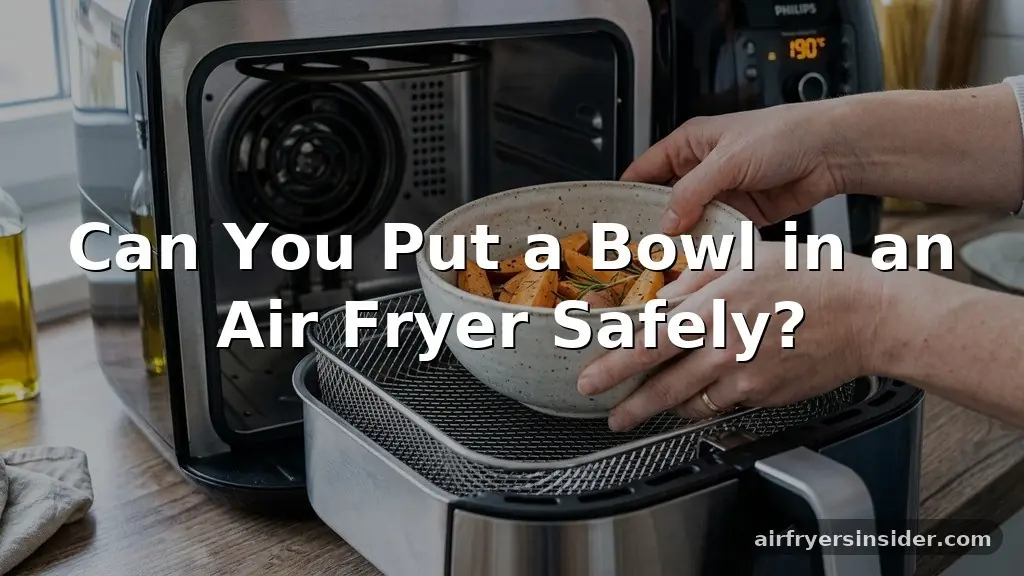
Determining whether you can put a bowl in an air fryer is a common dilemma for home cooks looking to expand their culinary repertoire beyond simple frozen snacks. Because air fryers function as compact convection ovens, the primary concern is whether your chosen vessel can withstand the intense, circulating heat generated by the device’s heating element.
Using the wrong material can lead to shattered glass, melted plastic, or ruined non-stick coatings, creating a significant kitchen safety hazard. By understanding which materials hold up under rapid air technology, you can safely bake, steam, or reheat meals directly inside your machine’s basket, opening up a world of new possibilities for your daily cooking routine.
Understanding Air Fryer Heat Dynamics
The core functionality of an air fryer relies on rapid air technology, which uses a high-powered fan to circulate hot air around your food at high speeds. Unlike a traditional oven, where heat radiates more gently from the walls or a bottom element, an air fryer concentrates this heat into a very small, enclosed space.
This creates an environment where items inside the air fryer basket are subjected to intense, direct, and constant thermal energy. When you introduce an accessory like a bowl, you are effectively obstructing the airflow, which can change how the appliance regulates its internal temperature.
Because of this intense heat, you must prioritize materials with high heat resistance. The air fryer basket itself is usually coated in a non-stick material designed for high temperatures, but any item you place inside must be rated for oven use. If a material is not explicitly oven-safe, the rapid heat could cause it to expand, crack, or release toxic fumes.
Furthermore, the proximity of the bowl to the heating element at the top of the unit is a critical factor. If your bowl is too tall, it might touch the element, which will almost certainly cause damage to both the container and the appliance.
Selecting Appropriate Materials for Your Air Fryer
When choosing containers, it is vital to distinguish between microwave-safe and oven-safe ratings. Many people mistakenly assume that if a bowl is safe for the microwave, it is also safe for the air fryer. This is a dangerous assumption.
Microwave-safe plastic, for instance, will melt almost instantly under the high temperatures of an air fryer. Conversely, most metal bakeware is perfectly safe for air frying, provided it fits comfortably within the basket without blocking the essential airflow needed for even cooking.
Ceramic and Stoneware Considerations
Ceramic cookware is generally a safe choice, provided it is marked as oven-safe. Stoneware and porcelain bowls are dense and designed to handle the high temperatures found in standard ovens. However, you should check for any decorative glazes or intricate paintwork that might not be rated for high heat.
If you are unsure, it is best to avoid using that specific piece. Furthermore, always be mindful of thermal shock. If you take a cold ceramic bowl directly from the refrigerator and place it into a preheated air fryer, the sudden change in temperature could cause it to crack or shatter.
Metal and Stainless Steel
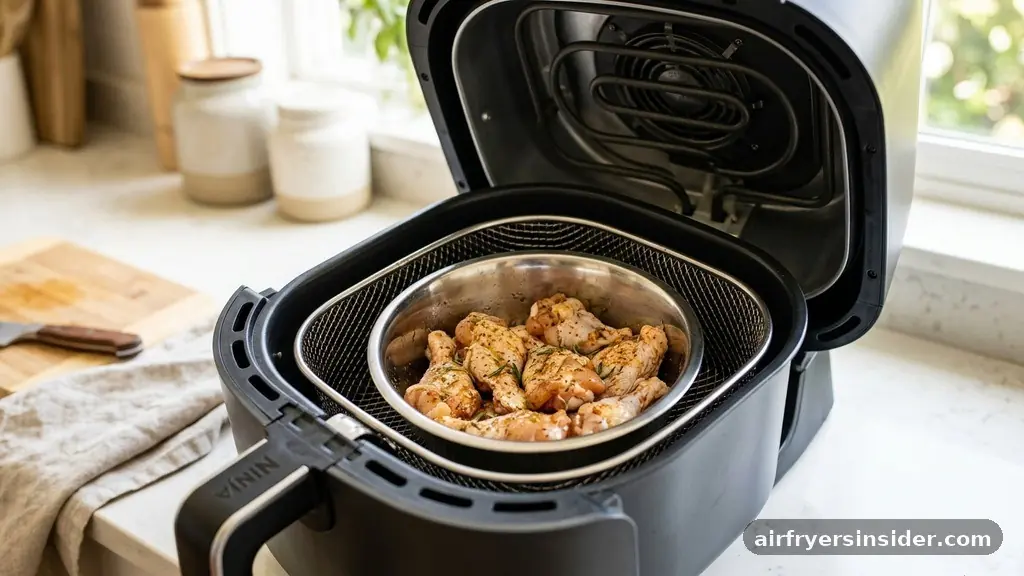
Metal is arguably the most reliable material for use in an air fryer. Stainless steel bowls or small cake pans are excellent because they are durable, heat-conductive, and designed to withstand temperatures far exceeding what an air fryer can produce.
Because metal is thin, it often allows for better heat transfer than thick ceramic, which can help your food cook more evenly. Just ensure that the metal bowl doesn’t have any plastic handles or rubberized grips, as these will likely melt or degrade during the cooking cycle.
The Risks of Using Glass Containers
Glass is a polarizing subject in the air fryer community. While many people use glass dishes, you must be extremely selective about which type you choose. Standard glassware or thin decorative bowls are not designed for the intense heat of an air fryer and are prone to shattering under stress.
If you choose to use glass, it must be borosilicate glass or tempered glass. These types of glass are specifically manufactured to withstand significant temperature fluctuations and high heat without failing.
Even with the right type of glass, you must exercise caution. Avoid placing cold glass directly into a hot air fryer, as the rapid expansion can cause the material to fail. Always aim to let your glass containers reach room temperature before placing them inside the unit.
Additionally, avoid using glass lids, as these are often not as heat-resistant as the base of the container. If you are ever in doubt about the integrity of your glassware, it is safer to stick with metal or silicone alternatives that are explicitly rated for oven use.
Identifying Safe Cookware Compatibility
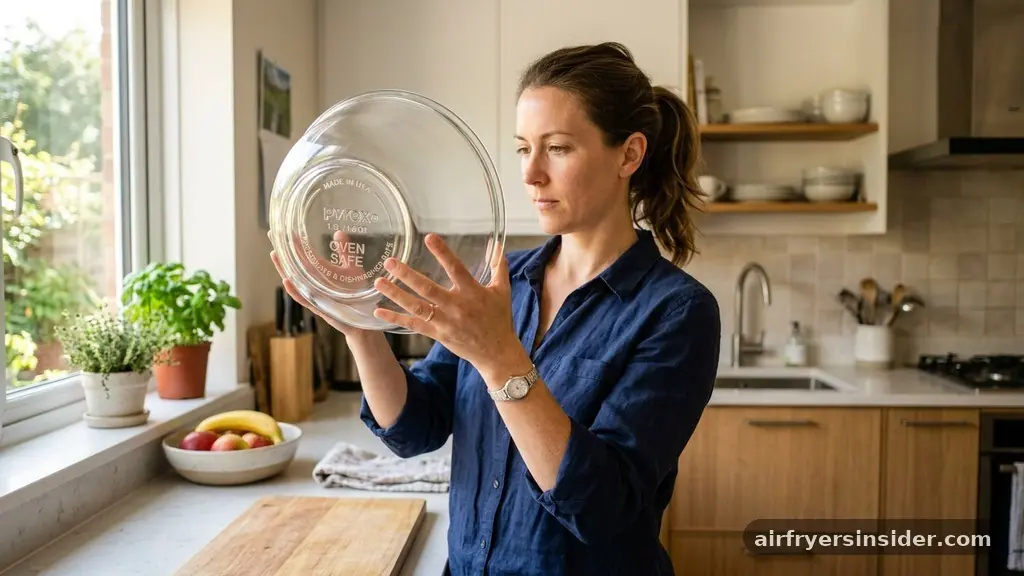
To determine if a container is suitable for your air fryer, look for specific markings on the bottom of the dish. Most manufacturers include an oven-safe rating, often indicated by an icon showing an oven or a temperature limit.
If you cannot find a clear rating, it is best to err on the side of caution. Do not rely on the microwave-safe symbol alone, as it does not indicate resistance to the dry, convection-style heat produced by an air fryer.
| Material | Air Fryer Suitability | Notes |
|---|---|---|
| Stainless Steel | Excellent | Durable and heat-conductive; ensure no plastic parts. |
| Borosilicate Glass | Good | Must be oven-safe; avoid extreme temperature changes. |
| Ceramic/Stoneware | Good | Check for oven-safe ratings; avoid decorative glazes. |
| Plastic | Unsafe | Will melt and release harmful chemicals. |
| Silicone | Excellent | Must be food-grade and heat-resistant to 450°F+. |
Managing Airflow and Rack Height
One of the most important aspects of air frying is maintaining proper air circulation. When you place a bowl in the air fryer, you are essentially creating a barrier that forces the hot air to travel around the sides of the bowl rather than through the center of your food. To mitigate this, ensure that your bowl is not too wide for the basket.
There should be at least an inch of space between the edges of the container and the walls of the air fryer basket. This gap allows the hot air to circulate effectively, which is necessary for achieving that signature crispy texture.
Rack height also plays a role. If your air fryer has a removable rack or tray, consider using it to elevate your bowl. By lifting the bowl off the very bottom of the basket, you encourage better airflow beneath the container, which can result in more uniform cooking.
However, be careful not to place the bowl too high. If the top of the bowl is within an inch or two of the heating element, the top of your food might burn or char before the center is cooked through, and the bowl itself may suffer from excessive localized heat.
Silicone Molds as a Versatile Alternative
If you find that your hard-sided bowls are too bulky or do not fit well in your air fryer, consider investing in silicone molds. Silicone is an incredibly versatile material that is naturally flexible, making it easier to fit into tighter spaces.
High-quality, food-grade silicone is usually heat-resistant up to 450°F or higher, which is well within the typical operating range of most air fryers. Because silicone is a poor conductor of heat compared to metal, it often results in more gentle cooking, which is perfect for delicate items like muffins, egg bites, or small quiches.
Furthermore, silicone is non-stick, which makes cleanup significantly easier compared to scrubbing a ceramic or stainless steel bowl. When using silicone, ensure that the molds are thick enough to hold their shape when filled with batter or liquid.
Thin, flimsy molds might collapse under the force of the air fryer’s fan. Always check that the packaging specifies the silicone is “BPA-free” and “food-grade,” as this ensures that no harmful chemicals will leach into your food when heated.
Addressing Common Topical Gaps
Many users wonder if using parchment paper or aluminum foil alongside a bowl is acceptable. The answer is generally yes, provided you follow strict safety protocols. Parchment paper can be used to line the bottom of a bowl to prevent sticking, but you must ensure that there is enough food on top of it to weigh it down.
If the paper is loose, the fan can blow it up against the heating element, which is a major fire hazard. Similarly, aluminum foil can be used to cover the top of a bowl to prevent browning, but it must be tightly secured so that it does not fly around the interior of the machine.
Another frequently overlooked concern is the weight of the bowl. If you use a heavy ceramic bowl, you might be putting excessive strain on the air fryer’s basket handle or the non-stick coating of the basket itself.
Over time, this can lead to the basket becoming misshapen or the coating chipping away. Opting for lighter, high-quality materials like thin stainless steel or specialized silicone air fryer inserts is usually the better long-term choice for preserving the lifespan of your appliance.
Tips for Successful Air Fryer Baking
When you decide to place a bowl inside your machine, treat the process as if you were baking in a traditional oven. Adjust your cooking times and temperatures accordingly, as the concentrated heat of an air fryer often cooks food faster than a standard oven.
Start by checking your food a few minutes earlier than the recipe suggests. If you are baking something that needs to rise, such as a cake or bread, make sure the bowl is deep enough to allow for expansion without the dough touching the heating element.
It is also helpful to experiment with the placement of your bowl. If you are cooking a single serving, place the bowl in the dead center of the basket. If you are cooking multiple items, ensure they are arranged in a single layer around the bowl.
Avoid overcrowding the basket, as this restricts the air circulation that makes air frying effective in the first place. If the air cannot reach the food, you will end up with unevenly cooked, soggy results rather than the golden, crispy finish you expect.
FAQ
Can I use any bowl that is microwave-safe in my air fryer?
No. Being microwave-safe does not mean a bowl is oven-safe. Microwaves work by exciting water molecules, while air fryers use intense, dry heat. Plastic and some types of glass that are safe for the microwave will melt or shatter under the high temperatures produced by an air fryer.
How do I know if my bowl is safe for high-heat cooking?
Check the bottom of the container for an oven-safe symbol or a specific temperature rating. If the manufacturer does not explicitly state that the item is oven-safe or heat-resistant to at least 400°F, you should assume it is not suitable for use in an air fryer.
Is it safe to use aluminum foil in my air fryer?
Yes, you can use aluminum foil, but you must be careful. It must be secured tightly so the air fryer’s fan does not blow it into the heating element, which could cause a fire. Avoid covering the entire bottom of the basket, as this blocks necessary airflow.
Will using a bowl in the air fryer change the cooking time?
Yes, using a bowl acts as a barrier to the hot air, which often increases the required cooking time compared to placing food directly on the basket. Always check your food frequently during the last few minutes of the cycle to avoid overcooking or burning your meal.
Conclusion
Determining if you can put a bowl in an air fryer ultimately comes down to material safety and airflow management. By sticking to oven-safe materials like stainless steel, tempered glass, and high-quality silicone, you can safely expand your cooking capabilities. Always prioritize containers that can handle high heat, and ensure they fit comfortably within your basket to maintain the rapid air circulation that makes these appliances so effective.
When in doubt, check the manufacturer’s markings on your cookware and opt for items specifically designed for oven use. With these precautions in mind, you can confidently use your air fryer for a wider variety of recipes, from morning bakes to savory dinners. Enjoy experimenting with your favorite dishes and discovering how versatile your air fryer truly is.
Meta Description: Discover whether you can put a bowl in an air fryer safely. Learn which materials to avoid, how to manage airflow, and tips for successful air fryer cooking.


