

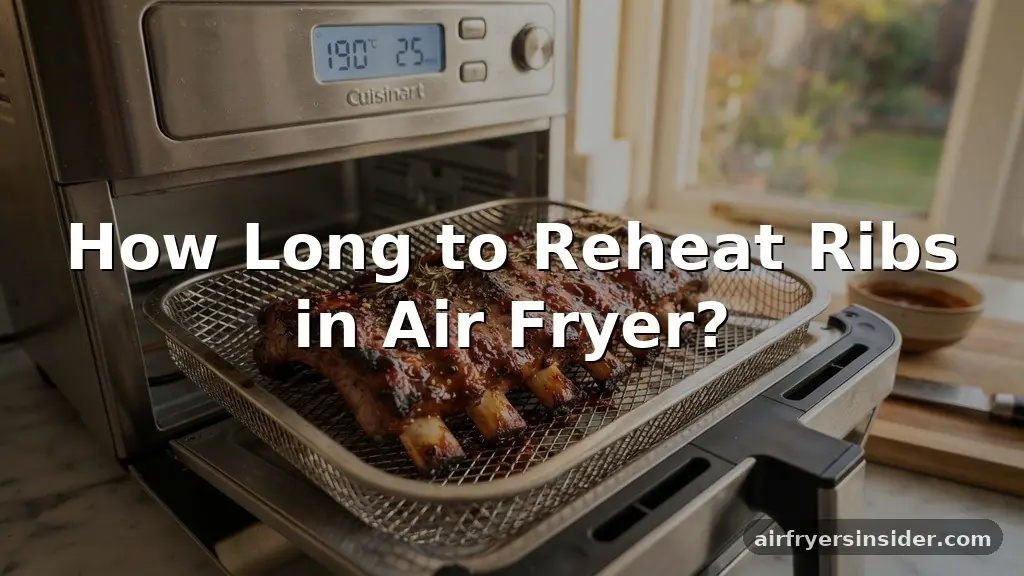
Figuring out exactly how long to reheat ribs in air fryer is the secret to bringing yesterday’s barbecue back to its former glory without drying out the meat. When you pull a rack of leftovers from the fridge, the fear of turning succulent pork ribs into rubber is real.
By mastering the right temperature and timing, you can preserve that smoky flavor and tender texture that made them delicious in the first place. This approach to reheating leftovers ensures you won’t have to settle for the soggy results of a microwave or the long wait times of a conventional oven.
Why the Air Fryer Excels at Reheating Ribs
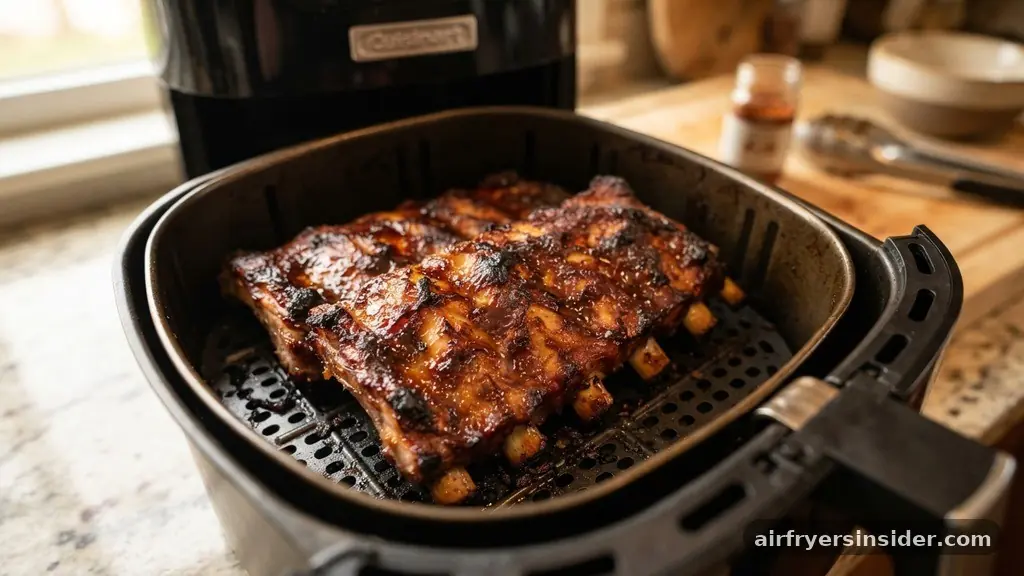
The primary reason to use an air fryer for your leftover BBQ is the efficiency of its heating mechanism. Unlike a microwave, which vibrates water molecules to heat food unevenly, an air fryer uses convection cooking to circulate hot air around the entire surface of the ribs.
This constant movement of air is what helps in achieving a desirable texture, effectively warming the connective tissue without turning the meat into a stringy mess. Because the unit is smaller than a standard oven, it reaches the target temperature almost instantly, which is ideal when you are hungry and looking for a quick meal.
Furthermore, the air fryer basket setup allows for better air circulation compared to a flat baking sheet. This airflow is crucial for maintaining the integrity of the bark preservation, as it encourages the exterior to firm up slightly while the interior warms through.
If you have ever tried to reheat ribs in a microwave, you know the struggle of the meat becoming mushy or the sauce turning into a thin, watery liquid. The air fryer avoids these pitfalls by providing a controlled environment that mimics the dry heat of a smoker, just on a much smaller and faster scale.
Determining the Right Temperature and Timing
When deciding how long to reheat ribs in air fryer, you generally want to strike a balance between speed and gentleness. A temperature of 350°F (175°C) is the industry standard for most reheating tasks because it is hot enough to warm the center of the bone-in meat without scorching the exterior. If you are dealing with a thick rack of St.
Louis style ribs, you might need slightly more time than you would for thinner baby back ribs. Generally, you should aim for a window of 8 to 12 minutes, depending on the thickness of the meat and how many pieces are crowded into the basket.
It is important to remember that the internal temperature of the ribs should reach at least 165°F to ensure they are safe to eat, according to USDA guidelines. Using a meat thermometer is the only way to be absolutely certain that the center of the thickest part of the rack has reached this threshold.
If you find that the edges are starting to brown too quickly, you can reduce the heat to 325°F and extend the time by a few minutes. This lower-and-slower approach helps prevent the rendered fat from burning off while keeping the meat succulent.
Protecting Moisture During the Reheat
One of the biggest risks when using high-heat appliances is dehydration. Because the air fryer is essentially a high-powered fan, it can quickly strip moisture from the surface of your food. To combat this, many enthusiasts use a small amount of liquid or a protective barrier.
Adding a splash of water, apple juice, or even a bit of extra BBQ sauce to the ribs before placing them in the basket can create a humid environment. This steam helps keep the meat tender while the hot air works its magic on the surface.
Another effective strategy involves using aluminum foil. By wrapping the ribs loosely in foil, you create a mini-oven effect that traps moisture inside while still allowing the edges to get slightly crispy toward the end of the cycle. If you prefer a bit of a crust, you can unwrap the ribs for the final two minutes of the process.
This combination of steaming and dry-roasting is the gold standard for maintaining the quality of your leftovers. Always check your rack placement to ensure the air can flow underneath the meat, which keeps the bottom from becoming soggy.
Managing Different Rib Cuts and Sizes
Not all ribs are created equal, and your strategy should shift based on the specific cut you are working with. Baby back ribs, which are leaner and smaller, heat up much faster than the larger, meatier St. Louis style ribs.
If you are reheating a whole slab, you will need to cut it into smaller sections to ensure the air can circulate properly. Overcrowding the basket is a common mistake that leads to uneven heating, leaving the outer pieces hot and the inner pieces cold.
Factors Influencing Reheat Times
- Thickness of the meat: Thicker cuts require more time to reach the center.
- Bone density: Thicker bones absorb more heat, which can slow down the process.
- Coldness of the meat: Ribs taken straight from the fridge need a few extra minutes compared to those brought to room temperature first.
- Amount of glaze: A heavy coating of barbecue glaze can burn if the heat is too high, necessitating a lower temperature or shorter duration.
If you are dealing with a large amount of leftovers, it is better to reheat in batches rather than piling the ribs on top of each other. Even if it takes a few extra minutes, the result will be much higher quality.
Remember to account for carryover cooking, where the meat continues to heat up for a minute or two after you pull it from the basket. Because of this residual heat, it is often best to remove the ribs when they are just shy of your target temperature.
Comparing Reheating Methods
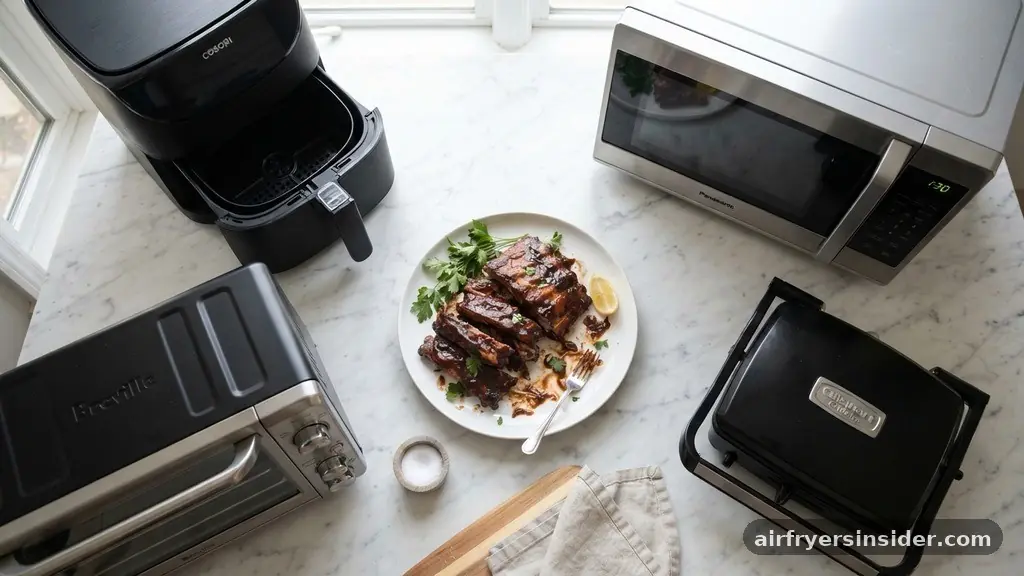
To understand why the air fryer is often the preferred choice, it helps to look at how it stacks up against other common kitchen appliances. The following table provides a quick comparison of the most common methods used to revive leftover barbecue.
| Method | Speed | Texture Result | Moisture Retention |
|---|---|---|---|
| Air Fryer | Fast | Crispy edges, tender meat | High (with moisture added) |
| Microwave | Very Fast | Soggy, unevenly heated | Low |
| Oven | Slow | Consistent | Moderate |
| Grill | Moderate | Smoky, charred | Moderate |
As the table shows, the air fryer manages to bridge the gap between the speed of a microwave and the quality of an oven. While a grill is fantastic for adding a fresh layer of smoke, it is often too much effort for a simple lunch or dinner.
The air fryer gives you that charred edges appeal without the need to fire up the charcoal or gas. If you are looking for the perfect balance of convenience and flavor, the air fryer is consistently the winner in the kitchen.
Tips for Achieving That Freshly Smoked Flavor
If you want your reheated ribs to taste like they just came off the smoker, there are a few extra steps you can take. First, make sure you preheat your air fryer for at least three minutes. This ensures that the cooking cycle begins at the correct temperature from the very first second.
Second, consider brushing on a light layer of fresh sauce halfway through the reheating process. This refreshes the flavor profile and adds a glossy sheen that is often lost during storage.
You can also experiment with using parchment paper liners if you are worried about the sauce dripping into the bottom of the basket and burning. While foil is great for trapping moisture, parchment paper is excellent for cleanup and prevents the ribs from sticking to the grate.
If you find the ribs are still a bit dry, a tiny spritz of water or apple cider vinegar before wrapping them in foil can work wonders. The goal is to create a steamy environment that gently warms the meat through before letting the convection air do the final work on the exterior.
Troubleshooting Common Reheat Issues
Sometimes, despite your best efforts, things don’t go perfectly. If your ribs come out too dry, it is usually because the heat was too high or they were left in the air fryer for too long.
If this happens, try serving them with a side of warm dipping sauce to add back some of the lost moisture. Conversely, if the ribs are cold in the middle, you likely crowded the basket or didn’t allow enough time for the heat to penetrate the bones.
Another common issue is burning the sauce. Sugary glazes are notorious for turning bitter when exposed to high heat for too long. If you notice your sauce starting to bubble or smoke, pull the ribs out immediately and let them rest.
You can always finish them at a lower temperature for a longer period if they aren’t fully heated through. By staying attentive and checking the ribs every few minutes, you can easily adjust your strategy on the fly. Learning to read your specific appliance is part of the process, as every air fryer has its own quirks regarding airflow and heat intensity.
Addressing Topical Gaps: Reheating Frozen Ribs
One question that often arises is whether you can reheat ribs directly from a frozen state. While it is technically possible, it is not recommended for the best texture. If you have frozen leftovers, the best approach is to thaw them in the refrigerator overnight.
If you are in a rush, you can use the defrost setting on your microwave for a minute or two just to take the chill off, then finish them in the air fryer. This prevents the outside from becoming overcooked and dry while the inside remains frozen.
When reheating previously frozen ribs, you must be even more diligent about food safety. Ensure that the meat reaches an internal temperature of 165°F to kill any bacteria that might have survived the freezing and thawing process.
Because frozen ribs contain more moisture, you may find that they require a slightly longer time in the air fryer to evaporate the excess water. Use the foil-wrap method for the first portion of the cooking time to ensure the meat stays juicy, and then unwrap them to crisp up the exterior.
Maximizing Your Leftover BBQ Potential
Once you have mastered the technique, you will find that ribs are one of the most versatile leftovers you can have. Beyond just eating them as they are, you can use your perfectly reheated meat in a variety of other dishes.
Shredded rib meat is fantastic on salads, in tacos, or mixed into a hearty mac and cheese. Because you have perfected the reheating process, the meat will retain its quality regardless of how you choose to serve it.
Keep a log of your favorite temperatures and times for different types of ribs. You might find that your specific air fryer model performs better at 340°F than 350°F, or that your favorite brand of ribs prefers a slightly shorter reheat time.
By treating these leftovers with the same care as the original cook, you extend the enjoyment of your barbecue long after the initial event. It is all about understanding the heat, the moisture, and the timing to get the best possible result every single time you open the basket.
FAQ
Is it better to use foil when reheating ribs in the air fryer?
Yes, using aluminum foil is highly recommended for the first part of the reheating process. It traps moisture and prevents the meat from drying out, while still allowing you to unwrap the ribs at the end if you want to achieve those crispy, caramelized edges.
How do I know when my ribs are fully reheated?
The most reliable method is to use a meat thermometer. Insert the probe into the thickest part of the meat, avoiding the bone. You are looking for an internal temperature of at least 165°F to ensure the ribs are properly warmed through and safe to eat.
Can I stack ribs in the air fryer?
It is best to avoid stacking ribs. Air fryers rely on the circulation of hot air to cook food evenly. If you stack the meat, the inner parts won’t get enough heat, leading to uneven results. It is better to reheat in smaller batches if necessary.
What is the best temperature for reheating ribs?
A temperature of 350°F is ideal for most air fryers. It provides enough heat to warm the meat quickly without burning the exterior. If you have a particularly thick rack or a very powerful air fryer, you may want to drop the temperature to 325°F.
Final Thoughts
Learning how long to reheat ribs in air fryer is a game-changer for any barbecue lover. By focusing on steady heat, moisture control, and proper spacing, you can enjoy your leftovers just as much as the day they were cooked. Whether you are dealing with baby back ribs or thick St.
Louis style cuts, the air fryer offers a level of precision that other appliances simply cannot match. Always remember to prioritize food safety by checking the internal temperature and don’t be afraid to experiment with your technique to find what works best for your specific equipment. With these tips in mind, you can confidently turn your next batch of leftovers into a delicious, high-quality meal that keeps the spirit of the grill alive.


